

We may earn a commission when you buy through links on this page, at no extra cost to you. Learn more.
For anyone searching nebraska wine festival, TOAST Nebraska is the statewide tasting event that brings together wineries from across the state. Organized by the Nebraska Winery and Grape Growers Association, it combines local wine tastings with food, artisan vendors, entertainment, and educational sessions. Its Holiday gathering was held at Fonner Park in Grand Island on November 14, 2026, and the organizer lists a Spring event for May 14–15, 2027, at Stinson Park in Omaha. The festival is a practical introduction to Nebraska’s cold-climate grape varieties and the producers who work with them.
Nebraska wine can surprise visitors whose mental map of American wine stops at California, Oregon, and Washington. The state’s festival is an easy place to sample several local styles in one visit, compare how producers handle grapes such as Edelweiss and Frontenac, and leave with names of wineries to visit. This guide explains the event format, the wines worth seeking out, and how to plan a tasting day that feels relaxed rather than rushed.
What the Festival Experience Includes
TOAST Nebraska is designed as a broad showcase rather than a single-winery tasting, bringing together Nebraska producers, food and craft vendors, and entertainment in one venue. The Holiday event listing describes it as the state’s largest gathering of Nebraska wineries, while the organizer’s recent roster included producers from different parts of the state.
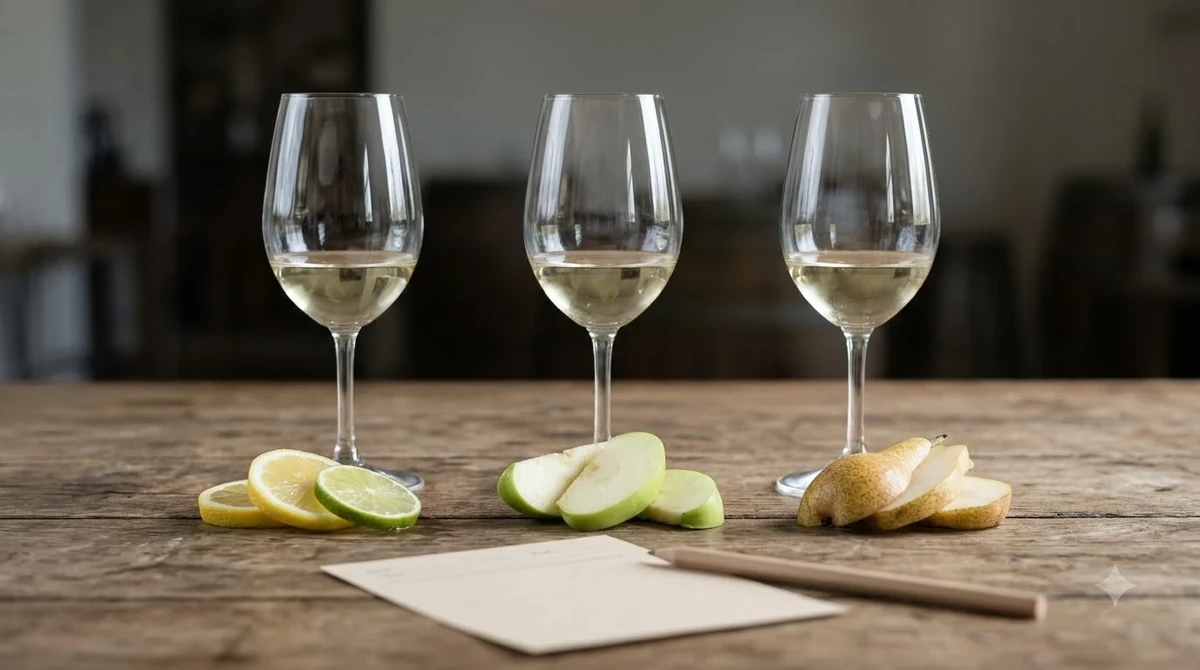
A recent Holiday lineup included Broken Arrow Cellars, Capitol View Winery and Vineyards, Cellar 426 Winery, Glacial Till Vineyard and Winery, James Arthur Vineyards, Mac’s Creek Winery, Miletta Vista Winery, Nissen Winery, Prairie Creek Vineyards, and Whiskey Run Creek Vineyard and Winery. That range matters because one table may emphasize a familiar hybrid white, while another pours a dry red, a fruit-forward blush, or a dessert-style wine. The event lets visitors compare styles without having to drive between vineyards on the same afternoon.
The experience extends beyond the tasting tables. The Holiday edition paired winery sampling with a progressive dining experience, an artisan marketplace, educational sessions, live music, dancing, and Wine Bingo. The Spring format has a different feel: the organizer’s FAQ describes food trucks and food-tent vendors spread across the festival grounds. For visitors, that means TOAST works both as a wine discovery event and as a social outing, with enough activity to suit a group whose members have different levels of wine knowledge.
Where and When to Attend
TOAST Nebraska has used more than one city and seasonal format, so the venue depends on which gathering you plan to attend. The Holiday event took place at Fonner Park’s Pinnacle Bank Expo Center in Grand Island, while the next listed Spring gathering is scheduled for Stinson Park in Omaha’s Aksarben Village.
The Grand Island venue address is 700 East Stolley Park Road, Grand Island, Nebraska 68801. The Holiday event ran from noon until 8 p.m. on November 14, 2026. The organizer’s ticket page lists the Spring 2027 dates as May 14 and 15 at Stinson Park, Omaha; the event FAQ advises that exact Spring hours are to be announced. Those details are more useful than assuming the festival always occupies the same weekend, city, or building.
For trip planning, decide first whether the seasonal format or the city matters more. Grand Island makes sense for travelers who want to pair the event with a central Nebraska stay, while Omaha offers a larger-city base and a park setting for the Spring event. Confirm the final hours, participating wineries, food arrangements, and entry information on TOAST Nebraska’s official event page before making hotel or transportation plans. Festival lineups and schedules can change between gatherings, even when the event name stays the same.
How Tastings and Tickets Work
The event uses a tasting-glass and wristband format, with small pours that encourage visitors to compare wines rather than treat each booth like a full glass service. Its published FAQ describes half-ounce samples and more than 100 wines across participating wineries, so even a selective tasting plan can include a wide range of styles.
The following details from the organizer’s event information show the scale and practical basics of a recent Holiday TOAST. The Spring event may use a different schedule or food setup, so treat seasonal details as specific to the edition named.
| Festival detail | Published information | Why it matters |
|---|---|---|
| Holiday event hours | 12 p.m.–8 p.m. | Allow time for tastings, food, and sessions. |
| Sample pour | ½ ounce | Small pours make comparison easier. |
| Wine selection | 100+ wines | Choose a tasting theme instead of sampling at random. |
| Minimum age | 21+ | Valid photo identification is required for entry. |
| Spring 2027 dates | May 14–15 | The listed venue is Stinson Park in Omaha. |
For the Holiday event, the organizer listed General Admission, VIP, and Designated Driver ticket categories. The VIP package added the progressive dining experience and extra event benefits, while General Admission provided access to participating winery tastings, the artisan marketplace, educational and entertainment sessions, and Wine Bingo. Spring tickets should be checked separately because the organizer may adjust inclusions, food availability, or entertainment between seasonal events.
Tip: Before entering, choose a simple tasting route: start with dry whites, move to rosé and lighter reds, then finish with fuller reds or sweet wines. Take brief notes after each pour so the names of your favorites do not blur together.
Nebraska Grapes and Wine Styles to Look For
Nebraska’s most distinctive festival pours often come from cold-hardy hybrid grapes, and they can cover a wider range than the familiar Chardonnay-and-Cabernet lineup. Start with Edelweiss, Frontenac, Brianna, LaCrosse, Vignoles, and Marechal Foch; these varieties help show both the regional growing conditions and the range of winemaking choices.
Edelweiss is the state’s most widely grown grape, according to the Nebraska Winery and Grape Growers Association, and it is used for a semisweet-to-sweet white with a tart finish. Its sweetness makes it a useful comparison point: taste it alongside a drier white such as LaCrosse, which can show pear, apricot, citrus, and floral notes. Brianna tends toward semisweet or sweet, with tropical fruit impressions such as pineapple and apricot. LaCrescent is often off-dry or semisweet, with stone-fruit and citrus aromas supported by acidity. Vignoles can range from dry to late-harvest sweet, so it is a good grape for noticing how harvest timing and winemaking affect the final style.
For reds, Frontenac is one of the most useful names to remember because producers can make it in several styles, from rosé through deeply colored red wine and Port-style bottlings. Nebraska Wines describes flavors that can include cherry, blackberry, black currant, and plum. Chambourcin can produce a fuller-bodied wine with cherry notes and a soft finish, particularly when aged in American oak. DeChaunac is another worthwhile comparison: it can be medium to full in body, with a fruit-led, earthy profile and relatively low to mild tannin. Marechal Foch deserves attention as well; WineAmerica notes its cold tolerance and its suitability for rosé, despite the grape’s deeply colored fruit.
Rather than deciding that a state wine must taste a certain way, ask the person pouring which grape is in the glass, whether the wine is dry or sweet, and whether oak was used. The same variety can produce different results from one producer to another. The official Nebraska Wines varietal overview is a useful preview, and a wider look at Wine Regions can help explain why local grapes, soils, and climate shape regional styles.
Why Nebraska’s Climate Shapes the Wine
Nebraska’s cold winters and changing conditions across the state help explain why many vineyards rely on hardy French-American hybrids and American varieties. The growing environment is not identical from eastern to western Nebraska, and vineyard location, slope, soil drainage, and cultivar selection all influence which grapes can ripen reliably.
University of Nebraska–Lincoln Extension identifies cold temperatures, air movement, and soil drainage as major site-selection concerns for Midwest vineyards. For many grapes grown in the region, an extended winter period below about 20 degrees Fahrenheit can cause serious damage, although cold tolerance varies by cultivar. The extension guidance also describes a favorable vineyard site as one with at least nine uninterrupted hours of full sun, good air drainage, and well-drained soil. Those conditions help explain why growers pay attention not just to a state map, but also to the slope and exposure of an individual vineyard block.
The association explains that Nebraska’s wine grapes are primarily French-American hybrids developed by crossing European wine grapes with American wild grapes. These varieties are selected in part for winter hardiness and their ability to mature within the local growing season. That does not mean every Nebraska bottle is sweet or simple. The state produces dry, off-dry, semisweet, rosé, red, and dessert-style wines, depending on the grape, harvest decisions, fermentation, and aging.
At a festival, this background makes questions more productive. Ask whether a producer’s Frontenac is made as a dry red or a sweeter style, whether a white grape such as LaCrescent retained residual sugar, or whether a red such as Chambourcin saw oak. These are practical questions with direct effects on taste. They also make the tasting more memorable than focusing on a grape name alone.
Food Pairing and a Comfortable Festival Plan
A little structure helps visitors taste more thoughtfully and enjoy the event without feeling hurried. Start with lighter, higher-acid whites, move to rosé and lighter reds, then finish with fuller reds and sweeter wines; use food and water breaks rather than trying to cover every booth in one continuous loop.
For food, match the wine’s weight and sweetness to the dish. Edelweiss or Brianna can work with fruit, light cheeses, salads, or spicy foods, while Vignoles can suit fresh fruit and fruit desserts. Frontenac’s darker-fruit profile can pair with beef, lamb, duck, or tomato-based pasta, and Chambourcin is a natural option for grilled meats or Italian dishes. If a wine is noticeably sweet, pair it with food at least as sweet; if a dish is sharply acidic, choose a wine with equal or higher acidity. Salt and fat can soften tannin, while chili heat can feel stronger with high-alcohol or tannic wines.
Serving temperature also changes how a wine feels. Light whites and rosé are best around 45–50 degrees Fahrenheit, full-bodied whites around 50–55 degrees, light reds around 55–60 degrees, and full reds around 60–65 degrees. Sweet whites are generally most refreshing around 43–50 degrees. At a busy event, wines may not arrive at their ideal temperature, but knowing these ranges can help explain why a white tastes less crisp after sitting in a warm room or a red seems more alcoholic when served too warm.
Plan transportation before the first pour, especially if the festival is part of a larger weekend away. Take a reusable water bottle if permitted, eat before or during the event, and decide how purchases will get home. If you are comparing several state festivals while planning future trips, an Indiana wine festival or a Livermore wine festival offers a different regional context and a chance to see how event formats vary. The common thread is that talking with the people pouring the wines often gives more insight than tasting silently and moving on.
Frequently Asked Questions
Do I need separate tasting tickets for each winery?
No. The organizer says the wristband and tasting glass provide access to sample from participating wineries, so guests do not need to collect a separate tasting ticket for each pour. The event asks visitors to sample responsibly and purchase additional wine by the glass or bottle when they want a fuller serving.
Can I leave the festival and come back later?
The published Holiday policy is no re-entry for standard admission. VIP ticket holders have re-entry privileges, so confirm the exact policy for the Spring event before leaving the grounds. The organizer also says purchased bottles can be held at its Wine Check until departure.
Can children or infants attend with an adult?
No. TOAST is a 21-and-over event, and the organizer specifically says children, including infants, are not admitted. Every attendee must present valid identification at the entrance, regardless of age.
What does a Designated Driver ticket include?
The listed Designated Driver ticket includes access to artisan vendors, educational and entertainment sessions, and Wine Bingo, along with a wine tote and a TOAST Shop voucher. It does not include wine tastings, so it is intended for a non-tasting guest who is attending with others.
Can I store bottles after buying them?
Yes. TOAST describes a Wine Check where purchased bottles can be stored while guests continue around the event. Staff can also assist with transporting wine at the end of the visit, which is useful for anyone who plans to buy from several producers.
TOAST Nebraska is a useful snapshot of the state’s wine scene because it puts many local producers and grape varieties in one place. Arrive with a loose tasting plan, ask questions about the grapes and growing conditions, and leave time to find a bottle or winery worth exploring again.
More in Wine Regions
 Willcox Wine Trail: Discover Arizona’s High-Elevation Wine CountryUpdated Nov 20, 2026
 Yakima Valley Wine Region: Find the Best Styles to TryUpdated Nov 20, 2026
 Vosne Romanee Wine Tasting: Identify Aromas and Choose Better PairingsUpdated Nov 20, 2026
 Yakima Valley Wine Festival: Find the Best Seasonal Wine EventsUpdated Nov 20, 2026
 Wales Vineyards: Discover Cool-Climate Wines and Where to VisitUpdated Nov 20, 2026
 Yountville Wine Festival: Discover Napa Wines and Local FoodUpdated Nov 20, 2026