

We may earn a commission when you buy through links on this page, at no extra cost to you. Learn more.
Salta wine comes from Argentina’s high-altitude northwest, where the Calchaquí Valleys produce intensely aromatic Torrontés and structured reds such as Malbec, Cabernet Sauvignon, and Tannat. The best-known wine town is Cafayate, but vineyards also extend through places such as Molinos and Payogasta. Strong mountain sunlight, dry conditions, and cool nights help give these wines vivid fruit, distinctive aromas, and a clear sense of place.
Salta offers a different expression of Argentine wine from the more familiar bottles of Mendoza. Its wines are shaped by elevation and a dramatic desert landscape, and the region rewards drinkers who enjoy expressive whites as much as deeply flavored reds. Knowing the main valleys, grapes, and serving styles makes it easier to choose a bottle and pair it with food.
Where Salta Wine Comes From
Salta is in northwestern Argentina, and its best-known vineyards lie in the Calchaquí Valleys. Cafayate is the leading wine center, while the wine route also reaches north through communities and vineyard areas including San Carlos, Angastaco, Molinos, Cachi, and Seclantás.
Cafayate anchors the region’s identity. Decanter’s Salta travel guide describes it as the heart of the wine industry and places its vineyards between 1,600 and 2,100 meters above sea level. The town is roughly a three-hour drive from the provincial capital, Salta, and the approach passes through the Quebrada de las Conchas, a landscape of red rock formations and ravines. That geography is more than scenery: the valleys and mountain slopes create different growing conditions across relatively short distances. Cafayate also offers a convenient point of comparison because many wineries and tasting rooms are clustered around the town and surrounding valley. A wine labeled with a smaller locality may come from a more specific slope or pocket of the valley, so it can be useful to compare two wines from the same grape but different place names.
The route is not one continuous vineyard. Argentina’s national tourism authority describes a 530-kilometer stretch through the Calchaquí Valleys, with vineyards at around 1,750 meters and higher sites reaching 2,700 meters in Molinos and 3,015 meters in Payogasta. Cafayate is the most useful starting point for understanding the region, but a bottle from another valley or a higher site may show a different balance of ripeness, freshness, and structure.
Altitude, Sunlight, and the Calchaquí Climate
Elevation is one of the defining influences on Salta wine. Cafayate’s vineyards sit high above sea level, while some sites farther along the valleys climb beyond 2,700 meters, giving growers a wide range of conditions to work with.
High elevation brings intense sunlight and strong ultraviolet exposure, while clear, dry conditions allow temperatures to fall sharply after sunset. The difference between warm days and cool nights can slow the loss of natural acidity as grapes ripen. This helps explain why a ripe-smelling Torrontés can still feel fresh, and why some reds combine concentrated fruit with firm structure rather than tasting simply soft or heavy.
Rainfall is limited in much of the area, so vineyard work depends on managing water carefully and matching vine growth to each site. The soils described for Cafayate include sandy-loam material, gravel, and rounded stones. These free-draining conditions, together with the dry climate, make vineyard location and water management important parts of the final wine style. Altitude alone does not guarantee quality; exposure, soil, vine age, crop level, harvest timing, and cellar choices all matter.
| Vineyard area | Reported elevation | Approximate elevation in feet |
|---|---|---|
| Cafayate | 1,600–2,100 m | 5,249–6,890 ft |
| Molinos | 2,700 m | 8,858 ft |
| Payogasta | 3,015 m | 9,892 ft |
The elevations in this comparison are reported by Decanter for Cafayate and by Argentina’s national tourism authority for Molinos and Payogasta. They illustrate the range within the Salta wine route rather than a single standard altitude for every vineyard. A higher site may retain a different level of acidity or produce smaller crops, but the grape variety and the producer’s decisions remain central to the result. The figures also explain why the phrase high-altitude wine covers several distinct growing environments: a vineyard at 1,700 meters does not experience exactly the same conditions as one above 3,000 meters. Slope direction, wind exposure, and access to irrigation further shape how quickly grapes ripen.
Torrontés: Salta’s Signature White Wine
Torrontés is the white grape most closely associated with Salta. It is known for a highly aromatic nose, often suggesting white flowers, citrus peel, peach, and tropical fruit, while a well-made dry version finishes fresh rather than sweet.
The contrast between perfume and palate is part of the grape’s appeal. A glass may smell floral and exuberant, but the flavor is typically dry, with citrus-like freshness and a crisp finish. Argentina’s national tourism authority highlights white flowers and citrus in its description of the grape, while Decanter also notes floral, citrus, and tropical aromas in Cafayate examples. These are aroma impressions, not a promise that the wine contains sugar or tastes like fruit juice. The distinction is useful for shoppers who associate floral aromas with sweetness: dry Torrontés can smell richly perfumed while remaining crisp and savory on the finish. If you prefer a gentler aromatic profile, choose a bottle described in terms of citrus and freshness rather than one emphasizing ripe tropical notes.
Look for Torrontés from Cafayate when you want the classic Salta reference point. Some bottlings emphasize fresh citrus and delicate flowers; others are broader and more tropical. Differences can come from vineyard altitude, harvest date, fermentation choices, and the producer’s preferred style. Stainless-steel fermentation is often used to preserve the grape’s aromatic clarity, while restrained handling helps avoid turning its natural perfume into an overpowering scent.
Torrontés works especially well with Salta’s regional empanadas, which commonly combine chopped beef, onion, hard-boiled egg, green olives, cumin, and paprika. Its acidity and aromatic character can also complement ceviche, grilled shrimp, herb-led dishes, and mildly spicy Asian food. For a simple serving plan, chill the bottle to about 45–50°F and bring it to the table shortly before pouring so the aromas remain clear.
Malbec, Cabernet Sauvignon, Tannat, and Other Reds
Salta’s reds are generally recognized for concentrated fruit and a firm frame, with Malbec, Cabernet Sauvignon, and Tannat among the leading grapes. Cabernet Franc, Syrah, and blends also add variety, so the region should not be reduced to a single red-wine profile.
Salta Malbec can show dark plum, blackberry, and black-cherry character, often with a denser structure than a lighter-bodied red. Wine Enthusiast’s Salta listings include high-altitude Malbec from a Calchaquí Valley vineyard at 8,530 feet, as well as reviews describing plum, blackberry, and dark-fruit flavors. The exact balance varies by producer: some wines feel plush and fruit-driven, while others emphasize firm tannins, savory notes, or a fresher edge.
Cabernet Sauvignon often brings blackcurrant-like fruit, herbal or peppery notes, and more assertive tannin. Tannat is typically the more muscular option, with dark fruit and substantial grip. These grapes can suit drinkers who enjoy structured reds, especially alongside grilled beef, lamb, sausages, or slow-cooked dishes. Merlot and Syrah may appear in blends, contributing softer fruit or savory spice depending on the winemaking choices. Some red blends combine varieties to balance the shape of the wine: a grape with generous fruit can fill out the middle, while Cabernet Sauvignon or Tannat adds firmness and length. This is one reason to approach the region by producer and bottling rather than expecting every Malbec or Cabernet to taste identical.
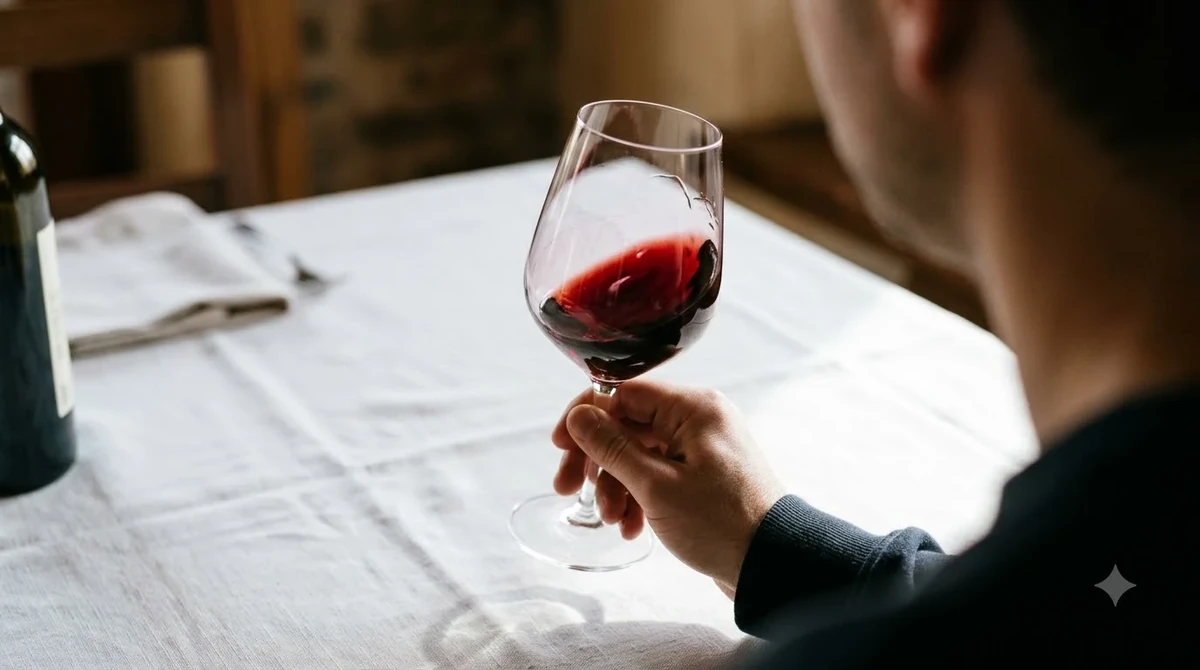
Oak is another point of difference between bottles. Some producers use barrels to add notes of cedar, baking spice, or cocoa and to soften the wine’s texture; others rely more on fruit and the character of the vineyard. A young, full-bodied Salta red may benefit from 30–60 minutes in a decanter, particularly when its tannins feel firm. For a lighter or more accessible style, opening the bottle while preparing dinner may be enough.
How to Taste, Serve, and Pair Salta Wines
Match the serving temperature to the wine’s structure rather than treating every Salta bottle alike. Torrontés is best served cool, while fuller reds show more detail when they are slightly below typical room temperature.
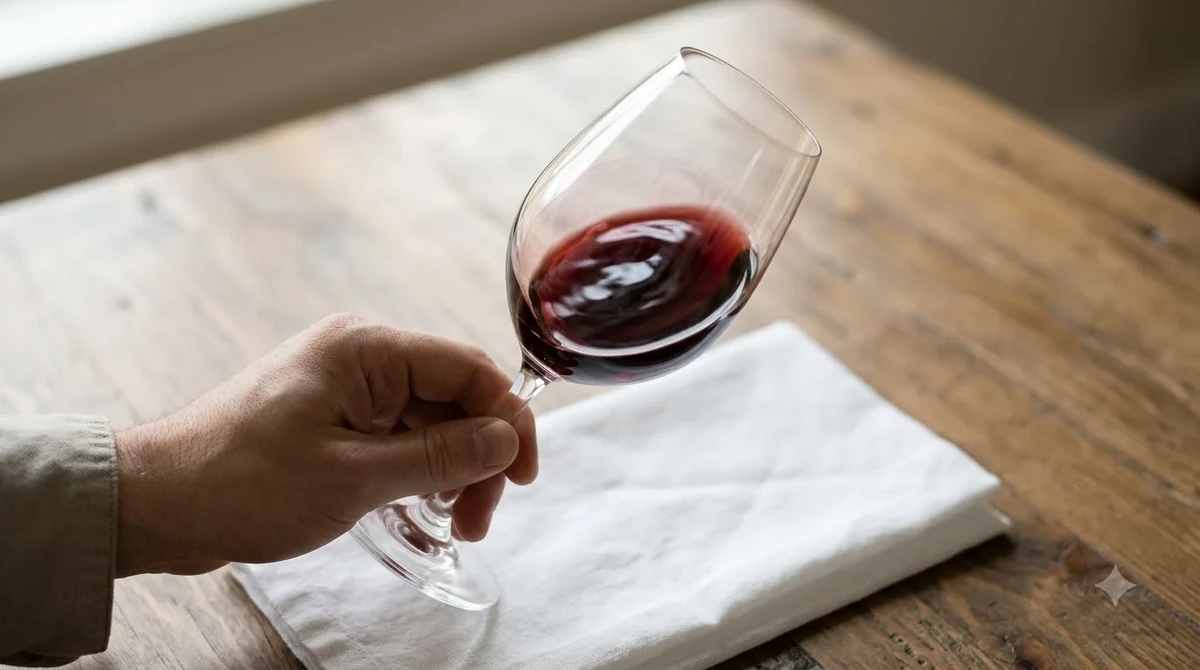
For Torrontés, aim for 45–50°F; excessive chilling can mute the floral aromas that make the grape distinctive. A structured red such as Cabernet Sauvignon or Tannat is usually more expressive around 60–65°F. If the room is warm, a short spell in the refrigerator can bring the red into range. Pour a standard 5-ounce serving, and expect about five glasses from a 750-milliliter bottle. Allow a white to warm slightly in the glass if it seems muted straight from the refrigerator; a few degrees can release more aroma without making the wine feel warm. With reds, avoid leaving the bottle beside a hot grill or in direct sun, since excessive warmth can make alcohol seem more prominent and dull the wine’s balance.
Food pairing is straightforward when you think about acidity, tannin, and intensity. Torrontés has the aromatic lift for seafood, grilled vegetables, empanadas, and dishes with herbs or citrus. Malbec can work with beef, grilled mushrooms, and hard cheeses, while Cabernet Sauvignon and Tannat are strong choices for fattier cuts because salt and fat soften the perception of tannin. Very spicy food can make alcohol and tannin feel hotter, so choose a fresher white or a lower-tannin red when chili heat is prominent.
Tip: For a regional tasting, pour Torrontés first at 45–50°F, then move to Malbec and finish with Cabernet Sauvignon or Tannat. Use the same glass shape for the reds and compare how fruit, acidity, and tannin change from one grape to the next.
Oily fish is usually a difficult match for tannic reds, so serve salmon or richer seafood with Torrontés or another white instead. For a menu built around local specialties, start with empanadas and Torrontés, follow with grilled beef and Malbec, and keep a structured Cabernet Sauvignon for a richer main course. If dessert is part of the meal, choose a wine at least as sweet as the dessert rather than expecting a dry red to match a sugary finish.
Choosing a Bottle and Exploring the Region
A useful first purchase is a dry Torrontés from Cafayate, followed by a Malbec or Cabernet Sauvignon from a named Calchaquí Valley producer. These choices offer a clear introduction to the region’s aromatic white and structured reds without assuming that every vineyard or vintage tastes alike.
Read the label for the grape, place of origin, vintage, and any mention of oak aging or vineyard site. A Cafayate bottling gives a familiar regional reference; a wine identified with a higher-elevation location may invite comparison, but altitude should be treated as context rather than a quality score. Producers such as El Esteco, Colomé, Amalaya, El Porvenir, Nanni, Yacochuya, and Piattelli appear in coverage of Salta’s wine scene, though their ranges and styles differ.
To learn how a bottle fits into the wider geography, start with the Salta wine region and compare the valley settings described there. A closer look at Salta vineyards can help connect vineyard elevation and location with grape variety. For context beyond Argentina, the broader guide to Wine Regions gives a useful framework for comparing climate, soil, and regional styles.
Salta is also a destination for wine tourism, not just a label to recognize in a shop. Cafayate is the natural base for a first visit, with the route extending toward Molinos, Cachi, and Seclantás. The landscape includes the Quebrada de las Conchas and high desert valleys, so allow time between tastings rather than trying to cover every town in a single day. For an overview of the route, see Argentina’s northern wine route.
Frequently Asked Questions
These quick answers address a few label details and regional distinctions that can help make a Salta bottle easier to interpret.
Is Torrontés the same grape as Muscat?
No. Torrontés is a distinct Argentine grape family, and Torrontés Riojano is the variety most associated with the country’s aromatic white wines. Its pronounced floral scent can remind some drinkers of Muscat, but the varieties are not interchangeable.
Are there old-vine wines from Salta?
Yes. Wine Enthusiast lists El Esteco’s 1947 Old Vines Cabernet Sauvignon from the Calchaquí Valley. The bottling is a reminder that the region’s red-wine story includes older vineyard material as well as newer high-elevation plantings.
What white grapes are grown in Salta besides Torrontés?
Chardonnay and Sauvignon Blanc are also listed among Salta’s white varieties. They give drinkers alternatives to Torrontés’ pronounced floral character, with style depending on the vineyard and producer.
Does Torrontés on a label mean the wine is sweet?
No. Torrontés is the grape name, not a sweetness category, and most familiar Salta examples are made in a dry style. The floral aroma can suggest sweetness even when the finish is crisp.
How much vineyard area is in Cafayate?
Argentina’s national tourism authority describes Cafayate as having more than 2,720 hectares of vineyards, representing about 75% of the province’s vineyard area. That concentration helps explain why the town is such a prominent reference point for Salta wine.
Salta wine is a compelling choice for drinkers who want more than one expression of Argentina: fragrant, dry Torrontés alongside reds with dark fruit, spice, and structure. Start with Cafayate, then compare grapes and vineyard elevations to discover how much variety the Calchaquí Valleys can offer.
More in Wine Regions
 Willcox Wine Trail: Discover Arizona’s High-Elevation Wine CountryUpdated Nov 20, 2026
 Yakima Valley Wine Region: Find the Best Styles to TryUpdated Nov 20, 2026
 Vosne Romanee Wine Tasting: Identify Aromas and Choose Better PairingsUpdated Nov 20, 2026
 Yakima Valley Wine Festival: Find the Best Seasonal Wine EventsUpdated Nov 20, 2026
 Wales Vineyards: Discover Cool-Climate Wines and Where to VisitUpdated Nov 20, 2026
 Yountville Wine Festival: Discover Napa Wines and Local FoodUpdated Nov 20, 2026