

We may earn a commission when you buy through links on this page, at no extra cost to you. Learn more.
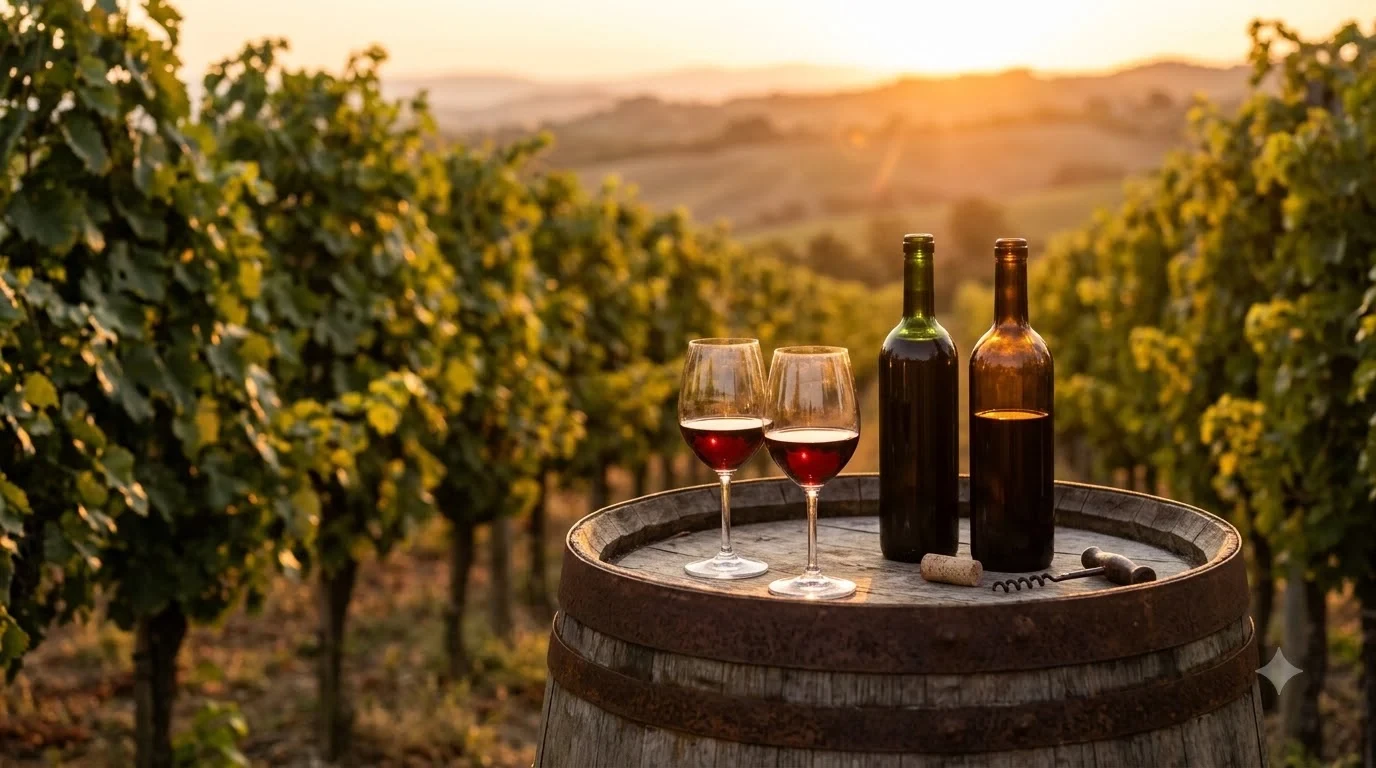
Salta vineyards are located in northwestern Argentina, primarily across the high-altitude Calchaquí Valleys, where exceptional elevation, intense sunshine, and cool nights produce distinctive Torrontés, Malbec, and Cabernet Sauvignon wines. Centered on Cafayate and extending into areas such as Molinos, Cachi, and San Carlos, this wine region combines dramatic Andean landscapes with centuries of winemaking heritage. Its aromatic white wines and structured red wines offer a distinctive alternative to Argentina’s better-known Mendoza selections.
Argentina is internationally recognized for Malbec, but its wine identity extends far beyond Mendoza. In the country’s northwest, Salta offers a very different combination of geography, grape varieties, and vineyard conditions. Here, vines grow high above sea level, surrounded by dry mountains, sandy soils, and wide-open desert landscapes. Understanding the region means looking beyond its famous altitude to discover the communities, producers, and individual wines that make northern Argentina worth exploring.
Where Salta’s Vineyards Are Located in Argentina
Salta is a province in northwestern Argentina, close to the Andes and north of the country’s central wine-producing areas. Its most important vineyards are concentrated in the Calchaquí Valleys, a mountainous network of valleys extending approximately 270 kilometers through northern Argentina.
The best-known wine destination is Cafayate, located in the southern part of Salta’s wine-growing area. According to Wines of Argentina, Cafayate concentrates approximately 60% of the vineyards in the Calchaquí Valleys. The town serves as the principal base for winery visits, accommodation, restaurants, and wine tourism. Its surrounding vineyards are generally situated between 1,550 and 2,020 meters above sea level, although the wider province includes substantially higher sites.
Salta’s wine geography extends well beyond Cafayate. San Carlos, Molinos, and Cachi are important names for understanding the region’s broader vineyard landscape. Each area offers different elevations, exposures, and growing conditions. These differences matter because a vineyard at 1,700 meters does not experience the same temperatures, ripening patterns, or sunlight exposure as one planted above 2,500 meters.
Molinos, for example, provides access to some of the province’s more remote and elevated vineyards. Producers such as Colomé and Tacuil have established vineyards in this area at approximately 2,500 meters above sea level. Cachi and surrounding localities also contribute to the diversity of high-altitude viticulture. Together, these places demonstrate that Salta is not a single vineyard destination but a collection of distinctive mountain-growing environments.
For readers comparing international wine destinations, the region offers an interesting contrast with Tasmania vineyards, where cooler maritime conditions rather than extreme altitude define much of the wine identity. Salta’s landscape is considerably drier, sunnier, and more mountainous.
It is also useful to distinguish Salta province from the wider Calchaquí Valleys wine region. The valleys cross provincial boundaries into Catamarca and Tucumán. Consequently, not every wine associated with the Calchaquí Valleys necessarily originates within Salta itself.
High Altitude, Desert Sunshine, and Vineyard Climate
Altitude is the defining characteristic of Salta’s wine-growing environment. Vineyards across the province occupy elevations of approximately 1,530 to 3,111 meters above sea level, creating growing conditions that differ considerably from those in many established wine regions.

At these elevations, the atmosphere is thinner and sunlight is particularly intense. Grapes receive substantial solar exposure during the growing season, encouraging ripening and contributing to the development of concentrated fruit characteristics. The strong sunlight also influences grape skins, while the generally dry conditions help limit some of the humidity-related vineyard pressures common in wetter climates.
Temperature differences between daytime and nighttime are equally important. Days can be warm and sunny, while nights become considerably cooler. These daily temperature changes help explain how grapes can achieve ripeness while retaining refreshing acidity. The effect varies by elevation, vineyard orientation, weather, and grape variety, so the wines are not identical across the province.
Rainfall is limited. Wines of Argentina describes the northern region as arid and dry, with generally sandy or sandy-loam soils that encourage drainage. In Cafayate, the soils contain gravel, coarse grains, fine sand, and rounded stones. Such conditions influence water availability and vine growth, making vineyard management especially important.
Water management is a practical consideration in this environment. With limited natural rainfall, vineyards depend on carefully managed water resources to maintain healthy vines. Irrigation practices, soil characteristics, and the age of the vines all influence how individual sites respond to dry conditions.
Altitude also affects the timing of grape development. Higher vineyards may experience slower ripening and different temperature patterns from lower sites. This can produce meaningful differences in acidity, tannin development, and aromatic expression even when producers grow the same grape variety.
These conditions should not be interpreted as a guarantee that every Salta wine will be powerful or highly concentrated. Some wines are fresh and aromatic, while others are fuller-bodied and structured. Producer decisions, harvest timing, grape selection, and winemaking techniques remain essential parts of the finished wine’s character.
The Main Grape Varieties Grown in Salta
Salta is particularly famous for Torrontés, but Malbec is the region’s most widely planted grape variety. Cabernet Sauvignon, Tannat, Merlot, and Syrah also contribute to its red wine production.
Torrontés is the grape most closely associated with the identity of northern Argentina. Torrontés Riojano is especially important in Salta, producing white wines with pronounced floral aromas and lively fruit characteristics. Common aromatic impressions include jasmine, rose, citrus, and tropical fruit. Despite its expressive perfume, Torrontés is generally made as a dry wine.
That contrast between an intensely aromatic nose and a dry palate makes Torrontés particularly interesting for people accustomed to sweeter aromatic whites. Its freshness can also make it an excellent companion for food, especially dishes with herbs, citrus, seafood, and moderate spice.
Malbec is the principal red grape. Salta Malbec often displays concentrated dark-fruit characteristics, firm structure, and considerable aromatic intensity. Depending on the producer and vineyard, flavors can include blackberry, plum, black cherry, and spice. Oak aging may introduce additional notes of vanilla, cocoa, and toasted wood.
Cabernet Sauvignon is another important variety. It can produce structured wines with dark fruit, herbal characteristics, and noticeable tannins. The grape’s natural structure makes it suitable for fuller-bodied styles, especially when harvested at appropriate maturity.
Tannat is particularly interesting because of its naturally substantial tannins and deep color. In Salta, it contributes wines with firm structure, dark fruit, and spicy characteristics. It can be bottled independently or included in blends with other red varieties.
Merlot and Syrah add further options. Merlot generally produces softer tannins and rounded fruit, while Syrah can contribute darker fruit, spice, and a substantial palate. Chardonnay and Sauvignon Blanc also appear among the region’s white grape varieties, although Torrontés remains the most recognizable local specialty.
| Grape variety | Wine type | Typical characteristics | General style |
|---|---|---|---|
| Torrontés Riojano | White | Floral, citrus, tropical fruit | Aromatic and fresh |
| Malbec | Red | Blackberry, plum, spice | Full-bodied and structured |
| Cabernet Sauvignon | Red | Blackcurrant, herbs, cedar | Firm tannins and structure |
| Tannat | Red | Dark fruit, spice, firm tannins | Powerful and concentrated |
| Merlot | Red | Plum, cherry, soft spice | Medium-bodied and rounded |
| Syrah | Red | Black fruit, pepper, spice | Medium-plus to full-bodied |
| Chardonnay | White | Apple, citrus, stone fruit | Medium acidity |
| Sauvignon Blanc | White | Citrus, green fruit, herbs | Fresh and high-acid |
The table provides general grape characteristics rather than a promise that every bottle will display the same flavors. For example, a stainless-steel Torrontés can emphasize freshness and primary aromas, while a barrel-influenced white wine may have a broader texture. Similarly, Malbec can range from fruit-forward and approachable to firmly structured wines intended for extended aging.
For anyone learning about regional wine identities, Salta is a useful example of how geography influences grape selection. The relationship between local varieties and growing conditions is an important subject throughout our broader Wine Regions resource.
What Salta Wines Taste Like
Salta produces two particularly recognizable wine styles: aromatic, dry white wines led by Torrontés and concentrated red wines led by Malbec. The region’s altitude, sunlight, and temperature variations contribute to their distinctive expressions, although individual producers create considerable stylistic diversity.
Torrontés: Floral and Refreshing
A good starting point for understanding Salta is a bottle of Torrontés. Its aromatic profile can be immediately recognizable, with floral notes reminiscent of jasmine, rose petals, and orange blossom. Citrus, peach, and tropical fruit characteristics may also appear.
On the palate, dry Torrontés generally combines refreshing acidity with a medium-weight texture. The aromatic intensity can make the wine seem sweeter than it actually is, so it is important to distinguish fragrance from residual sugar. Most traditional dry examples are better understood as crisp, aromatic white wines rather than sweet dessert wines.
Serving temperature makes a noticeable difference. A temperature of 45 to 50 degrees Fahrenheit works well for many lighter white wines, preserving freshness while allowing the aromas to develop as the wine warms slightly in the glass.
Malbec: Dark Fruit and Structure
Salta Malbec is often more concentrated in appearance and flavor than an uncomplicated everyday red. Blackberry, plum, black cherry, and spice are common descriptions. Depending on the wine, additional characteristics can include violet, tobacco, chocolate, and toasted oak.
Many examples have medium-plus or full body, with noticeable tannins and a firm finish. This structure makes the wines suitable for substantial food, particularly grilled meats and dishes with rich sauces. However, not every Malbec is heavily oaked or especially powerful. Some producers emphasize fresh fruit and drinkability instead.
Cabernet Sauvignon and Tannat: Structured Alternatives
Cabernet Sauvignon offers a more recognizable combination of dark fruit, herbal notes, and firm tannins. Salta examples can have considerable concentration, making them interesting alternatives to Cabernet from more familiar Argentine growing areas.
Tannat provides another perspective on the region. Its naturally high tannin levels can produce substantial wines with a dense texture and dark fruit profile. These wines generally benefit from substantial food, and younger, fuller-bodied examples may improve with 30 to 60 minutes of decanting.
Blends provide another way for producers to express their vineyards. Combining Malbec, Cabernet Sauvignon, Tannat, or other varieties allows winemakers to balance fruit, acidity, tannin, and aromatic complexity. The final result depends on the proportions and the treatment of each component.
Notable Salta Vineyards and Wine Producers
Salta’s wine industry includes historic family estates, established wineries, and producers working in increasingly elevated locations. Cafayate offers the most accessible introduction, while the vineyards around Molinos and other northern locations reveal a broader range of growing conditions.
Bodega El Esteco
Bodega El Esteco is one of the historic names in Cafayate. Founded in 1892 by French brothers David and Salvador Michel, the estate has an important place in the development of the area’s modern wine industry.
Its vineyards are located at approximately 1,700 meters above sea level. The estate combines traditional architecture with modern wine production and cultivates old Criolla and Torrontés vines, including some that are more than 70 years old.
El Esteco produces several recognizable wines, including Altimus and Don David Reserva. Its range provides opportunities to explore the region through different grape varieties, vineyard selections, and blending approaches. For visitors, the estate also offers guided winery tours and tasting experiences.
San Pedro de Yacochuya
San Pedro de Yacochuya is another important name associated with Cafayate’s international wine reputation. The winery was founded in 1988 by Arnaldo Etchart and Michel Rolland, bringing together local vineyard experience and international winemaking expertise.
The vineyards are located at approximately 2,000 meters above sea level, around 10 kilometers from Cafayate’s central square. The elevated location contributes to the winery’s distinctive identity, particularly in its structured Malbec wines.
Yacochuya is a useful producer to explore when comparing the region’s more concentrated red wines. Its location also demonstrates how much vineyard elevation can change over relatively short distances in the Calchaquí Valleys.
Colomé and Tacuil
Further north, the Molinos department offers access to vineyards in a more remote mountain environment. Colomé and Tacuil are among the producers associated with this area, with vineyards reported at approximately 2,500 meters above sea level.
These elevated locations provide a different perspective from the more accessible vineyards surrounding Cafayate. Their cooler nighttime conditions, intense sunlight, and particular site characteristics contribute to the diversity of wines made throughout the province.
Travelers should recognize that these wineries are not simply short extensions of a Cafayate tasting itinerary. The distance, mountain roads, and remote setting require additional planning. However, they are important destinations for anyone interested in understanding the full range of Salta’s high-altitude viticulture.
Visiting Salta’s Wine Country and Planning a Vineyard Trip
Cafayate is the most practical starting point for a wine-focused visit to Salta. It combines accessible wineries, local restaurants, accommodation, and opportunities to experience the surrounding Calchaquí landscape without immediately committing to long mountain journeys.
Visitors arriving by air generally use Martín Miguel de Güemes International Airport in Salta city. From there, Cafayate is approximately 189 kilometers away, with a typical driving journey of around three hours. The route passes through striking landscapes, including the formations of the Quebrada de las Conchas, making the journey part of the overall experience.
In Cafayate itself, winery visits can include historical estates, contemporary cellars, guided tastings, and vineyard walks. El Esteco is particularly convenient for visitors interested in combining a winery experience with regional cuisine and accommodation.
Its Patios de Cafayate property includes a restaurant and hotel within the winery’s colonial estate. Guided tastings and regional food experiences provide an opportunity to understand how local wines relate to the area’s culinary traditions.
Beyond Cafayate, a visit to Molinos requires more planning. The department is approximately 130 kilometers from Cafayate, and the drive takes around three hours according to the route described by Decanter. Visitors interested in Colomé or Tacuil should allow sufficient time rather than trying to fit several distant destinations into a single afternoon.
The best approach is to organize visits geographically. Spend the first part of a trip exploring Cafayate, then consider a separate excursion into the higher and more remote vineyard areas. This arrangement allows enough time for tastings, meals, and the mountain scenery.
Reservations are useful, particularly for guided tours, private tastings, and special dining experiences. Some winery activities have limited availability or scheduled departure times. El Esteco, for example, offers guided tasting experiences and special activities that require advance arrangements.
Tip: Plan a minimum of two full days around Cafayate if wine tasting is your main objective. This allows time for several winery visits, a meal featuring regional cuisine, and the scenic drive through the Quebrada de las Conchas. Add another day if you intend to visit the more remote vineyards around Molinos.
For visitors who want to compare wine destinations across the Americas, Salta also provides an interesting contrast with Uruguay vineyards. Uruguay’s Atlantic-influenced conditions and association with Tannat offer a different expression of South American viticulture.
Travelers planning their route can also consult Decanter’s Salta travel guide, which covers Cafayate wineries, Yacochuya, Colomé, Tacuil, regional food, and practical travel distances.
Food Pairings, Serving Temperatures, and Buying Salta Wines
Salta wines are particularly rewarding with regional Argentine cuisine. Torrontés works with flavorful dishes that benefit from aromatic freshness, while Malbec and Tannat are natural choices for grilled meats and richer foods.
Pairing Torrontés with Food
Torrontés is a versatile partner for seafood, grilled fish, poultry, and dishes featuring citrus or fresh herbs. Its pronounced aromatics complement ingredients such as coriander, parsley, lime, and aromatic spices.
Regional empanadas can also be a satisfying match, particularly those filled with chicken or lighter meat preparations. Humitas, made with corn, and dishes featuring fresh cheese provide additional possibilities. The wine’s acidity helps refresh the palate between bites.
For spicy dishes, consider the alcohol level and intensity of the wine. Alcohol can amplify chili heat, so extremely hot dishes may make a relatively full-bodied white wine seem more aggressive. Moderate spice, fresh herbs, and citrus are generally easier combinations.
Pairing Malbec, Cabernet Sauvignon, and Tannat
Malbec is an excellent choice for Argentine grilled beef, especially dishes prepared over charcoal or wood. Its fruit concentration and tannins work well with the protein and savory flavors of grilled meat.
Cabernet Sauvignon pairs naturally with grilled steak, lamb, and slow-cooked beef. Its stronger tannin structure benefits from the fat and protein in these dishes. Aged cheeses and rich mushroom preparations are also good possibilities.
Tannat can accompany similarly substantial foods, including short ribs, beef stew, and grilled sausages. Its firm tannins are more comfortable alongside fatty or protein-rich dishes than delicate foods.
It is generally better to avoid pairing strongly tannic red wines with oily fish. The combination can create unpleasant metallic impressions. For seafood, Torrontés or another fresh white from Salta is usually a more suitable option.
Serving Temperatures
Serving temperature influences the balance between fruit, acidity, alcohol, and tannin. White wines served too warm can seem heavy, while reds served too warm can emphasize alcohol and reduce their freshness.
Use approximately 45 to 50 degrees Fahrenheit for lighter white wines such as Torrontés. Fuller-bodied whites are generally better around 50 to 55 degrees. For fuller-bodied Malbec, Cabernet Sauvignon, and Tannat, a temperature of 60 to 65 degrees is a useful starting point.
Young, concentrated reds may benefit from decanting for 30 to 60 minutes. This is particularly useful when a wine has firm tannins or initially restrained aromas. More delicate or mature wines should be handled more carefully, since excessive aeration can diminish their freshness.
Choosing Bottles
Start with Torrontés if you want to understand Salta’s signature white wine. It provides a direct introduction to the region’s aromatic identity and is generally approachable when served properly chilled.
For red wine, compare a straightforward Malbec with a more structured Cabernet Sauvignon or Tannat. Differences in tannin, acidity, and fruit character can reveal how grape variety and vineyard location influence the finished wine.
Producer information is also valuable. A bottle from Cafayate may represent a different style from one sourced from a higher vineyard in the Molinos area. Pay attention to the stated grape variety, vineyard origin, and aging method rather than assuming every bottle from Salta will taste alike.
Once opened, still wines generally remain in good condition for approximately three to five days when refrigerated and properly sealed. Store unopened bottles on their sides in a cool, dark environment near 55 degrees Fahrenheit, avoiding unnecessary temperature fluctuations.
Frequently Asked Questions
Are Salta vineyards among the highest commercial vineyards in the world?
Yes. Salta contains vineyards at elevations reaching approximately 3,111 meters above sea level, placing some sites among the world’s most elevated commercial wine-growing locations. These extreme elevations are found in the wider province rather than exclusively around Cafayate. The highest sites require specialized vineyard management because of their exposure and challenging growing conditions.
Is Torrontés originally from Salta?
Torrontés is an Argentine grape variety with a particularly strong association with the country’s northwestern wine regions. Its identity is closely connected with Salta, especially Cafayate, where it has become a major regional specialty. Torrontés Riojano is the most important variety associated with this distinctive aromatic style.
Are Salta wines suitable for long-term cellaring?
Some are. Concentrated Malbec, Cabernet Sauvignon, and Tannat wines with substantial tannin and balanced acidity can develop additional complexity over several years. However, lighter reds and fresh Torrontés are generally intended for earlier drinking. Aging potential depends on the individual wine’s structure, production method, and storage conditions.
What is the difference between Salta and Mendoza Malbec?
Both regions produce important Argentine Malbec, but their growing environments differ considerably. Salta’s vineyards occupy higher elevations in the northwestern Andes, while Mendoza has a much broader range of vineyard environments and elevations. Differences in sunlight, temperatures, soils, and producer choices mean that neither region has just one Malbec style.
Does Salta produce sparkling wine?
Salta’s reputation is primarily built on still wines, particularly Torrontés, Malbec, and Cabernet Sauvignon. However, the province’s high-altitude growing conditions provide opportunities for experimentation with different wine styles, including sparkling wine. When exploring sparkling examples, pay attention to the production method and sweetness classification because these determine much of the wine’s texture and character.
Salta is one of Argentina’s most distinctive wine destinations, combining extraordinary vineyard elevations with a recognizable portfolio of aromatic whites and structured reds. From Cafayate’s historic wineries to the remote mountain vineyards around Molinos, the province offers plenty of variety for wine enthusiasts interested in understanding how altitude shapes wine. Start with Torrontés and Malbec, then explore the region’s Cabernet Sauvignon, Tannat, and individual vineyard expressions to appreciate the full character of northern Argentina.
More in Wine Regions
 Willcox Wine Trail: Discover Arizona’s High-Elevation Wine CountryUpdated Nov 20, 2026
 Yakima Valley Wine Region: Find the Best Styles to TryUpdated Nov 20, 2026
 Vosne Romanee Wine Tasting: Identify Aromas and Choose Better PairingsUpdated Nov 20, 2026
 Yakima Valley Wine Festival: Find the Best Seasonal Wine EventsUpdated Nov 20, 2026
 Wales Vineyards: Discover Cool-Climate Wines and Where to VisitUpdated Nov 20, 2026
 Yountville Wine Festival: Discover Napa Wines and Local FoodUpdated Nov 20, 2026