

We may earn a commission when you buy through links on this page, at no extra cost to you. Learn more.
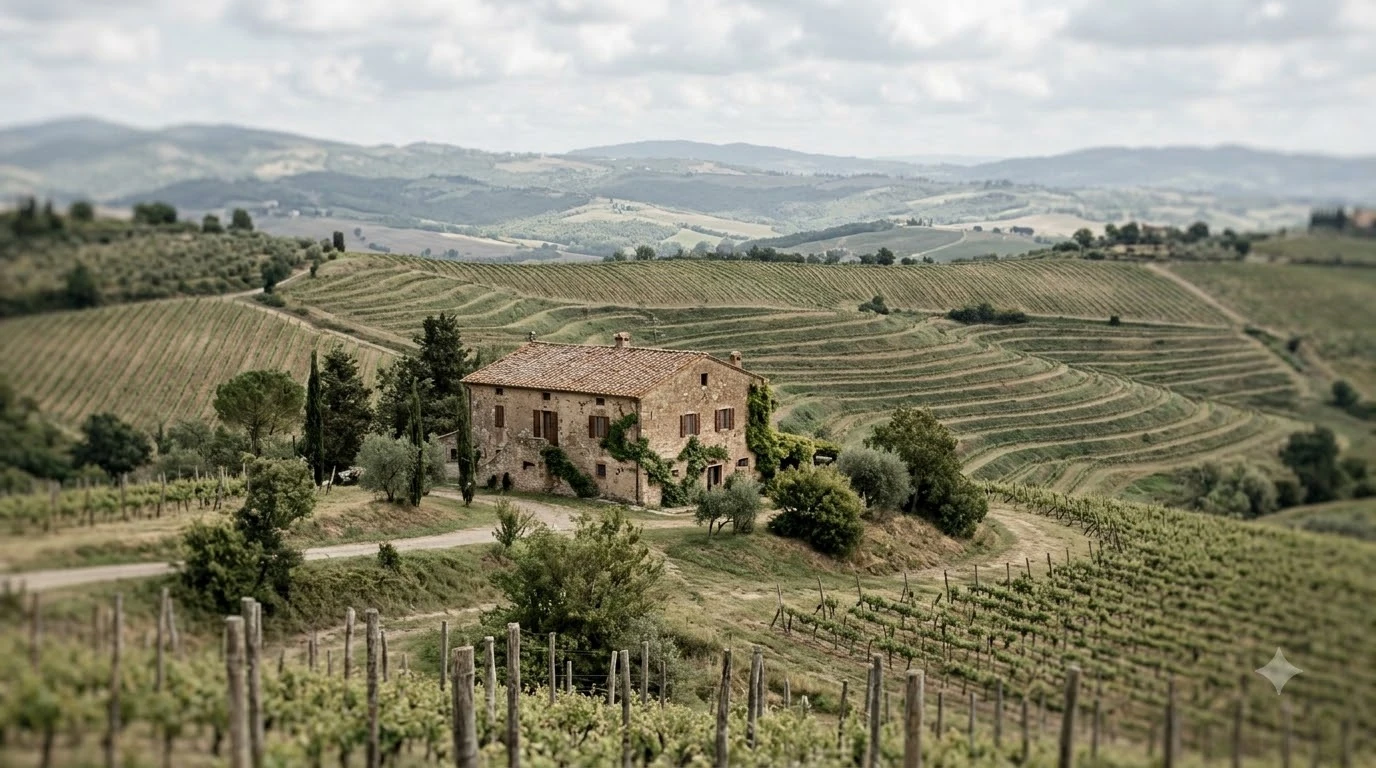
The salta wine region in northwestern Argentina is famous for its exceptionally high-altitude vineyards, aromatic Torrontés whites, and concentrated Malbec, Cabernet Sauvignon, and Tannat reds. Centered on the Calchaquí Valleys and the celebrated wine town of Cafayate, this region combines intense sunshine, dry desert conditions, sandy soils, and dramatic day-to-night temperature changes. Its vineyards reach elevations above 3,000 meters, producing distinctive wines with expressive aromas, concentrated fruit, and refreshing freshness.
Argentina’s wine reputation often begins with Mendoza, but Salta offers a different perspective on the country’s winemaking. Here, the Andes influence nearly every aspect of viticulture, from grape selection and vineyard placement to ripening conditions and the structure of the finished wine. Whether you enjoy floral white wines, powerful reds, or discovering lesser-known wine destinations, understanding Salta provides an introduction to one of South America’s most distinctive wine-growing landscapes.
Where the Salta Wine Region Is Located
Salta occupies Argentina’s northwestern corner, where vineyards follow the dramatic landscapes of the Calchaquí Valleys. Cafayate is the region’s best-known wine center, although wine production also extends into other valleys and higher-elevation communities.

The province of Salta is part of Argentina’s Northern wine region, a broader geographical area that includes Catamarca, Tucumán, and Jujuy. The Calchaquí Valleys cross several of these provincial boundaries, forming an approximately 270-kilometer network of mountain valleys. The geography creates a series of distinct growing environments rather than one uniform vineyard landscape.
Cafayate is the principal destination for understanding Salta’s wine industry. The town sits within the southern part of the Calchaquí Valleys and serves as a convenient base for visiting vineyards, tasting rooms, restaurants, and historic wine estates. According to Wines of Argentina, Cafayate accounts for approximately 60% of the vineyards in the wider Calchaquí Valleys, making it the region’s most important production center.
Other significant wine-growing locations include San Carlos, Molinos, Cachi, and Payogasta. These communities offer different combinations of altitude, temperature, exposure, and soil conditions. Some vineyards occupy relatively accessible valley floors, while others are established on remote mountain slopes where growing grapes requires careful management of water, access, and harvest logistics.
Salta’s position also distinguishes it from Argentina’s more familiar wine destinations. Mendoza lies farther south, while Salta is closer to Bolivia and Chile. The region’s mountain environment and subtropical latitude create a particularly interesting combination of abundant sunshine and high-elevation growing conditions.
For readers comparing less familiar wine-producing areas, the Wine Regions directory provides a useful starting point for understanding how geography influences wine styles around the world. Salta is particularly interesting because altitude plays such a central role in its identity.
High Altitude, Desert Climate, and Vineyard Terroir
Salta’s defining characteristic is elevation. Its vineyards occupy some of the highest commercial wine-growing sites in Argentina, with the wider region extending from approximately 1,530 meters to 3,111 meters above sea level.
High altitude changes the growing environment in several ways. Although the region receives strong sunlight during the day, temperatures can fall considerably after sunset. This substantial difference between daytime and nighttime temperatures, known as diurnal temperature variation, helps grapes develop ripe flavors while retaining freshness.
Sunlight is another important influence. At high elevations, atmospheric conditions expose vineyards to intense solar radiation. Grapes respond to these conditions through changes in their skins and other protective compounds. In red varieties, this can contribute to deep color and substantial phenolic concentration. The results are particularly noticeable in some Malbec and Tannat wines, which can have considerable structure and intensity.
The climate is generally dry and arid, with relatively limited rainfall. According to Wines of Argentina’s Cafayate regional profile, the area receives approximately 186 millimeters of rain annually. The same profile gives an average annual temperature of approximately 16.2 degrees Celsius, illustrating how elevation moderates the conditions at this latitude.
Water management is therefore essential. Many vineyards depend on controlled irrigation rather than regular rainfall to support healthy grape development. Mountain water sources and established irrigation systems help sustain agriculture in an environment that would otherwise be challenging for commercial grape production.
Soils also contribute to the region’s character. Around Cafayate, sandy-loam soils contain coarse grains, fine sand, gravel, and rounded stones. These materials provide drainage and influence how water is distributed around the roots. Individual vineyard sites can differ considerably, especially as elevations and geological conditions change across the valleys.
The combination of dry conditions, intense sunlight, and cooler nights can produce grapes with concentrated flavors and relatively firm structural components. However, altitude does not automatically guarantee superior wine. Vineyard exposure, harvest timing, grape variety, irrigation, and cellar decisions remain important factors in determining quality.
The same principle applies to other mountain-influenced wine destinations. The Savoie wine region in France provides an interesting comparison because elevation, mountain geography, and local growing conditions also influence the wines, although its climate and grape varieties are different.
The Main Grape Varieties Grown in Salta
Salta is best known for Torrontés, but its red wines have become equally important to its international reputation. Malbec, Cabernet Sauvignon, and Tannat are particularly significant, alongside Merlot, Syrah, and several international white varieties.
Torrontés: Argentina’s Aromatic White Signature
Torrontés is the grape most closely associated with Salta. The variety is famous for an expressive aromatic profile that can suggest jasmine, rose petals, orange blossom, citrus, peach, and tropical fruit. Cafayate is particularly recognized for producing aromatic examples that combine floral intensity with refreshing acidity.
One important distinction is that aromatic intensity does not mean sweetness. Many Salta Torrontés wines are fermented to dryness. Their floral aromas can initially suggest a sweet wine, but the palate is often crisp, dry, and refreshing. This contrast makes Torrontés especially appealing to drinkers who enjoy expressive white wines without substantial residual sugar.
Well-made examples can also show a mineral impression and a clean finish. Winemaking decisions matter: fermentation temperature, yeast selection, harvest timing, and contact with grape skins can influence the final aromatic profile and texture.
Malbec: Concentrated Red Wine
Malbec is the leading red variety in Salta and benefits from the region’s intense sunshine and substantial elevation. Depending on the vineyard and winemaking style, Salta Malbec can display blackberry, black cherry, plum, violet, and spice aromas.
Its tannins can be noticeable, particularly in concentrated examples. Some wines have a broad, powerful palate, while more restrained versions emphasize freshness, aromatic lift, and balance. Compared with many softer, fruit-driven examples from warmer growing locations, certain high-altitude Salta Malbecs offer a particularly structured profile.
Cabernet Sauvignon and Tannat
Cabernet Sauvignon is another important red grape. Its wines commonly feature blackcurrant, dark cherry, herbal notes, and firm tannins. The variety can produce structured wines that respond well to food with sufficient protein and fat.
Tannat is especially interesting because of its naturally substantial tannin structure and deep color. In Salta, the variety can develop concentrated fruit while retaining useful acidity. It is often associated with blackberry, dark plum, spice, and sometimes earthy or herbal characteristics.
Other varieties include Merlot, Syrah, Cabernet Franc, Chardonnay, and Sauvignon Blanc. These grapes contribute additional styles and blending possibilities, giving the region more diversity than its traditional Torrontés identity might suggest.
| Grape | Wine type | Typical structure | Common flavor profile |
|---|---|---|---|
| Torrontés | White | High aromatic intensity, refreshing acidity | Jasmine, rose, citrus, peach |
| Malbec | Red | Medium to high tannin | Blackberry, plum, violet, spice |
| Cabernet Sauvignon | Red | High tannin | Blackcurrant, dark cherry, herbs |
| Tannat | Red | High tannin | Black fruit, spice, earthy notes |
| Merlot | Red | Medium, softer tannins | Plum, cherry, chocolate |
| Syrah | Red | Medium-plus to high tannin | Blackberry, pepper, savory spice |
| Chardonnay | White | Medium acidity | Apple, citrus, stone fruit |
| Sauvignon Blanc | White | High acidity | Citrus, herbs, green fruit |
These profiles describe general grape characteristics rather than guaranteed regional tasting notes. The altitude, vineyard location, harvest decisions, fermentation, and maturation methods can produce meaningful differences between wines made from the same variety.
What Salta Wines Taste Like
Salta wines are often characterized by concentrated fruit, expressive aromas, and a balance between ripeness and freshness. The most recognizable contrast is between floral, refreshing Torrontés and structured, fruit-rich red wines made from Malbec, Cabernet Sauvignon, and Tannat.
Torrontés is usually the easiest introduction. Its aromatic character can be immediately recognizable, with floral notes appearing before citrus and stone fruit. The palate is generally dry in style, with acidity that helps keep the wine refreshing rather than heavy.
Some Torrontés wines emphasize bright citrus and delicate flowers, while others have more pronounced tropical fruit. Fermentation and storage choices also affect the texture. Wines intended for early drinking often emphasize fresh aromatics rather than oak-derived flavors.
Salta Malbec takes a different direction. Its fruit profile can be intense, with blackberry, plum, dark cherry, and violet. Tannins contribute structure, while acidity helps prevent concentrated fruit from becoming excessively heavy. Oak-aged examples may introduce vanilla, toast, baking spices, and additional texture.
Cabernet Sauvignon generally has firmer tannins and a more recognizable blackcurrant and herbal character. Tannat can be even more substantial in its tannin expression, especially when produced from concentrated grapes and matured using techniques that preserve its structure.
According to Wines of Argentina’s regional discussion, intense solar radiation and dry conditions contribute to the distinctive growing conditions associated with the region. The strongest wines combine concentration with sufficient freshness rather than relying on intensity alone.
Alcohol levels can vary. Warm growing conditions and ripe fruit can produce relatively full-bodied wines, but altitude and harvest decisions help determine the final balance. A bottle’s alcohol percentage is therefore useful information when comparing different styles.
Salta also offers differences between vineyard locations. Cafayate is the best-known center, but higher and more northerly sites can produce wines with different ripening patterns and aromatic characteristics. A Malbec from Cafayate should not automatically be expected to taste identical to one from a higher vineyard near Molinos or Cachi.
Tip: Start with a dry Cafayate Torrontés if you want to understand Salta’s signature white wine. Then compare it with a Malbec or Tannat from the same broad area. Tasting these styles side by side provides a useful introduction to how elevation, grape variety, and tannin influence the finished wine.
Food Pairings for Salta Torrontés, Malbec, and Tannat
Salta wines work particularly well with food that reflects the flavors of northern Argentina. Grilled meats, empanadas, corn-based dishes, roasted vegetables, and herb-seasoned preparations provide natural partners for the region’s aromatic whites and concentrated reds.
Torrontés and Fresh, Flavorful Dishes
Dry Torrontés pairs naturally with seafood, grilled shrimp, ceviche, white fish, and dishes featuring fresh herbs. Its high aromatic intensity and refreshing acidity complement citrus, coriander, parsley, and other bright ingredients.
It is also an excellent choice for empanadas filled with chicken, vegetables, or mildly seasoned beef. The wine’s freshness helps balance the pastry and filling without overwhelming the dish.
Spicy dishes require some consideration. Torrontés can work with moderately seasoned food, but wines with substantial alcohol may intensify chili heat. A slightly softer or fruitier white is often preferable when the dish contains significant hot pepper.
Malbec and Grilled Meat
Malbec is a natural match for grilled beef, especially Argentine-style steak cooked over charcoal or wood. Its dark fruit flavors and moderate-to-high tannin structure complement the savory flavors produced by grilling.
Fat and protein help soften the perception of tannin, making richer meat dishes particularly suitable. Try Salta Malbec with beef empanadas, grilled short ribs, lamb, or roasted mushrooms.
Herb-based sauces also work well. Chimichurri, with parsley, garlic, vinegar, and oil, adds acidity and freshness that can balance the wine’s concentration. Avoid making the sauce excessively hot if the wine has substantial alcohol.
Tannat and Richer Dishes
Tannat’s substantial tannins call for hearty food. Slow-cooked beef, grilled lamb, braised short ribs, and richly seasoned stews provide enough protein and texture to balance its structure.
Roasted vegetables, particularly eggplant, mushrooms, and onions, can also work well with Tannat. Their savory flavors complement the wine’s dark fruit and earthy notes.
For cheese, consider aged hard varieties with sufficient richness. Strongly tannic reds can taste harsh alongside delicate fresh cheeses, so choose more substantial options.
Serving Temperatures and Practical Pairing
Temperature can significantly affect how Salta wines taste. Torrontés generally benefits from a serving temperature around 45 to 50 degrees Fahrenheit. Light-bodied reds can be served around 55 to 60 degrees, while fuller-bodied Malbec and Tannat are usually more expressive around 60 to 65 degrees.
For an ordinary meal, a standard 5-ounce pour allows guests to compare the wines without filling the glass excessively. A 750-milliliter bottle provides approximately five such servings.
Once opened, still wines generally keep for approximately three to five days in the refrigerator when properly resealed. Allow fuller reds to warm slightly before serving if they have been refrigerated.
Notable Wineries and Wine Towns in Salta
Cafayate is the most practical starting point for wine exploration, with historic estates, modern wineries, tasting rooms, and restaurants concentrated around the town and surrounding vineyards. Further travel into Molinos and other high-elevation communities reveals additional expressions of the Calchaquí Valleys.
Cafayate and Its Historic Producers
Cafayate has developed a reputation for wine tourism as well as production. Its wineries range from established family estates to larger operations with modern facilities and extensive tasting programs.
El Esteco is one of the prominent names associated with the valley. Founded in 1892 by the Michel brothers, the winery is located at approximately 1,700 meters above sea level. Its vineyards include old Criolla and Torrontés vines, some more than 70 years old. The producer’s portfolio includes wines such as Altimus and Don David Reserva.
Finca Quara is another historic name worth knowing. San Pedro de Yacochuya is particularly associated with high-altitude Malbec and became internationally recognized through the collaboration between Arnaldo Etchart and Michel Rolland, established in 1988.
Domingo Molina is another producer associated with the area, with Torrontés and Tannat among the varieties worth exploring. Finca Las Nubes is also known for its high-altitude Torrontés and Cabernet Sauvignon.
Piattelli Vineyards Cafayate
Piattelli Vineyards Cafayate provides an example of a modern winery operating in this mountain environment. Located at approximately 1,700 meters above sea level, the estate was founded in 2013 and uses gravity-fed vinification techniques.
Its portfolio includes Torrontés, Malbec, Cabernet Sauvignon, and Tannat, alongside blends. The winery’s surroundings feature calcareous soils, limited natural irrigation, and strong solar exposure. These conditions contribute to the distinctive growing environment associated with high-altitude Cafayate.
Visitors can also find wine tourism experiences connected to the property. The official tourism listing describes vineyard activities, tastings, and accommodation options, making it an example of how wine production and hospitality intersect in the region.
Molinos and the Higher Vineyards
Wine enthusiasts interested in extreme elevations can extend their journey toward Molinos. The department is approximately 130 kilometers from Cafayate and contains vineyards at considerably higher elevations.
Colomé and Tacuil are two notable producers associated with this area. Their vineyards reach approximately 2,500 meters above sea level, creating growing conditions that differ from the lower Cafayate valley.
At these elevations, vineyard management can be especially demanding. Temperature differences, water availability, exposure, and difficult terrain all influence cultivation. The wines offer an opportunity to compare how different sites within one broad geographical region can produce different results.
Exploring several producers rather than visiting only one winery provides a more complete understanding of Salta. Comparing Torrontés from Cafayate with wines from higher sites, or tasting Malbec from multiple producers, can reveal meaningful differences in aroma, texture, and structure.
Planning a Visit and Choosing Salta Wines
A visit to Salta’s wine country combines vineyard experiences with mountain scenery, regional food, and cultural attractions. Cafayate is the most convenient base for a first visit, while travelers with additional time can explore the higher vineyards around Molinos and Cachi.
The journey from Salta city to Cafayate is approximately 189 kilometers and takes around three hours by road under normal driving conditions. The route passes through the spectacular Quebrada de las Conchas, where distinctive rock formations, ravines, and reddish mountain landscapes make the journey an attraction in its own right.
Visitors arriving by air generally use Martín Miguel de Güemes International Airport. From there, a rental vehicle, private transfer, or organized excursion can provide access to Cafayate. Renting a vehicle offers flexibility, although organized tours are useful for travelers planning several winery visits.
In Cafayate, wine tasting can be combined with visits to the town center, local craft markets, and regional restaurants. Traditional dishes include empanadas, tamales, humitas, goat stews, and preparations using quinoa and local produce.
Wine visits should be arranged in advance, particularly when a producer offers guided tastings or special cellar experiences. Some wineries have limited visiting schedules, and travel between distant estates can take longer than expected because of mountain roads.
How to Choose a Bottle of Salta Wine
For buyers in the United States, the easiest way to begin is by choosing a grape variety that matches the desired style.
- For aromatic white wine: Choose Torrontés from Cafayate. Expect floral aromas, citrus, and refreshing acidity.
- For a full-bodied red: Choose Malbec. Look for concentrated dark fruit, noticeable tannins, and a structured finish.
- For a firmer red: Choose Cabernet Sauvignon. Expect blackcurrant, herbal character, and substantial tannin.
- For a powerful red: Choose Tannat. Its pronounced tannins and dark fruit make it suitable for hearty meals.
- For something different: Explore blends or bottles from higher-elevation locations such as Molinos.
It is also useful to distinguish between the geographical names on wine labels. Salta identifies the broader province and wine-producing region. Cafayate points to one of its most important wine-growing areas, while Calchaquí Valleys can refer to the larger geographical wine-growing system crossing several provinces.
Vintage and winemaking style also matter. A young, fruit-forward Malbec may be very different from a barrel-aged example with more developed tannins and oak influence. Similarly, Torrontés is often best enjoyed for its fresh aromatic character rather than treated like a heavily structured, oak-aged white.
Buyers who enjoy comparing mountain-influenced wines may also appreciate the Switzerland wine region, where elevation and distinctive local geography shape a very different collection of wines. Another useful comparison is the Tasmania wine region, where cool-climate conditions create a contrasting expression of freshness and aromatic precision.
For additional regional context, the Wines of Argentina Northern region overview provides geographical information about the wider wine-producing area and its principal grape varieties.
Salta rewards buyers who look beyond a single famous grape. Its Torrontés, Malbec, Cabernet Sauvignon, and Tannat provide several distinct ways to experience Argentina’s high-altitude vineyards.
Frequently Asked Questions
Is Salta the highest wine-producing region in Argentina?
Salta contains some of Argentina’s highest commercial vineyards, with sites reaching approximately 3,111 meters above sea level. However, the wider Northern wine region also includes exceptionally high vineyards in neighboring Jujuy. The highest vineyard claims therefore depend on whether the comparison concerns Salta province or northern Argentina as a whole.
Is Torrontés related to Muscat?
Torrontés Riojano has a distinctive aromatic profile that can remind drinkers of Muscat because both varieties can produce intensely floral wines. However, Torrontés is a separate grape variety. Its recognizable combination of floral perfume and often dry, refreshing acidity gives it an identity of its own.
Is Salta wine produced organically?
Organic production is not a universal characteristic of Salta wines. The region’s dry climate and relatively limited rainfall can create conditions that appeal to producers interested in reducing certain vineyard disease pressures. However, organic certification depends on individual vineyard management and compliance with the relevant certification requirements.
What is the historical significance of wine production in Cafayate?
Wine production in the Calchaquí Valleys developed over several centuries, with the regional tradition dating back to the eighteenth century. Cafayate became an important center of the province’s modern wine industry during the twentieth century. Historic estates and wine museums help preserve this agricultural heritage.
Does Salta produce sparkling wine?
Salta is primarily recognized for its still Torrontés and red wines rather than sparkling wine. Nevertheless, Argentina’s winemaking industry produces sparkling wines in several regions, and individual producers can explore sparkling styles using different grapes and production methods. The most useful starting point for understanding Salta remains its aromatic whites and structured reds.
The Salta wine region offers a distinctive combination of extreme altitude, dry mountain conditions, expressive Torrontés, and concentrated red wines. Cafayate provides the ideal introduction, while higher vineyards around Molinos and Cachi reveal just how much variety exists within the Calchaquí Valleys. For anyone exploring Argentine wine beyond Mendoza, Salta is an essential region to discover.
More in Wine Regions
 Willcox Wine Trail: Discover Arizona’s High-Elevation Wine CountryUpdated Nov 20, 2026
 Yakima Valley Wine Region: Find the Best Styles to TryUpdated Nov 20, 2026
 Vosne Romanee Wine Tasting: Identify Aromas and Choose Better PairingsUpdated Nov 20, 2026
 Yakima Valley Wine Festival: Find the Best Seasonal Wine EventsUpdated Nov 20, 2026
 Wales Vineyards: Discover Cool-Climate Wines and Where to VisitUpdated Nov 20, 2026
 Yountville Wine Festival: Discover Napa Wines and Local FoodUpdated Nov 20, 2026