

We may earn a commission when you buy through links on this page, at no extra cost to you. Learn more.
If you are wondering is barbera full bodied, the short answer is that most bottlings sit comfortably in the medium to medium-full body range rather than true heavyweight territory. While Barbera pours a deep, opaque ruby-purple that looks like a massive Cabernet Sauvignon, its remarkably low tannin levels and bright, mouthwatering acidity keep it feeling sleek and lifted on the palate. That said, warm-climate examples from California and oak-aged Italian reserves can step into genuine full-bodied weight.
Drinkers often judge a red wine’s weight by its color in the glass, which is exactly why Barbera catches so many people off guard. In its native Piedmont in northwest Italy, locals treat it as an everyday table staple alongside Nebbiolo, yet its personality could not be more different. Understanding where Barbera falls on the body spectrum comes down to how winemakers manage vineyard yields, oak aging, and regional climate.
What Is Barbera and Why Does It Feel Lighter Than It Looks?
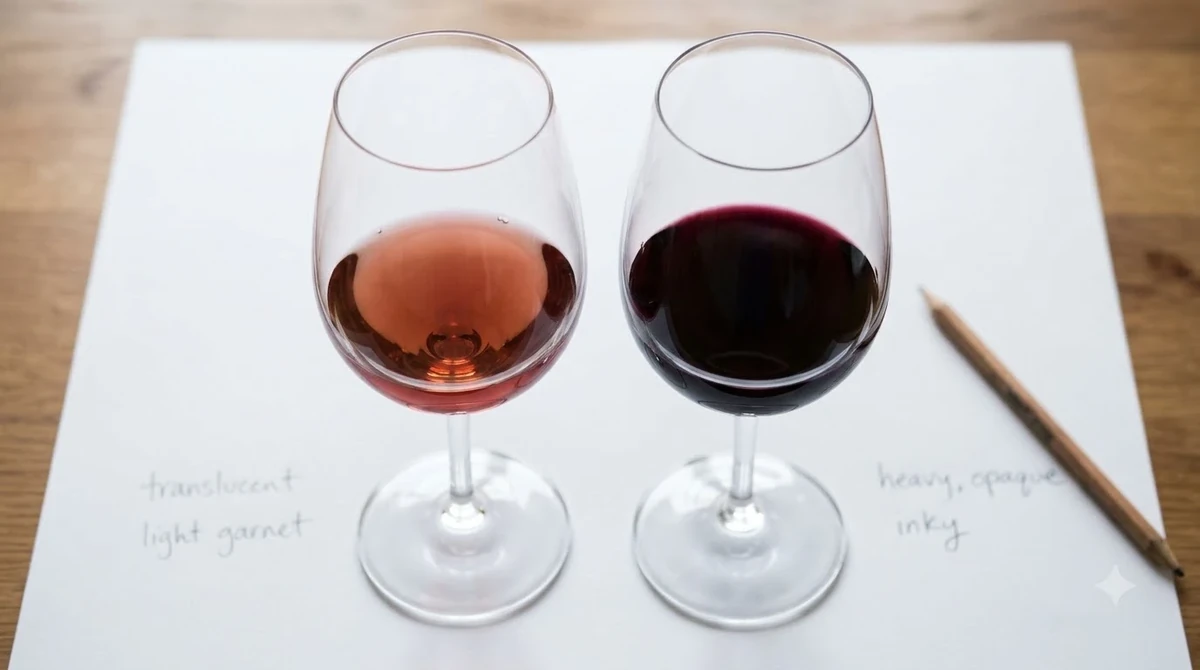
Barbera is an ancient black-skinned red wine grape native to Italy’s Piedmont region that creates a fascinating sensory illusion: it looks ink-dark in the glass but drinks with the smooth, juicy agility of a lighter red. This happens because the grape skins pack high levels of color pigment (anthocyanins) while containing very little natural astringent tannin.
In the wine world, perceived body comes from a combination of alcohol, dry extract, glycerol, and tannic grip. When you swirl a glass of Barbera, the deep purple core and staining legs trick your brain into expecting a heavy, mouth-coating experience similar to what you might find when asking is malbec full bodied. Instead, the first sip delivers a burst of tangy acidity and plush fruit without any chalky or drying grip on your gums.
According to Wine Folly’s comprehensive grape guide, typical Barbera carries an alcohol by volume (ABV) between 13.5% and 15%, placing its physical density right in the medium-full zone. However, because brisk acidity cleanses the palate immediately after each sip, the wine never feels sluggish or syrupy. Think of it as wearing a tailored silk suit rather than a heavy wool overcoat: substantial in presence, yet effortless to move in.
Flavor Profile and Oak Aging Styles
Barbera’s core flavor profile revolves around vibrant red and dark berries—specifically tart sour cherry, blackberry, and ripe plum—layered over dried herbs, licorice, and black pepper. Depending on whether the winemaker ages the wine in stainless steel, large neutral casks, or small toasted French oak barrels, the texture and body shift noticeably.
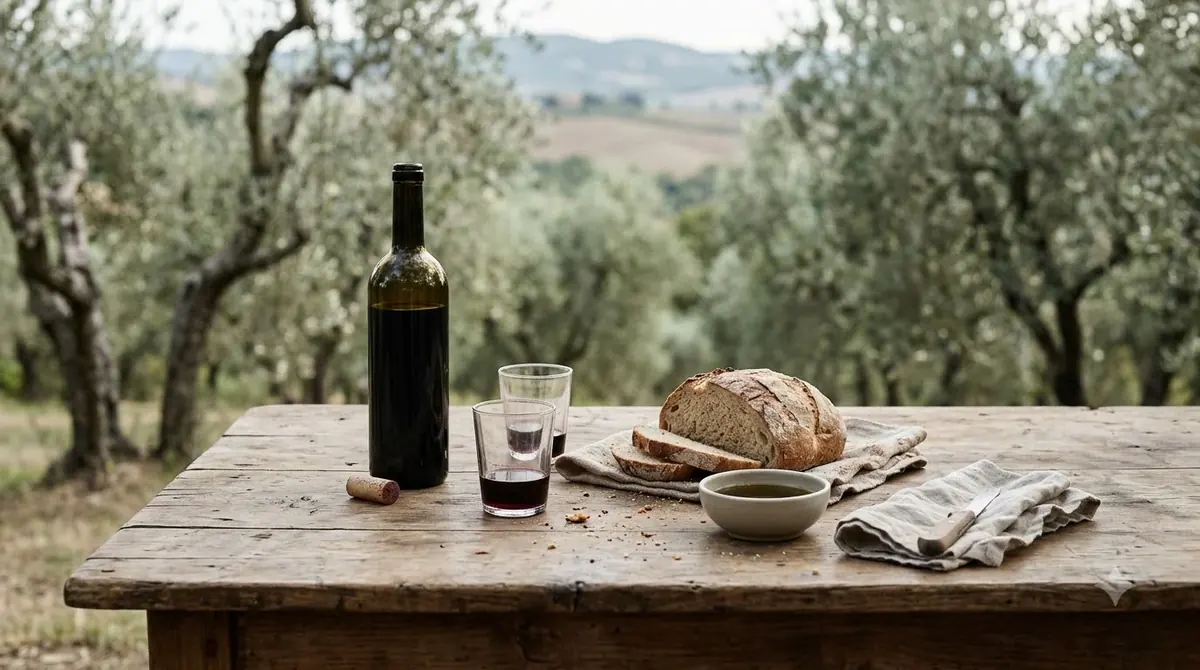
Unoaked and stainless-steel-fermented Barbera represents the grape at its zippiest and lightest. Without wood influence, the wine feels squarely medium-bodied, highlighting crunchy cranberry, wild strawberry, violet aromatics, and a zesty herbal snap. Winemakers in Italy have historically used large, neutral oak casks (known locally as botti) to soften the grape’s naturally high acidity without adding vanilla or toast flavors, preserving a pure, medium-bodied fruit expression.
Everything changes when producers age Barbera in small, toasted French barriques—a modern technique pioneered in Piedmont during the 1980s. Because Barbera lacks harsh natural skin tannins, it acts like a blank canvas for oak. Barrique aging introduces wood-derived tannins alongside notes of vanilla bean, toasted nutmeg, espresso, and dark cocoa, building a much broader mid-palate frame that pushes the wine into true medium-full or full-bodied territory.
| Barbera Style / Appellation | Body Weight | Primary Fruit & Oak Notes | Aging & Structure |
|---|---|---|---|
| Unoaked / Young Barbera | Medium | Sour cherry, raspberry, cranberry, violet | Stainless steel; crisp, high acid, minimal tannin |
| Barbera d’Asti DOCG | Medium to Medium-Full | Red cherry, plum, dried herbs, subtle spice | Minimum 4 months aging (6 months oak for Superiore) |
| Barbera d’Alba DOC | Medium-Full | Blackberry, black plum, licorice, dark chocolate | Denser clay soils; rounder, fleshier mid-palate |
| Nizza DOCG | Medium-Full to Full | Concentrated black cherry, tobacco, vanilla, cocoa | 100% Barbera; minimum 18 months aging (12 in wood) |
| California / New World Barbera | Full | Jammy blackberry, boysenberry, sweet vanilla, baking spice | Warm climate ripeness; higher alcohol and richer texture |
Where Barbera Grows and How Terroir Shapes Its Weight
While Piedmont remains the undisputed heartland of Barbera, the grape has also put down serious roots in California, Australia, and Argentina, with each region steering the wine’s body in a distinct direction. Soil composition and daytime temperatures play the biggest roles in determining whether a bottle drinks crisp and linear or plush and weighty.
Within Piedmont itself, two famous towns define the classic Italian divide. Barbera d’Asti DOCG sits on sand, marine silt, and lighter clay soils, yielding aromatic, high-toned wines with laser-focused acidity and a nimble medium body. Just to the southwest, Barbera d’Alba DOC grows on heavier calcareous clay and white marl—the same prized hills known for Barolo. Those denser clay soils produce naturally rounder, plumper, and more muscular Barbera that leans closer to the plush texture drinkers explore when comparing is merlot full bodied.
For the most structured, age-worthy Italian expression, look to Nizza DOCG, a sub-zone within Asti elevated to top appellation status in 2014. Nizza requires 100% Barbera and extended wood aging, resulting in dense, velvety reds that rival full-bodied wines in depth. Outside Italy, sun-drenched vineyards in California’s Sierra Foothills, Amador County, Lodi, and Santa Barbara ripen the grape to higher sugar levels, yielding bold, fruit-forward, full-bodied Barberas with plush blackberry fruit and generous oak spice.
How to Serve Barbera for the Best Texture
Serving Barbera slightly cooler than room temperature—ideally between 60°F and 64°F (15°C to 18°C)—is the single easiest way to keep its acidity crisp and its alcohol balanced. Because Barbera lacks heavy tannins to anchor its 13.5% to 15% ABV, serving it at a warm 70°F ambient room temperature can make the wine feel loose, hot, and overly jammy.
A quick 15 to 20 minutes in the refrigerator before pulling the cork brings the wine right into its sweet spot. At this cellar temperature, the bright cherry aromatics snap into focus and the mid-palate feels silky rather than heavy. If you are pouring a structured, oak-aged bottle like a Nizza DOCG or a Barbera d’Alba Superiore, giving it 30 minutes in a decanter helps blow off any initial reductive tightness and lets the savory spice notes open up.
Glassware also influences how you perceive Barbera’s body. A standard universal red wine glass or an aroma-collector bowl with a slightly tapered rim directs the wine toward the center of your tongue, balancing the electric acidity on the sides of your palate with the plush fruit core. Young, unoaked Barberas are best enjoyed within two to four years of vintage while their primary fruit is vibrant, whereas top barrique-aged bottles can evolve gracefully for five to ten years.
Tip: Never serve Barbera warm off a kitchen counter—a 15-minute chill in the fridge firms up its low-tannin structure and keeps the finish crisp.
Food Pairing: Why Sommeliers Love Barbera at the Table
Barbera is widely considered one of the most food-friendly red wines on the planet because its high acidity cuts straight through rich fats while its low tannins never clash with smoky, spicy, or tangy ingredients. Where heavily tannic wines can turn bitter alongside tomato sauce or charred meats, Barbera stays harmonious from the first bite to the last.
In Piedmont, locals pair Barbera with rich, slow-simmered dishes like tajarin pasta with meat ragù, wild mushroom risotto, braised beef, and aged hard cheeses. That same structural formula works wonders with classic American comfort food. Brick-oven pepperoni pizza, wood-fired burgers, barbecued pork ribs, and grilled sausages all benefit from Barbera’s palate-cleansing acidity, which resets your taste buds after every savory, fatty mouthful.
As Wine Enthusiast notes in its varietal overview, Barbera’s juicy red and blue fruit profile and subtle structure also make it remarkably adaptable with herbaceous dishes seasoned with sage, rosemary, anise, or black pepper. The only dishes to steer clear of are delicate poached white fish, which can taste metallic against the wine’s brisk acidity, and overly sweet glazes that make dry red wines seem sharp.
How to Choose the Right Bottle of Barbera
Buying a bottle of Barbera that matches your preferred body weight comes down to reading three clues on the front label: the region, the aging designation, and the alcohol percentage. Because winemakers produce Barbera across a wide stylistic spectrum, a quick label check tells you whether to expect a bright weeknight sipper or a rich dinner centerpiece.
If you want a lighter, zesty, medium-bodied red with vibrant red cherry fruit and snappy acidity, reach for a standard Barbera d’Asti DOCG or a Barbera del Monferrato with an ABV around 13% to 13.5%. Drinkers who gravitate toward the silky elegance explored in guides like is pinot noir full bodied often fall in love with these traditional, unoaked Asti bottlings.
If you prefer a fuller, richer red with dark berry concentration and velvety oak spice, look for the words “Superiore” or “Nizza DOCG” on Italian labels, or choose a California Barbera from Amador County or the Sierra Foothills. Checking the ABV is another reliable shortcut: bottles at 14.5% ABV or higher signal riper grapes, lower yields, and a noticeably fuller body, while browsing broader styles across Wine by Type can help you compare Barbera directly against other Italian reds.
Frequently Asked Questions
Is Barbera heavier or lighter than Cabernet Sauvignon?
Barbera is noticeably lighter in perceived weight and tannic grip than Cabernet Sauvignon. Even though both grapes produce deeply colored wines with similar alcohol levels, Cabernet Sauvignon packs thick, mouth-drying tannins that create a heavy structure, whereas Barbera’s low tannins and high acidity make it feel sleek and juicy.
Why does Barbera taste so acidic compared to other red wines?
Barbera naturally retains high levels of malic and tartaric acid even when the grapes reach full sugar ripeness in warm sunshine. Combined with very low skin tannins, that natural acidity stands front and center on the palate, giving the wine its signature mouthwatering snap.
Is Barbera a dry red wine?
Yes, almost all commercial Barbera from Italy, California, and Australia is fermented completely dry with zero residual sweetness. Its ripe cherry and blackberry flavors can create an impression of fruitiness, and a rare lightly sparkling style in northern Italy called Colli Piacentini can have a touch of softness, but standard Barbera is crisp and dry.
Can you age Barbera in a wine cellar?
Entry-level, unoaked Barbera is crafted for fresh fruit vibrancy and is best drunk within two to four years of the vintage date. However, low-yield, oak-aged bottlings such as Nizza DOCG and Barbera d’Alba Superiore have the acidity and wood structure to develop savory leather, tobacco, and dried cherry complexity over five to ten years.
Barbera proves that a red wine does not need heavy, mouth-coating tannins to deliver serious flavor and depth. Sitting right in that versatile medium to medium-full sweet spot, it bridges the gap between bright, food-friendly reds and rich, dark-fruited bottles, making it one of the smartest everyday pours you can keep on hand.
More in Wine Types & Grapes
 Zinfandel Sugar Content: Dry Red vs. White Zinfandel GramsUpdated Nov 21, 2026
 Best Zinfandel Substitute Options for Sipping and CookingUpdated Nov 21, 2026
 Zweigelt Food Pairing: Best Dishes, Cheeses, and Serving TipsUpdated Nov 21, 2026
 Zinfandel Tannins Explained: How Structure Shapes Every BottleUpdated Nov 21, 2026
 Zinfandel Sweetness Level: Dry Red vs. Sweet White Zin ExplainedUpdated Nov 21, 2026
 Xinomavro Food Pairing: Best Dishes, Styles, and Serving TipsUpdated Nov 21, 2026