

We may earn a commission when you buy through links on this page, at no extra cost to you. Learn more.
Alamos wine is a Malbec-focused label from Mendoza, Argentina, made by a winery that describes itself as a high-altitude specialist. The brand’s US site presents it as a refreshing style built around dark fruit, and it is marketed as an easy pairing for grilled and barbecued food. If you want to know what the bottle tastes like and how to serve it, the short answer is a fruit-forward, full-bodied red that suits a relaxed meal.
Shoppers often see Alamos on a shelf next to other Argentine reds and wonder whether it is a separate category or simply one more Malbec. This guide explains where the wine comes from, what the grape brings to the glass, how the brand presents its style, and how to serve and pair it.
Who makes Alamos and where it comes from
The brand’s US website describes Alamos as sitting in Mendoza, Argentina, where the vineyards lie “tucked beneath the Andes Mountains.” The company says it has “pioneered high altitude Argentinian winemaking” and refers to “120+ Years of Argentinian Winemaking” on its home page. The page does not give a specific altitude for the vineyards, so the most reliable statement is that the wines come from high-elevation sites in Mendoza.
The footer of the US site names Alamos USA as the distributor, based in Hayward, California. The page does not mention a parent company or a founding family, so readers who want that background will need the producer’s own history or a retailer’s brand page.
Why Malbec is the grape to know
Malbec is the center of the Alamos range, and the brand calls itself “the world’s most awarded Malbec” on its US site. That claim is promotional, but it points to what the house is known for. Malbec is a dark-skinned red grape that came to Argentina from France, and according to Wine Folly it is now the country’s most important grape, with the page noting that “40% of Argentina’s red grape vineyards are Malbec.”
In Mendoza, the Uco Valley and Luján de Cuyo are the areas Wine Folly names as consistently producing top-rated wines. The grape does best in sunny climates with cool nights and at higher elevations, which is why the altitude story in the brand’s marketing is more than decoration. Understanding that link helps explain why a Malbec from Mendoza often tastes riper and more concentrated than one grown at lower altitude.
What Alamos tastes like
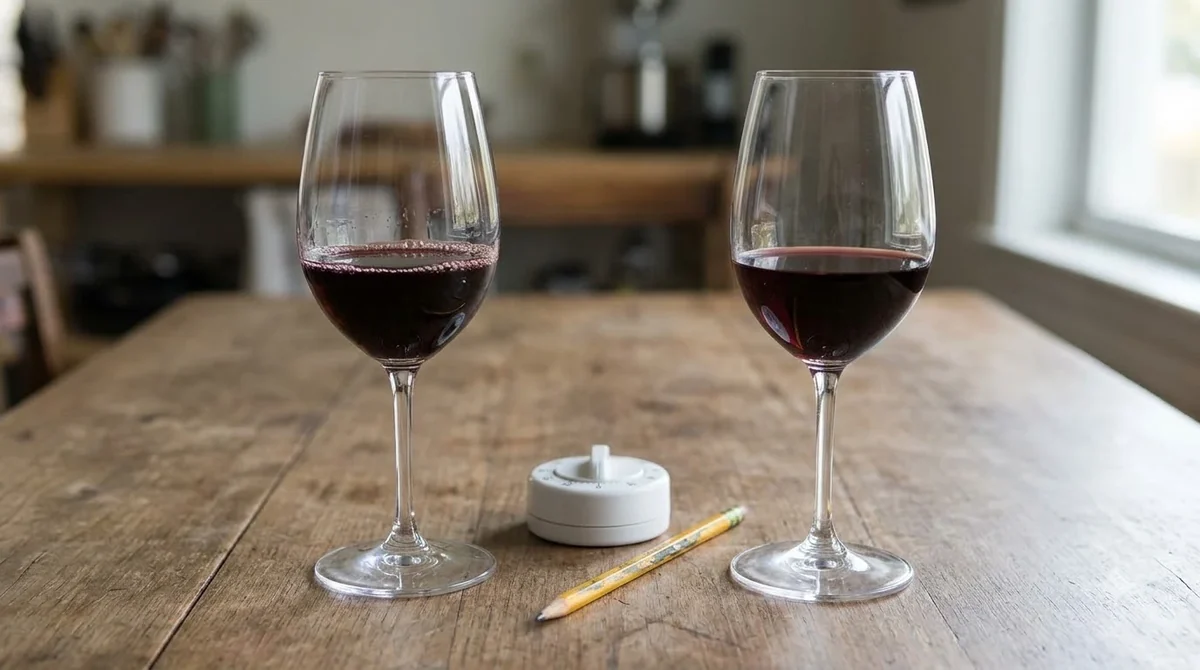
The brand describes the house style as a “refreshing profile of dark fruit,” which is a useful starting point. Wine Folly’s description of Malbec in general lists red plum, blackberry, vanilla, sweet tobacco, and cocoa as the primary flavors, and it says the wine is loved for “rich, dark fruit flavors and smooth, chocolatey finish.” Those notes are the ones most drinkers look for in an Argentine Malbec.
Malbec is typically dry and full-bodied, with medium tannins and medium-low acidity, and Wine Folly gives an alcohol range of 13.5 to 15 percent. The table below lists what the sources say about the style and what to check on the label when you pick a bottle.
| Feature | What the sources say | What to check |
|---|---|---|
| Origin | Mendoza, Argentina, high-altitude vineyards | Region printed on the back label |
| Grape | Malbec, the brand’s focus | Whether the bottle is labeled as a single-varietal Malbec |
| Flavor | Dark fruit, red plum, blackberry, cocoa | Tasting notes on the producer’s sheet |
| Body and tannin | Full-bodied, medium tannins | Vintage and alcohol level |
| Alcohol | 13.5 to 15 percent for Malbec in general | Alcohol statement on the label |
How to serve Alamos
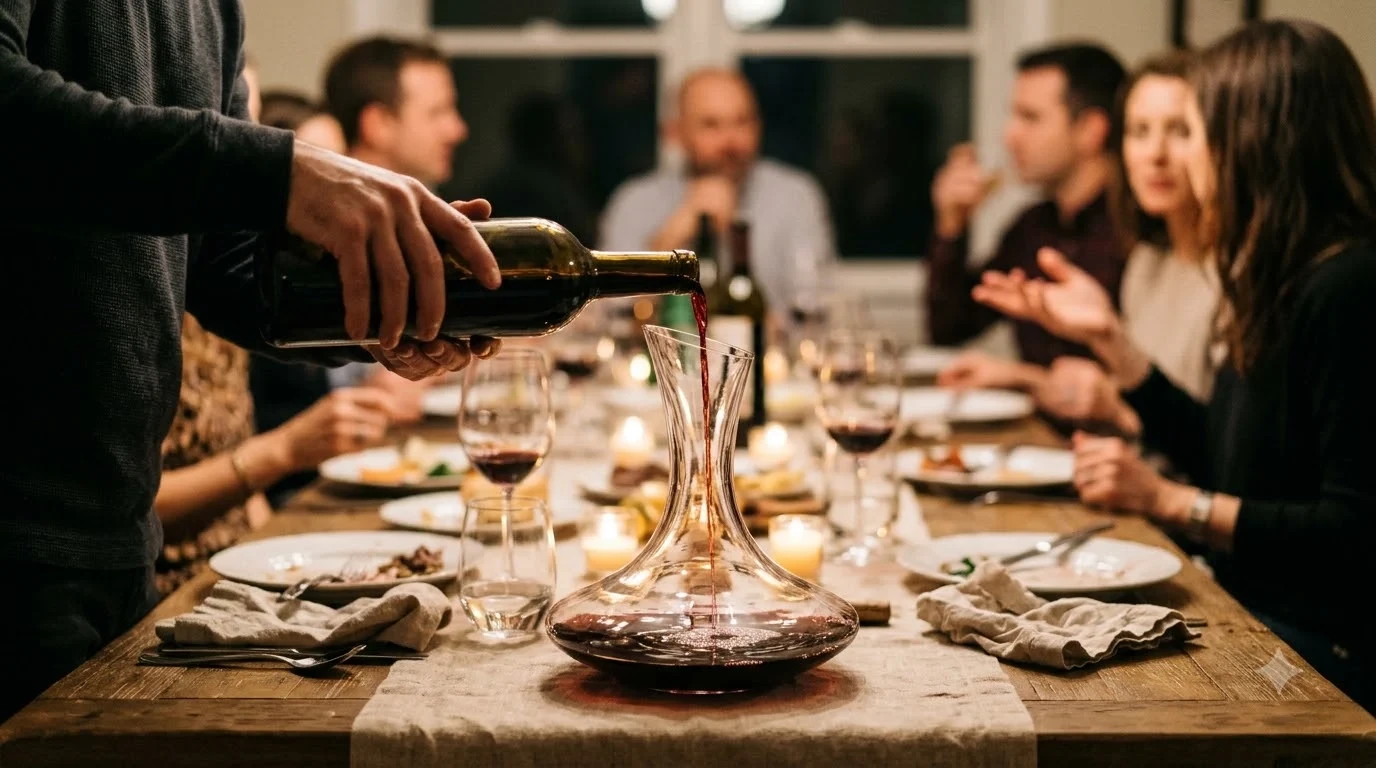
Wine Folly suggests serving Malbec at 60 to 68 °F (15 to 20 °C), which is cooler than many people expect for a red. Pour it into a universal glass, and let the bottle breathe for a while before drinking so the fruit has room to open. The same page recommends decanting for about 30 minutes, and that is a sensible step for a bolder bottle, though a younger wine can be enjoyed straight from the bottle.
Because the brand markets the wine as easy to share, there is no need for special equipment. A standard red glass and a short rest in a cool room are enough for most gatherings. Pour a measured glass rather than a full one, since the aromas are easier to notice when there is space in the glass.

Food pairings that suit a Mendoza Malbec
The brand’s own pitch is clear. Its US site calls Alamos “the perfect compliment to charred meats and BBQs,” and that is a dependable starting point. Grilled steak, lamb, and sausages are natural partners, since the wine’s dark fruit and soft tannins balance smoke and fat without overwhelming them.
Wine Folly points to leaner red meats and to strong cheeses. Its suggestion of a blue cheese burger shows how Malbec can handle rich, savory flavors. For a lighter meal, grilled vegetables with herbs or a hearty bean dish works well, and a cheese board with aged Gouda or a firm sheep’s milk cheese is an easy match.
How to choose a bottle of Alamos
When you shop, start with the label rather than the brand name. Check whether the bottle is a single-varietal Malbec and note the vintage, since a younger wine will taste fresher and fruitier while an older one will show more savory character. The alcohol statement gives you a clue to the body, and the region on the back label confirms that the wine comes from Mendoza.
It also helps to know what kind of bottle you want. For a casual dinner, a young, easy-drinking Malbec fits well. For a special meal, you may want to compare an Alamos bottle with a higher-tier wine from the same region, since the style changes with the vineyard and the winemaking.
Oak treatment is another clue. Wine Folly notes that affordable Malbec usually spends about four to six months in oak, while top bottles may be aged for 18 to 20 months. A bottle at the lighter end of that range is usually built for drinking soon after purchase, while a longer-aged bottle can reward a few years in a cool cellar. The same page says top bottles can be cellared for five to ten years, although most everyday bottles are meant to be opened sooner.
Frequently Asked Questions
Is Alamos wine always Malbec?
Malbec is the grape the brand emphasizes on its US website, and the page names only Malbec. Check the label of the specific bottle you are buying, since the range and grape names can vary by product.
Where is Alamos wine made?
The brand says the wines come from Mendoza, Argentina, in vineyards beneath the Andes. It describes its approach as high-altitude winemaking, which is why the region and elevation are central to its identity.
Is Alamos a dry or sweet wine?
Malbec in general is a dry, full-bodied red. The brand describes its house style as a refreshing profile of dark fruit, not a sweet wine, so expect a dry red with fruit-forward character.
What food goes best with Alamos?
The brand recommends it with charred meats and barbecue. Grilled steak, lamb, sausages, and aged cheeses are also strong matches for a Malbec with dark fruit and soft tannins.
Alamos is a Malbec from high-altitude Mendoza, built around dark fruit and made for relaxed, food-friendly drinking. Serve it slightly cool, give it a short rest before pouring, and pair it with grilled or hearty dishes. For more context on the grape, read the Wine Folly Malbec guide, and compare other producers in the Wine Brands section, such as pedernales wine when you want a different style of American red.
More in Wine Brands
 Underwood Wine Price: Compare Bottles, Cans, and Pack SizesUpdated Nov 21, 2026
 Zenato Wine Price: Compare Styles and Choose the Right BottleUpdated Nov 21, 2026
 Zuccardi Wine Price: Compare Bottles and Find the Right RangeUpdated Nov 21, 2026
 Yellow Tail Moscato Review: Taste, Sweetness and Serving TipsUpdated Nov 21, 2026
 Wolf Blass Yellow Label Review: Choose Your Best StyleUpdated Nov 21, 2026
 Wolffer Estate Rose Review: Choose the Right Bottle for Your TableUpdated Nov 21, 2026