

We may earn a commission when you buy through links on this page, at no extra cost to you. Learn more.
Dark Horse Chardonnay is a white from the Dark Horse winery, a brand that describes itself as a winemaker’s wine aimed at high-end quality at a price most buyers can afford. The producer says it uses techniques usually associated with more expensive bottles and works closely with local growers to secure first pick of their fruit. Like any Chardonnay, the final taste depends on the grape’s climate, the oak treatment, and the winemaking choices behind the bottle, so the label and the vintage are your best guides.
This page covers what the brand says about its approach, what a Chardonnay from this style of winery usually tastes like, and how to serve and pair it so you get the most from the glass.
What Dark Horse says about its wine
The Dark Horse official website presents the brand as a winemaker’s wine. The stated goal is to offer quality that people associate with higher-priced bottles, at a price that fits everyday drinking. The site says many customers mistake the wine for a bottle costing much more than it does, which is the kind of value claim that is easy to test at your own table.
Two details from the brand’s description matter for buyers. First, the winery says it works closely with local growers and gets the first pick of their grapes. That sourcing claim is the brand’s own description and is worth keeping in mind when you compare bottles. Second, the site describes the wine as made with winemaking techniques that are usually reserved for pricier wines. The producer does not spell out every technique on the homepage, so it is fair to read those claims as the brand’s own description and check tasting notes on the bottle or in the winery’s current product pages.
The homepage also shows a “Cab-Chard” image and links to a page called “Our Winning Wines,” which suggests the brand sells a range rather than a single bottle. If you are shopping for the Chardonnay specifically, read the label for the grape and vintage rather than assuming the same blend or style appears in every release.
Chardonnay styles you are likely to find
Chardonnay is one of the most adaptable white grapes, and that range shows up on store shelves. Wine Folly describes the unoaked style as lean and crisp, with aromas of green apple, pear, and citrus, sometimes with chalky or mineral notes. The oaked style is fuller and creamier, with peach, mango, and lemon fruit and flavors of vanilla and butter. Both styles often share apple or citrus notes, and older bottles may show hazelnut, honey, and toasted nuts.
A mid-priced Chardonnay from a brand focused on value often sits in the middle of that range. Expect fruit to be the lead, with some oak character for body, rather than the extremes. If the label mentions barrel aging, partial oak, or malolactic fermentation, you can expect a rounder and more buttery glass. If the label emphasizes freshness or a cool-climate origin, expect a brighter wine with more acidity.
Where Chardonnay grows and how climate shapes the glass
The grape originated in Burgundy in east-central France, and according to the Chardonnay entry on Wikipedia it is now the second-most widely planted white wine grape. It grows in cool regions such as Chablis, Oregon’s Willamette Valley, California’s Carneros area, and New Zealand’s Waitaki Valley, where it tends to stay lean and high in acidity. Warmer places such as Australia’s Adelaide Hills, Mornington Peninsula, and New Zealand’s Marlborough push the fruit toward citrus, peach, and melon.
Climate is one of the most useful clues on the label. A cooler-climate Chardonnay usually shows green apple, pear, and a saline or chalky edge. A warmer-climate bottle is more likely to show ripe stone fruit and a softer texture. Many blends sold at a moderate price combine fruit from more than one area, which can produce a balanced glass that is easy to drink on its own.
How to serve Dark Horse Chardonnay
Serve Chardonnay chilled, but not ice cold. Wine Folly suggests around 45 degrees Fahrenheit for leaner styles and about 55 degrees for oaked wines. A bottle that has been in the fridge for a few hours is usually close to the right temperature for a fruit-forward Chardonnay with some oak. If the wine has been sitting in a warm room, a short time in the refrigerator will bring the fresh fruit back forward.
Pour into a medium white wine glass, fill it to about a third so the aromas collect, and let the wine warm a little as you drink it. Chardonnay tends to taste flatter when it gets too cold, so avoid leaving it in the freezer to speed up chilling.
Food pairings that suit a Chardonnay like this
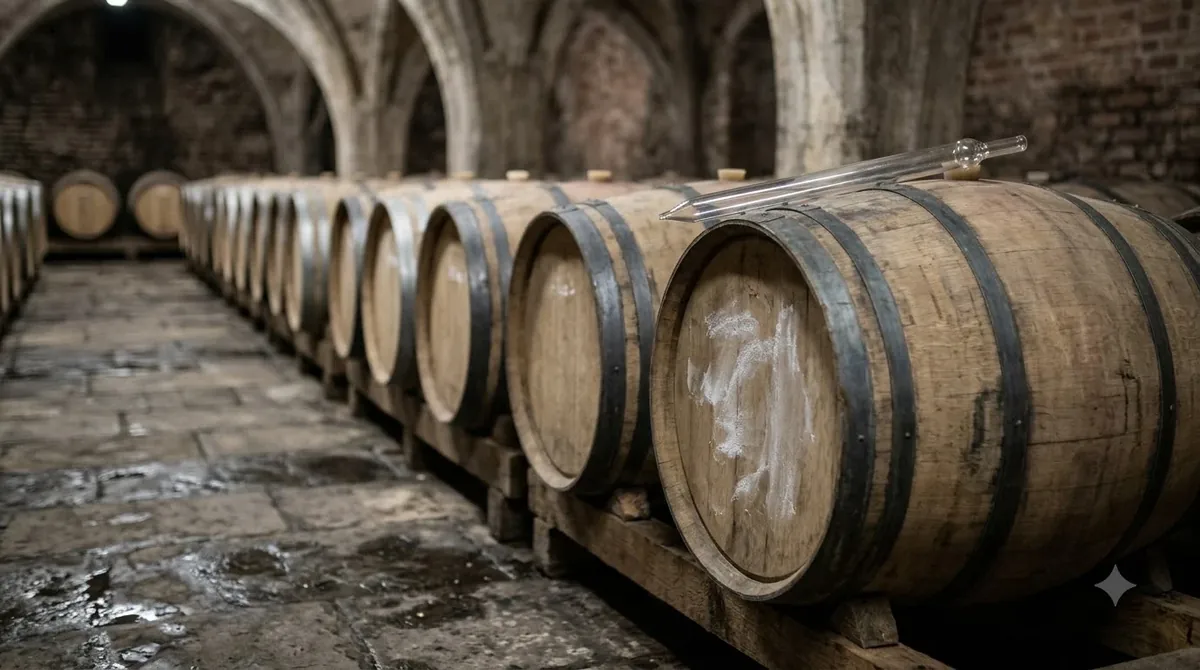
For a Chardonnay with balanced fruit and a touch of oak, choose food that has similar weight. Chicken with lemon, roasted salmon, shrimp in garlic butter, and creamy pasta with vegetables all work well. The fruit complements sweet and savory flavors, while the acidity keeps rich sauces from feeling heavy.
Lean, crisper styles suit shellfish, oysters, sushi, and vegetable risotto. Oaked styles stand up to crab cakes, linguini with clams, halibut, and pork tenderloin with apples. For vegetarian meals, corn, squash, pumpkin, and mushrooms pick up the wine’s buttery notes. When in doubt, match the richness of the dish to the richness of the wine and let acidity do the rest.
Who this Chardonnay suits
A value-focused Chardonnay works well for guests who like white wine but do not want a very sharp or very oaky glass. It is a good choice for a dinner party, a casual lunch, or a weeknight meal where you want a crowd-pleasing white. People who enjoy Chablis-style minerality may find the richer fruit more approachable, while fans of big oaked Chardonnay may want to try a bottle with more barrel aging.
If you already know which Chardonnay style you prefer, use that as your filter. Compare the label, the region, and the oak treatment, then buy the bottle that matches your taste. You can also look at other wines from the same brand, such as the Dark Horse Cabernet guide on this site, to see whether the house style carries across varieties.
Frequently Asked Questions
Is Dark Horse Chardonnay a dry wine?
Most Chardonnays sold as table wine are dry, meaning the sugar has fermented out. Check the back label or the producer’s product page for the exact sweetness level, since the style can vary between releases.
Does Dark Horse Chardonnay taste oaked?
It depends on the release. Oaked Chardonnays show vanilla, butter, and spice, while unoaked ones are crisp with green apple and citrus. Read the label for oak or barrel aging before you buy.
How should I store an open bottle of Chardonnay?
Recork the bottle and keep it in the refrigerator. Drink it within a few days for the freshest fruit, since a cold, sealed bottle keeps its character better than one left open on the counter.
What should I serve with Dark Horse Chardonnay?
Chicken, salmon, shellfish, and creamy pasta all work. Match richer dishes with richer wines, and use the wine’s acidity to balance heavier sauces.
Dark Horse Chardonnay is easiest to enjoy when you know the style on the label, serve it at a suitable temperature, and pair it with food of similar weight. To compare more wine brands, visit the Wine Brands section and read the guides for the bottles you are considering.
More in Wine Brands
 Underwood Wine Price: Compare Bottles, Cans, and Pack SizesUpdated Nov 21, 2026
 Zenato Wine Price: Compare Styles and Choose the Right BottleUpdated Nov 21, 2026
 Zuccardi Wine Price: Compare Bottles and Find the Right RangeUpdated Nov 21, 2026
 Yellow Tail Moscato Review: Taste, Sweetness and Serving TipsUpdated Nov 21, 2026
 Wolf Blass Yellow Label Review: Choose Your Best StyleUpdated Nov 21, 2026
 Wolffer Estate Rose Review: Choose the Right Bottle for Your TableUpdated Nov 21, 2026