

We may earn a commission when you buy through links on this page, at no extra cost to you. Learn more.
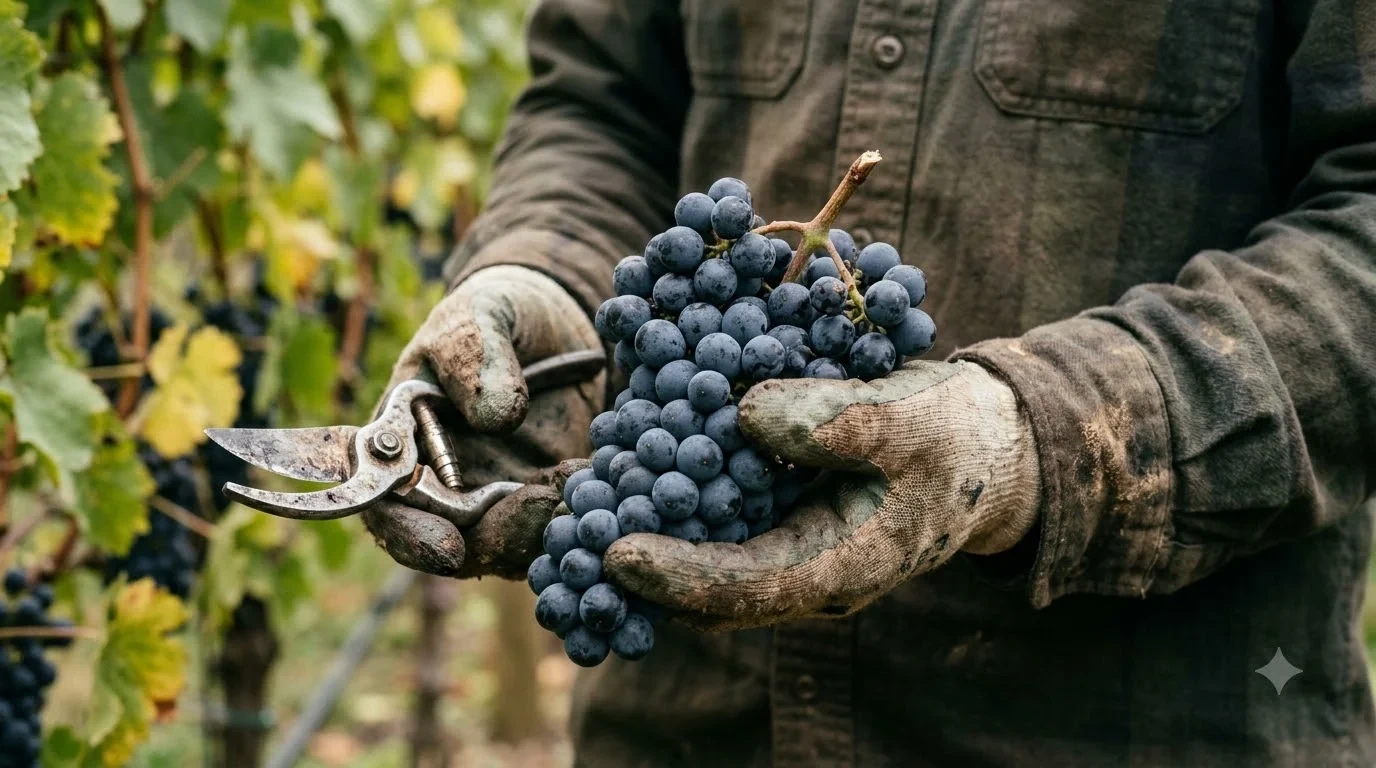
What is corvina? It is a dark red Italian grape grown mainly in Veneto, in the northeast of the country. Corvina is the backbone of Valpolicella, and it plays a central role in Amarone and Ripasso as well. Fresh-grape wines from Corvina are light and high in acidity, with tart cherry and herbal notes, while wines made from partially dried grapes are full, rich and tannic.
Corvina is one of those grapes that most wine drinkers have tasted without realizing it. It appears in a range of wines from the Veneto, from light, easy reds to some of Italy’s most powerful and concentrated bottles. This guide explains where corvina grows, how its character changes with winemaking, the main wines made from it and how to serve and pair them. If you have seen the name on a label from northern Italy, the sections below will help you know what to expect in the glass.
Where corvina grows
Corvina is grown almost entirely in Veneto, a region in northeast Italy. Wine Folly reports worldwide plantings of roughly 15,400 acres based on 2016 data, with small amounts found in Argentina, Chile and Canada. That concentration matters because the grape is closely tied to a single corner of Italian wine. Most of the wines people know come from the hills around Verona, where Valpolicella and its related wines are produced.
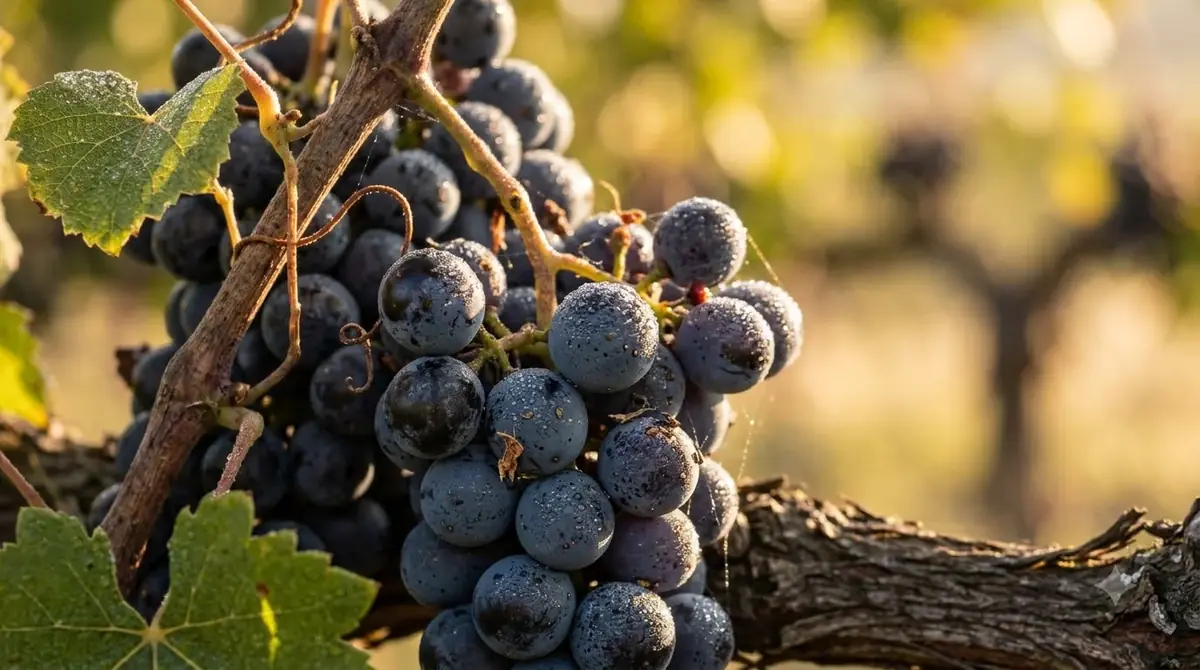
The grape is dark-skinned, and it is usually blended with other local varieties rather than bottled alone. Its role is to provide the bright acidity, cherry fruit and fresh structure that define the Valpolicella style. When you see a bottle labeled from the Valpolicella zone, Corvina is very likely to be a leading ingredient in the blend.
For a clear description of the grape, the Wine Folly guide to corvina covers its origins, flavor and the wines made from dried grapes, and it is a good reference if you want to go deeper.
The flavors of fresh-grape corvina
Wines made from fresh Corvina grapes are light and bright. Their core flavors are tart cherry and plum, often with herbal notes and a hint of almond. Some bottles also show a touch of white pepper, which adds a savory lift to the finish. The acidity is high, which makes the wines feel crisp and refreshing even when they are served with food.
Fresh Corvina wines have low tannin and lighter color, so they are easy to drink without much tannic grip. Wine Folly compares the Valpolicella style to Beaujolais, which is a useful reference point if you enjoy light, fruit-forward reds. The wines are dry, and their lightness makes them a practical choice for everyday meals rather than special occasions.
How dried grapes change corvina
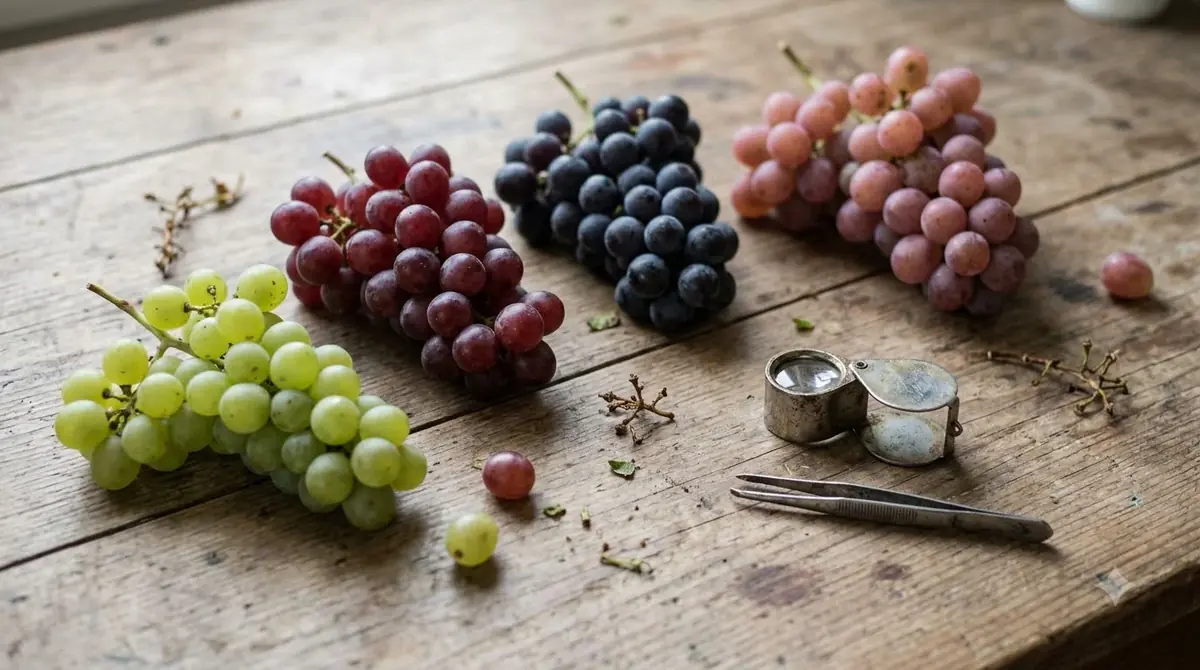
Some of the most famous wines from Corvina are made from grapes that have been partially dried before fermentation. This method, called appassimento, concentrates the sugars, flavors and tannins in the grapes. The result is a very different wine from the fresh-grape style, with more body, more alcohol and a deeper flavor profile.
Amarone della Valpolicella is the best-known example. It is made from partially dried grapes, is full-bodied and rich, and usually reaches alcohol levels of about 15 to 16 percent. The wine is highly tannic and has a hint of sweetness on the finish. Wine Folly lists flavors of spice, chocolate, dried cherry or cranberry, and aged notes of leather and earth. These flavors develop as the wine ages, which is why many Amarone bottles reward patience.
| Wine style | How the grapes are handled | Body and tannin | Main flavors |
|---|---|---|---|
| Valpolicella | Fresh grapes | Light, low tannin | Tart cherry, plum, herbs |
| Ripasso | Valpolicella refreshed with Amarone skins | Medium, more grip | Cherry with added spice and depth |
| Amarone della Valpolicella | Partially dried grapes | Full, highly tannic | Dried cherry, chocolate, leather |
| Recioto della Valpolicella | Partially dried grapes | Full, sweet | Amarone-like fruit with intense sweetness |
Ripasso and recioto: the in-between and sweet styles
Ripasso sits between the fresh Valpolicella and the powerful Amarone. Winemakers pass Valpolicella over the leftover skins from Amarone production, which adds flavor, color and tannin. The process gives the wine more body and a richer finish while keeping some of the brightness of the base wine. Ripasso is often a good choice for drinkers who want more intensity than a basic Valpolicella without the full weight of Amarone.
Recioto della Valpolicella is the sweet version. It is made from partially dried grapes and has many of the flavors of Amarone, but with a clear sweetness that sets it apart. It is a dessert-style red, and its intensity makes it an unusual but rewarding bottle for people who enjoy dark fruit and spice.
How to serve corvina wines
Serving temperature depends on the style. Lighter fresh-grape Valpolicella tastes best slightly cool, so it shows its cherry fruit and acidity. Fuller wines such as Amarone are usually served a little warmer, which lets the aromas open and the tannins soften. Use a large red wine glass so the aromas have room to develop, and decant a powerful Amarone if it is young, since a short rest in the decanter can help it show more clearly.
Because the dried-grape wines are rich and alcohol-heavy, a small pour is often enough. A bottle of Amarone can last well after opening if it is recorked and kept cool, but the fresher Valpolicella styles are best enjoyed within a day or two. Store all of these wines away from heat and light, and let them rest in a cool place until you are ready to open them.
Food pairings that suit corvina
Fresh-grape Valpolicella suits everyday Italian food. Pizza, antipasti, cured meats and tomato-based pasta are natural partners, because the wine’s acidity keeps pace with tomato and the cherry fruit complements savory flavors. It is also a good choice for a casual dinner with a shared table of small dishes.
Amarone is built for richer meals. Grilled meats, roasted game and mushroom dishes stand up to its tannin and body. The wine’s dried-fruit character and spice also suit aged cheeses and dark chocolate. For a special dinner, it can be a striking partner for braised beef or a slow-cooked stew, where its concentration matches the depth of the sauce.
Who corvina suits and who might skip it
Corvina suits drinkers who want Italian reds that range from easy to powerful. Fresh Valpolicella is good for people who like bright, lightly tannic reds, while Amarone suits those who enjoy bold, concentrated wines with a long finish. If you appreciate spice and dark fruit, the dried-grape styles are likely to be the most rewarding.
Corvina may not appeal to everyone. Drinkers who prefer very juicy, low-acid reds may find fresh Valpolicella tart. Amarone’s intensity and tannin can feel heavy at a casual meal. Choosing the right style for the occasion makes a big difference, so think about the food and the mood before you open the bottle.
Frequently Asked Questions
Is corvina a red or white grape?
Corvina is a dark-skinned red grape. It is grown mainly in Veneto, in northeast Italy, and it makes red wines ranging from light Valpolicella to full Amarone.
What wines are made from corvina?
The main wines are Valpolicella, Ripasso, Amarone della Valpolicella and Recioto della Valpolicella. Fresh-grape styles are light, while the dried-grape styles are fuller and richer.
What does corvina taste like?
Fresh corvina wines show tart cherry, plum, herbal notes and almond, with high acidity. Dried-grape wines add spice, chocolate, dried cherry and aged notes of leather and earth.
Is Amarone made from corvina?
Yes. Amarone della Valpolicella is made from partially dried grapes, and corvina is the central grape in the blend. The drying process concentrates the flavor, which gives Amarone its full body and high tannin.
Corvina is a grape worth exploring because it covers a wide range of styles from one part of Italy. Start with a fresh Valpolicella for an easy dinner, then try a Ripasso or Amarone when you want more depth. To compare other red grapes, you can read about cabernet franc wine, or browse the Wine by Type section for more styles.
More in Wine Types & Grapes
 Zinfandel Sugar Content: Dry Red vs. White Zinfandel GramsUpdated Nov 21, 2026
 Best Zinfandel Substitute Options for Sipping and CookingUpdated Nov 21, 2026
 Zweigelt Food Pairing: Best Dishes, Cheeses, and Serving TipsUpdated Nov 21, 2026
 Zinfandel Tannins Explained: How Structure Shapes Every BottleUpdated Nov 21, 2026
 Zinfandel Sweetness Level: Dry Red vs. Sweet White Zin ExplainedUpdated Nov 21, 2026
 Xinomavro Food Pairing: Best Dishes, Styles, and Serving TipsUpdated Nov 21, 2026