

We may earn a commission when you buy through links on this page, at no extra cost to you. Learn more.
Trimbach Riesling comes from Maison F.E. Trimbach, a family winery in Ribeauvillé, Alsace, that says it has made wine in the region since 1626. Riesling from Trimbach is usually dry, with the high acidity and citrus and mineral character that make the grape so food-friendly. This guide explains who makes the wine, what the bottles taste like, how the dry and sweeter styles differ, and how to serve and store them.
Riesling is one of the most respected white grapes in the world, yet many shoppers find the label confusing because styles range from bone-dry to very sweet. A Trimbach bottle is a good place to start if you want to understand that range. The house has a long history with the grape and a clear, traditional approach, so the wines make a useful reference point for anyone learning the category.
Who Makes Trimbach Riesling
Maison F.E. Trimbach is a family house based in Ribeauvillé, in the heart of Alsace in northeastern France. The house describes itself on its official website as producing Alsace wines since 1626 and says it has devoted itself to its grands vins across 13 generations of the family. Those long roots are one of the reasons the house is often cited as a model for the region’s traditional style.
The house’s own website lists five values it says have guided it since the 1600s: partage (sharing), excellence, transmission, rigueur (rigor) and énergie. In 2025, the French wine magazine Revue du Vin de France named Trimbach its “Marque de l’année,” or brand of the year. The current generation describes its guiding principle as balance, a word that comes up repeatedly when people talk about the house’s Rieslings.
Where Trimbach Riesling Comes From
Alsace is a long, narrow region along the Rhine, with vineyards on the slopes of the Vosges mountains. The climate is cool and dry for a French wine region, which helps Riesling keep its acidity while the grapes ripen slowly. The region’s soils and slopes add variety, and that variety is part of why Alsace Rieslings can taste so different from one village to the next.
Because Riesling is a cool-climate grape, it is grown across the northern wine regions of Europe and in parts of the United States. Wine Folly notes that Germany is often described as the world’s most important producer of the variety, and that the grape does best in cool conditions. Trimbach’s wines reflect the Alsace version of that style, which is generally drier and more structured than many German examples.
What Trimbach Riesling Tastes Like
Riesling is an aromatic white, and the aromas are one of its clearest features. According to Wine Folly’s overview of the grape, typical flavors include lime, green apple, beeswax, jasmine and, in older bottles, a note of petroleum. The acidity is high, which gives the wine a crisp, lively feel and helps it pair with a wide range of dishes.
A dry Riesling tends to show citrus and green fruit with a mineral edge. Off-dry styles carry a little residual sugar that rounds out the acidity and makes the fruit feel fuller. The result is a wine that can taste bright and clean on its own yet still work well at the table.
Dry, Off-Dry and Sweet Styles of Riesling
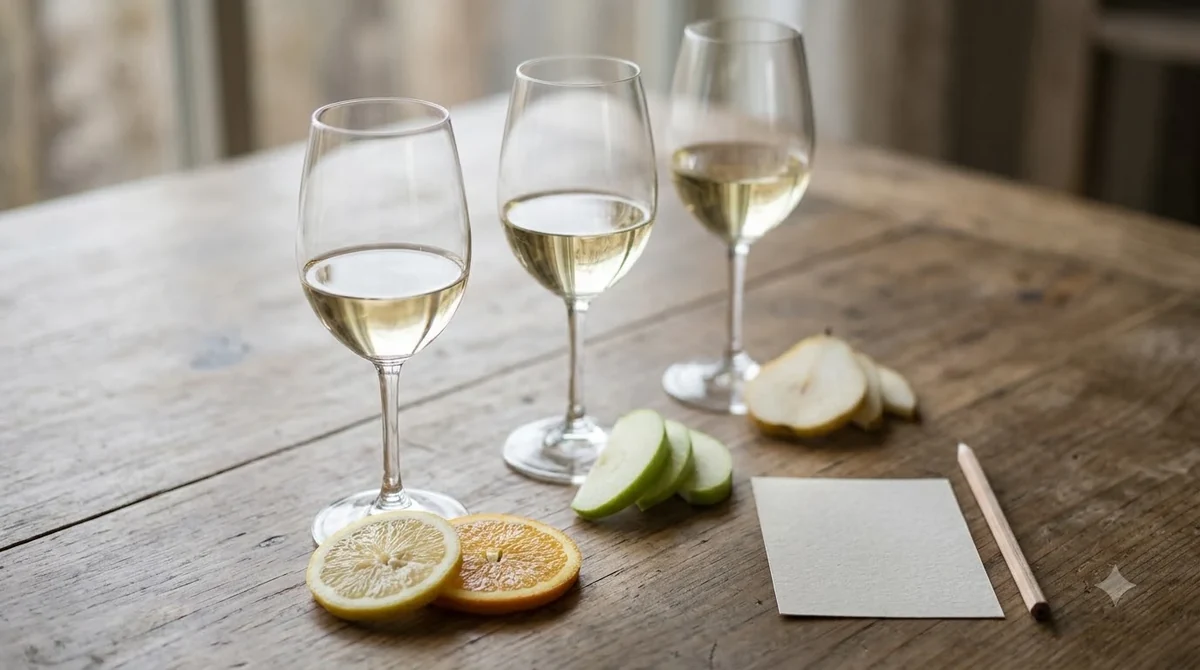
One of the most useful things to know about Riesling is that sweetness is not the same as quality. Wine Folly describes Riesling as ranging from bone-dry to very sweet, and most readers will find the label language helpful once they know the terms. The table below gives a simple guide to the main styles you will see.
| Style | What you taste | Good with |
|---|---|---|
| Dry | Lime, green apple, mineral edge, crisp finish | Seafood, salads, roast chicken |
| Off-dry | Same fruit with a rounder, softer texture | Spicy Asian dishes, pork, mild curries |
| Sweet | Honey, stone fruit, rich texture balanced by acidity | Dessert, blue cheese, fruit tarts |
Trimbach is best known for dry wines, which is why many people use the house as a benchmark for the dry Riesling style. Shoppers who prefer a softer glass can still learn from the category by tasting a range of styles side by side.
Tip: If you are not sure which style you want, look for the words “dry” or “off-dry” on the back label and check how the producer describes its wine. A short phrase like “bright and mineral” usually points to a drier glass.
How to Serve and Store Trimbach Riesling
Serve Riesling chilled but not icy, since a glass that is too cold can mute the aromas. A white wine glass with a slightly narrow rim helps the aromas gather. Once opened, a dry Riesling keeps its character for a few days when it is re-corked and refrigerated.
Riesling is one of the most age-worthy white grapes. Wine Folly gives a cellaring window of more than ten years for many examples, although most everyday bottles are meant to be opened within a few years of release. If you own a bottle from a strong vintage, a few years of cellaring can add depth and a honeyed, savory note.
Store bottles on their side in a cool, dark place away from heat and vibration. Stable conditions matter more than any single temperature number, and a basic cupboard away from the stove is usually enough for everyday drinking bottles.
Food Pairings for Trimbach Riesling
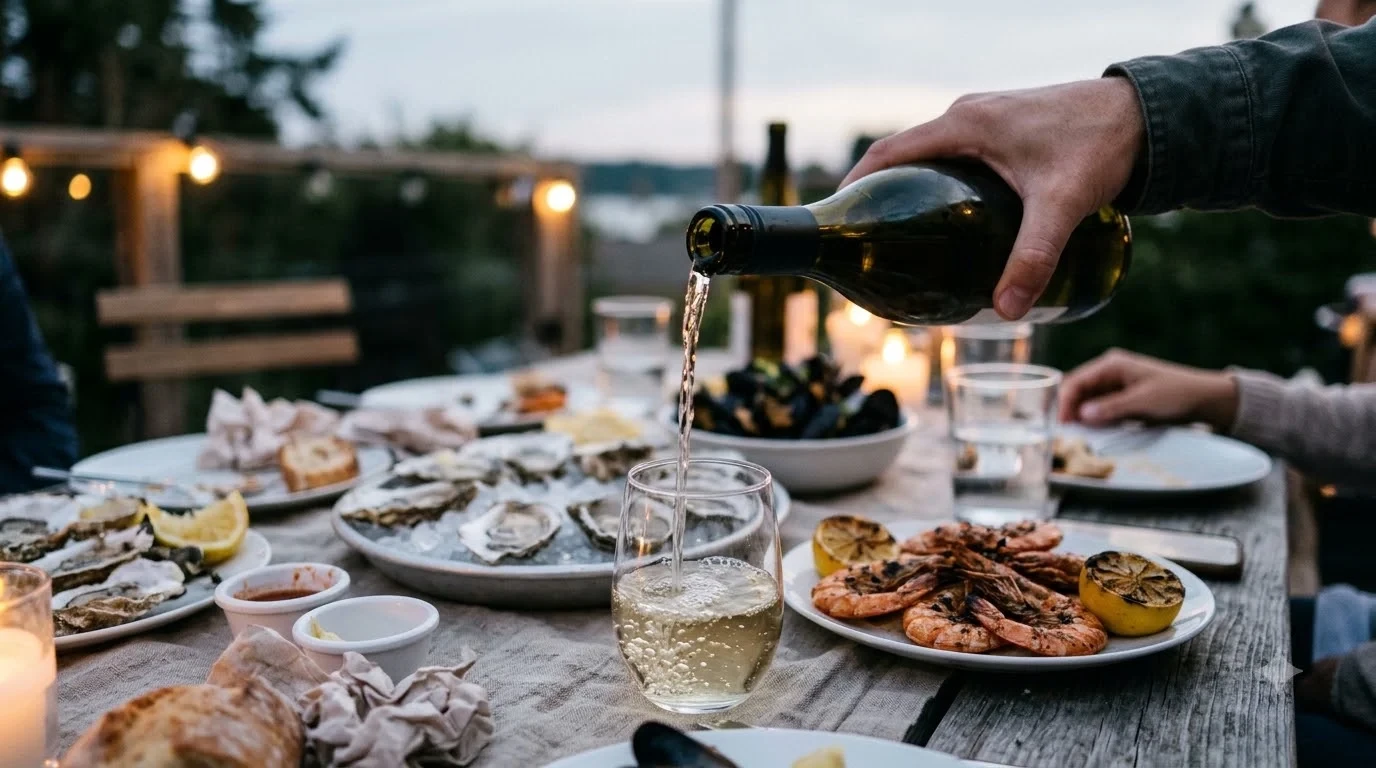
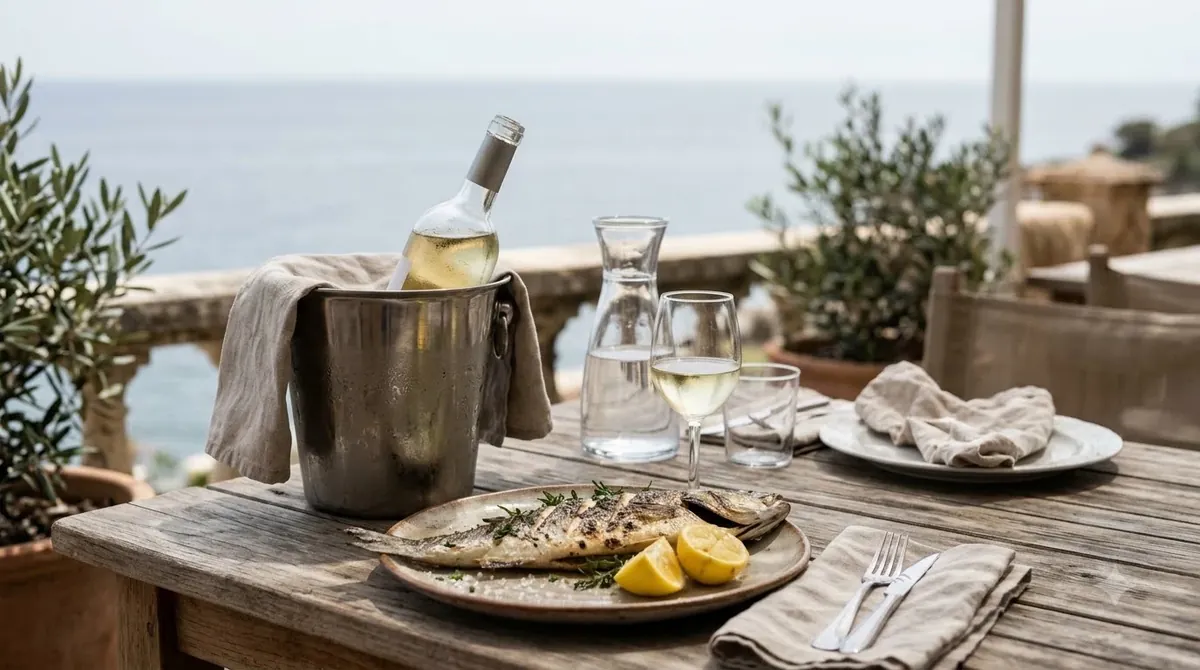
Riesling is one of the most flexible wines at the table because its acidity cuts through rich food and its aromas complement herbs, spices and fresh produce. Seafood is an easy match, especially shellfish, grilled white fish and dishes with lemon or herbs. Roast chicken, pork with apple, and salads with citrus dressing also suit a dry style well.
The wine is particularly useful with spicy food. Off-dry Riesling can cool the heat of Thai, Indian and Szechuan dishes, because the touch of sugar softens the spice and the acidity refreshes the palate. A dry Riesling with the same meal can work too, but it tends to feel sharper.
For dessert, choose a sweeter Riesling. A dry bottle will taste thin next to a rich pastry, while a sweeter wine balances the sugar with its acidity and stone-fruit notes.
How Trimbach Riesling Compares With Other Rieslings
Trimbach sits in a crowded field of Riesling producers, and it is useful to compare it with other houses that show different sides of the grape. Some bottles are fruitier and more approachable, while others aim for a stricter, more mineral style. Reading the producer’s description and the region on the label will tell you a lot about what to expect.
If you are curious about other Riesling styles from the United States, our guide to Clean Slate Riesling and the Pacific Rim Riesling range show how producers in different countries handle sweetness and acidity. For a wider look at how brands position their wines, see our page on wine brands.
Frequently Asked Questions
Is Trimbach Riesling sweet?
Trimbach is best known for dry wines, so most bottles taste crisp and citrus-driven rather than sweet. Check the back label or the producer’s description for the exact style of the bottle you are buying, since Riesling styles vary widely.
What does Trimbach Riesling taste like?
Riesling generally shows lime, green apple and floral notes, with high acidity and a mineral edge in dry styles. Wine Folly also lists beeswax and jasmine as typical aromas, and older bottles can develop a petroleum note.
How long can Trimbach Riesling be aged?
Wine Folly gives a cellaring window of more than ten years for many Rieslings. Everyday bottles are usually best within a few years of release, while stronger vintages can gain depth with time in the cellar.
What food goes well with Trimbach Riesling?
Seafood, roast chicken, pork and fresh salads are easy matches for a dry style. Off-dry Riesling works well with spicy Asian dishes, and a sweeter Riesling pairs with fruit desserts and blue cheese.
Trimbach Riesling is a good place to start if you want to learn how the grape changes from dry to sweet while keeping its acidity and aromatic character. Pick a style that matches your meal, serve it at the right temperature, and the wine will show its range without much effort.
More in Wine Brands
 Underwood Wine Price: Compare Bottles, Cans, and Pack SizesUpdated Nov 21, 2026
 Zenato Wine Price: Compare Styles and Choose the Right BottleUpdated Nov 21, 2026
 Zuccardi Wine Price: Compare Bottles and Find the Right RangeUpdated Nov 21, 2026
 Yellow Tail Moscato Review: Taste, Sweetness and Serving TipsUpdated Nov 21, 2026
 Wolf Blass Yellow Label Review: Choose Your Best StyleUpdated Nov 21, 2026
 Wolffer Estate Rose Review: Choose the Right Bottle for Your TableUpdated Nov 21, 2026