

We may earn a commission when you buy through links on this page, at no extra cost to you. Learn more.
Florida wine country is a statewide collection of wineries and vineyards, not one formally designated wine region. Its character comes from native Muscadine grapes, disease-resistant hybrid grapes, and wines made from Florida-grown fruit. Visitors will find tasting rooms from the Panhandle to South Florida, but the best trip is usually planned around one part of the state rather than a single continuous wine trail.
Florida’s wine scene is different from better-known vineyard regions of the United States. Heat, humidity, and local agricultural traditions have shaped the grapes growers choose and the fruit wines that appear on tasting menus. Understanding what is grown and where wineries are located makes it easier to plan a visit and discover the Sunshine State’s distinctive wines.
Understanding Florida Wine Country
Florida wine country stretches across widely separated communities, from DeFuniak Springs in the Panhandle to Clermont near Orlando, St. Augustine on the northeast coast, and Homestead in the south. It is a statewide network of producers rather than an official wine district with federally recognized American Viticultural Areas.
That distinction matters when planning a trip. Florida’s wineries are more dispersed than tasting rooms in a compact wine corridor, and their products range from estate-grown Muscadine to hybrid grape wines and bottles made from citrus or tropical fruit. A map may show several wineries in one broad part of the state, but the distances can still make a full-day itinerary impractical.
Florida has no American Viticultural Areas, or AVAs, and no formally defined viticultural regions. Most grape growing and harvesting takes place in the north, with fewer vineyards in central Florida. Not every winery is beside a large vineyard: some producers supplement estate crops with fruit from local growers, and others use ingredients beyond grapes.
Think of Florida as a collection of local winery experiences instead of a single appellation. A visit to Clermont may pair a winery tour with an Orlando-area stay; a stop in St. Augustine can fit into a historic-coast trip; and a Homestead tasting can complement a South Florida itinerary. For context on how appellations and growing areas differ, see this overview of wine regions. Florida’s identity is built more around its climate, crops, and individual producers than around a set of official geographic wine labels.
Why Florida’s Climate Favors Different Grapes
Florida’s hot, humid growing season and disease pressure make grape selection especially important. Native Muscadine and selected hybrid varieties are better suited to those conditions than many European Vitis vinifera grapes, which have often struggled with Pierce’s disease and fungal problems.
Muscadine is native to the Southeast and has a thicker skin than many familiar European wine grapes, helping it withstand some mold and fungal pressure. The grape also needs a seasonal dormancy period. Growers interviewed by Wine Enthusiast describe the lack of sufficient chilling hours south of Lake Okeechobee as one reason vines may grow there without reliably producing fruit. The most dependable grape-growing areas are farther north, while southern wineries often use other agricultural products.
Pierce’s disease is another major challenge, repeatedly limiting the success of susceptible European varieties and some hybrids. That history helps explain why Florida growers have invested in breeding varieties for local conditions instead of simply transplanting grapes from cooler or drier regions.
The University of Florida’s grape-breeding program began in the 1920s in response to those growing challenges. One important result was Blanc du Bois, developed in 1968 by crossing Pierce’s-disease-resistant native Florida grapes with susceptible V. vinifera selections. It gave growers a white wine grape with improved resistance and can produce a drier, more conventional style than the sweet Muscadine wines many visitors expect. This problem-solving tradition links Florida viticulture with other warm-climate wine areas, including Hill Country vineyards, while the varieties and humidity pressures remain distinct.
The Grapes and Wine Styles to Look For
Three Muscadine names are useful starting points: Carlos and Welder are white varieties, while Noble is a red variety. Florida wineries also work with hybrid bunch grapes such as Blanc du Bois and make wines from locally grown fruit, so a tasting flight can move well beyond one grape family.
Muscadine: The Signature Native Grape
Muscadine can make white, red, and rosé wines, and the finished wines range from dry to sweet. The style depends on the grape, the producer’s choices, and the balance of sweetness and acidity, so it is a mistake to assume every Muscadine bottle tastes the same. Some versions are light, fragrant, and fruit-forward; others have more body or a sweeter profile. Ask whether a pour is dry, off-dry, or sweet before choosing a full glass, especially if you usually prefer European-style table wines.
Because Muscadine is central to the state’s identity, it is worth tasting more than one example. Compare a white made from Carlos or Welder with a red made from Noble, and notice how the color, fruit character, tannin, and finish change. Some bottlings are blended, and a winery may use its own recipe or house name rather than putting the grape variety in large type on the front label. A guided tasting is a good opportunity to ask which fruit was grown on the estate and which was sourced from another Florida farm.
Hybrid Grapes and Fruit Wines
Blanc du Bois is a useful choice for visitors who want to try a Florida-grown grape wine with a drier, more familiar white-wine profile. It is a hybrid developed for disease resistance, not simply a renamed European variety. Florida wineries may also offer other hybrids, including red and white styles, depending on the producer and its vineyard sources. These wines show how local breeding has widened the range of possibilities beyond Muscadine.
Fruit wines add another dimension. Florida’s agricultural identity includes citrus and tropical crops, and wineries have used ingredients such as Key lime, mango, avocado, and blueberries. These bottles are not grape wines, even when they are sold in a winery tasting room, and they can range from crisp or tart to sweet and dessert-like. Read the tasting description and ask what fruit forms the base; a citrus wine and a sweet berry wine will behave very differently at the table. Taste one Muscadine, one Blanc du Bois, and one fruit wine side by side for a quick overview of Florida’s range. If you are used to the familiar varieties of Yadkin Valley wine country, approach the Florida flight as a discovery of locally adapted grapes rather than a direct comparison of Cabernet Sauvignon or Chardonnay.
Tip: Tell the tasting-room host whether you prefer dry, off-dry, or sweet wine before the flight begins. Ask to compare Carlos or Welder with Noble, then try Blanc du Bois or a fruit wine to see how much the style changes.
Where to Visit Across Florida
Florida’s wineries are spread across several travel corridors, with notable stops near Clermont, St. Augustine, Fort Pierce, the Panhandle, and Homestead. Choose a home base first, then select nearby wineries rather than trying to connect every name on a statewide directory.
Central Florida: Lakeridge Winery & Vineyards is in Clermont, about 25 miles west of Orlando, and is one of the state’s best-known winery destinations. Its visitor facilities include tours, wine tastings, a viewing deck, a gift shop, and a picnic area. The winery works with Muscadine varieties including Carlos, Noble, and Welder. Its location makes it a practical stop for visitors staying around Orlando.
Northeast Florida: San Sebastian Winery is in St. Augustine, where a tasting can be combined with the city’s historic district and waterfront. It is known for table, sparkling, and dessert wines made from hybrid and Muscadine grapes. Congaree and Penn in Jacksonville and Island Grove Wine Company in Hawthorne are other listed stops for travelers exploring the northeast and north-central corridor.
Panhandle, Gulf Coast, and South Florida: Chautauqua Vineyards & Winery is in DeFuniak Springs, making it a possible stop for a Panhandle trip. Emerald Coast Wine Cellars is listed in Miramar Beach, while other producers appear in towns such as Old Town and Duette. Farther south, Schnebly Redland’s Winery in Homestead is known for fruit-based wines reflecting the region’s tropical agriculture. Summer Crush Vineyard & Winery is in Fort Pierce, and Keel & Curley Winery is listed in Plant City. Treat the Panhandle as its own trip area rather than an extension of an Orlando or St. Augustine weekend. The state’s certified list is a starting point, but schedules and offerings can change.
How to Plan a Florida Winery Visit
A successful Florida wine trip starts with distance and opening hours, not with the number of wineries on a map. Certified Florida Farm Wineries must meet state standards for local agricultural production, farm acreage, and public access, which gives visitors a practical way to identify participating farm-based destinations.
The Florida Department of Agriculture and Consumer Services administers the program and requires annual certification. The thresholds below are useful when deciding what the designation means; they apply to certified Florida Farm Wineries, not automatically to every business that makes or sells wine in the state.
| Program requirement | State standard | What it means for visitors |
|---|---|---|
| Annual wine volume | Less than 250,000 gallons | The program is aimed at farm wineries rather than large-scale industrial producers. |
| Florida agricultural content | At least 60% of wine produced | A majority of the winery’s production must use agricultural products grown in Florida. |
| Farm or vineyard area | At least 5 acres | The business must maintain Florida land producing commodities used in its wine. |
| Public access | At least 30 hours each week | The winery must be open for tours, tastings, and sales on a regular schedule. |
Before setting out, confirm hours, tour availability, tasting format, and whether groups need reservations. A winery may sell wine throughout its opening hours but offer guided tours only at selected times. Check its current visitor page or call ahead to avoid a long drive to a closed tasting room.
Limit a day to one or two principal stops. Tastings take time, and drives between Florida towns can be longer than a map suggests. Choose a winery tour if you want to see production, or a tasting-focused stop if comparing bottles is your priority. Certification is a useful filter, not a promise of one standard tasting menu or wine style. The official Florida Farm Winery Program standards explain the designation, while the department’s winery directory provides names and towns to use when building a route.
Tasting Florida Wines and Pairing Them With Food
Florida wines are easiest to appreciate when served at a temperature that suits their body and sweetness. Chilled Muscadine whites and rosés can emphasize freshness, while fuller reds benefit from a slightly warmer pour; pairing should account for both sweetness and acidity rather than grape name alone.
For a practical starting point, serve light whites and rosés around 45–50°F, sweet whites around 43–50°F, and fuller whites around 50–55°F. Light reds are generally most expressive around 55–60°F, while full-bodied reds suit roughly 60–65°F. Sparkling wines are usually served colder, around 40–50°F. Muscadine is commonly served chilled, especially when aromatic or off-dry, but a dry Blanc du Bois may show better with a little less chill than a sweet fruit wine.
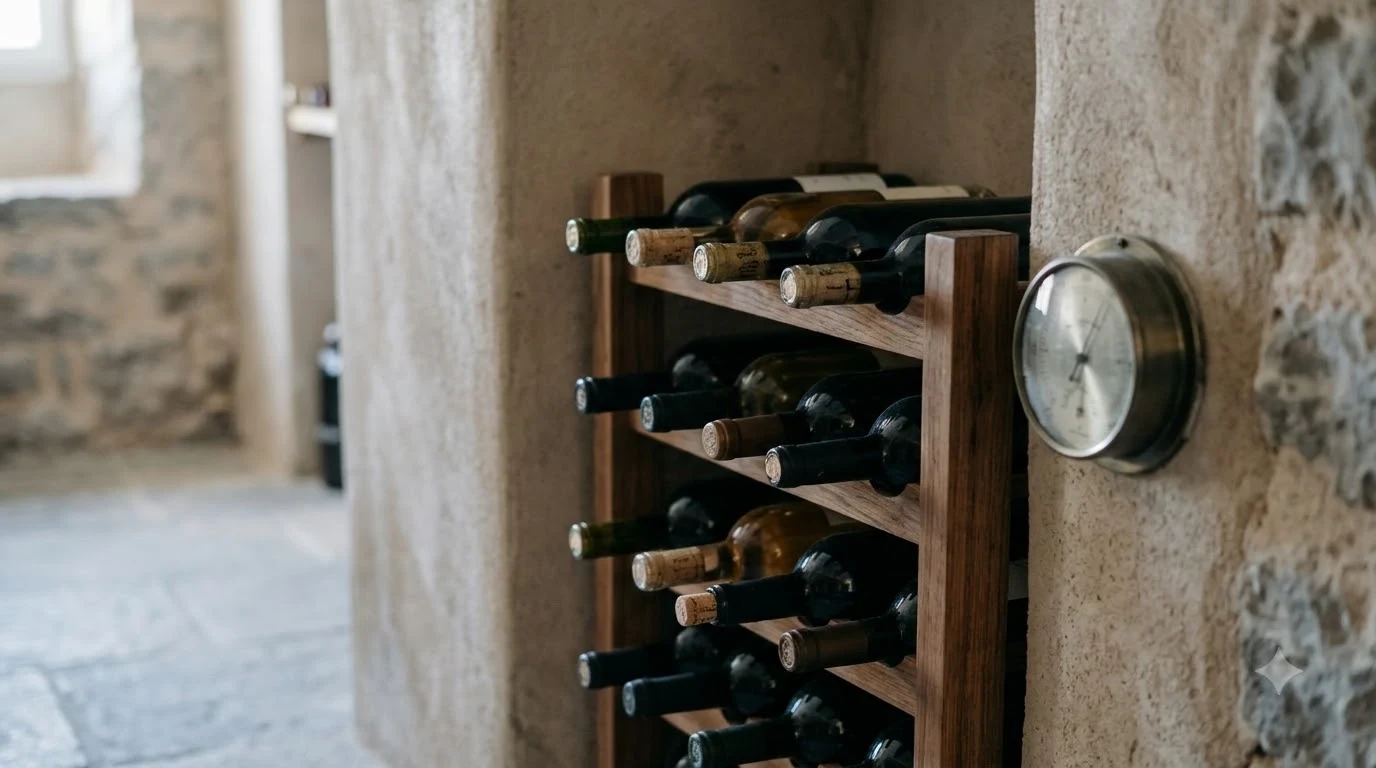
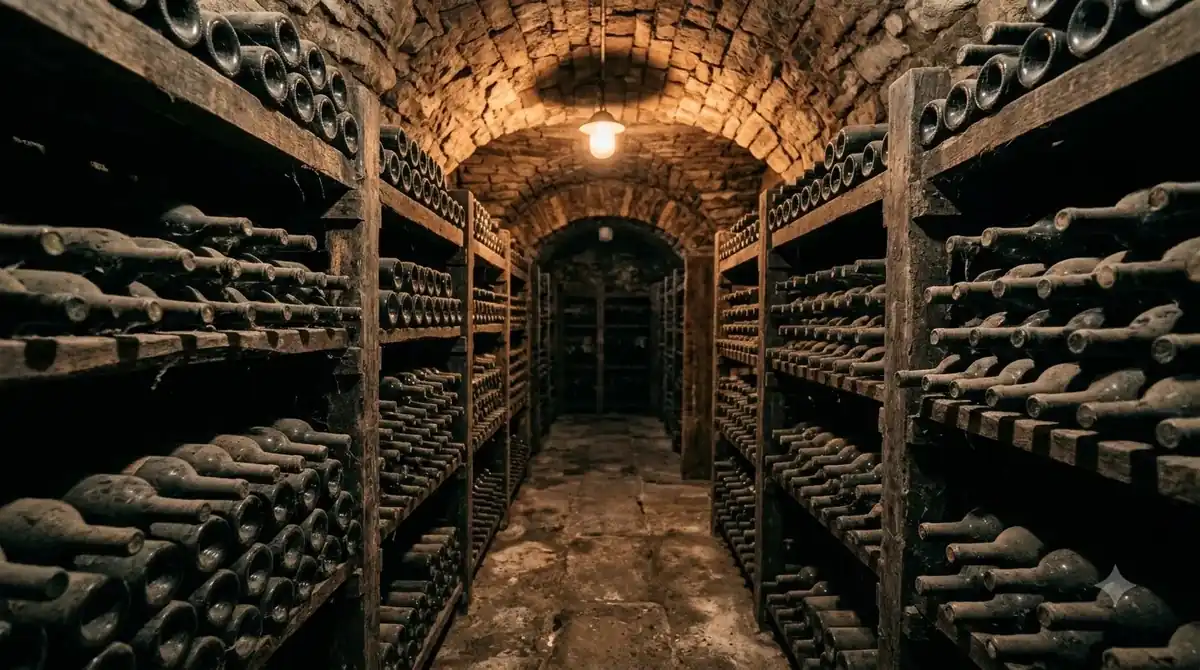
Use a standard 5-ounce pour when comparing wines, and remember that a 750-milliliter bottle holds about five such glasses. Ask for a small tasting pour before ordering a glass, particularly when the winery offers several sweetness levels. Take a moment between samples and use water or a neutral bite to reset your palate. A short note about sweetness, acidity, body, and finish will help you remember which styles you liked. Muscadine is generally made for fresh, fruit-driven character rather than decades of cellar aging. Wine Enthusiast’s reporting on Florida wine quotes a Florida winemaker’s advice to enjoy Muscadine within three years of bottling. Store bottles on their sides near 55°F when appropriate for the closure, and refrigerate opened still wine; most is best used within 3–5 days.
Florida food offers natural pairings. A crisp white or rosé can work with grilled shrimp, oysters, or grouper, especially with citrus. Tart sauces, lime, and vinegar need a wine with equal or higher acidity; more-acidic food can make the wine seem flat. Pair a sweet Muscadine or fruit wine with a dish or dessert at least as sweet as the wine. A touch of sweetness can balance spice, but alcohol and firm tannin can intensify chili heat. Salt and fat soften tannin, which can help a firmer red with smoked meat or barbecue; oily fish is a poor match for strongly tannic reds. For dessert, try a sweet Florida wine with fruit cobbler, citrus tart, or berries, keeping the wine at least as sweet as the dish.
Frequently Asked Questions
These answers add further details about Florida’s grape research, disease pressure, and winery facilities, including UF/IFAS releases and Lakeridge’s sparkling-wine operation.
Which Muscadine cultivars did UF/IFAS release in the 2000s?
UF/IFAS released Eudora in 2006, followed by Delicious and Southern Jewel in 2007. All three are Muscadine cultivars developed through conventional breeding, adding named varieties to Florida’s grape research history.
What causes Pierce’s disease in grapevines?
The disease is caused by the bacterium Xylella fastidiosa. It is spread by sap-feeding insects, including leafhoppers such as the glassy-winged sharpshooter, which helps explain why it is a persistent problem for susceptible vines in the Southeast.
How much sparkling wine can Lakeridge’s caves hold?
Lakeridge lists sparkling-wine caves with capacity for 20,000 bottles. Its visitor information also gives a bottling capacity of 2,300 cases per day, a useful reminder that the winery’s facilities extend well beyond its tasting room.
What is Florida’s grape growers association called today?
The statewide organization is the Florida Wine and Grape Growers Association, or FWGGA. The group traces its history to the Florida Grape Growers Association, founded in 1923, and adopted its current name in 2015 as the commercial wine industry expanded.
How many Muscadine strains have been developed for commercial use?
Wine Enthusiast has reported more than 300 Muscadine strains cultivated or bred for commercial use. They vary in sugar, acidity, tannin, polyphenol levels, skin color, and flavor, which is one reason tastings of two Muscadine wines can be surprisingly different.
Florida wine country rewards visitors who arrive curious about local grapes and fruit rather than expecting a replica of a West Coast wine route. Choose a manageable area, taste Muscadine alongside hybrid and fruit wines, and leave room for the people and agricultural stories behind each bottle. That approach makes the state’s distinctive wine culture easier to understand—and much more enjoyable to explore.
More in Wine Regions
 Willcox Wine Trail: Discover Arizona’s High-Elevation Wine CountryUpdated Nov 20, 2026
 Yakima Valley Wine Region: Find the Best Styles to TryUpdated Nov 20, 2026
 Vosne Romanee Wine Tasting: Identify Aromas and Choose Better PairingsUpdated Nov 20, 2026
 Yakima Valley Wine Festival: Find the Best Seasonal Wine EventsUpdated Nov 20, 2026
 Wales Vineyards: Discover Cool-Climate Wines and Where to VisitUpdated Nov 20, 2026
 Yountville Wine Festival: Discover Napa Wines and Local FoodUpdated Nov 20, 2026