


We may earn a commission when you buy through links on this page, at no extra cost to you. Learn more.
The calistoga wine festival was announced as a one-day celebration of Calistoga AVA wines on August 15, 2026, but that date has already passed. Published event information describes an inaugural gathering, not a confirmed recurring annual festival. Anyone planning a future visit should verify a new date, venue, and program with the organizer before making travel arrangements.
Calistoga sits at the northern end of Napa Valley, where volcanic geology, hot summer afternoons, and cool evening air shape a distinctive range of wines. The festival announcement centered on the local American Viticultural Area (AVA), its wineries, and the restaurants that make the small town a worthwhile wine-country stop. Even without a confirmed next edition, visitors can use the event as a starting point for understanding Calistoga’s wine styles and planning a tasting day.
Calistoga Wine Festival: Event Status and 2026 Details
The first Calistoga Wine Festival was announced for Saturday, August 15, 2026, as an afternoon gathering devoted to wines from the Calistoga AVA. The listed schedule ran from noon to 5 p.m., and the associated professional wine competition was announced for July 15, 2026.
The event was presented as a meeting place for local winemakers, restaurants, businesses, and wine enthusiasts rather than a general Napa Valley tasting event. Its stated focus was the identity of Calistoga wines: how the region’s soils, climate, and winemaking contribute to bottles that can be recognized as expressions of this particular part of Napa Valley. The organizers also described professional judging and wine education as part of the wider program.
Community support was part of the announcement, too. The festival’s organizer said proceeds would benefit UpValley Family Centers, a nonprofit serving people and families in northern Napa County, including Calistoga. Planned restaurant participation connected the tasting program with the town’s food scene. For the event’s stated scope and date, see the Visit Calistoga event announcement.
The important planning distinction is between this inaugural festival and other events hosted by Calistoga’s wine community. The 2026 listing is marked expired, and the published 2027 winegrower calendar promotes separate events with different names and formats. A future edition should not be assumed from those listings; look for an announcement under the same event name before booking lodging or transportation.
Calistoga AVA Geography Shapes the Wine
Calistoga’s volcanic soils and sharp changes between daytime and nighttime temperatures help explain why the area is known especially for structured red wines. The AVA stretches between the Mayacamas and Vaca ranges at the northern end of Napa Valley, with vineyards on both hillsides and the valley floor.
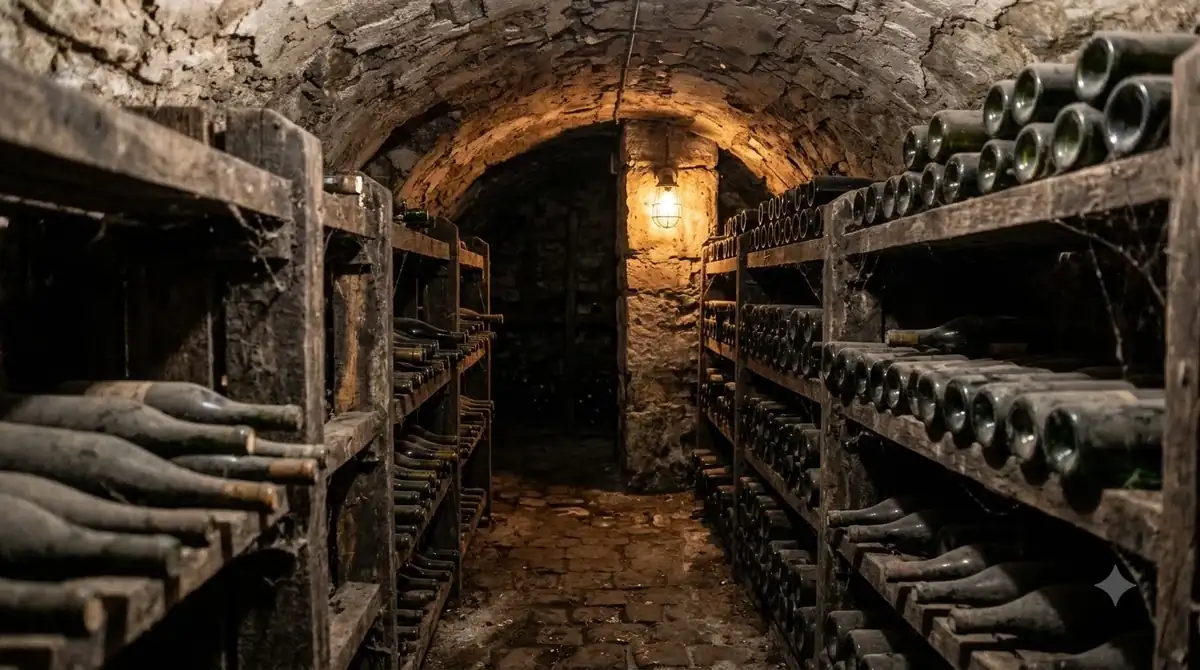
The Calistoga Wine Growers Association describes the region’s soils as primarily volcanic, ranging from rocky, stony loam on hillsides to gravelly loam on alluvial fans, with heavier clay-silt soils in parts of the valley floor. The AVA covers about 12,713 acres, or roughly seven square miles, and the association reports approximately 625 acres planted to vineyards. Its terrain ranges from about 300 to 1,200 feet, so slope, exposure, and drainage can differ considerably between sites.
Summer days can climb above 100 degrees Fahrenheit, while cool air from the Russian River and downslope mountain breezes bring substantial nighttime drops. The growers’ regional description notes that temperatures can fall to the mid-40s during summer and early fall, helping preserve acidity as grapes ripen. In practical terms, daytime heat can build ripe fruit character, while cooler nights help maintain freshness and structure.
For visitors, the geography is more than a scenic backdrop. Ask whether a wine comes from a valley-floor site or a higher hillside, and listen for how the producer describes ripeness, structure, and freshness. Those details can explain why one Calistoga Cabernet feels broad and generous while another seems more restrained, even when both are made from the same grape.
The Grapes and Bottles to Seek Out
Red varieties dominate Calistoga plantings, with Cabernet Sauvignon far ahead of the other principal grapes. A tasting that moves from Cabernet to Zinfandel, Petite Sirah, Charbono, and Syrah will show a useful cross-section of the appellation’s identity.
The Calistoga Wine Growers Association reports that red grapes account for about 90 percent of the region’s vineyards. Its published breakdown lists Cabernet Sauvignon at 56 percent, Zinfandel at 20 percent, Petite Sirah at 7 percent, Charbono at 5 percent, and Syrah at 2 percent of Calistoga vines. The figures give visitors a sensible shortlist: start with Cabernet, then look for at least one less common variety to understand what makes the appellation distinctive.
| Grape | Reported share of Calistoga vines | Typical character | Food to try with it |
|---|---|---|---|
| Cabernet Sauvignon | 56% | Ripe dark fruit, firm structure, and high tannin | Grilled beef, lamb, or aged cheddar |
| Zinfandel | 20% | Juicy berry and plum fruit, often with a bold profile | Barbecue, tomato-based pasta, or grilled sausage |
| Petite Sirah | 7% | Deep color, dense fruit, and powerful tannin | Short ribs, braised beef, or hard cheese |
| Charbono | 5% | Dark fruit, medium acidity, and sturdy tannin | Meatballs, lasagna, or mushroom dishes |
| Syrah | 2% | Rich fruit with savory or peppery notes | Roast pork, lamb, or grilled mushrooms |
Cabernet Sauvignon is the region’s headline variety for good reason. The local growers describe Calistoga Cabernet as ripe in fruit character, structured, and higher in tannin, with the capacity to age. In a tasting flight, compare the Cabernet’s firm grip with Zinfandel’s more openly juicy fruit. Petite Sirah usually pushes further toward dark color and assertive tannin, while Syrah can provide a different savory expression.
Charbono is especially interesting for visitors who already know Napa Cabernet. The growers association reports that about 45 of California’s roughly 76 planted acres of Charbono are in the Calistoga AVA, making the region unusually important to the variety. Its description notes medium acidity, firm tannins, and alcohol around 13 percent, as well as a traditional affinity for Italian food. The association’s Calistoga grape-variety breakdown is a helpful reference before choosing a tasting flight. White wine drinkers need not skip the region, but red wines take center stage in local plantings; ask which bottles are made from Calistoga fruit and which represent a wider Napa Valley selection.
How to Taste Efficiently at a Festival
A good festival tasting is selective rather than exhaustive. Set a goal of comparing a few wines carefully, take short notes, and leave enough time to talk with the people pouring them.
Begin with lighter or more delicate wines if they are available, then move toward fuller reds. A useful progression is a white or rosé, a lighter red, Cabernet Sauvignon, Zinfandel, and finally Petite Sirah. Tannin and alcohol can make later wines feel more intense, so finishing with the biggest reds helps keep the earlier comparisons clear. If a tasting table offers Charbono, set it beside an Italian-inspired food sample rather than treating it as another Cabernet look-alike.
Use a simple note-taking method. For each pour, write down the producer, grape, vintage, and one or two impressions about fruit, acidity, tannin, and finish. A short phrase such as “blackberry, firm tannin, long finish” is more useful after several samples than a general rating. Ask the pourer where the grapes were grown, whether the wine was aged in oak, and how the vintage changed the final blend.
Food and water help make a tasting more comfortable and revealing. Bread or neutral crackers can clear the palate, while grilled meat, aged cheese, or tomato-based dishes show how a wine behaves at the table. Protein-rich or fatty foods soften the tannin in Cabernet and Petite Sirah; barbecue suits ripe Zinfandel, while tomato sauce or pasta can complement Charbono. Take only the amount needed to assess each pour, use a spit cup when you do not plan to finish a sample, and pace the number of tastings. If a wine stands out, ask whether the producer offers a separate seated tasting with more time for vineyard and cellar questions.
Tip: Compare two Cabernet Sauvignons from different Calistoga producers before moving to Zinfandel or Petite Sirah. Keeping the grape constant makes it easier to notice differences in site, ripeness, oak, and winemaking style.
Wineries and Downtown Stops for a Longer Visit
A festival can introduce a region, but winery visits provide more time to connect a wine with its producer and vineyard. Calistoga has tasting rooms close to town as well as estates along the roads leading toward the surrounding hills.
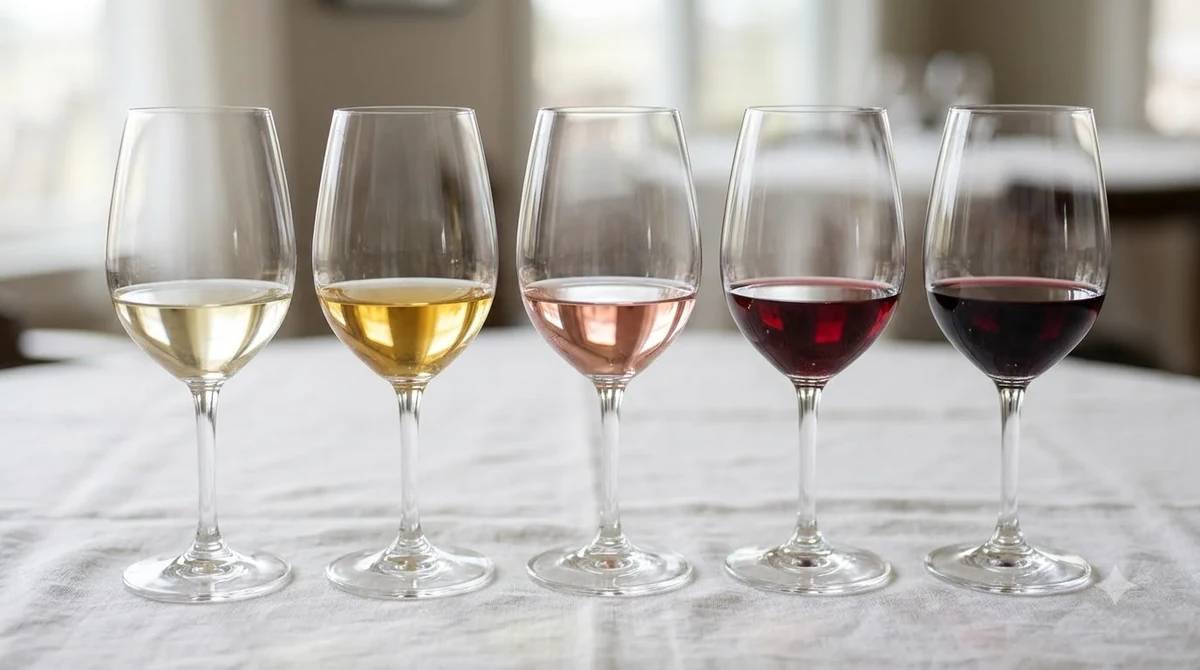
Wine Enthusiast’s Calistoga listing features several tasting-room options, including CAMi Vineyards at 1333B Lincoln Avenue, Rivers-Marie Wines at 900 Foothill Boulevard, LOLA Wines at 916 Foothill Boulevard, and Girard Winery at 1077 Dunaweal Lane. Clos Pegase is listed at 1060 Dunaweal Lane. The addresses suggest a practical way to build a day: choose one downtown-area stop, then reserve a visit at a winery farther along Dunaweal Lane or Foothill Boulevard rather than crisscrossing the valley without a plan.
The Calistoga Wine Growers Association separates wineries that are open to the public from those that require appointments. Its directory lists August Briggs Winery, CAMi Vineyards, Chateau Montelena, Clos Pegase, and Fairwinds Estate Winery among its open-to-the-public options, while several other producers are marked by-appointment-only. The distinction is important: “open to the public” does not guarantee an immediate seat or an unlimited walk-in tasting, so check the winery’s own reservation information before setting out.
Chateau Montelena is a natural stop for visitors interested in the region’s place in wine history, while Clos Pegase offers another recognizable Calistoga winery setting. For a compact itinerary, choose two appointments rather than squeezing in four or five; a slower schedule leaves room for questions, a meal, and a walk through downtown Lincoln Avenue. One practical plan is a reserved tasting at CAMi Vineyards, lunch in town, and a second visit focused on Cabernet or Zinfandel. If Charbono is the priority, contact wineries in advance to ask which bottles are currently poured.
Travel Planning, Timing, and Nearby Wine Events
Calistoga works best as a planned destination rather than a last-minute chain of tasting-room stops. Decide whether the main purpose is a festival, a winery appointment, a meal, or a wider Napa Valley trip, then arrange transportation and reservations around that priority.
Summer and early fall can be very hot in the afternoon, while evenings cool sharply. Bring sun protection for outdoor tastings, carry water, and keep a light layer available for later in the day. Ask whether a vineyard tour is exposed or involves uneven ground, and whether the tasting is outdoors or in a temperature-controlled room. A morning appointment can be comfortable on a hot day; a late-afternoon visit leaves time for dinner afterward. Plan transportation before the first pour: a designated driver, hired car, or organized tour is safer and easier than trying to walk between estates outside the compact downtown core.
For future festival planning, distinguish the inaugural Calistoga Wine Festival from the Calistoga Winegrowers Association’s separately listed events. The association’s 2027 calendar includes the Calistoga Wine Experience in San Francisco on January 30, with two dozen Calistoga AVA wineries and more than 100 wines at the Press Club. It also lists Calistoga Food & Wine for June 6, 2027, at Four Seasons Resort & Residences Napa Valley, featuring more than 30 Calistoga AVA wineries, nine local restaurants, food pairings, and live music. Those are useful alternatives for a structured regional tasting, but they are not a confirmed continuation of the August festival.
If you are comparing wine events across the state, our Livermore wine festival coverage offers another California regional-event reference. For broader background on appellations, climate, and grape varieties, see our guide to Wine Regions. Calistoga also offers mineral pools, hot springs, outdoor recreation, and attractions such as the Petrified Forest, so a morning winery appointment can pair well with an afternoon spa visit or short outdoor stop. Keep the number of winery visits realistic to leave room for the town itself.
Frequently Asked Questions
These answers cover details that can be easy to miss when older event listings remain online. They are particularly useful for checking the festival’s original naming, published venue information, and local visitor resources.
Why was the event also called “Judgement of Calistoga”?
A Visit Calistoga event listing used “Judgement of Calistoga” as the name for the 2026 festival and competition. The announcement linked its timing to the 50th anniversary of the 1976 Judgment of Paris, the blind tasting associated with Napa Valley’s rise in international recognition.
Which wine figures were announced for interviews?
The festival organizer’s about page named Violet Grgich of Grgich Hills Estate and Dario Sattui, associated with V. Sattui and Castello di Amorosa, as planned interview guests. Those names appeared in the 2026 event announcement and should not be treated as a program for a future edition.
Where did the published event pages say the festival would be held?
The festival’s own about page identified Brannan Center, while a separate Visit Calistoga event listing named Pioneer Park at 1320 Cedar Street. The two published descriptions conflict, so anyone attending a future edition should rely on a fresh organizer confirmation rather than either older listing.
When did the Calistoga AVA receive official designation?
The Calistoga AVA was designated in 2009 and became effective with the 2010 vintage. The Calistoga Wine Growers Association identifies it as the 15th sub-appellation within the larger Napa Valley AVA.
Where can visitors get help while in Calistoga?
Visit Calistoga lists its Welcome Center at 1457 Lincoln Avenue, Calistoga, California 94515. The published phone number is 707-942-6333, which gives travelers a local point of contact for general visitor information.
The inaugural Calistoga Wine Festival put the spotlight on a compact Napa Valley appellation with a clear identity, led by Cabernet Sauvignon and supported by distinctive varieties such as Charbono and Petite Sirah. Although the August 2026 date has passed and no repeat date is confirmed in the published information reviewed here, Calistoga’s wineries and separate winegrower events still give visitors several ways to explore the region. Plan around confirmed appointments, allow time for the town itself, and let the wines explain the place.
More in Wine Regions
 Willcox Wine Trail: Discover Arizona’s High-Elevation Wine CountryUpdated Nov 20, 2026
 Yakima Valley Wine Region: Find the Best Styles to TryUpdated Nov 20, 2026
 Vosne Romanee Wine Tasting: Identify Aromas and Choose Better PairingsUpdated Nov 20, 2026
 Yakima Valley Wine Festival: Find the Best Seasonal Wine EventsUpdated Nov 20, 2026
 Wales Vineyards: Discover Cool-Climate Wines and Where to VisitUpdated Nov 20, 2026
 Yountville Wine Festival: Discover Napa Wines and Local FoodUpdated Nov 20, 2026