

We may earn a commission when you buy through links on this page, at no extra cost to you. Learn more.
Standing Stone wine comes from Standing Stone Vineyards, a Finger Lakes winery on the eastern slopes of Seneca Lake in New York. The estate is known for low-intervention winemaking, with indigenous yeasts and no fining additives, and for a range that includes Chardonnay, Saperavi, Cabernet Sauvignon and Petit Verdot. This guide explains where the wines come from, what styles to expect, how to serve them and how to choose a bottle.
Many American wine drinkers know the Finger Lakes for Riesling, but the region produces a wide range of styles, and Standing Stone is one of the wineries that shows how varied the area can be. The name appears on bottles from a single estate, and the wines reflect the cool-climate setting of the Seneca Lake shoreline. The sections below cover the estate, the style of the wines, and practical tips for serving and buying.
Where Standing Stone Wine Comes From
According to the estate’s own website, the vineyard sits on the eastern slopes of Seneca Lake rather than on Keuka Lake, another popular Finger Lakes shoreline. The winery describes itself as a critical part of the Finger Lakes quality revolution, a reference to the period when the region’s producers focused on making more serious dry wines alongside its better-known sweeter styles.
The estate has a partner relationship with Hermann J. Wiemer Vineyard, a well-known Finger Lakes producer whose history dates to 1979. The Standing Stone site explains that the two wineries have shared ownership, and that the Standing Stone brand kept its own identity and its own vineyard work. Readers who see both names on a shelf should know they are related but separate labels.
Winemaking Style
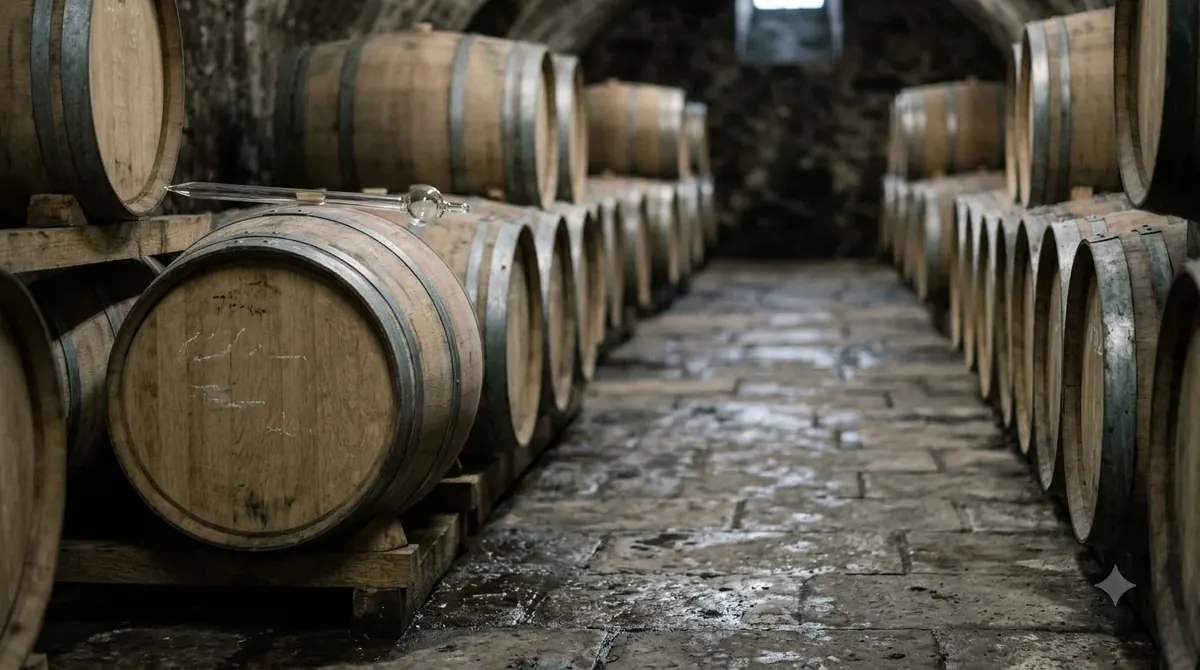
The most distinctive point the estate makes about its wines is its approach in the cellar. The winery says its fermentations rely on indigenous yeasts, and that it does not use fining additives or adjustments. That approach tends to produce wines that show more texture and a sense of place, though it also means each vintage can vary more than a wine made with tightly controlled inputs.
Low intervention is not the same as no care. The winery still manages ripeness, acidity and the timing of each step, and the result is a set of wines that aim to show what the vineyard gave in a given year. For buyers, that means reading the vintage year and the tasting note, rather than expecting the same profile every time.
The Main Varieties
The Standing Stone site highlights several varieties. Saperavi, a red grape with deep color, appears in the lineup, and Cabernet Sauvignon is described as a later-ripening variety that needs a warm vintage to reach full maturity in a cool climate. Chardonnay is another core wine, and the estate’s 2024 Chardonnay is described as a riper style. A 2019 Petit Verdot also appears in the lineup, which points to the estate’s interest in serious reds alongside its whites.
Each variety tells a different story about the site. Saperavi and Cabernet Sauvignon give deeper color and firmer tannin, while Chardonnay can show brightness and texture depending on how it is handled. If you are new to the estate, start with the variety you already enjoy and then move to a second style to compare how the winery handles it.
| Style | What to look for | Good with |
|---|---|---|
| Chardonnay | Riper fruit and textured body in recent vintages | Roast chicken, creamy pasta, grilled fish |
| Saperavi | Deep color and firm structure | Grilled meats, hearty stews |
| Cabernet Sauvignon | Later ripening; structure depends on vintage | Beef, lamb, aged cheese |
| Petit Verdot | Small-production red with spice and color | Roast meats, mushroom dishes |
How to Serve Standing Stone Wine
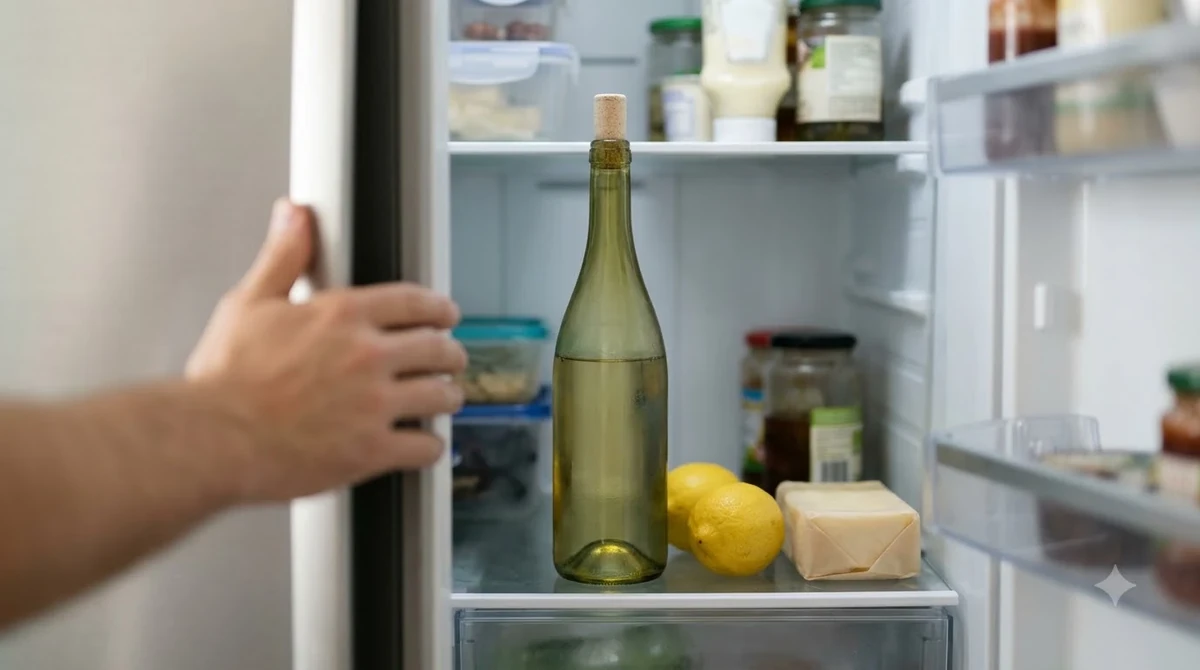
Serving temperature depends on the wine. White wines such as Chardonnay show best when they are cool but not ice cold, which lets the fruit and texture come through. Reds such as Saperavi and Cabernet Sauvignon are usually best served slightly cool, not warm, so the tannin feels balanced and the alcohol stays in the background.
Give young red wines a short rest after opening, and taste them over the course of the evening. A low-intervention wine can change as it sits in the glass, so the second glass often tastes different from the first. That shift is part of the appeal for many drinkers, and it is worth keeping an open mind about it.
Tip: Buy one white and one red from the same estate to compare how the winery treats different varieties in the same vintage season.
Food Pairing Ideas
The Chardonnay pairs well with roast chicken, creamy pasta and grilled fish, where its texture can match the richness of the dish. A riper style can also work with mild spice and herb sauces. Reds need heartier food. Saperavi and Cabernet Sauvignon go well with grilled meats, stews and aged cheeses, and the Petit Verdot suits roast meat and mushroom dishes.
When you are planning a dinner with several bottles, serve the lighter whites first and move toward the reds as the meal gets heavier. This order keeps each wine clear on the palate and gives guests a chance to notice how each style changes with food.
Buying Tips for Standing Stone Wine
Check the vintage before buying, because low-intervention wines can vary from year to year. Read the producer’s tasting notes and compare them with independent reviews when they are available. If you are buying for a gift or a special dinner, choose a variety that the recipient already likes, since a familiar grape is often easier to enjoy than a new style.
Ask the retailer whether the bottle came directly from the estate or through a distributor, and keep the bottle away from heat and direct light after purchase. Shipping conditions matter for delicate whites, so a bottle that arrives warm may need a few hours in a cool place before you open it.
For a broader picture of how producers differ in style, read our guide to wine brands, which explains why the same grape can taste different across estates. For a second look at structured reds from other producers, see our notes on Spottswoode wine and Pedernales wine.
Frequently Asked Questions
Where is Standing Stone winery located?
According to the estate’s website, the vineyard sits on the eastern slopes of Seneca Lake in the Finger Lakes region of New York, not on Keuka Lake.
Is Standing Stone related to Hermann J. Wiemer?
Yes. The Standing Stone site describes Hermann J. Wiemer Vineyard as a partner winery, and the two estates share ownership while keeping separate brands and vineyard work.
Does Standing Stone use fining in its wines?
The winery says its wines are made without fining additives or adjustments, and that its fermentations rely on indigenous yeasts. Check each bottle’s details for the specific vintage.
What wines does Standing Stone make?
The estate’s site highlights Chardonnay, Saperavi, Cabernet Sauvignon and Petit Verdot, among others. The lineup can change by vintage, so check the current listing before buying.
If you plan to visit the Finger Lakes, a tasting stop lets you compare the estate’s whites and reds side by side and ask staff about the current vintage. Tasting rooms often pour a small selection, which is a useful way to decide which bottle to take home before you commit to a full case.
Standing Stone wine rewards a bit of curiosity. Start with a variety you know, compare it with a second bottle from the same estate, and take note of how the vintage shapes the flavor. That approach tells you more about the winery than any single review can.
More in Wine Brands
 Underwood Wine Price: Compare Bottles, Cans, and Pack SizesUpdated Nov 21, 2026
 Zenato Wine Price: Compare Styles and Choose the Right BottleUpdated Nov 21, 2026
 Zuccardi Wine Price: Compare Bottles and Find the Right RangeUpdated Nov 21, 2026
 Yellow Tail Moscato Review: Taste, Sweetness and Serving TipsUpdated Nov 21, 2026
 Wolf Blass Yellow Label Review: Choose Your Best StyleUpdated Nov 21, 2026
 Wolffer Estate Rose Review: Choose the Right Bottle for Your TableUpdated Nov 21, 2026