


We may earn a commission when you buy through links on this page, at no extra cost to you. Learn more.
The answer to what wine goes with white fish is a crisp, dry white such as Albariño, Sauvignon Blanc, or Pinot Grigio. These wines bring enough acidity to complement mild, flaky flesh without covering up its delicate flavor. Choose a fuller Chardonnay for buttery preparations, or an aromatic Riesling with a touch of sweetness for spicy seasoning.
White fish is a broad category, not a single flavor or texture. A thin sole fillet steamed with herbs calls for a different bottle than a thick halibut steak grilled over high heat, and the sauce can change the answer again. Start with the weight of the fish, then account for the cooking method, acidity, seasoning, and sides.
What Wine Goes With White Fish? Start With a Crisp White
For simply cooked white fish, choose a dry, bright white with refreshing acidity and a light to medium body. Albariño, Sauvignon Blanc, Pinot Grigio, and unoaked Chardonnay are reliable first choices for cod, sole, tilapia, snapper, and sea bass.
Their citrus, green fruit, and sometimes saline or herbal notes echo lemon, parsley, dill, and olive oil. Keep the wine’s intensity in proportion so the fish remains the main event. A wine can be flavorful without being heavy: aroma and body are separate considerations, and a fragrant but light white can still be a smart match for a delicate fillet.
Albariño from Rías Baixas in northwestern Spain works with lemon, herbs, and salt. Its bright acidity and citrus character give cod or halibut freshness without hiding their flavor. Portuguese Vinho Verde offers a similar profile; Alvarinho is the Portuguese name for the grape known as Albariño in Spain.
Sauvignon Blanc is dependable because its acidity is naturally high. Loire Valley styles such as Sancerre often lean toward citrus and mineral notes, while New Zealand versions can be grassier or more tropical. Herbal styles suit parsley, cilantro, basil, and dill. Also distinguish fruit flavor from sweetness: a wine that smells of grapefruit or passion fruit can still finish completely dry. For more on matching acidity and food intensity, see Wine Enthusiast’s food-pairing fundamentals.
Match the Wine to the Fish’s Texture
White fish ranges from delicate and thin to firm and substantial, so texture is a more useful guide than the color of the flesh alone. Sole and tilapia usually suit the lightest wines, while cod, haddock, halibut, and sea bass can support a little more body and flavor.
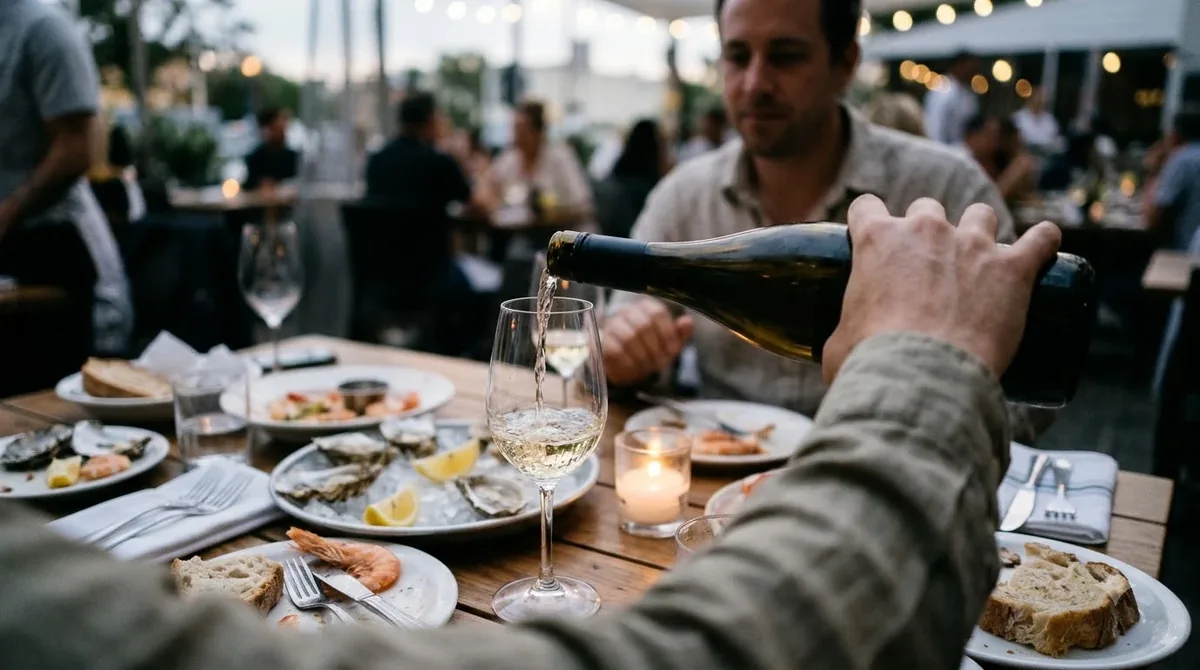
For lean, fine-flaked fish such as sole, plaice, flounder, perch, and tilapia, reach for Pinot Grigio, Albariño, or mineral-driven Sauvignon Blanc. Heavy oak or high alcohol can overwhelm these mild flavors. Vermentino, Fiano, and Grillo from Italy bring citrus and herbal notes to grilled fillets. Medium-textured fish such as cod, haddock, trout, and sea bass have larger flakes and can handle Chenin Blanc, dry Riesling, Grüner Veltliner, or fuller Pinot Gris. Cod steamed with ginger and scallion needs a different style from cod baked under breadcrumbs and butter.
Halibut is firm and meaty while remaining mild. Unoaked Chardonnay, richer Albariño, or dry Chenin Blanc can support it without taking over; choose a fuller Chardonnay when butter or cream is part of the dish. Match the wine’s weight to the portion and preparation, not just the species. A small, thin fillet does not need the same wine as a thick halibut steak, even if both are seasoned with salt and lemon. The serving temperatures below are starting points: light whites are served cooler than fuller whites, while sparkling wines are chilled a little further.
| White fish or preparation | Wine to try | Serving temperature |
|---|---|---|
| Sole, flounder, or tilapia, simply grilled | Albariño, Pinot Grigio, or Sauvignon Blanc | 45–50°F |
| Steamed cod or sea bass with herbs | Dry Riesling, Grüner Veltliner, or unoaked Chardonnay | 45–50°F |
| Roasted halibut or thick cod fillet | Chenin Blanc or fuller Chardonnay | 50–55°F |
| White fish with butter or cream sauce | Chardonnay or high-acid Assyrtiko | 50–55°F |
| Battered or fried white fish | Brut sparkling wine or crisp Sauvignon Blanc | 40–50°F |
| Spiced fish with a little heat | Off-dry Riesling or Gewürztraminer | 45–50°F |
Choose a Wine by Cooking Method
Cooking changes the fish’s texture and adds flavors that the wine needs to meet. Steaming and poaching keep fish light, grilling adds smoke and char, roasting concentrates flavor, and frying introduces oil and crisp batter.
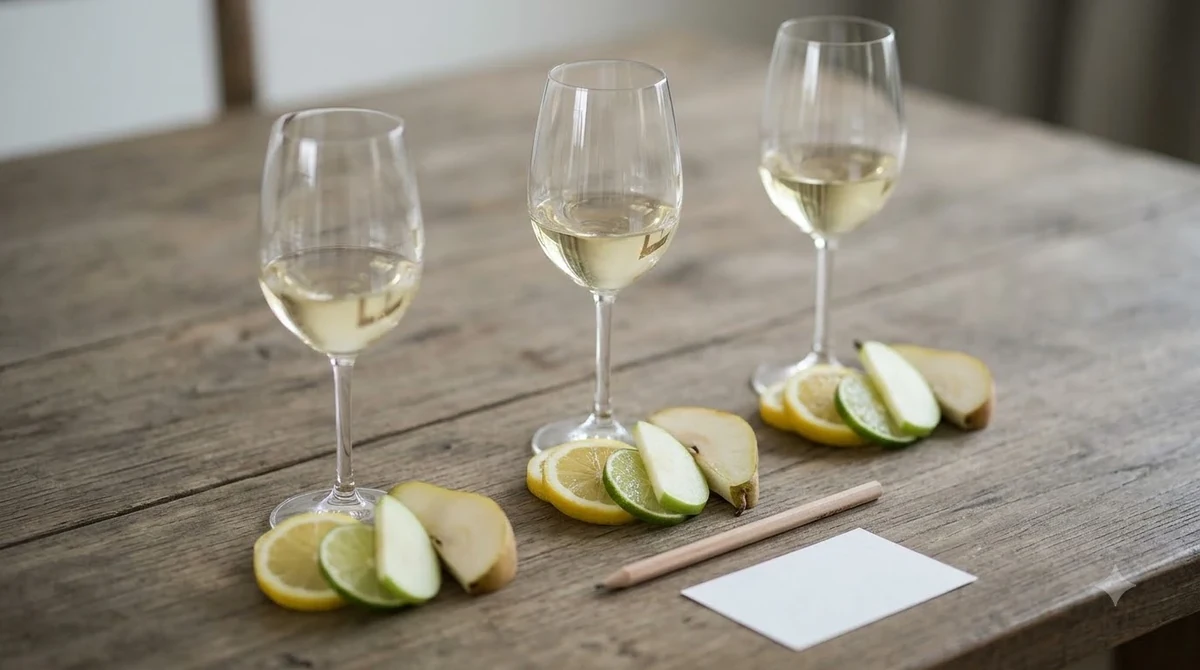
For steamed or poached fish, keep the wine fresh and restrained. Sole with lemon, cod in a light broth, or sea bass baked in parchment with fennel and herbs all work with Albariño, Pinot Grigio, or dry Riesling. If ginger, lemongrass, or scallion is in the cooking liquid, Grüner Veltliner or Riesling can echo those flavors.
Grilled or broiled halibut, snapper, and sea bass can take Sauvignon Blanc, Vermentino, or lightly oaked Chardonnay. Herbal wines suit a green herb rub, while modest oak can echo browned edges. Save heavily oaked whites for a substantial fillet or richer sauce. If the fish is cooked over charcoal, a slightly more aromatic or textured white can stand up to the smoke better than a very delicate Pinot Grigio.
Roasted branzino with rosemary or cod with a breadcrumb crust can handle Chenin Blanc, fuller Pinot Gris, or modestly oaked Chardonnay. With fennel, garlic, or roasted peppers, choose a wine with enough fruit to stand beside those flavors; tomato sauce can also suit dry rosé. Fried fish needs refreshment more than richness, so Brut sparkling wine, dry Vinho Verde, Albariño, and Sauvignon Blanc bring acidity to fried cod or haddock. The guide to what wine goes with fish and chips covers how batter and sides shape that pairing.
Let Sauces, Seasonings, and Sides Set the Final Style
The sauce can matter as much as the fish, especially when a mild fillet is the base for a strongly flavored dish. Think about the strongest element on the plate: butter, lemon, herbs, tomato, chili, or a creamy dressing, and then choose a wine that has enough acidity, body, or aromatic character to meet it.
Butter and cream add richness, so a very thin wine may disappear. Medium- to full-bodied Chardonnay suits cod with beurre blanc, halibut in cream sauce, or sole meunière. For contrast, a high-acid white such as Assyrtiko can cut through the sauce and keep each bite fresh. Lemon, lime, and vinegar sharpen a dish, so match acidic food with a wine of equal or higher acidity. Sauvignon Blanc, Albariño, dry Riesling, and sparkling wine suit lemon-caper dressing, citrus vinaigrette, and lime-heavy ceviche.
Fresh herbs point toward aromatic wines. Sauvignon Blanc suits parsley, cilantro, basil, chives, dill, and mint; Grüner Veltliner works with peppery seasonings and scallions. Garlic and olive oil pair easily with Vermentino, Pinot Grigio, or lean Chardonnay. For chili heat, choose a wine with some residual sweetness and moderate alcohol: off-dry Riesling or Gewürztraminer softens the impression of heat in a glaze, curry, or fish taco, while high alcohol and firm tannin can make chili feel hotter. See what wine goes with fish tacos for ideas with salsa, lime, and spice.
Tomato-based sauces and roasted peppers can suit dry rosé, Sauvignon Blanc, or a low-tannin light red. A sweet soy glaze or fruit salsa can take a fruitier style, while a salty soy or miso glaze adds enough savory depth to call for a wine with a little more texture than the lightest Pinot Grigio. If the sauce is the most intense part of the plate, make the pairing decision around that sauce, not the fish underneath. The site’s Wine Pairing guide offers a broader framework for comparing intensity, acidity, and texture.
Six Wine Styles Worth Knowing for White Fish
A small set of wine styles covers most white-fish dishes, from steamed sole to baked halibut and spicy fish tacos.
Albariño
Albariño brings citrus freshness, brisk acidity, and a subtle saline edge to sole, cod, halibut, and sea bass with lemon or herbs. Rías Baixas in Galicia is a familiar source; in Portugal, the same grape is called Alvarinho and is used in Vinho Verde.
Sauvignon Blanc
Sauvignon Blanc is ideal with herbs and citrus. Its high acidity suits cod with lemon, sole with parsley, and sea bass with green herb sauce. Loire Valley versions often emphasize citrus and mineral notes; New Zealand examples can be more herbal or tropical.
Pinot Grigio or Pinot Gris
Pinot Grigio is light and delicate, with citrus, white peach, and mineral flavors that suit flounder, tilapia, sole, and simply seasoned cod. Pinot Gris is the same grape under another name and can be broader in texture, especially with thicker fillets or a light cream sauce.
Unoaked Chardonnay
Unoaked Chardonnay, including many Chablis styles, has more texture than the lightest whites without strong vanilla or toast. Its freshness and roundness suit halibut, cod, sea bass, and sole with butter-based preparations.
Dry or Off-Dry Riesling
Dry Riesling is bright and focused with steamed fish, citrus, ginger, and herbs. Off-dry Riesling brings a little sweetness to balance chili, curry paste, or a sweet-spicy glaze.
Chenin Blanc and Grüner Veltliner
Chenin Blanc combines freshness with texture for cod, halibut, and roasted fish; richer styles support substantial sauces. Grüner Veltliner works with scallions, ginger, white pepper, and green vegetables.
Serve the Wine at the Right Temperature
Temperature affects how fresh, aromatic, and structured a wine seems beside fish. Serve light whites and rosé at 45–50°F, fuller whites at 50–55°F, and sparkling wine at 40–50°F so the wine stays refreshing without muting all its aromas.
A refrigerator can make a bottle too cold if it stays there for hours. Chill a light white until cool, then let it sit briefly as the fish finishes cooking. Fuller Chardonnay should be served warmer than Sauvignon Blanc or Pinot Grigio; sparkling wine stays well chilled, especially with fried food.
Use a standard 5-ounce pour and allow about five glasses from a 750-milliliter bottle. A white-wine glass with a moderately narrow bowl helps concentrate fresh aromas without trapping too much warmth in your hand. If the meal includes several preparations, serve one versatile white first and open a second only when the main course calls for a clear change in weight or sweetness.
Once opened, keep still white wine in the refrigerator and plan to finish it within 3–5 days. For longer-term storage, keep unopened bottles away from heat and light; a steady location near 55°F is preferable, with natural-cork bottles stored on their sides.
Tip: Chill the wine before cooking, but pour it only when the fish is ready. A light white should feel refreshing, not icy; take it out of the refrigerator briefly if its aromas seem muted.
Frequently Asked Questions
Can red wine ever work with white fish?
Yes, but choose a light red with gentle tannins and let the sauce guide the pairing. Valpolicella Classico can work with grilled white fish when char, roasted peppers, tomato, or fruit salsa supplies a stronger flavor than the fish itself. Skip a squeeze of lemon with a tannic red, because sharp acidity can make it taste flat.
Is Sauvignon Blanc always dry?
It is usually made as a dry, still white, but some bottlings retain a small amount of residual sugar or are made sparkling. Sauvignon Blanc is also used in Sauternes, where it is typically blended with Semillon and sometimes Muscadelle. A fruity aroma alone does not mean a Sauvignon Blanc is sweet.
Where do Pinot Grigio and Pinot Gris usually come from?
Pinot Grigio is especially associated with Italy’s Veneto region, while Pinot Gris is well known in Alsace and Oregon. The grape is the same, but local climate and winemaking influence the wine’s weight and flavor. This is why two bottles with different names can still belong to the same grape family.
What does Extra Dry mean on a sparkling wine label?
Extra Dry sparkling wine is actually a little sweeter than Brut, despite the name. On the traditional scale, Brut Nature and Extra Brut are drier, followed by Brut, Extra Dry, Dry, Demi-Sec, and Doux. For a savory fish dish, Brut is usually the more straightforward starting point.
Should wine for braised fish match the fish or the cooking liquid?
Match the wine to the braising liquid when fish is slowly cooked in a flavorful broth or sauce. A tomato-based liquid, mushroom broth, or a soy-rich braise can dominate the final flavor more than the fish itself. This is one reason the same fish may call for different wines in a poached fillet and a deeply flavored stew.
For most simply prepared white fish, start with Albariño, Sauvignon Blanc, Pinot Grigio, or unoaked Chardonnay, then adjust for texture, sauce, and cooking method. Keep a fuller Chardonnay for butter and cream, an off-dry Riesling for spice, and a crisp sparkling wine for fried fish. For your next meal, choose the recipe first and let its strongest flavors guide the bottle.
More in Food & Wine Pairing
 Risotto With White Wine Recipe: Make a Creamy Dinner at HomeUpdated Nov 20, 2026
 Wassail With Wine Recipe for a Festive Spiced Holiday DrinkUpdated Nov 20, 2026
 Spritz Veneziano Recipe: Make a Classic Venetian Aperitivo at HomeUpdated Nov 20, 2026
 Summer Wine Punch Recipe for Easy Homemade EntertainingUpdated Nov 20, 2026
 Bishop Recipe: How to Make a Bright, Citrus-Forward Red Wine CocktailUpdated Nov 20, 2026
 Wine Cupcakes Recipe: Bake Rich Chocolate Cupcakes at HomeUpdated Nov 20, 2026