

We may earn a commission when you buy through links on this page, at no extra cost to you. Learn more.
The best answer to what wine goes with fish and chips is a dry sparkling wine, especially Brut Cava, Crémant, or Champagne, because its lively acidity and bubbles refresh the palate between bites of fried batter and salty chips. A crisp Sauvignon Blanc or Albariño is the best still-wine alternative, while dry rosé adds a little more fruit without feeling heavy. The fish itself matters, but batter, oil, salt, vinegar, lemon, and tartar sauce usually have the greatest influence on the final match.
Fish and chips looks like a simple plate, yet it combines several demanding flavors and textures: mild white fish, crisp fried coating, hot potatoes, and sharp or creamy condiments. A good wine should refresh the palate, complement the fish, and avoid becoming sour, flat, or overpowering beside the sides. Start with a dry, refreshing style, then adjust for the sauce and seasoning.
Why Dry Sparkling Wine Is the Best Match
Dry sparkling wine is the most dependable choice for classic battered fish and chips because it combines high acidity with bubbles. That combination refreshes the palate after oily batter and salty fries without masking mild cod or haddock.

Look for Brut Cava, French Crémant, Champagne, or another dry traditional-method sparkling wine. Brut is generally dry enough for the savory plate, while the lively mousse gives the fried coating a lighter-feeling contrast. A blanc de blancs style, made primarily from Chardonnay, is a particularly natural option: its citrus-leaning freshness suits the fish, and its structure stands up to the richness of the batter. Champagne is a classic choice, but the same broad pairing logic applies to Crémant and quality sparkling wines made elsewhere.
The fit is not just a matter of bubbles looking festive. Decanter’s fish-pairing guide recommends dry fizz for battered cod or haddock, explaining that bubbles and high acidity work against the fattiness of the batter; its still-wine alternatives include fresh, dry Albariño or Sauvignon Blanc. Wine professionals interviewed by VinePair make a similar case for sparkling wine with French fries and other fried dishes: acidity and effervescence help clear the palate of lingering grease. For the most classic plate, choose Brut rather than a noticeably sweet sparkling style.
Crisp White Wines for a Still-Wine Option
For a still wine, choose a dry white with bright acidity, moderate body, and little obvious oak. Albariño and Sauvignon Blanc are particularly reliable because their freshness can meet the salt and fried richness without covering the delicate flavor of white fish.
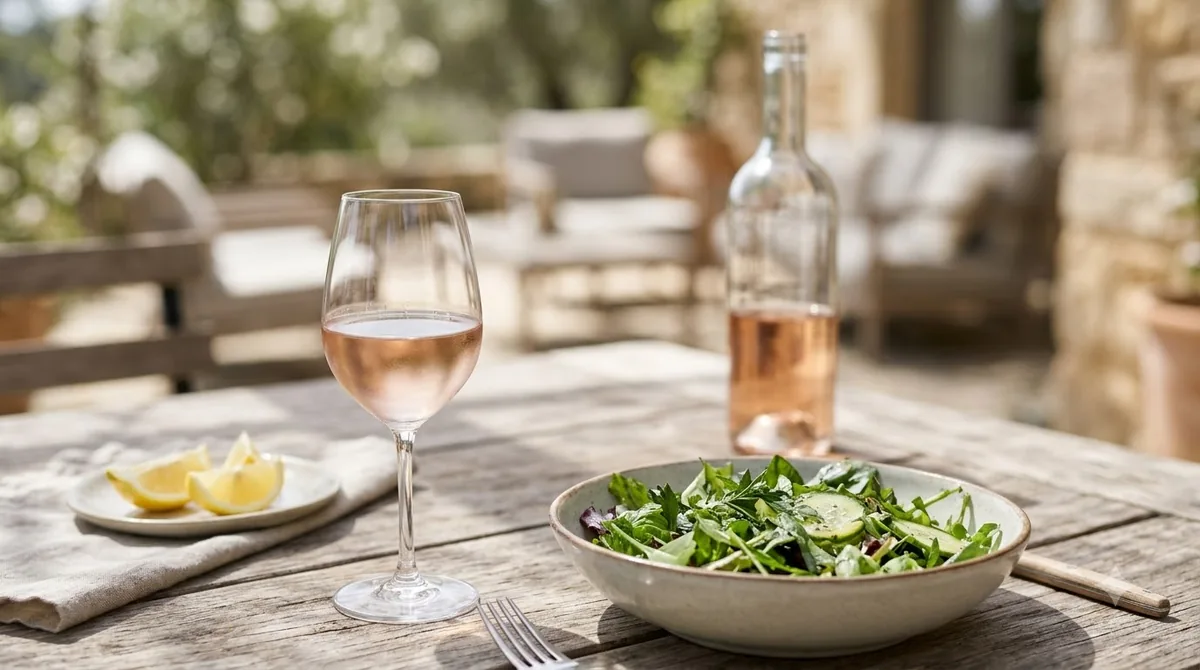
Albariño from Rías Baixas in northwestern Spain is a strong match for cod, haddock, and other flaky fish. It often brings citrus, orchard-fruit, and saline impressions that fit a plate seasoned with salt and lemon. Alvarinho, the closely related Portuguese name used in Vinho Verde, is another good option. These wines are typically fresh and lively, so they can work with both the fish and a squeeze of lemon. For a broader explanation of choosing bottles for delicate fillets, see our guide to what wine goes with white fish.
Sauvignon Blanc is another easy choice, particularly examples from New Zealand or Chile, where the style can show vivid citrus, green fruit, and herbal notes. Those flavors echo lemon wedges and parsley while the grape’s high acidity keeps the pairing energetic. Loire Valley Sauvignon Blanc, including Sancerre, can be more restrained and mineral in profile, which suits a simply seasoned piece of fish. The right choice depends on how strongly the wine’s herbal character comes through: a subtle style is more versatile with tartar sauce, while a pungent, sharply grassy bottle can compete with pickles and vinegar.
Dry Riesling is worth considering when the dish includes lemon, vinegar, or a strongly seasoned side. Its high acidity can handle sharp flavors, and a dry example avoids adding sweetness to an already savory meal. Muscadet from the Loire Valley is another useful choice: its lean body and brisk profile suit seafood, especially when the fish is lightly seasoned. Keep heavily oaked Chardonnay for another meal; its richer texture and lower-feeling acidity may make deep-fried batter seem heavier rather than fresher.
Dry Rosé and Light Reds for Different Plates
Dry rosé is a flexible alternative when the meal includes a generous portion of chips, a flavorful dip, or a side with more personality than plain peas. It offers more red-fruit flavor than most crisp whites while keeping enough freshness for fried fish.
A dry Provence rosé is a sensible starting point: it is usually light, fresh, and restrained enough to accompany mild fish. For a more assertive plate, consider Tavel from the southern Rhône. Wine Enthusiast highlights Tavel as a strong match for deep-fried fish and chips, pointing to its dry, crisp profile, concentrated fruit, and herbal and mineral character. The magazine’s discussion of pairing red wine with fish also makes a useful distinction: the preparation and dominant flavors matter more than a simple white-wine-only rule. Tavel remains rosé, not a full-bodied red, so it offers extra flavor without loading the pairing with heavy tannin.
Light reds can work in selected situations, but they are not the easiest match for the usual fish-and-chips order. Pinot Noir and Gamay have less tannin than Cabernet Sauvignon or Syrah, and a lightly chilled example may suit a fish sandwich with tomato relish or a plate featuring a smoky, savory accompaniment. For a classic battered cod with vinegar and lemon, however, the tannin in red wine can feel drying and the acidity of citrus can make the wine seem flatter. If you prefer red, choose a low-tannin wine, keep it cool, and leave the lemon wedge aside while tasting it.
Rosé is also a useful bridge when one person at the table wants a white wine and another prefers red-fruit character. Choose a dry style rather than a sweet one; the meal’s salt and batter do not need extra sugar. With spicy sauce or curry-seasoned chips, a fruitier rosé may be easier than a very lean white, but avoid a high-alcohol bottle because alcohol can make chili heat feel stronger.
How Vinegar, Tartar Sauce, and Sides Change the Pairing
The accompaniments can change the best wine as much as the fish does. Malt vinegar calls for sharper acidity, tartar sauce rewards a wine with enough freshness to handle creaminess and pickles, and spicy sauces call for restrained alcohol and sometimes a touch of sweetness.
Malt vinegar is the most difficult condiment for a delicate wine because its sharpness can dominate the palate. If vinegar is essential, choose Brut sparkling wine, Sauvignon Blanc, dry Riesling, or Albariño rather than a soft, low-acid white. Add vinegar gradually and taste the wine between bites; a heavy splash may make even a crisp bottle seem muted. Lemon is usually gentler and more compatible with citrus-driven whites, though it still favors wines with good acidity.
Tartar sauce brings mayonnaise richness, chopped pickles or capers, herbs, and often lemon. A brisk Albariño, Sauvignon Blanc, or Brut sparkling wine can refresh the palate after the creamy sauce. A highly aromatic Sauvignon Blanc may echo dill or parsley, while a more neutral sparkling wine lets the sauce remain the main flavor. If the tartar sauce is especially sharp with capers and pickles, avoid a soft, buttery white that lacks enough acidity to meet it.
Think about the sides as well. Mushy peas are mild and earthy, so they do not require a new wine; the same dry white or rosé can usually stay on the table. A side salad with vinaigrette reinforces the need for acidity, while creamy coleslaw can make a fuller white or dry rosé seem more natural. Curry sauce and chili-heavy dips add spice, so an off-dry Riesling may be more comfortable than a high-alcohol wine. That same balance principle applies to other seasoned seafood dishes, including the citrus, salsa, and chili combinations described in our guide to what wine goes with fish tacos.
Serving Temperature, Pour Size, and Bottle Style
Serve the wine cold enough to feel refreshing, but not so cold that its aromas disappear. Sparkling wine and light whites should be chilled well before the food reaches the table, while fuller whites and rosé benefit from a slightly warmer pour.
Use these practical temperature ranges as a starting point. The sparkling range keeps the wine lively alongside hot batter; the light-white and rosé range preserves freshness without muting all the fruit. A fuller white can be served a few degrees warmer, but an oaky, broad Chardonnay is still less reliable with standard battered cod than a crisp style.
| Wine style | Good examples | Serving temperature | Best role on the plate |
|---|---|---|---|
| Dry sparkling | Brut Cava, Crémant, Champagne | 40–50°F | Best all-around match for batter, salt, and chips |
| Light, crisp white | Albariño, Sauvignon Blanc, Muscadet | 45–50°F | Still-wine match for cod, haddock, lemon, and herbs |
| Dry rosé | Provence rosé, Tavel | 45–50°F | Fruitier option for richer sides and bolder seasoning |
| Fuller white | Unoaked or lightly oaked Chardonnay | 50–55°F | Better with richer fish preparations or creamy accompaniments |
| Light red | Pinot Noir, Gamay | 55–60°F | Occasional alternative for savory, less acidic versions |
A standard wine pour is 5 ounces, and a 750-milliliter bottle provides about five glasses. For a relaxed meal, that makes one bottle a practical amount for two adults who each want a couple of glasses, with a little left over depending on the pour. Sparkling wine is best opened just before serving; keep it chilled between pours so the freshness remains part of the pairing. Still whites and rosé should also stay cool, rather than sitting beside a hot fryer or warm takeout container.
Tip: Chill the bottle before ordering or cooking, then pour a small taste with the first bite of fish. If vinegar or tartar sauce makes the wine seem flat, switch to the sharper option already on the table, such as Brut sparkling wine or dry Riesling, rather than reaching for a heavier bottle.
Choose the style according to the setting as well. A casual takeout meal often suits a fresh Cava, Crémant, or Sauvignon Blanc; a sit-down dinner with careful batter and a lemon wedge can justify Champagne or a more detailed Albariño. A wine with obvious sweetness is rarely necessary for traditional fish and chips, and a very high-alcohol bottle can make the salty, hot meal feel tiring. Keep the goal simple: refreshment first, flavor second, weight last.
A Quick Way to Choose the Right Bottle
Choose the wine by identifying the strongest flavor on the plate, not by memorizing a rule that fish always takes white wine. For a classic cod or haddock order, start with Brut sparkling; for a quiet still-wine option, reach for Albariño or Sauvignon Blanc; and for a more flavorful side, consider dry rosé.
Use the following sequence when deciding. First, assess the coating: thick, oily batter makes high-acid sparkling wine especially useful, while a thin crumb coating may need less intensity. Second, check the condiment: malt vinegar points toward the sharpest dry wines, tartar sauce calls for freshness with enough flavor to stay present, and chili sauce makes lower alcohol more important. Third, consider the fish: mild cod and haddock take a lighter wine, while a stronger-flavored fish can support a more aromatic or textured choice.
Finally, match the wine’s weight to the whole plate. A lean Muscadet can be excellent with simply seasoned fish but may feel slight beside heavy batter, a large serving of chips, and a rich dip. A medium-bodied Albariño or dry rosé offers a little more presence without adding oak or tannin. If the plate is served with a richer side dish rather than fish and chips alone, compare the same principles with the wider Wine Pairing basics: balance acidity with acidity, use freshness against fat, and avoid letting alcohol or tannin overwhelm delicate flavors.
There is room for personal preference. Someone who dislikes bubbles can enjoy a dry white, and a rosé drinker does not need to change styles just because the main dish is fried. The most useful test is whether the wine still tastes lively after a bite that includes fish, batter, potato, and condiment together. That combined bite, rather than the fish alone, is the real pairing challenge.
Frequently Asked Questions
These final details help with less typical versions of the dish, from leftover portions to alternative fish and sparkling styles.
Does Prosecco go with fish and chips?
Yes. Choose Brut, Extra Brut, or Brut Nature rather than Extra Dry or Dry: in sparkling-wine sweetness terms, Extra Dry is actually sweeter than Brut. Prosecco is made primarily from Glera, uses the tank method, and typically contains about 11–12% ABV.
Is cod or haddock better with sparkling wine?
Both work well because cod and haddock are mild, flaky white fish that do not overpower a dry sparkling wine. Haddock can have a slightly more pronounced savory flavor, so a fuller traditional-method fizz or a flavorful Albariño can be a good choice when the fillet is thick.
Can I pair fish and chips with nonalcoholic sparkling wine?
Yes. A dry nonalcoholic sparkling wine can provide carbonation and a crisp sensation, although alcohol-free versions vary widely in sweetness and acidity. Choose one described as dry or brut-style and serve it well chilled so it remains refreshing beside the fried coating.
How long does opened wine keep after fish and chips night?
Refrigerated still wine is generally best used within 3–5 days, while opened sparkling wine usually keeps for about 1–3 days with a proper sparkling-wine stopper. Keep the bottle sealed and cold promptly after serving rather than leaving it on the counter overnight.
Should I serve fish and chips wine in a flute?
A flute preserves the stream of bubbles, but a white-wine glass gives aromatic sparkling wine more room to open. For a dry sparkling wine with citrus, apple, or brioche notes, a tulip-shaped glass is a useful middle ground between a narrow flute and a wide bowl.
For most fish-and-chips meals, start with Brut sparkling wine; choose Albariño or Sauvignon Blanc when you prefer a still white, and dry rosé when you want more fruit. The best bottle is the one that stays fresh alongside the batter, chips, and condiment in every bite. Serve it cold, keep the wine dry, and let the sauce on the plate guide any final adjustment.
More in Food & Wine Pairing
 Risotto With White Wine Recipe: Make a Creamy Dinner at HomeUpdated Nov 20, 2026
 Wassail With Wine Recipe for a Festive Spiced Holiday DrinkUpdated Nov 20, 2026
 Spritz Veneziano Recipe: Make a Classic Venetian Aperitivo at HomeUpdated Nov 20, 2026
 Summer Wine Punch Recipe for Easy Homemade EntertainingUpdated Nov 20, 2026
 Bishop Recipe: How to Make a Bright, Citrus-Forward Red Wine CocktailUpdated Nov 20, 2026
 Wine Cupcakes Recipe: Bake Rich Chocolate Cupcakes at HomeUpdated Nov 20, 2026