

We may earn a commission when you buy through links on this page, at no extra cost to you. Learn more.
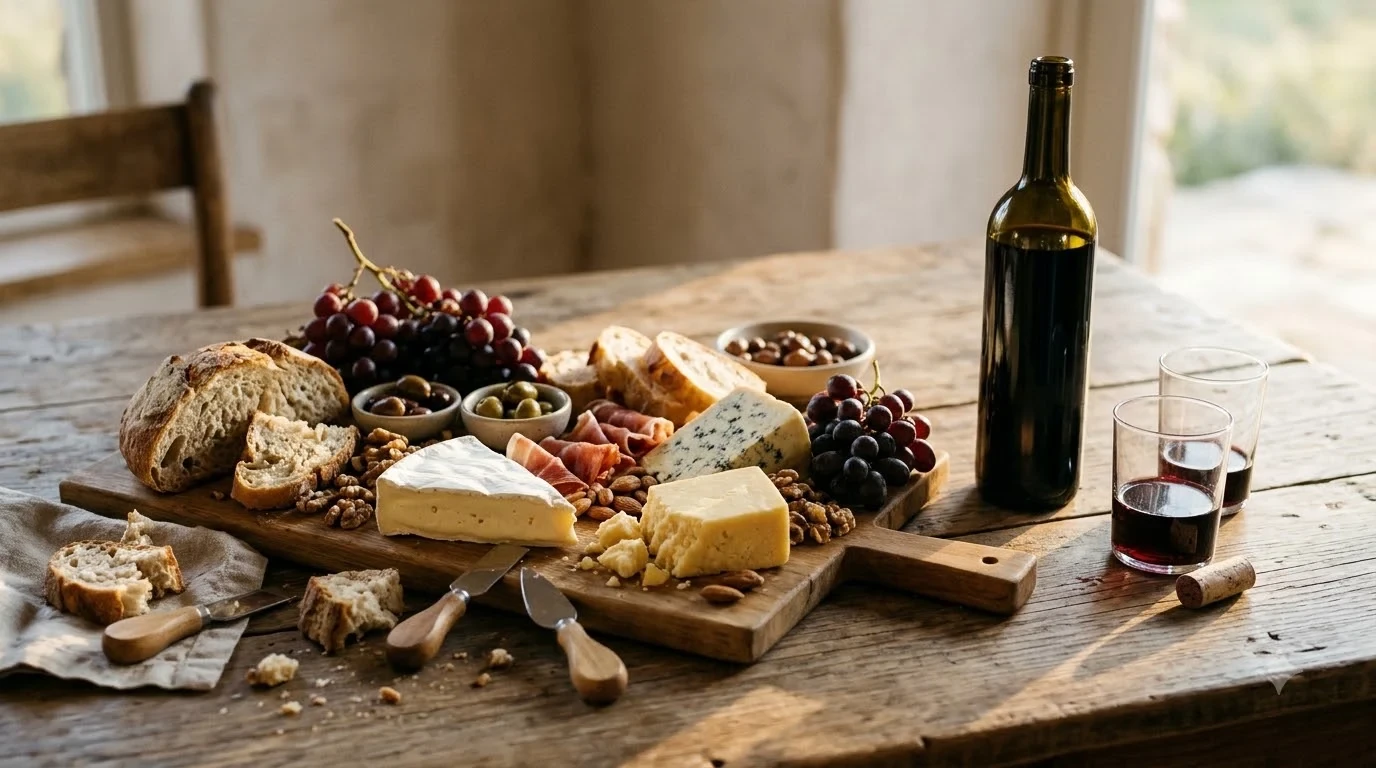
Brie, fresh goat cheese, Comté, and Gruyère are among the best answers to what cheese goes with champagne, especially when the Champagne is dry and lively. Its acidity refreshes the palate, while its bubbles help balance creamy, fatty textures. For a simple board, choose one bloomy-rind cheese, one fresh or aged goat cheese, and one nutty hard cheese; choose a sweeter Champagne if you plan to serve salty blue cheese.
Champagne is often poured before dinner, but it can stay on the table once the cheese board arrives. The key is to match the wine’s sweetness, body, and maturity to the cheese rather than assuming every bottle tastes the same. A crisp nonvintage Brut suits many mild cheeses, while a richer vintage bottle can stand up to aged Comté or a more savory cheese. The suggestions below make it easy to choose a pairing whether you are opening one bottle for a small gathering or planning several courses.
The Best All-Around Cheeses for Champagne
The most reliable Champagne pairings are cheeses with creamy, milky, lightly salty, or nutty flavors: Brie, a young goat cheese, Gruyère, and Comté are strong starting points. Their textures and flavors let the wine remain expressive instead of overwhelming it.
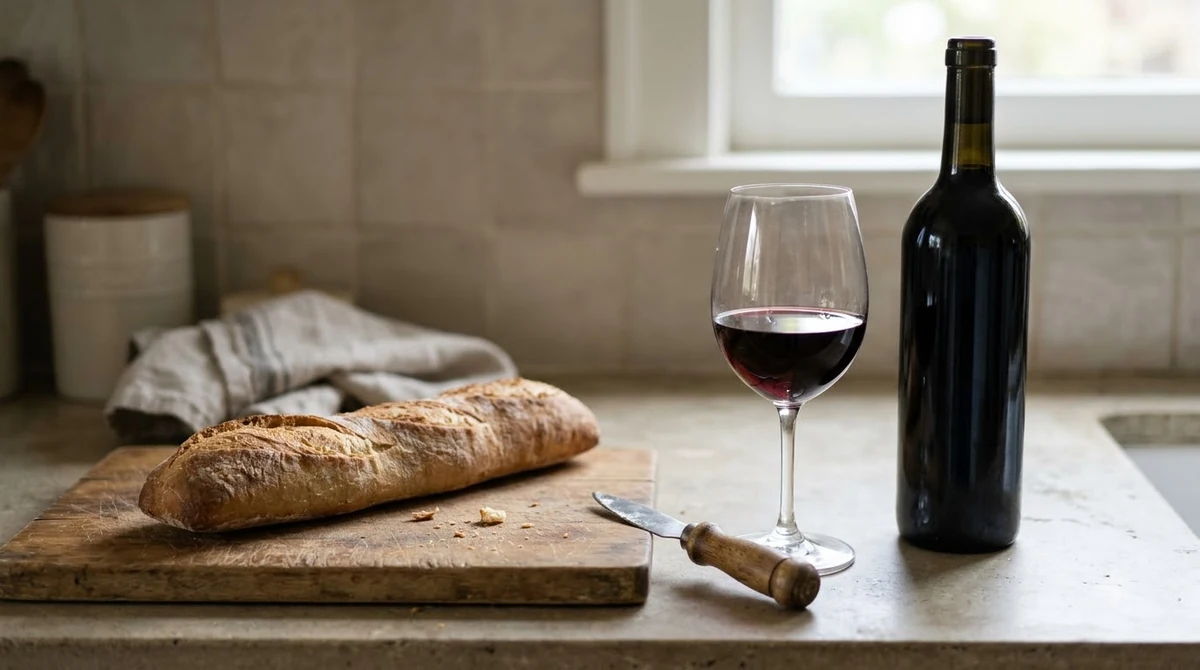
Champagne works especially well with cheese because the wine brings both acidity and effervescence. Acidity gives the palate a fresh counterpoint to milk fat, and the bubbles create a lively contrast with a soft or rich paste. Laurent-Perrier’s Champagne-and-cheese pairing guide likewise emphasizes the range of styles: Brie and Chaource suit Brut, goat cheeses suit Blanc de Blancs or Extra Brut, and aged Comté calls for a more mature Champagne. The weight of the wine should suit the intensity of the cheese. A delicate fresh cheese needs a lighter Champagne; a pronounced, aged cheese needs a wine with more depth.
For a first board, keep the selection focused. Brie or Chaource provides a soft, creamy element; fresh goat cheese adds tang; and Comté or Gruyère brings a firmer, nutty contrast. A young cheddar can also work, particularly when it is milky rather than sharp. This three- or four-cheese approach gives guests different textures without creating a board so forceful that it masks the Champagne.
There is no need to make every cheese French. A mild American farmhouse cheddar, fresh chèvre, or Alpine-style cheese can fit just as naturally; flavor and age matter more than country of origin.
Brie and Triple-Cream Cheese with Brut Champagne
Brie, Camembert, and triple-cream cheeses are classic choices for a dry Brut because their rich texture softens the wine’s brisk acidity. Choose cheese that is ripe but not past its best, and keep the Champagne fresh rather than overly powerful.
Brie de Meaux, Camembert de Normandie, Chaource, Brillat-Savarin, and Crémeux de Bourgogne are useful options. Brie and Camembert contribute a buttery center and a mushroom-scented rind; triple-cream cheeses such as Brillat-Savarin feel richer and silkier. Brut Champagne brings enough acidity and bubbles to keep each bite from feeling heavy. An Extra Brut can also work, especially with a lush triple cream, although its drier impression may be more pronounced alongside a very mild cheese.
Ripeness matters as much as the label on the cheese. A young bloomy-rind cheese can be firm and chalky in the middle, while a ripe one has a softer, custardy center and more developed mushroom notes. If Brie smells strongly of ammonia or tastes bitter, it is past its ideal pairing window; Champagne will not correct that fault. Buy a cheese that is ready to eat for the day you plan to serve it, rather than choosing the softest wheel available.
Serve Brie in modest wedges so guests get both paste and rind in each bite. Add pear slices or plain crackers rather than sweet chutney, which can make a dry Brut seem sharper. To compare other still-white options for this cheese style, see our guide to what cheese goes with white wine.
Goat Cheese with Blanc de Blancs and Rosé Champagne
Fresh goat cheese is a natural match for a bright, Chardonnay-led Blanc de Blancs, while more mature goat cheeses can handle a fuller vintage Champagne. Look for tang, fresh herbs, or gentle earthy notes rather than a heavily salted or aggressively aged style.
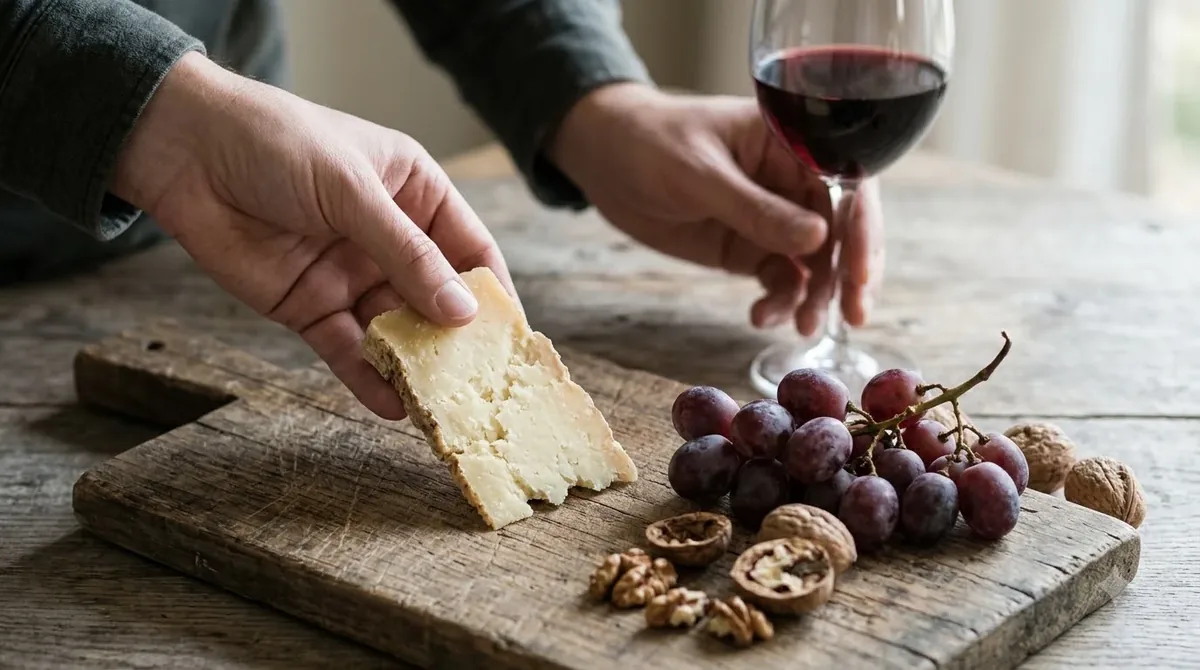
A fresh chèvre log, Crottin, Selles-sur-Cher, or a soft-ripened goat cheese such as Bonne Bouche can work well with Champagne. Goat cheese often has a lively lactic tang that meets the wine’s acidity instead of fighting it. Blanc de Blancs, made from white grapes and often led by Chardonnay, keeps the pairing focused and crisp. A rosé Champagne can be a useful alternative when the cheese has a more pronounced rind or when the bottle shows red-fruit character.
Texture changes the match. Spreadable chèvre and fresh goat curd suit a youthful, light-bodied Champagne because neither side dominates. A dense or aged goat cheese has a more concentrated flavor and firmer texture, so it benefits from a bottle with greater depth and some developed, savory notes. That is a different experience from pairing a fresh, mild chèvre with a simple aperitif Brut. The wine should have enough concentration to meet the cheese rather than flatten its earthy, tangy character.
Herbs can connect the wine and cheese: thyme or chives can echo subtle herbal notes in a Blanc de Blancs. Keep garlic, chili, and heavy spice modest, and serve small goat-cheese rounds with toast points, cucumber, or a thin slice of pear.
Comté, Gruyère, and Other Aged Cheeses
Nutty hard cheeses such as Comté and Gruyère are excellent with a fuller Brut or a mature vintage Champagne, particularly when the wine has some brioche, toast, or hazelnut character. The more developed the cheese, the more structure and depth the bottle should bring.
Comté is a particularly useful match because its flavor can range from milky and gently nutty to deeply savory and complex as it ages. Gruyère, Beaufort, aged Gouda, Manchego, and a restrained aged cheddar offer related possibilities. With a younger, less assertive cheese, a nonvintage Brut is usually enough. For an older Comté or Beaufort, choose a richer Champagne or one with extended lees aging, which can develop the toasted-bread and biscuit notes that sit comfortably beside the cheese’s nutty flavors. The general rule is to give a more concentrated cheese a wine with enough body and aromatic depth to stand beside it.
Hard cheese also gives you flexibility with accompaniments. Walnuts, almonds, dried apple, and plain bread underline nutty flavors without much sweetness. Cut the cheese into small, thin pieces so guests can compare it with the wine between sips.
For an especially simple pairing, put Comté and Gruyère beside a nonvintage Brut and let the bottle do double duty from the first pour through the cheese course. If the cheese is very mature, give it a place later in the tasting order, after fresh chèvre and Brie. Our article on how to pair wine with cheese explains the same intensity-matching principle across still wines and different cheese families.
Washed-Rind and Blue Cheese: Pair with More Care
Washed-rind cheeses can work with Champagne when the wine has enough body to meet their savory intensity, while salty blue cheese is usually better with an off-dry or sweeter style. These are more assertive pairings, so serve small portions and taste the cheese with the wine before building the board around them.
Langres is an especially interesting regional choice because it comes from the Champagne area and has a washed rind and savory, meaty character. Other examples include Époisses, Munster, Taleggio, and Oma, a semi-soft washed-rind cheese aged for 60 to 90 days. VinePair’s advice from cheesemongers and wine professionals includes young, bloomy, and washed-rind cheeses among the options for Champagne. A structured Brut or a fuller Champagne can meet these flavors better than a very delicate Blanc de Blancs. Keep portions small: a little washed-rind cheese can add depth, but a large wedge may dominate an otherwise balanced glass.
Blue cheese needs a different strategy. Roquefort, Stilton, and Gorgonzola Piccante can be intensely salty, tangy, and savory, so a very dry Brut may taste austere beside them. Demi-Sec or another off-dry Champagne offers a useful contrast: its sweetness rounds the salt while its acidity keeps the combination from becoming cloying. Laurent-Perrier’s pairing recommendations place Roquefort and Bleu d’Auvergne with Demi-Sec Champagne or richer, evolved styles; the extra sweetness helps meet the cheese’s salt and intensity.
Do not assume every blue cheese needs the same level of sweetness. A restrained, creamy blue such as Fourme d’Ambert is less forceful than Roquefort or Gorgonzola Piccante. Start with a tiny portion, then decide whether the wine still tastes balanced. If the blue overwhelms the glass, keep it as a separate final bite rather than serving it beside every cheese. For very powerful blues, a sweet dessert wine may be a more natural match than Champagne.
Choose the Champagne Style and Serve the Board Well
Match sweetness first, then consider body and maturity: Brut is the safest all-purpose choice, while Demi-Sec is more suitable for salty blue cheese. Serve Champagne at 46 to 50 F and allow the cheese to warm slightly before guests begin eating.
The sweetness terms on Champagne labels follow a recognized order from driest to sweetest: Brut Nature, Extra Brut, Brut, Extra Dry, Dry, Demi-Sec, and Doux. Brut is a flexible starting point for Brie, young goat cheese, and many hard cheeses. Extra Brut and Brut Nature suit people who prefer a very dry style and can work with creamy cheeses that provide a rich contrast. Extra Dry is actually sweeter than Brut, despite how its name sounds, so it can be helpful with a little more salt or a mildly tangy cheese. Demi-Sec and Doux are better candidates when sweetness is part of the cheese pairing, especially with a salty blue or a cheese course served as dessert.
Body and age matter alongside sweetness. A light, crisp nonvintage Champagne is a good match for fresh chèvre and mild Brie. A fuller Pinot Noir-led blend or mature vintage Champagne can stand up to aged Comté, Beaufort, and more aromatic washed-rind cheese. If you are opening only one bottle, choose a nonvintage Brut and build most of the board around mild and medium-intensity cheeses; leave the strongest blue cheese off the main platter or serve it as a separate final course.
| Cheese | Champagne style | Practical detail |
|---|---|---|
| Brie or Chaource | Brut | Serve ripe, not overripe |
| Fresh goat cheese | Blanc de Blancs or Brut | Best with a bright, tangy style |
| Aged Comté | Fuller Brut or vintage | Works with developed, nutty flavors |
| Langres or Oma | Structured Brut | Oma is aged 60–90 days |
| Roquefort or Stilton | Demi-Sec | Use sweetness to balance salt |
| All styles | Serve at 46–50 F | Take cheese out 45–60 minutes ahead |
The Champagne trade association recommends serving Champagne at 8 to 10 degrees Celsius, or 46 to 50 F. Allow cheese to come toward room temperature before serving; a 45- to 60-minute rest outside the refrigerator is a useful planning window for many styles. Very cold cheese can seem muted, while warm Champagne can lose freshness. Use a tulip-shaped glass if available, and pour modest amounts so the wine remains cool. Arrange the board from mildest to strongest: fresh goat cheese, Brie, Comté or Gruyère, washed-rind cheese, then blue cheese. This order helps prevent a pungent cheese from overwhelming the next bite. Put a separate knife beside the blue cheese and offer plain crackers between styles. For more practical wine basics, visit Wine Q&A; and when a bottle has been open for a while, learn how to tell if Champagne is bad before serving it again.
Tip: For one dependable bottle-and-board combination, pour Brut Champagne with Brie, fresh goat cheese, and Comté. Add Demi-Sec only when you want to serve a salty blue cheese, and keep that cheese at the end of the tasting.
Frequently Asked Questions
These quick answers cover useful choices beyond Brie, Comté, Gruyère, and Roquefort. Adjust the final choice to the cheese’s salt level, age, and intensity rather than relying on its name alone.
Can Champagne pair with Parmesan?
Yes. Aged Parmigiano-Reggiano has a granular texture and savory depth that can suit a mature Champagne with nutty or toasted notes. Try a small shard with a mushroom canapé or a plain piece of bread so the cheese remains the focus.
Is cheddar a good cheese to serve with Champagne?
Yes, especially a young or medium-aged cheddar with a creamy rather than very sharp profile. A classic Brut or rosé Champagne can work with it, while a very old, crumbly cheddar may need a fuller wine with more flavor concentration.
Can I serve Champagne with cheese fondue?
Yes. A dry Brut can refresh the palate between bites of a fondue made with Gruyère and Emmental, two traditional melting cheeses. Keep the fondue seasoning restrained and avoid adding a sweet dipping sauce that would make the wine seem lean.
Does Champagne work with feta?
Fresh feta can work in a small portion, particularly with a crisp Brut and cucumber, herbs, or plain pita. Because feta is briny and often quite salty, taste the combination before adding olives or other salty ingredients to the same plate.
Should I pour Champagne directly onto the cheese?
Usually, serve the wine in the glass so its bubbles and aromas remain easy to appreciate. One regional exception is Langres, which is sometimes served with a small splash of Champagne in its hollowed center; treat that as a specific presentation rather than a general rule for the whole board.
For the most versatile pairing, start with a well-made Brut and choose Brie, fresh goat cheese, and Comté. Then adjust the bottle to the board: more mature Champagne for aged cheese, and a sweeter style for salty blue. With a few thoughtful choices, Champagne can carry a cheese course from the first bite to the last glass.
More in Wine Basics
 What Is The Best Wine For Mimosas? Choose Bubbly That Balances Orange JuiceUpdated Nov 20, 2026
 Which Prosecco Is Best for Your Taste and OccasionUpdated Nov 20, 2026
 Which Wine Is Best For Health? Understand the Risks and BenefitsUpdated Nov 20, 2026
 Which Champagne Is Best for Your Taste and OccasionUpdated Nov 20, 2026
 What To Put In A Wine Gift Basket For A Thoughtful, Memorable GiftUpdated Nov 20, 2026
 What Is the Best Wine for Mulled Wine? Choose a Smooth, Fruity RedUpdated Nov 20, 2026