

We may earn a commission when you buy through links on this page, at no extra cost to you. Learn more.
What is wine made of? Wine is an alcoholic drink made from fermented grape juice, and its character comes from grape sugar, yeast, acids, tannins and the alcohol that fermentation produces. Most wines use grapes from the Vitis vinifera species, and winemakers shape the final flavor by choosing grapes, controlling fermentation and deciding how long the wine stays in contact with the grape skins.
Wine can seem like a mysterious product, but its basic ingredients are fewer than most people expect. A bottle of wine is built from a short list of natural components, and each one affects how the wine tastes, feels and ages. Knowing what goes into the glass makes it easier to understand why a red can taste so different from a white, or why a sweet wine and a dry wine come from the same grapes.
The grapes and the juice
Every wine starts with grapes, and most wine is made from varieties of Vitis vinifera. The juice from those grapes contains natural sugars, water and acids, along with aroma compounds that give each variety its character. Grape juice is the base for everything else, so the choice of grape and the growing conditions have a large influence on the final bottle.
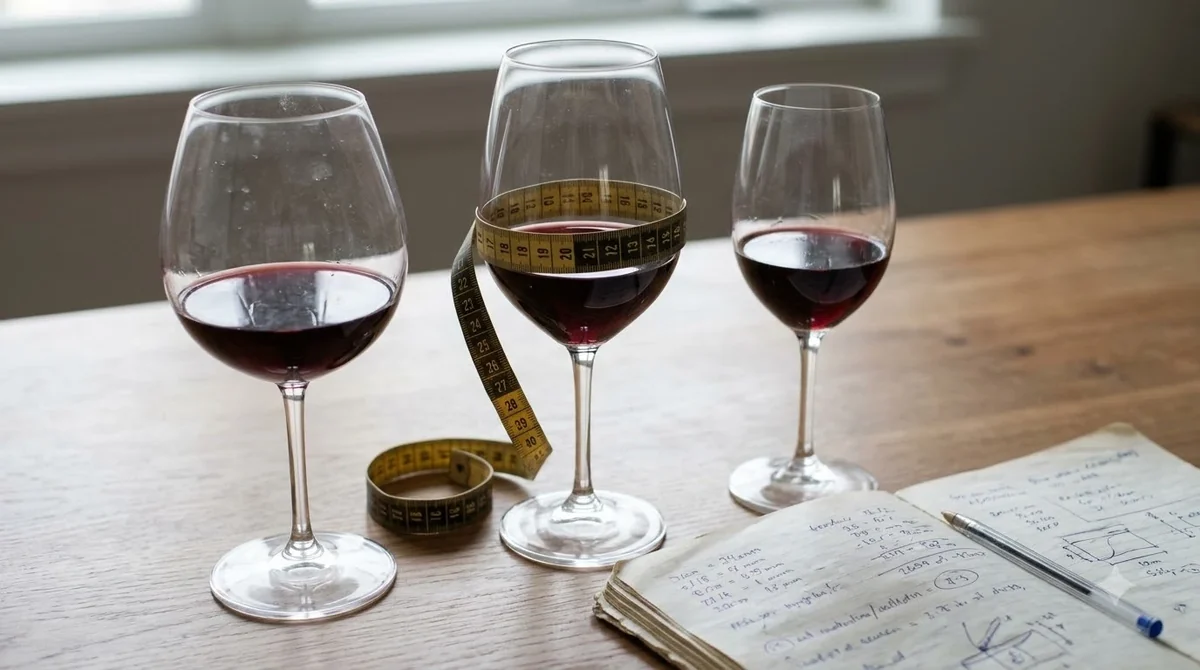
Red and white wines differ mainly in how the juice is handled after pressing. Red wines usually ferment with the skins, which is where much of their color and structure comes from. White wines are typically fermented after the juice is separated from the skins. The grape itself sets the starting point, but the winemaker’s decisions set the style.
Sugar, the fuel for fermentation
The natural sugar in grape juice is the fuel for fermentation. Reference material on wine describes sugar as the element that yeast turns into alcohol, which is why sugar content and fermentation control shape the final strength of a wine. When yeast consumes most of the sugar, the wine is dry. When fermentation stops early, some sugar remains, and that residual sugar sets the sweetness.
Winemakers may also add sugar in some regions, where the law permits it, to raise the alcohol content of a wine. This practice is called chaptalization. It is not used in every wine-producing country, and the rules vary from place to place, so the label or producer information is the best place to check how a particular bottle was made.
Yeast and fermentation
Yeast is the living ingredient that drives the whole process. Yeast is naturally present on grape skins, but most producers add a specific strain so that the fermentation is predictable and consistent. The yeast consumes sugar and converts it into alcohol, heat and carbon dioxide. Those three outputs are the reason fermentation is such a central step in winemaking.
The type of yeast, the temperature and the length of fermentation all affect the aroma and texture of the finished wine. A cool, slow fermentation can keep fresh fruit notes, while a warmer, faster one may produce a different profile. Because yeast is a microorganism, it is an important point to understand when people ask what wine is made of.
Acids and tannins
Acidity is one of the most important structural parts of wine. It keeps a wine lively and helps it age, and winemakers can adjust acid levels when needed. In some wines, a process called malolactic fermentation takes place, in which bacteria convert harsher malic acid into softer lactic acid. That change often rounds out the texture of a wine, particularly many red and some white wines.
Tannins come from phenolic compounds in the skin, seeds and stem fragments of the grape. They are extracted during maceration, the stage when the juice stays in contact with the skins. Tannins are responsible for much of a red wine’s structure, and they also contribute to its color and flavor. This is why red wine often feels firmer in the mouth than white wine.
Alcohol, the result of fermentation
Alcohol is produced by fermentation rather than added as a separate ingredient in most wines. The alcohol level depends on how much sugar is fermented, which is why the same grapes can produce a lighter or stronger wine depending on the winemaker’s choices. Reference material gives table wine a typical range of 12.5 to 14.5 percent alcohol by volume.
Alcohol does more than set the strength of a wine. It affects body, warmth and the way flavors are perceived, and it works together with sugar, acid and tannin to shape the overall balance. A wine with high alcohol can feel fuller, while a wine with lower alcohol often feels lighter and more refreshing.
For a broader overview of how wine is defined and produced, the Wikipedia entry on wine describes the drink as an alcoholic beverage made from fermented grape juice and explains the main ingredients in the same way.
Sulfites and other additions
Many wines contain small amounts of sulfites, which are sometimes added as a preservative. They help protect wine from oxidation and spoilage during storage and transport. The sources used for this guide do not treat sulfites as a core ingredient, so they are best seen as a stabilizing addition rather than a part of the grape itself.
Beyond sulfites, the list of permitted additions depends on the country and the style of wine. Some producers use fining agents to clarify a wine, which is a separate topic that we cover in more detail elsewhere. The basic recipe, however, stays the same: grape juice, yeast, time and the natural compounds that come from the grape.
Tip: If you want to understand a wine’s style, start with the grape and the winemaking method. Those two choices explain most of the differences you will taste in the glass.
How the ingredients shape the taste
Every ingredient in wine plays a role in how it tastes. Sugar determines sweetness, acid provides freshness, tannin adds structure and drying sensation, and alcohol contributes body and warmth. Aroma compounds from the grape and from fermentation fill in the rest of the profile, giving each wine its characteristic fruit, floral or savory notes.
The table below summarizes the main components and what each one contributes to the glass.
| Component | Where it comes from | What it does |
|---|---|---|
| Grape sugar | Grape juice | Fuels fermentation; residual sugar sets sweetness |
| Yeast | Grape skins or added strain | Turns sugar into alcohol, heat and carbon dioxide |
| Acids | Grape juice, sometimes changed by bacteria | Adds freshness and helps aging |
| Tannins | Skins, seeds and stems | Adds structure, color and drying feel |
| Alcohol | Produced by fermentation | Adds body and warmth |
| Sulfites | Sometimes added | Acts as a preservative |
Understanding these parts explains why two wines made from the same grape can taste so different. Small changes in fermentation, skin contact or acid management can shift the balance between fruit, structure and warmth.
Frequently Asked Questions
Is wine made only from grapes?
Wine is made from fermented grape juice, so grapes are the basic ingredient. Yeast carries out the fermentation, and some wines include small additions such as sulfites. Alcohol is produced during fermentation rather than being added as a separate ingredient in most wines.
Does wine contain yeast?
Yes. Yeast converts grape sugar into alcohol during fermentation. It is naturally present on grape skins, but most producers add a specific strain for consistent results.
What gives red wine its color and tannins?
Phenolic compounds from the skins, seeds and stems give red wine much of its color and tannin. These are extracted during maceration, when the juice stays in contact with the skins.
How much alcohol is in a typical bottle of table wine?
Table wine is typically between 12.5 and 14.5 percent alcohol by volume, according to the reference material used for this guide. The exact figure on a label depends on the grape, the climate and the winemaking choices.
Wine is simple in its ingredient list but complex in its results. Grapes, sugar, yeast, acids, tannins and alcohol work together, and the winemaker’s decisions shape the final style. To learn more about the basics, visit our wine Q&A hub, or read our explanation of what tannins are in wine for more detail on structure.
More in Wine Basics
 Which Rose Is Best for Your Taste, Budget, and Food PairingsUpdated Nov 21, 2026
 Is Cheap Wine Bad? How to Find Bottles Worth DrinkingUpdated Nov 21, 2026
 What To Write On A Wine Gift Tag: Thoughtful Messages For Every OccasionUpdated Nov 21, 2026
 Which Wine Is Best For Weight Loss? Compare Lower-Calorie ChoicesUpdated Nov 21, 2026
 What Is The Best Wine For Mimosas? Choose Bubbly That Balances Orange JuiceUpdated Nov 20, 2026
 Which Prosecco Is Best for Your Taste and OccasionUpdated Nov 20, 2026