

We may earn a commission when you buy through links on this page, at no extra cost to you. Learn more.
How much sugar in wine? A dry wine has up to about 4 grams of sugar per liter, while a sweet wine has at least 45 grams per liter. That means a typical glass of dry wine contains well under a gram of sugar, and a glass of sweet wine can contain several grams or more. The exact number depends on the style, the producer, and how much sugar the winemaker left after fermentation.
This guide turns those numbers into practical amounts you can picture, including how much sugar is in a bottle and a glass, and why the figures vary so widely from one wine to another.
The Units Behind Wine Sugar
Wine sugar is usually measured in grams per liter, often shortened to g/L. One liter is about 33.8 fluid ounces, and a standard bottle holds 750 milliliters, which is three-quarters of a liter. When a wine has 4 g/L of sugar, every liter contains 4 grams, so the sugar in a bottle depends on its volume as well as its concentration.
The sugar measured in wine is mainly glucose and fructose left over after fermentation, known as residual sugar. Because this is the sugar that remains in the finished bottle, it is the figure that determines how sweet the wine tastes. Some wines also have sugar that is not counted in the standard measure, but for everyday purposes residual sugar is the number to focus on.
Sugar in Dry Wines
Dry wines have the least sugar. According to the OIV, the international wine organization, as summarized on Wikipedia in its residual sugar entry, a wine can be classed as dry when it contains no more than 4 g/L of glucose plus fructose. Wines with less than 1 g/L are uncommon, because some sugars are very hard for yeast to ferment, so most dry wines sit somewhere between a fraction of a gram and the 4 g/L limit.
Red, white, and rosé table wines marketed as dry all fall in this category. Reds from warm regions and whites from cool regions can taste very different even when their sugar levels are close, because acidity, tannin, and alcohol all shape what your palate picks up. A dry wine can therefore taste fruity or even slightly rich while still having very little sugar.
Sugar in Sweet Wines
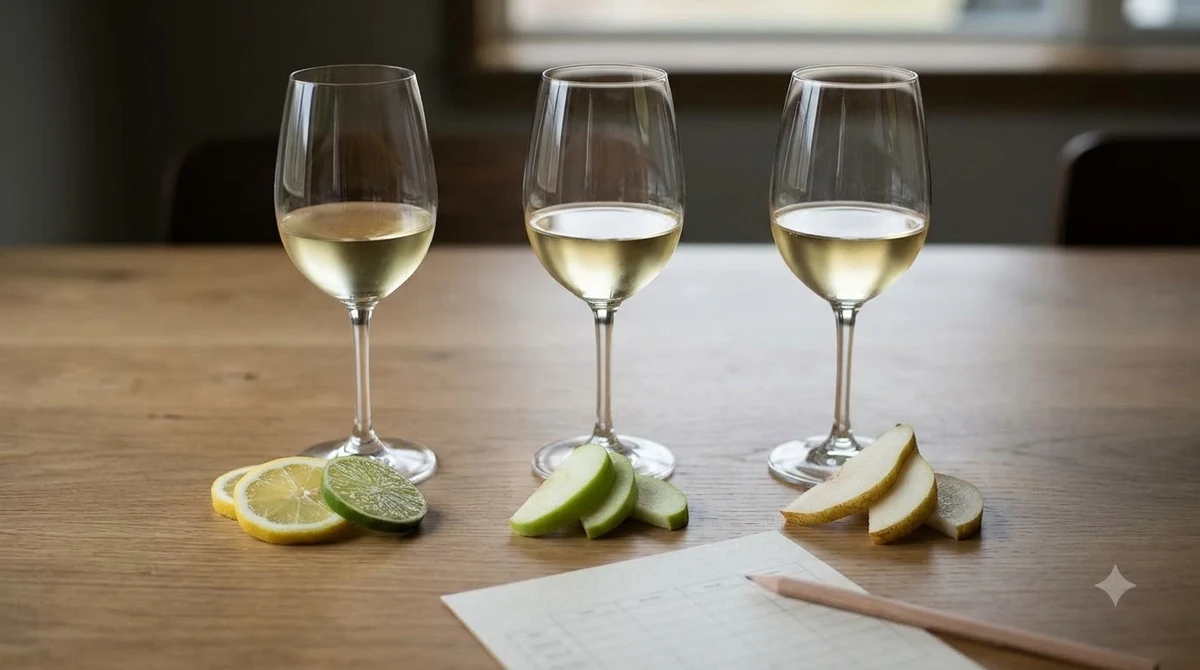
Sweet wines start at 45 g/L of glucose plus fructose under the same standards. That threshold is far higher than the dry limit, and it is why sweet wines taste so different on the palate. Many dessert wines sit well above 45 g/L, and the sugar is often balanced by strong acidity to keep the finish fresh.
The most extreme examples go far beyond the basic threshold. The Château d’Yquem, a famous sweet wine from Bordeaux, is listed with 100 to 150 g/L in great vintages, and some Hungarian Tokaji Eszencia wines are said to contain more than 450 g/L, with exceptional vintages reaching around 900 g/L. Those are rare, concentrated wines made in small quantities, and they are served in small pours for that reason.
| Wine style | Sugar per liter | Sugar in a 750 ml bottle |
|---|---|---|
| Dry (OIV limit) | Up to about 4 g | Up to about 3 g |
| Sweet (OIV threshold) | At least 45 g | At least about 34 g |
| Great Sauternes-style dessert wine | Often well above 45 g, such as 100 to 150 g in top vintages | Roughly 75 to 113 g |
The bottle figures are simple arithmetic from the per-liter numbers above, using a 750 ml bottle.
Sugar Per Glass
A common standard pour of about 5 fluid ounces, or roughly 150 milliliters, makes the math simple. At the dry limit of 4 g/L, a glass holds about 0.6 grams of sugar. At the sweet threshold of 45 g/L, the same glass holds about 6.7 grams, and richer dessert wines can hold considerably more.
These numbers help explain why a single glass of dry wine barely registers as sugar, while a generous pour of dessert wine can add a noticeable amount. Portion size matters as much as the style, so a large restaurant pour of a sweet wine is a bigger sugar load than a small taste.
How to Read Sweetness on the Label
Many bottles do not show grams per liter. Some labels use words such as dry, off-dry, semi-sweet, or sweet, and sparkling wines use their own terms. When the number is not printed, the producer’s tasting notes and the region of the wine are often the best guide. A wine that is described as fruity and fresh may still be dry, while a wine described as honeyed or luscious is more likely to be sweet.
If you are comparing bottles, focus on the words used on the label and in the tasting notes rather than trying to guess the sugar figure from the color or the price. Sweetness is a matter of style, and two wines with similar sugar levels can taste very different because of their acidity and alcohol.
What Sugar Level Means for Your Choice
If you are tracking sugar for dietary reasons, the easiest approach is to compare the style rather than the bottle size. Dry table wines contribute very little sugar per glass. Sweet and dessert wines contribute much more, so a small pour of a rich sweet wine can be a better option than a large glass when sugar is a concern.
For everyday drinking, most people choose a style for taste first. Dry wines suit savory meals, while sweeter wines suit fruit, cheese, or dessert. A sweet wine with good acidity often tastes lighter than its sugar figure suggests, which is why trying small pours is the best way to learn what you prefer.
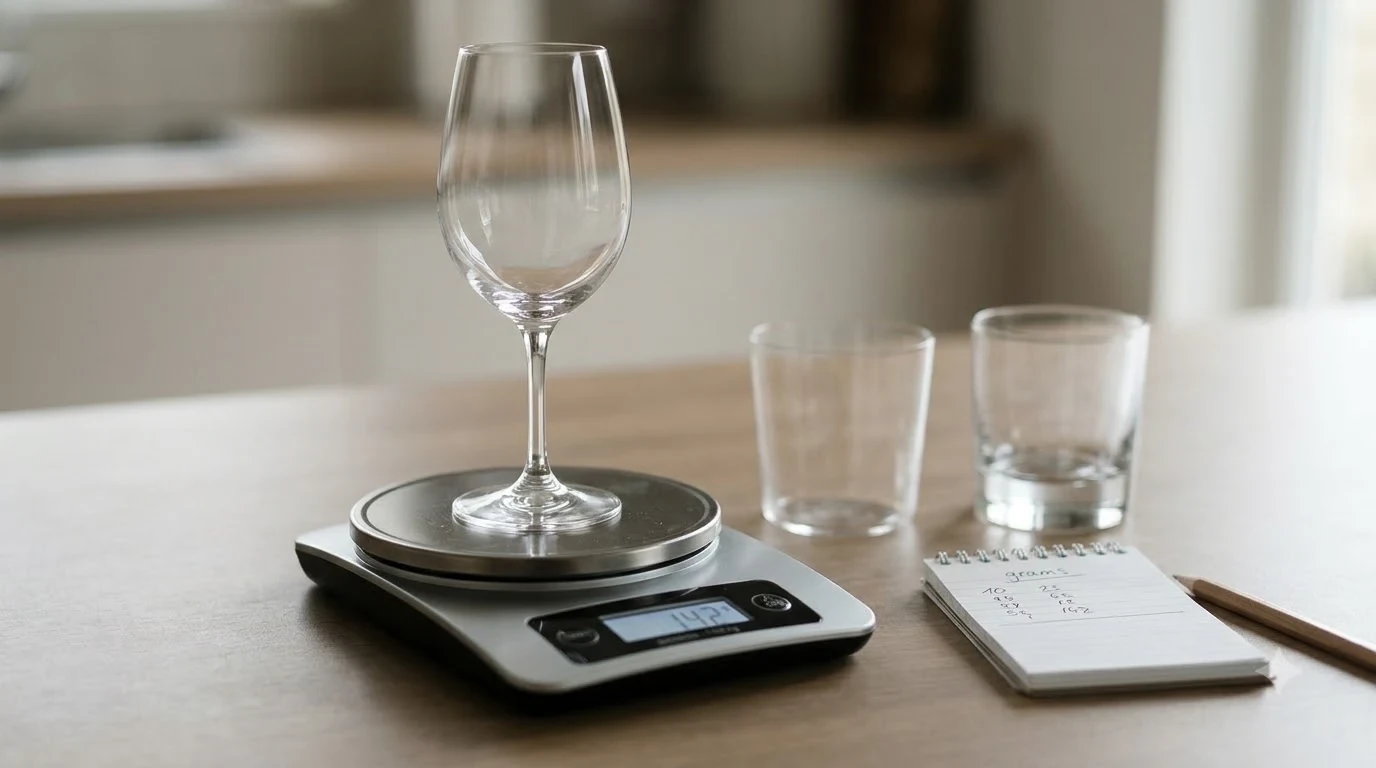
Tip: Measure the pour once at home with a standard glass and a measuring cup. Knowing how much a glass holds makes it easier to estimate both alcohol and sugar.
Frequently Asked Questions
How many grams of sugar are in a glass of wine?
A dry wine usually contains well under a gram of sugar per glass, while a sweet wine can contain several grams. Using the OIV thresholds and a 5-ounce pour, a dry glass holds up to about 0.6 grams and a sweet glass at least about 6.7 grams.
Which wine has the most sugar?
Dessert wines are the sweetest. Some traditional examples, such as Château d’Yquem in great vintages, contain roughly 100 to 150 grams per liter, and certain Tokaji Eszencia wines are reported to contain far more.
Is sweet wine the same as sugary wine?
Sweet wine has residual sugar that you can taste, while the term sugary is usually used for wine that tastes overly sweet. Good sweet wines keep enough acidity to feel balanced rather than heavy.
Does a bottle of dry wine have a lot of sugar?
No. A dry 750 ml bottle contains up to about 3 grams of sugar under the OIV limit, which is a small amount compared with most foods and drinks.
The sugar in wine ranges from a trace in dry styles to very high levels in dessert wines. Knowing the per-liter figures makes it easier to picture the amount in a glass or a bottle. For more basics on how wine is made and labeled, visit the Wine Q&A section, and for a shorter answer to the sugar question, see does wine have sugar. Readers who are also checking tannin levels in red wine may find what tannins in wine are a useful companion read.
More in Wine Basics
 Which Rose Is Best for Your Taste, Budget, and Food PairingsUpdated Nov 21, 2026
 Is Cheap Wine Bad? How to Find Bottles Worth DrinkingUpdated Nov 21, 2026
 What To Write On A Wine Gift Tag: Thoughtful Messages For Every OccasionUpdated Nov 21, 2026
 Which Wine Is Best For Weight Loss? Compare Lower-Calorie ChoicesUpdated Nov 21, 2026
 What Is The Best Wine For Mimosas? Choose Bubbly That Balances Orange JuiceUpdated Nov 20, 2026
 Which Prosecco Is Best for Your Taste and OccasionUpdated Nov 20, 2026