

We may earn a commission when you buy through links on this page, at no extra cost to you. Learn more.
Penfolds Grange is the flagship red of the Australian producer Penfolds, made mostly from Shiraz with a small share of Cabernet Sauvignon. It is known for a 1951 experimental vintage that became one of the most collected wines in the country. This guide covers what Penfolds Grange is, how it tastes and ages, how to serve it, and what to check before buying a bottle.
Penfolds describes itself as making remarkable wines since 1844, according to its official website, and Grange is the name most people connect with the house. The wine is often discussed alongside the great reds of the world, but it is also a bottle that people open for a special dinner or a milestone. The sections below explain the background, the style, and practical notes on serving, pairing and buying.
What Penfolds Grange Is
Penfolds Grange is an Australian red wine made predominantly from Shiraz, the name used in Australia for the grape known as Syrah in France. Winemakers usually add a small percentage of Cabernet Sauvignon. The blend is part of what sets Grange apart from a single-varietal Shiraz, and it is a big reason the wine is discussed as a house style rather than a simple grape wine.
According to the Wikipedia entry on the wine, Grange is widely considered one of Australia’s “first growth” wines and is among its most collectable. That reputation was built over decades of release history and auction interest, not by a fixed classification with formal rules, so it is best read as a sign of prestige rather than a guarantee of quality in every vintage.
A Short History of the Wine
Grange began as an experiment. Max Schubert, a Penfolds winemaker, made the first vintage on an experimental basis in 1951 after a trip through Europe in 1950, where he studied winemaking practices he had seen in Bordeaux. About 1,800 bottles of that 1951 vintage were produced. The first commercial release came with the 1952 vintage.
That origin matters for buyers because it explains the wine’s identity. Grange was not created as part of a large commercial lineup. It was an attempt to make a long-lived red that combined Australian fruit with the structure of classic European wines, and that original intent still shapes how the wine is discussed and bought today.
How Penfolds Grange Tastes and Ages
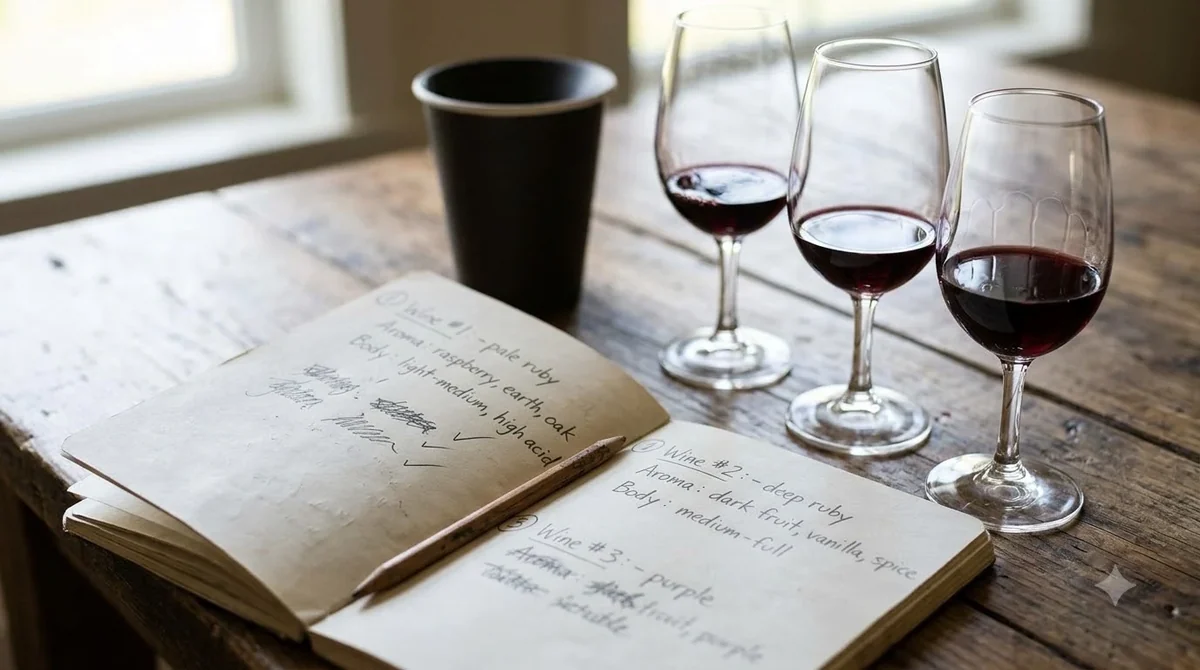
Penfolds Grange is a full-bodied red. Shiraz contributes dark fruit, spice and a rich texture, while the Cabernet component often adds structure and length. Writers who cover the wine tend to describe a balance between generous fruit and firm tannin, with flavors that move from dark berries and plum in young bottles toward earthier, savory notes as the wine develops.
Aging is one of the most discussed topics around Grange. Younger bottles usually show more fruit and oak, while older bottles tend to have softer tannins and more layered aromas. How a bottle has been stored often matters as much as its age, so anyone planning to cellar a bottle should think about temperature stability and light exposure from the start, and should not assume that every vintage will develop in the same way.
How to Serve Penfolds Grange
Serve Grange in a large-bowled red wine glass so the aromas have room to open. Because the wine is full-bodied, it benefits from a short rest after opening. Many drinkers decant younger bottles to soften the tannin, while older bottles call for a gentler approach, with a brief decant and a first small taste to see how the wine is showing.
Temperature matters too. A red served too warm can taste heavy and alcoholic, while a slightly cool red tends to show more clarity and structure. Pour a little, let the glass sit for a few minutes, and adjust from there rather than following a fixed rule.

Tip: If you are opening an older bottle, decant it gently and taste a small glass first. Older wines can fade quickly once they meet air, so plan to finish the bottle within a day.
Food Pairing Ideas
Grange pairs best with rich, savory dishes that can match its weight. Roasted lamb, slow-braised beef and aged hard cheeses are classic choices, because their fat and salt soften the wine’s structure. Grilled foods with char also work well, since the smoky notes echo the oak. Light salads and delicate fish tend to be overwhelmed, so save this bottle for a main course rather than an appetizer.
| Dish | Why it works |
|---|---|
| Roasted lamb | Savory meat matches the wine’s weight and herb notes |
| Slow-braised beef | Rich sauce balances firm tannin |
| Aged hard cheese | Salt and fat soften the structure |
| Grilled steak | Char echoes the oak and smoky notes |
Buying and Storing a Bottle
Grange is sold in many markets, and secondary sellers carry older vintages, so provenance matters. Buy from established retailers, check that the label and capsule look right, and ask for storage details when you buy an older bottle. Keep bottles away from heat and direct light, and store corked bottles on their side so the cork stays moist.
Reading a few independent tasting notes before you buy can help set expectations. Critics who review Australian reds often comment on how the fruit, oak and tannin are balanced in a given vintage, and that balance changes from year to year. A vintage that a critic calls elegant may feel different from one described as powerful, so it helps to know which style you prefer before choosing a bottle to open at a dinner or to hold for several years.
The producer’s own site is the best place to confirm the current range and release details. For collectors, the more useful questions are about provenance, storage history and whether the seller can document where the bottle has been. Those answers matter more than any single price comparison.
If you are building a wider list of Australian and other premium reds, the guide to wine brands explains how producers differ in style and why some names carry more collector interest. Readers who want to compare other structured reds can also look at our notes on Spottswoode wine and Pedernales wine, which take a different approach to the same kind of cellaring question.
Frequently Asked Questions
What grape is Penfolds Grange made from?
Grange is made mostly from Shiraz, which is called Syrah in France, with a small share of Cabernet Sauvignon. That blend is part of what distinguishes it from a standard single-varietal Shiraz.
Is Penfolds Grange a collectable wine?
Yes. Grange is widely described as one of Australia’s most collectable reds, and older vintages attract collector interest. Collectability is a reputation built over many years, so check current market information from reputable sources before buying for investment.
How long can you age Penfolds Grange?
Grange is a wine built for aging, but the right window depends on the vintage and how the bottle has been stored. Store it in a cool, stable place and taste a bottle before committing to a long hold.
Should you decant Penfolds Grange?
Younger bottles often benefit from decanting to soften the tannin and open the aromas. Older bottles call for a gentler approach, with a short decant and a small test pour before serving the rest.
Penfolds Grange rewards a little preparation. Choose a bottle from a trusted source, serve it with a rich main course, and give it a short rest in the glass. For the wider context of how Australian reds fit into the premium market, the wine brands guide is a useful next read.
More in Wine Brands
 Underwood Wine Price: Compare Bottles, Cans, and Pack SizesUpdated Nov 21, 2026
 Zenato Wine Price: Compare Styles and Choose the Right BottleUpdated Nov 21, 2026
 Zuccardi Wine Price: Compare Bottles and Find the Right RangeUpdated Nov 21, 2026
 Yellow Tail Moscato Review: Taste, Sweetness and Serving TipsUpdated Nov 21, 2026
 Wolf Blass Yellow Label Review: Choose Your Best StyleUpdated Nov 21, 2026
 Wolffer Estate Rose Review: Choose the Right Bottle for Your TableUpdated Nov 21, 2026