

We may earn a commission when you buy through links on this page, at no extra cost to you. Learn more.
This red wine brownies recipe makes rich, fudgy chocolate brownies by combining dark chocolate, cocoa powder, and reduced dry red wine in one easy-to-mix batter. Red wine adds subtle berry and spice notes that complement the chocolate without turning the dessert into a wine-flavored cake. The secret is reducing the wine before mixing it into the batter, which concentrates its flavor while controlling excess moisture. With a 350°F oven, a square baking pan, and a little cooling time, you can make a batch of homemade brownies suitable for sharing or serving after dinner.
Chocolate brownies already have a natural richness from butter, cocoa, and sugar. Red wine introduces another layer of flavor, bringing hints of dark cherry, blackberry, plum, and gentle spice. The combination works particularly well with fruit-forward wines such as Merlot, Gamay, and certain California red blends. This recipe uses a wine reduction rather than simply pouring wine into the batter, giving you a more concentrated flavor and a better chance of achieving the soft center that makes a good brownie memorable.
Why Red Wine Works So Well in Chocolate Brownies
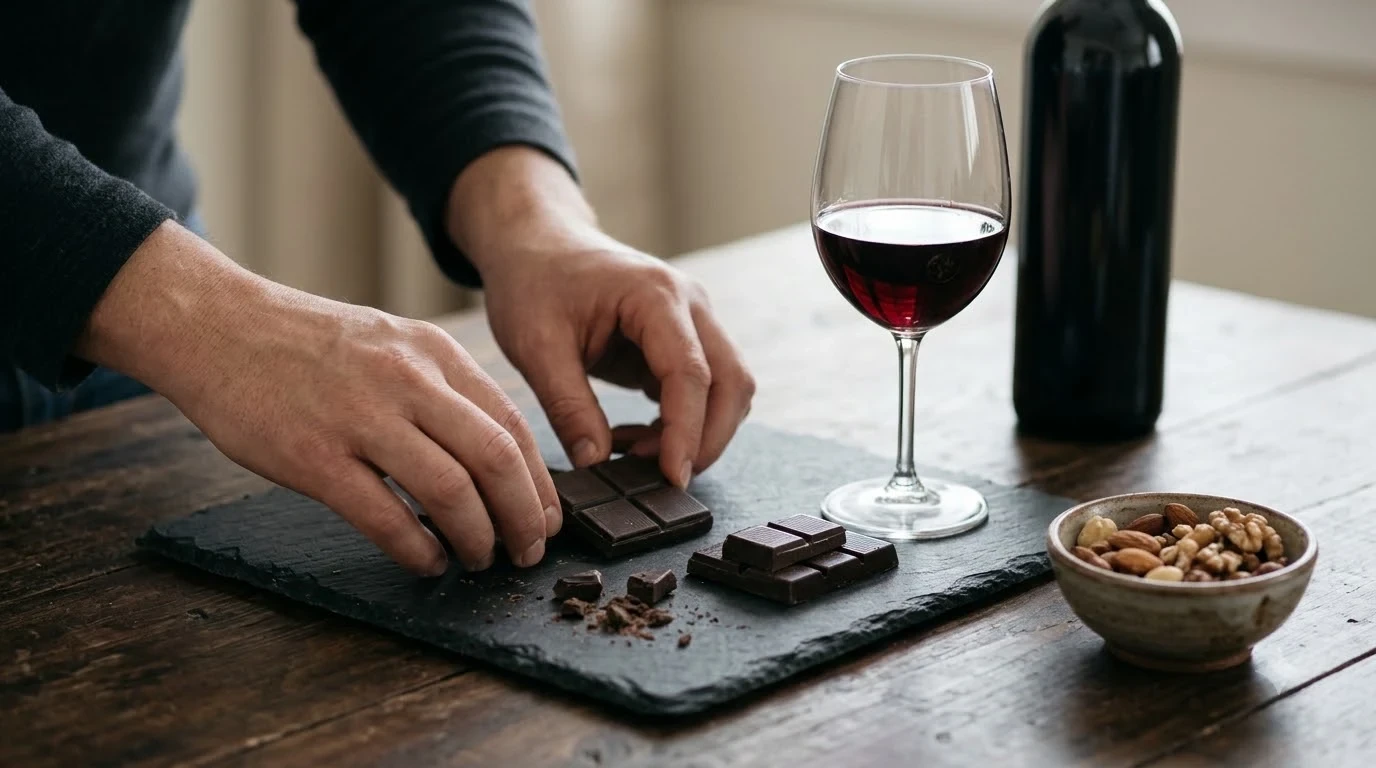
Red wine and dark chocolate share several flavor characteristics, including dark fruit, roasted notes, and varying degrees of bitterness. When balanced correctly, these flavors complement one another and give traditional brownies additional depth without requiring complicated ingredients.
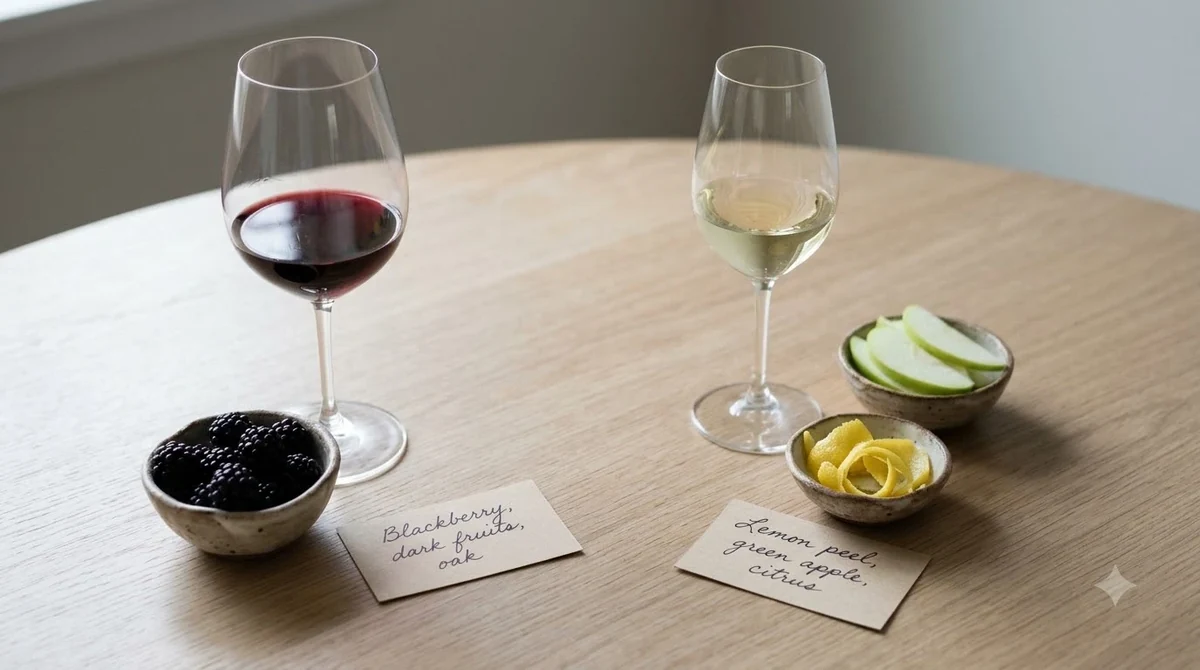
Dark chocolate can contain bitter cocoa compounds, while red wine contributes fruity aromas and acidity. Those qualities create contrast rather than making the dessert taste like a glass of wine poured into chocolate batter. A fruit-forward Merlot, for example, can contribute ripe cherry and plum impressions that fit naturally alongside chocolate. Gamay offers another attractive option, particularly if you prefer a lighter fruit profile.
The type of chocolate makes a difference, too. Dark chocolate containing approximately 70–72% cacao provides an excellent starting point because it delivers noticeable cocoa intensity without requiring an excessive amount of additional sugar. Milk chocolate has more sugar and milk solids, so using it as the main chocolate can make the finished brownies considerably sweeter and less balanced.
Red wine also changes the aroma of the brownies. Depending on the grape variety, you might notice blackberry, raspberry, dried cherry, or baking-spice characteristics. These aromas become more integrated during baking, so the finished dessert should taste primarily of chocolate, with wine providing a supporting note rather than dominating every bite.
There is a useful distinction between wine used as an ingredient and wine served alongside dessert. A dry red can work in the batter because sugar, chocolate, and butter balance its acidity and tannin. However, the same dry wine might taste noticeably more bitter when served beside a very sweet brownie. For serving, a sweeter fortified wine is often a better choice.
Ingredients for Homemade Red Wine Brownies
This recipe makes approximately 16 brownies in a 9-by-9-inch square baking pan. Its ingredient proportions emphasize dark chocolate and cocoa, with a concentrated red wine reduction providing additional fruit character.
Use unsalted butter, good-quality dark chocolate, and a dry red wine that you would be comfortable drinking. There is no need for an expensive bottle because the wine will be reduced and combined with several other ingredients.
Ingredients
- 1 cup (240 ml) dry red wine
- 2 tablespoons granulated sugar, for reducing the wine
- 1/2 cup (1 stick or 113 g) unsalted butter
- 5 ounces (142 g) dark chocolate, preferably 70–72% cacao
- 2 large eggs, preferably at room temperature
- 1 cup plus 2 tablespoons granulated sugar
- 1/2 cup packed light brown sugar
- 3/4 cup (95 g) all-purpose flour
- 1/4 cup (25 g) unsweetened cocoa powder
- 1/2 teaspoon vanilla extract
- 1 teaspoon kosher salt
The ingredients have different jobs. Dark chocolate supplies the main cocoa flavor and contributes to the dense texture. Butter adds richness, while eggs help bind the ingredients and give the brownies structure. Granulated sugar contributes sweetness and supports the characteristic brownie surface, while brown sugar adds moisture and a mild molasses note.
Flour provides enough structure to hold the squares together, but the quantity stays relatively modest to avoid producing a cake-like result. Cocoa powder strengthens the chocolate flavor without requiring more melted chocolate. Salt balances sweetness and makes the cocoa taste more pronounced.
The red wine is the distinctive ingredient. Starting with 1 cup and reducing it to approximately 1/4 cup creates a concentrated addition that is easier to incorporate into the batter. This approach follows the reduction technique used in Wine Enthusiast’s red wine brownie recipe.
Tip: Choose a dry, fruit-forward Merlot, Gamay, or California red blend. Avoid wine with obvious vinegar-like aromas or unpleasant oxidation. A wine with ripe cherry or blackberry flavors is particularly suitable for dark chocolate brownies.
Choosing the Best Red Wine for Brownies
The best red wine for brownies is generally a dry, fruit-forward wine with enough flavor to complement dark chocolate without overwhelming it. Merlot is an especially approachable starting point, while Gamay and selected red blends offer alternative fruit profiles.
Merlot: Merlot has medium tannin and relatively soft texture, making it a reliable choice for baking. Its plum, black cherry, and blackberry characteristics complement chocolate, while its softer structure is less likely to introduce an excessively drying impression.
Gamay: Gamay, particularly in a fruit-forward Beaujolais style, offers bright red cherry, raspberry, and strawberry notes. It is a good option when you want the brownies to have a lighter fruit character rather than deep, heavy flavors.
Pinot Noir: Pinot Noir generally has low-to-medium tannin and high acidity. Its red cherry and raspberry flavors can work well with chocolate, especially when the recipe uses moderately sweet dark chocolate. Because it can have a more delicate profile, avoid reducing it too aggressively or using a strongly spiced version.
Cabernet Sauvignon: Cabernet Sauvignon has high tannin and commonly displays dark fruit and firm structure. It can be used in brownies, but a particularly tannic bottle is less necessary for this application. The chocolate and sugar soften some of the wine’s more pronounced characteristics.
Malbec: Malbec offers ripe plum, blackberry, and sometimes cocoa-like notes. It works particularly well with dark chocolate, although fuller-bodied examples may give the dessert a deeper and more intense flavor.
Syrah: Syrah can contribute blackberry, pepper, and savory spice. Its medium-plus to high tannin makes it more assertive than Merlot, so use a fruit-forward example if you want a noticeable but controlled spicy character.
Here is a practical comparison of common wine choices:
| Wine | Typical characteristics | Brownie result | Recommendation |
|---|---|---|---|
| Merlot | Medium tannin, plum, cherry | Soft, rounded fruit character | Excellent starting choice |
| Gamay | Light tannin, red berries | Bright, fresh fruit notes | Excellent alternative |
| Pinot Noir | Low-medium tannin, high acidity | Delicate cherry character | Very good |
| Malbec | Medium-high tannin, dark fruit | Rich plum and blackberry notes | Very good |
| Cabernet Sauvignon | High tannin, blackcurrant | More structured flavor | Use a fruit-forward style |
| Syrah | Medium-plus/high tannin, pepper | Dark fruit and spice | Use moderately |
For the first batch, Merlot is a sensible choice because its medium tannin and fruit character are easy to balance against dark chocolate. If you already have an open bottle of Gamay or Pinot Noir, either can also work. The wine does not need to be expensive, and using a bottle you already enjoy is a practical way to avoid buying an additional ingredient.
How to Make Red Wine Brownies Step by Step
The preparation involves reducing the wine, melting the chocolate and butter, mixing the wet ingredients, and incorporating the dry ingredients. Allow enough time for the reduction to cool before combining it with the eggs and chocolate mixture.
Step 1: Prepare the pan and oven
Preheat your oven to 350°F. Grease a 9-by-9-inch square baking pan, then line it with parchment paper, leaving a little extra paper over two opposite edges. These overhanging edges will make it easier to lift the cooled brownies from the pan.
Preparing the pan first also prevents the batter from sitting unnecessarily while you finish the mixing process. Measure the ingredients before starting so that the chocolate and butter can be combined without interruptions.
Step 2: Reduce the red wine
Pour 1 cup of dry red wine into a small saucepan and add 2 tablespoons of granulated sugar. Bring the mixture to a boil over medium-high heat, stirring occasionally. Continue cooking until the liquid has reduced to approximately 1/4 cup.
The reduction concentrates the wine’s fruit character and creates a more manageable quantity of liquid for the brownie batter. Depending on the saucepan and heat level, the reduction time will vary, so measure the remaining liquid rather than relying entirely on the clock.
Remove the saucepan from the heat and allow the reduction to cool. It should be cool enough to combine with the chocolate mixture without overheating the eggs later in the recipe.
Step 3: Melt the chocolate and butter
Cut the dark chocolate into small, similarly sized pieces. Place it in a heatproof bowl with the butter, then set the bowl over a saucepan containing gently simmering water. The bottom of the bowl should not touch the water.
Stir occasionally until the butter and chocolate have melted into a smooth mixture. Remove the bowl from the heat and allow the mixture to cool slightly. You can also use a microwave, heating in short intervals and stirring between each interval to prevent the chocolate from overheating.
Step 4: Mix the eggs and sugar
In a separate large mixing bowl, whisk the eggs with the remaining granulated sugar and the brown sugar. Continue for approximately 1 minute, until the mixture is well combined and the sugar begins to dissolve.
Add the cooled chocolate and butter mixture, stirring until incorporated. Pour in the cooled red wine reduction and add the vanilla extract. Mix until the batter looks glossy and evenly colored.
Step 5: Incorporate the dry ingredients
Combine the all-purpose flour, cocoa powder, and kosher salt in a separate bowl. Add the dry mixture to the chocolate and wine mixture. Stir gently until no visible streaks of flour remain.
Do not continue beating the batter once the flour has disappeared. Excessive mixing develops gluten, which can make brownies tougher and more cake-like. A thick, glossy batter is the consistency you want before baking.
Step 6: Bake the brownies
Transfer the batter to the prepared baking pan. Use a spatula to spread it evenly into the corners, then gently tap the pan against the countertop to remove large air pockets.
Bake at 350°F for approximately 35–40 minutes. Begin checking the center near the end of the baking window. A toothpick should come out with a few moist crumbs rather than completely wet batter.
Step 7: Cool and slice
Remove the pan from the oven and place it on a cooling rack. Allow the brownies to cool for at least 15 minutes before cutting, although waiting until they are completely cool will produce cleaner squares.
Use the parchment overhang to lift the brownie slab from the pan. Cut it into 16 portions with a sharp knife, wiping the blade between cuts if you want neat edges. Serve at room temperature or warm individual portions slightly before adding ice cream.
How to Get a Fudgy Texture and Avoid Common Mistakes
Fudgy brownies depend on the relationship between chocolate, butter, eggs, flour, and moisture. The most important details are controlling the wine reduction, avoiding excessive flour, and removing the brownies before the center becomes completely dry.
Do not skip the wine reduction. Adding an entire cup of wine directly to the batter would introduce substantially more liquid than this recipe is designed to handle. Reducing 240 ml to approximately 60 ml concentrates the flavor and limits the additional moisture.
Do not use hot wine reduction. Adding very hot liquid to the egg mixture can interfere with the texture and make the mixture harder to combine evenly. Let the reduction cool before using it.
Measure flour carefully. Too much flour is one of the common reasons brownies become dry or bread-like. Spoon flour into a measuring cup and level it rather than packing it tightly. A kitchen scale provides even more consistent measurements.
Choose the right chocolate. Dark chocolate containing approximately 70–72% cacao provides a pronounced cocoa flavor. Extremely sweet chocolate can make the brownies taste sugary, while very bitter chocolate may require adjustments to the sweetness balance.
Avoid overbaking. Brownies continue to firm up as they cool. If the center is still slightly soft but no longer looks like liquid batter, it may be ready. Waiting until the entire surface feels firm can result in dry edges and an overly dense center.
Do not cut the brownies immediately. Freshly baked brownies are delicate because their chocolate and butter are still warm. Cooling allows the structure to settle, making it easier to cut attractive portions without breaking the edges.
For a more pronounced flavor, you can add a small amount of finely chopped dried cherries or toasted walnuts. Keep additional ingredients modest, however, so they do not interfere with the dense chocolate texture.
Serving Ideas and Wine Pairings for Red Wine Brownies
Red wine brownies work well as a standalone dessert, but the right accompaniment can make them feel more complete. Vanilla ice cream, lightly sweetened whipped cream, fresh berries, and fortified wines are particularly useful choices.
Vanilla ice cream offers a creamy contrast to the dark chocolate and its slight bitterness. A small scoop alongside a warm brownie creates a familiar dessert combination. Whipped cream is another option when you want something lighter that will not overwhelm the wine and chocolate flavors.
Fresh raspberries and strawberries can provide a refreshing contrast to the richness of the butter and chocolate. Blackberries are another suitable choice, particularly when the brownies contain Merlot or Malbec. Toasted hazelnuts or walnuts add texture and complement the roasted characteristics of cocoa.
For a wine pairing, consider Ruby Port or Tawny Port. These fortified wines have the sweetness and concentrated fruit characteristics that make them suitable companions for chocolate desserts. Ruby Port generally emphasizes youthful dark-fruit flavors, while Tawny Port often brings nutty, caramel, and dried-fruit characteristics.
Le Cordon Bleu’s chocolate and wine pairing guidance identifies Ruby Port, Tawny Port, Banyuls, and Maury as suitable choices for dark chocolate. Its central recommendation is that the wine should be sweeter than the dessert. This matters because a sweet brownie can make a dry wine taste more bitter and less fruity.
You can also explore other wine-based dessert drinks. A red wine hot chocolate recipe is a natural companion for a chocolate-themed dessert evening. For a different style of after-dinner drink, try a port and tonic recipe, particularly when you want something lighter and more refreshing.
Serve a small glass of fortified wine alongside a brownie rather than filling a large wineglass. A modest portion makes it easier to appreciate the contrast between the chocolate’s bitterness, the dessert’s sweetness, and the wine’s fruit character.
If you want to explore more combinations, the site’s Wine Recipes & Cocktails section provides another starting point for matching wine with food and desserts.
Storage, Preparation Ahead, and Recipe Variations
Red wine brownies are convenient for preparing ahead because their texture generally improves after they have cooled completely. Store them properly to preserve their moisture and chocolate flavor, and avoid leaving cut portions exposed to air for extended periods.
For short-term storage, place the cooled brownies in an airtight container at room temperature for approximately 3–4 days, provided the kitchen is reasonably cool. Separate layers with parchment paper to prevent the squares from sticking together.
For longer storage, refrigerate the brownies in a tightly sealed container. They can generally keep for about 5–7 days in the refrigerator. Allow refrigerated portions to sit at room temperature for 15–20 minutes before serving so the chocolate and butter soften.
Freezing is another useful option. Wrap individual squares in plastic wrap, place them in a freezer-safe container or bag, and freeze for up to 2–3 months for best quality. Thaw individual portions in the refrigerator or at room temperature before serving.
Simple variations
Orange and red wine brownies: Add approximately 1 teaspoon of finely grated orange zest to the batter. Orange complements dark chocolate and works particularly well with wines displaying cherry and plum notes.
Walnut brownies: Fold approximately 1/2 cup of toasted, chopped walnuts into the finished batter. Their slightly bitter, roasted character balances the sweetness and adds a pleasant crunch.
Cherry brownies: Add approximately 1/3 cup of chopped dried cherries. The fruit reinforces the berry and cherry characteristics of Merlot and Pinot Noir without adding excessive liquid.
Spiced red wine brownies: Add 1/4 teaspoon ground cinnamon and a small pinch of nutmeg. This variation works particularly well with Syrah or a fruit-forward red blend that already has some spice character.
Chocolate ganache topping: Spread a thin layer of chocolate ganache over completely cooled brownies. This creates a more dessert-like finish and makes the squares suitable for a special occasion.
If you are making brownies for a gathering, bake them the previous day and cut them shortly before serving. This gives the chocolate time to settle and allows the flavors to become more integrated. For a dessert table, arrange the squares with fresh raspberries and small bowls of whipped cream so guests can choose their own accompaniments.
Frequently Asked Questions
Does the alcohol completely disappear when baking red wine brownies?
No. Cooking and baking reduce alcohol, but they do not guarantee that every trace disappears. The amount remaining depends on cooking time, temperature, surface area, and preparation method. Anyone who needs to avoid alcohol completely should choose a suitable alcohol-free alternative rather than assuming baking removes it all.
Can I use sweet red wine instead of dry red wine?
Yes, but the finished brownies will have a different sweetness balance. Sweet red wine contributes additional sugar, so a baker may need to reduce the added sugar slightly. Avoid making a large adjustment until you understand how concentrated the wine becomes during reduction.
Can I make red wine brownies without eggs?
Yes, an egg-free variation is possible using a suitable commercial egg replacer or another tested baking substitute. However, eggs contribute structure, moisture, and richness, so replacing them can change the texture substantially. Use a brownie recipe specifically developed for egg-free baking when a reliable result is important.
Why do my brownies have a shiny, crackled top?
A shiny, crackled surface often develops when dissolved sugar and egg proteins form a thin layer during baking. Whisking the eggs and sugar thoroughly helps create this characteristic finish. The exact appearance also depends on chocolate type, sugar proportions, and mixing technique.
Can I bake red wine brownies in a larger rectangular pan?
Yes, but the batter will spread more thinly in a larger pan, changing the baking time and final thickness. A 9-by-13-inch pan will generally produce thinner brownies than a 9-by-9-inch pan. Begin checking earlier and watch the center carefully to avoid drying out the edges.
Red wine brownies are an easy way to give a familiar chocolate dessert additional depth with a simple wine reduction and a handful of baking ingredients. Start with a fruit-forward Merlot, use good-quality dark chocolate, and allow the brownies to cool before slicing. Serve them with vanilla ice cream or a small glass of Ruby Port for a chocolate dessert with a satisfying balance of fruit, sweetness, and cocoa.
More in Food & Wine Pairing
 Risotto With White Wine Recipe: Make a Creamy Dinner at HomeUpdated Nov 20, 2026
 Wassail With Wine Recipe for a Festive Spiced Holiday DrinkUpdated Nov 20, 2026
 Spritz Veneziano Recipe: Make a Classic Venetian Aperitivo at HomeUpdated Nov 20, 2026
 Summer Wine Punch Recipe for Easy Homemade EntertainingUpdated Nov 20, 2026
 Bishop Recipe: How to Make a Bright, Citrus-Forward Red Wine CocktailUpdated Nov 20, 2026
 Wine Cupcakes Recipe: Bake Rich Chocolate Cupcakes at HomeUpdated Nov 20, 2026