

We may earn a commission when you buy through links on this page, at no extra cost to you. Learn more.
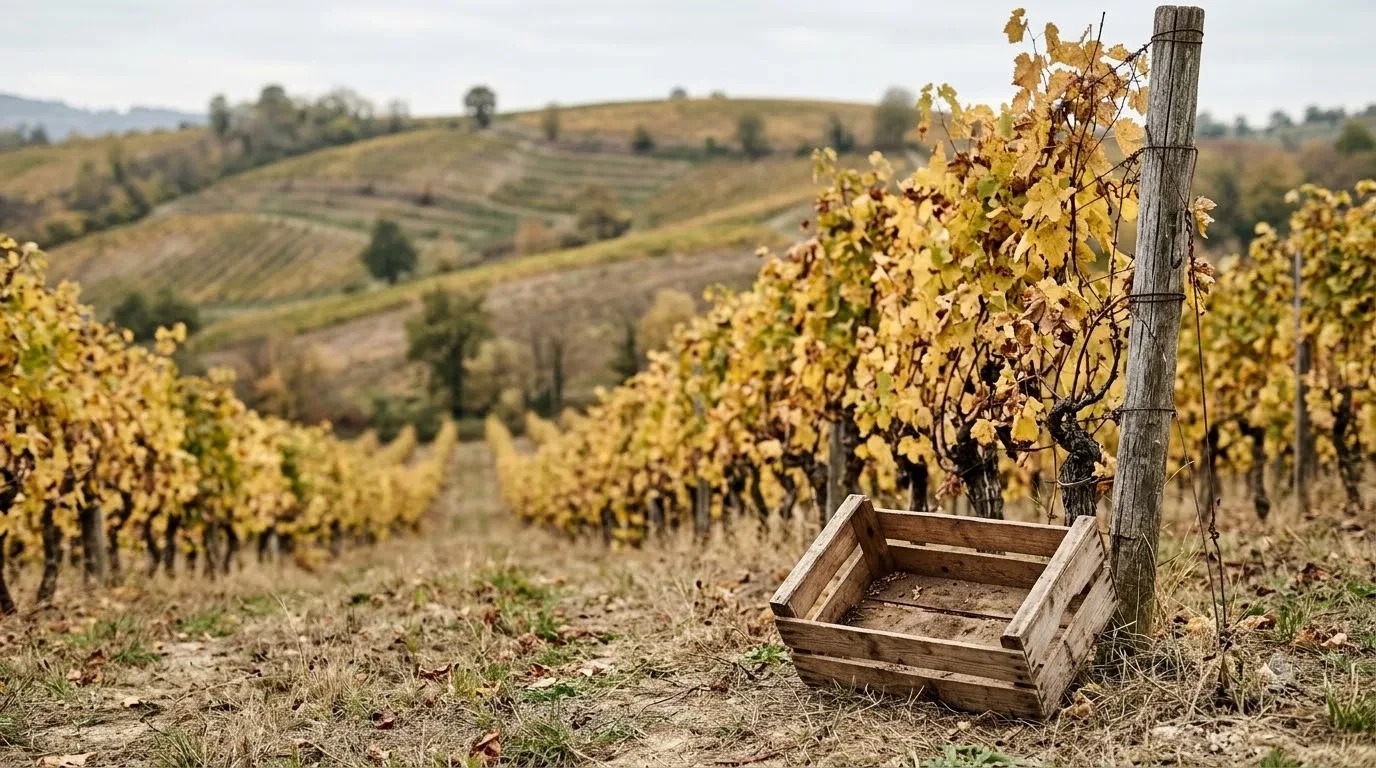
The Verde Valley wine trail follows a cluster of small wineries in central Arizona, and the region has its own federally recognized appellation. The Verde Valley American Viticultural Area was approved in November 2021, and its vineyards sit at roughly 3,000 to 5,000 feet of elevation. If you want to taste Arizona wine without leaving the high country, this is the place to start.
This guide explains what the Verde Valley wine trail is, how the region differs from the better-known wine areas of the American West, what grapes grow there, and how to plan a visit. It also covers how to buy and serve Arizona wines at home, so you can decide whether a trip or a bottle makes more sense for you.
What the Verde Valley Wine Trail Is
The Verde Valley wine trail is a loose route connecting tasting rooms and wineries in and around the Verde Valley, a river basin in central Arizona. It is not a single official road with fixed stops. Visitors usually build their own route from a map or a visitor guide, then combine several tasting rooms in one day.
Arizona has a long winemaking history that was interrupted for most of the twentieth century. Arizona enacted prohibition in 1914, and wine production was illegal until 1982. Legislation in 2006 helped revive the industry, which now has more than 130 licensed commercial wineries across the state. The Verde Valley is one of the places where that revival has taken hold most visibly.
Where the Verde Valley Sits and Why It Matters for Wine
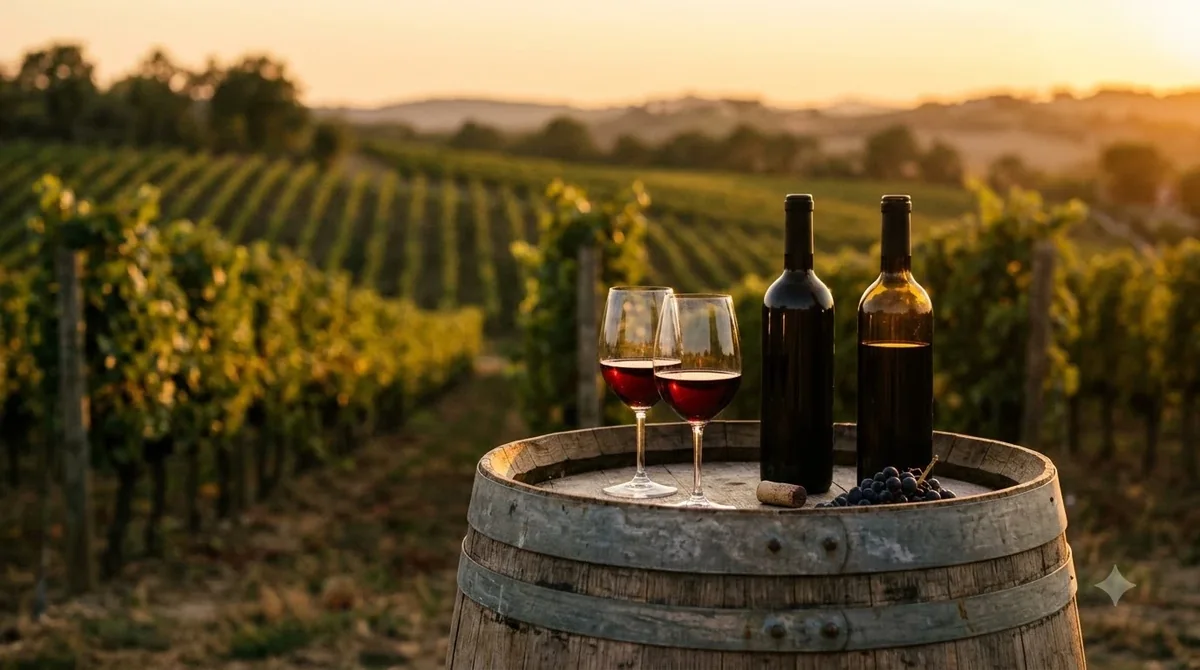
The Verde Valley American Viticultural Area covers about 130,000 acres, or roughly 200 square miles. Reference sources describe its vineyards as sitting at approximately 3,000 to 5,000 feet of elevation. That height is the main reason the area is considered unusual for Arizona, where many vineyards sit lower in hotter desert conditions.
Elevation changes the way a vine ripens. Cooler nights and a wider gap between day and night temperatures help grapes keep acidity while they build sugar and flavor. Growers in the valley work with that balance, and it shapes the style of both the whites and the reds.
According to the Verde Valley AVA entry, the appellation was established on November 10, 2021, and it contained eleven wineries at that time. A later count cites at least eleven wineries and twenty-five tasting rooms within its boundaries, which is a reminder that the trail is often best explored one tasting room at a time rather than as a single long circuit.
Grapes Grown on the Trail
Verde Valley wineries work with a mix of Mediterranean and Rhône-style varieties, along with some Italian and Spanish grapes that suit warm, dry summers. The leading white varieties listed for the AVA are Malvasia Bianca, Viognier, Chardonnay, Vermentino, Seyval Blanc, and Picpoul Blanc. The leading reds are Syrah, Petite Sirah, Cabernet Sauvignon, Sangiovese, Tannat, and Barbera.
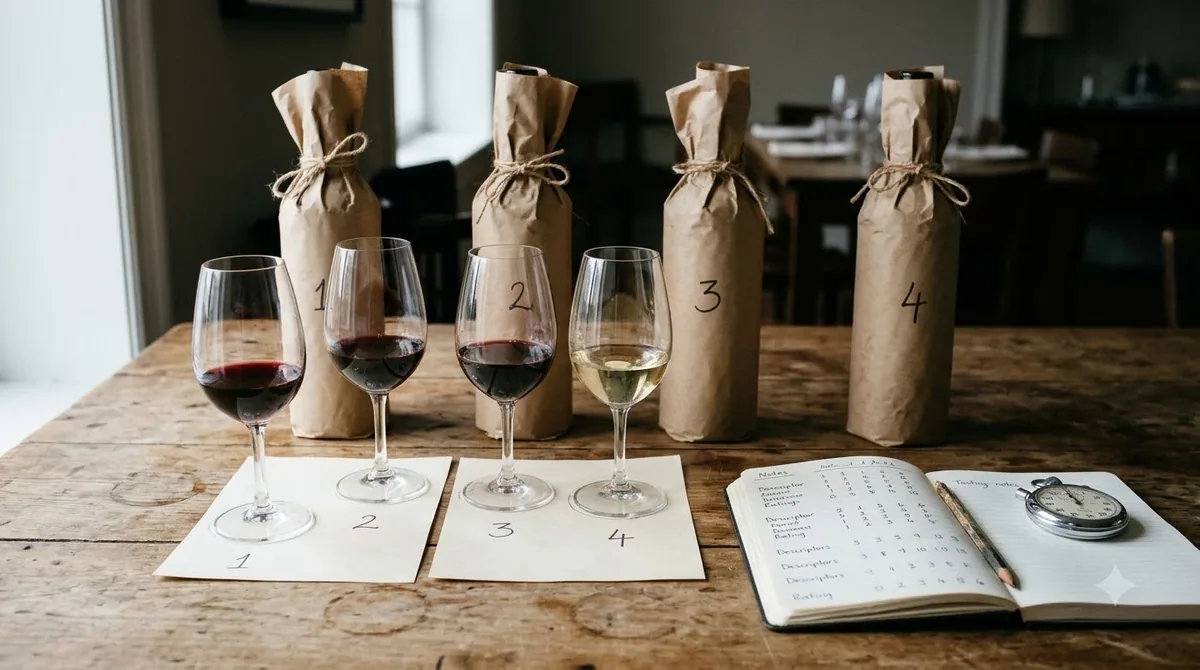
Because so many varieties are represented, a single winery may offer a Viognier, a Syrah, and a Sangiovese side by side. That variety makes a tasting day interesting, but it also means you should ask staff which wines they consider most typical of their own vineyard.
| Style | Common varieties in the AVA | What to expect |
|---|---|---|
| Aromatic whites | Viognier, Malvasia Bianca, Vermentino | Floral and stone-fruit notes, medium body, bright finish |
| Crisp whites | Chardonnay, Seyval Blanc, Picpoul Blanc | Higher acidity, citrus and green-apple character |
| Dark reds | Syrah, Petite Sirah, Cabernet Sauvignon | Dark fruit, firmer tannins, good with grilled meats |
| Savory reds | Sangiovese, Barbera, Tannat | Red-cherry and herb notes, food-friendly acidity |
Tip: Ask for a flight that moves from white to red. Tasting lighter wines first makes the heavier reds easier to judge.
How to Plan a Visit to the Verde Valley Wine Trail
Plan your route around driving time rather than the number of stops. Roads in the valley wind through hills and small towns, so three or four tasting rooms in one day is a realistic goal for most visitors. Build in time for lunch and a break between tastings.
Many visitors pair the tastings with a meal in a nearby town, which gives the afternoon a slower pace. If you plan to drive, schedule the heaviest reds for the last stop, when your palate is already tired and the wines are easier to appreciate without judging every detail. Ask staff about the vineyard elevation and whether the wine was made on site, since many tasting rooms source fruit or wine from elsewhere in the state.
Check each winery’s hours before you leave, since many smaller tasting rooms close on certain weekdays. Bring water and a plan for a designated driver, and consider arranging a shuttle if your group wants to taste more than one glass at each stop. If you are traveling with someone who does not drink, many tasting rooms also serve non-alcoholic drinks and small plates.
Buying and Serving Verde Valley Wine at Home
Arizona wine is distributed through a growing number of retailers and restaurants, but availability varies by state and by winery. Smaller producers often sell most of their bottles from the tasting room or through their own mailing lists, so buying on site is the easiest way to bring home a specific wine.
For serving, treat the whites like other aromatic wines. Serve the crisper whites cool rather than cold, so the aromas stay visible. Red wines from warm regions often taste best slightly cooler than room temperature. A short rest in the refrigerator before serving is usually enough. Decanting is worth trying with bigger reds such as Syrah or Petite Sirah if they feel tight when first opened.
Labels can also help you shop. When a bottle names the Verde Valley AVA on its label, federal rules require that most of the grapes in it come from that appellation, so the name is a reasonable signal of local fruit. Wines labeled simply as Arizona come from a wider area, and both styles can be worth trying side by side.
Tip: Keep a note of the variety and vintage on each bottle you buy. It makes it easier to compare styles from different wineries on your next visit.
Frequently Asked Questions
How far is the Verde Valley wine trail from Phoenix?
Driving times depend on where you start, and mountain roads slow travel more than the map suggests. Most visitors plan a full day or an overnight stay, so check current routes before you set out.
What grapes are most common on the Verde Valley wine trail?
The AVA’s leading reds include Syrah, Petite Sirah, Cabernet Sauvignon, Sangiovese, Tannat, and Barbera. Leading whites include Malvasia Bianca, Viognier, Chardonnay, and Vermentino.
Is the Verde Valley a recognized wine region?
Yes. The Verde Valley American Viticultural Area was approved in November 2021 and is one of the newer federally recognized wine regions in the United States. It is also the third appellation established in Arizona.
Do I need a reservation to visit the tasting rooms?
Policies vary. Some tasting rooms welcome walk-ins during open hours, while others require a booking, especially on weekends or during busy seasons. Contact the winery ahead of your visit to confirm, and ask whether a tasting fee applies and whether it is credited toward a bottle purchase.
Are the Verde Valley wines different from California or Washington wines?
The Verde Valley’s elevation, warm days, and cool nights give its wines a different balance from many coastal regions. Styles vary a lot between producers, so tasting several wines from the valley is the most reliable way to form your own comparison.
The Verde Valley wine trail rewards visitors who arrive curious and willing to compare styles. For more background on how regions like this one fit into the wider American wine map, see the Wine Regions guide, and if you are comparing trips, the Hudson Valley vineyards and Leelanau wine trail pages show how other cool-climate regions are organized.
More in Wine Regions
 Willcox Wine Trail: Discover Arizona’s High-Elevation Wine CountryUpdated Nov 20, 2026
 Yakima Valley Wine Region: Find the Best Styles to TryUpdated Nov 20, 2026
 Vosne Romanee Wine Tasting: Identify Aromas and Choose Better PairingsUpdated Nov 20, 2026
 Yakima Valley Wine Festival: Find the Best Seasonal Wine EventsUpdated Nov 20, 2026
 Wales Vineyards: Discover Cool-Climate Wines and Where to VisitUpdated Nov 20, 2026
 Yountville Wine Festival: Discover Napa Wines and Local FoodUpdated Nov 20, 2026