

We may earn a commission when you buy through links on this page, at no extra cost to you. Learn more.
The Leelanau wine trail winds through vineyards on a peninsula in northern Michigan, where Lake Michigan moderates the climate and the wineries sit close to the water. The Leelanau Peninsula AVA was designated in 1982 as Michigan’s second wine appellation, and it covers about 330 square miles with more than 800 acres of planted vineyards. This guide explains where the trail runs, how the lake shapes the grapes, which varieties to look for, and how to plan a visit.
The Leelanau Peninsula is one of the most popular wine destinations in the Midwest, and many visitors discover it on a trip to the Lake Michigan shoreline. Understanding the setting helps you read a Michigan label and choose bottles that match the cool, lake-influenced style of the region.
Where the Leelanau wine trail is
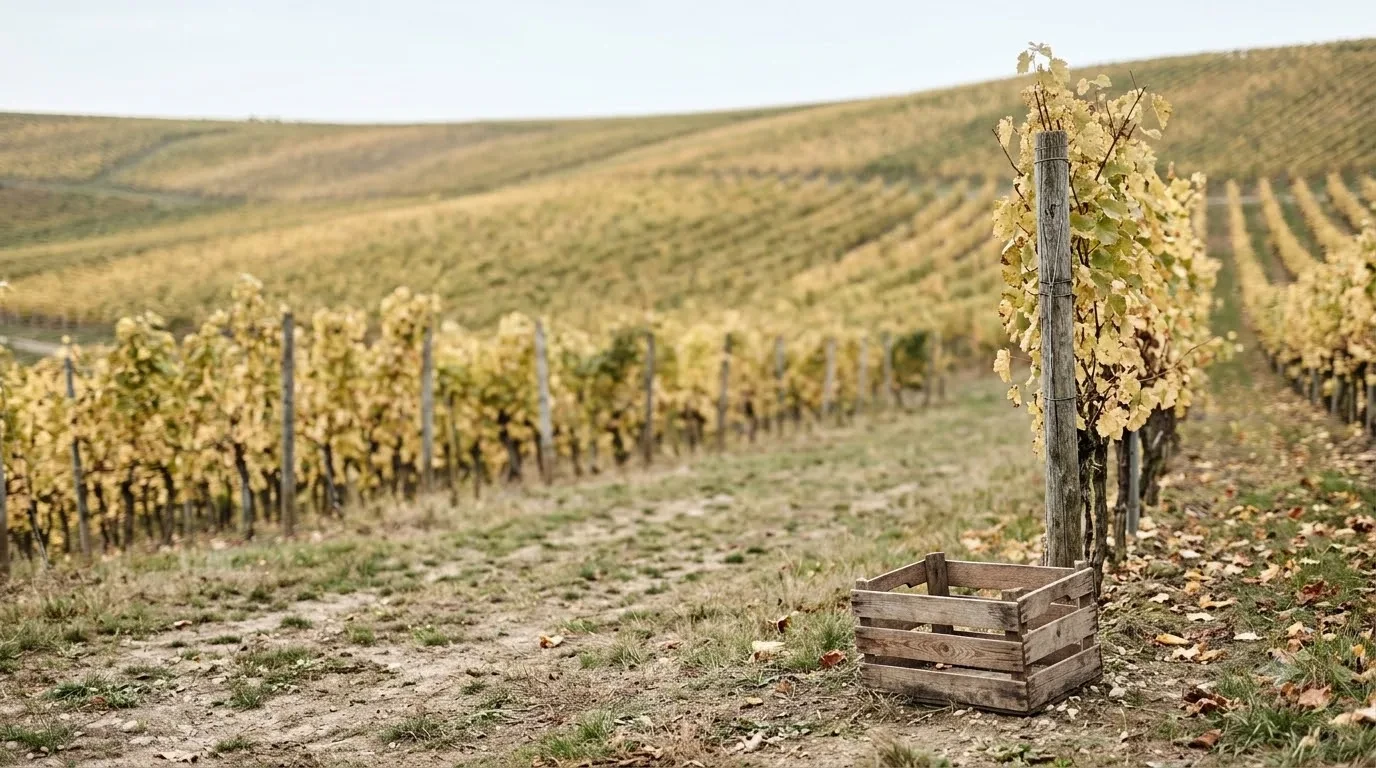
The Leelanau Peninsula sits in Leelanau County, in the northern Lower Peninsula of Michigan. Lake Michigan lies to the west, and Grand Traverse Bay lies to the east. The vineyards and wineries are spread along the peninsula, so the trail is best thought of as a route that connects tasting rooms across the county rather than a single line.
The region’s name has its own history. According to the Leelanau Peninsula AVA entry on Wikipedia, the name was misspelled “Leelanaw” in state records until 1896, after a handwritten “u” was misread as a “w.”
The appellation and its size
The Leelanau Peninsula AVA was designated on March 30, 1982. It was the nation’s tenth wine appellation and Michigan’s second. The AVA covers about 330 square miles, roughly 210,000 acres, and the planted vineyard area is more than 800 acres. The region’s modest vineyard footprint is one reason each bottle tends to come from a small, specific place.
Wineries are spread across the peninsula’s towns and farm country. Because the area is compact, a day of tasting can cover several wineries without long drives between them.
How Lake Michigan shapes the climate
The peninsula sits on the same 45th parallel as Bordeaux, the Côtes du Rhône, and Italy’s Piedmont, a latitude that is often cited as a reason the region can ripen cool-climate grapes. The latitude is similar to some of Europe’s best-known wine areas, but the lake gives the Michigan coast a more moderated and shorter season.
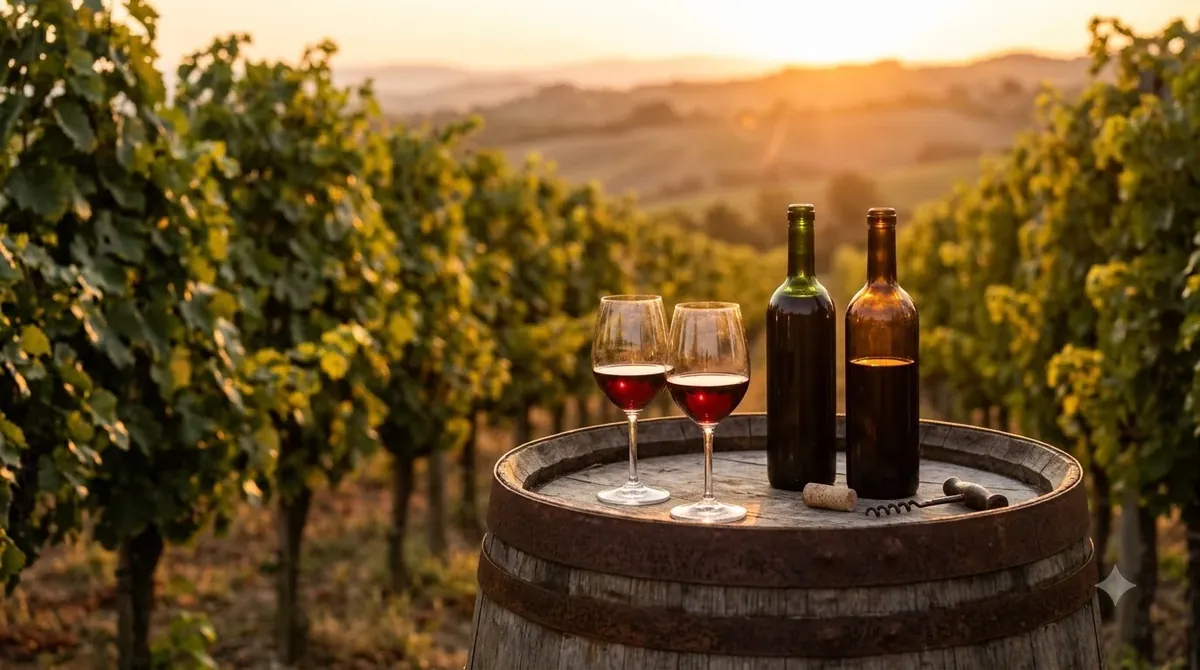
Lake Michigan is the defining feature of the region. The lake moderates temperature extremes, keeping winters less harsh and delaying bud break so that young vines avoid late spring frosts. It also keeps conditions fairly uniform across the peninsula, which helps growers manage their vineyards with confidence from one site to the next.
The trade-off is a shorter growing season. The peninsula gets about 140 to 150 frost-free days, roughly 20 fewer than the southern Fennville region of Michigan. That shorter season favors cool-climate varieties that ripen early and keep their acidity, and it explains why the region’s most recognized wines are crisp and fresh.
Soils and the glacial landscape
Glacial activity left the peninsula with a patchwork of soils, and the bedrock beneath them is granite and limestone. Growers in this kind of landscape often work site by site, choosing where each variety goes based on slope, drainage, and exposure to the lake breezes.
The soils are glacial in origin. Deposits of clay, sand, and loam sit on granite and limestone bedrock, and that mix gives vineyards a range of drainage and nutrient levels. Glacial soils vary quickly across short distances, so a vineyard on a hillside can behave differently from one a few miles away on lower ground.
For a visitor, the practical lesson is that the vineyard name and the site matter. A label that names a particular vineyard or block tells you more about the wine than the county name alone, and it helps you connect the glass to the ground.
Grape varieties on the peninsula
The AVA’s grape list is long. It includes French hybrids and vinifera varieties such as Riesling, Chardonnay, Pinot noir, Cabernet Franc, Traminette, and Marechal Foch. Riesling and Chardonnay are among the most familiar whites, and Pinot noir and Cabernet Franc show up on many reds lists.
Traminette and Marechal Foch are also on the AVA’s list. Both are French hybrids rather than classic vinifera, and their presence shows that growers on the peninsula have planted varieties chosen for cold-climate performance alongside the better-known European grapes. A visitor who tastes across the list will see a wide range, from aromatic whites to firm, fruit-driven reds.
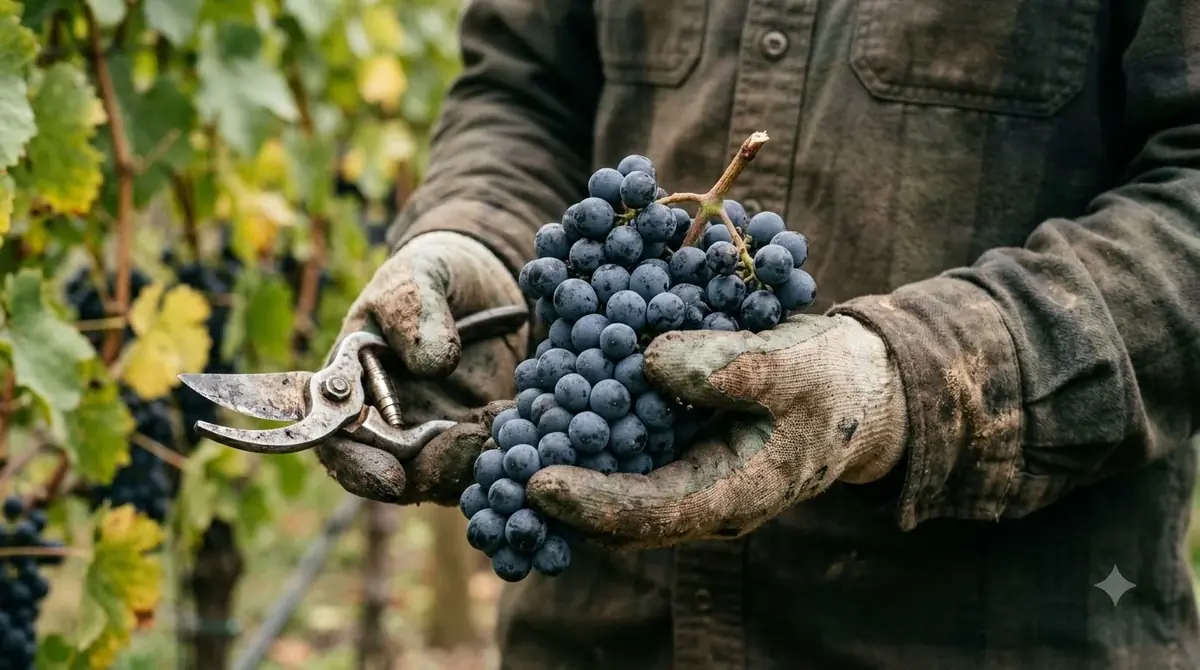
Riesling deserves special attention because it fits the climate well. Wine Folly’s Riesling profile describes the grape as mostly grown in cool climates, with flavors of lime, green apple, beeswax, jasmine, and petroleum. Its acidity is high, and its styles range from bone-dry to very sweet.
| Topic | What to know |
|---|---|
| Location | Leelanau County, northern Lower Peninsula of Michigan |
| Appellation | Leelanau Peninsula AVA, designated March 30, 1982 |
| Frost-free season | About 140 to 150 days |
| Signature whites | Riesling and Chardonnay |
Tip: Leelanau Riesling is a good first pour for a lake-side afternoon. Serve it well chilled, around 38 to 45 degrees Fahrenheit, in a white wine glass.
Planning a Leelanau wine trail visit
Plan the trail around the season. Summer brings the longest days and the most visitors, while spring and fall offer quieter tasting rooms and cooler temperatures. Many wineries offer seated tastings, and some prefer reservations on weekends, so check hours before you set out.
Give yourself a loop rather than a long line. Pick three or four wineries that cluster in one area, leave time for a meal, and build in a stop at the lakeshore. Wine tasting is most enjoyable when you can take your time and avoid rushing from one room to the next.
If you want to compare the peninsula with a very different wine trail, our guide to the Cayuga Lake wine trail covers a New York region shaped by its own lake. For a broader view of how climate and geography shape regional wines, see our Wine Regions guide.
Choosing and pairing Leelanau wines
Start with the variety you like most. A dry Riesling is a bright choice for seafood, fresh salads, and spicy dishes, while Chardonnay can suit roast chicken and creamy pastas. Pinot noir pairs with grilled salmon, mushrooms, and roast poultry, and Cabernet Franc works well with grilled vegetables and aged cheese.
Because the region is cool, its wines often show brighter acidity than many warm-climate bottles. That freshness makes them easy to pair with a wide range of foods, which is a good reason to bring a bottle to a summer meal on the lake.
Frequently Asked Questions
Where is the Leelanau wine trail?
The trail runs through the Leelanau Peninsula in Leelanau County, in northern Michigan, between Lake Michigan and Grand Traverse Bay.
When was the Leelanau Peninsula AVA established?
It was designated on March 30, 1982, as the nation’s tenth appellation and Michigan’s second.
What grapes grow on the Leelanau Peninsula?
The AVA lists about 20 varieties, including Riesling, Chardonnay, Pinot noir, Cabernet Franc, Traminette, and Marechal Foch.
How does Lake Michigan affect the wines?
The lake moderates temperature extremes and delays budding past late spring frosts. It also shortens the growing season, which favors crisp, cool-climate wines.
Keep the trip relaxed. Taking a bottle home from one winery and a glass at another gives you a practical sense of how the peninsula’s styles differ. The best way to learn the region is to taste slowly and keep notes on what you liked.
A visit to the Leelanau wine trail rewards a slow pace and a few well-chosen stops. Start with a dry Riesling, then try a red from the same county to see how the lake shapes both styles.
More in Wine Regions
 Willcox Wine Trail: Discover Arizona’s High-Elevation Wine CountryUpdated Nov 20, 2026
 Yakima Valley Wine Region: Find the Best Styles to TryUpdated Nov 20, 2026
 Vosne Romanee Wine Tasting: Identify Aromas and Choose Better PairingsUpdated Nov 20, 2026
 Yakima Valley Wine Festival: Find the Best Seasonal Wine EventsUpdated Nov 20, 2026
 Wales Vineyards: Discover Cool-Climate Wines and Where to VisitUpdated Nov 20, 2026
 Yountville Wine Festival: Discover Napa Wines and Local FoodUpdated Nov 20, 2026