

We may earn a commission when you buy through links on this page, at no extra cost to you. Learn more.
What wine goes with caesar salad? Unoaked Chardonnay is one of the best choices because its refreshing acidity, subtle citrus flavors, and moderate body complement creamy Caesar dressing, salty Parmesan, and anchovies. Dry Chenin Blanc, Arneis, Albariño, and Gavi are excellent alternatives, while lightly oaked Chardonnay works particularly well with grilled chicken. For a festive option, try California sparkling wine or a dry rosé.
Caesar salad may look like a simple combination of lettuce, cheese, and toasted bread, but its dressing makes wine pairing more interesting. Lemon, garlic, anchovies, egg yolks, and olive oil create a mixture of acidity, saltiness, savory depth, and creamy texture. The right wine should refresh the palate without overpowering those flavors. Fortunately, several approachable white wines and sparkling styles fit the dish beautifully.
1. Unoaked Chardonnay Is the Best All-Around Choice
Unoaked Chardonnay is an excellent starting point because it combines enough acidity to refresh the palate with enough body to complement the creamy dressing. Its citrus, apple, and subtle mineral flavors work naturally with Parmesan, garlic, and lemon without introducing excessive oak or sweetness.
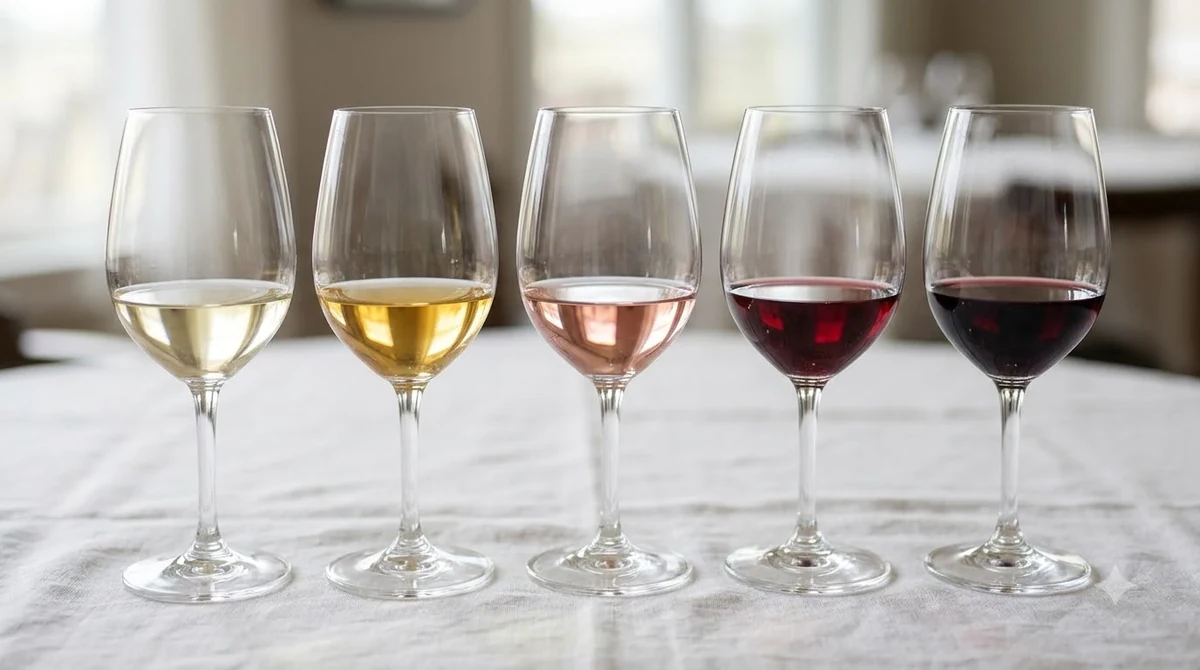
Look for Chardonnay from cooler wine-growing areas, where the grapes generally retain freshness and acidity. Chablis in Burgundy, France, is a particularly useful reference. These wines typically emphasize citrus, green apple, and mineral character rather than pronounced vanilla, toast, or buttery flavors. A cool-climate Chardonnay from Washington or New York can also provide a suitable balance.
The main advantage of Chardonnay is its moderate acidity and adaptable body. Caesar dressing contains olive oil and egg yolk, which give it a rich, coating texture. A wine with some weight can match that texture, while its acidity keeps each bite from feeling excessively heavy. This is why Chardonnay often works more naturally than very light, delicate whites.
However, not every Chardonnay tastes the same. Heavily oaked examples can have strong vanilla, butter, caramel, and toasted oak flavors. Those characteristics may compete with the garlic and anchovy in the dressing. A restrained, unoaked or lightly oaked bottle is generally the safer choice for a traditional Caesar salad.
Consider these styles:
- Chablis: Crisp, dry, and mineral-driven, with citrus and green apple flavors.
- Unoaked California Chardonnay: Fresh fruit character with a rounded texture and little obvious oak influence.
- Washington Chardonnay: Often combines refreshing acidity with apple, pear, and citrus notes.
- Lightly oaked Chardonnay: A little additional texture and toastiness make this style useful with richer dressing or grilled chicken.
If the salad is served as a starter, choose a lighter Chardonnay that will not dominate the meal. For a larger portion with generous Parmesan and dressing, a medium-bodied example can provide a more satisfying match. Chardonnay is also a practical choice when serving guests who prefer familiar, food-friendly white wines.
For additional ideas involving fresh cheese, tomatoes, and herbs, explore what wine goes with caprese salad. The ingredient combinations differ, but acidity and texture remain important considerations in both pairings.
2. Chenin Blanc, Arneis, and Albariño Bring Freshness
Chenin Blanc, Arneis, and Albariño are three excellent alternatives when you want something more aromatic or distinctive than Chardonnay. Their freshness helps balance Caesar dressing, while their fruit and herbal characteristics complement the lettuce, lemon, garlic, and salty cheese.
Chenin Blanc is especially versatile because it can offer bright acidity, apple, pear, quince, and sometimes subtle honey or floral notes. For Caesar salad, choose a dry version rather than a noticeably sweet style. Dry Chenin Blanc from the Loire Valley in France is a particularly good starting point. Its acidity refreshes the palate, and its moderate body gives it enough presence alongside egg yolk and Parmesan.
South African Chenin Blanc is another possibility. Depending on the producer and growing conditions, these wines can range from crisp and citrus-driven to richer and more textured. A fresh, dry example is generally the better match for a classic Caesar dressing.
Arneis offers a different personality. This white grape is associated with Roero in Piedmont, northwestern Italy. Its wines can show pear, peach, citrus, and delicate herbal notes. Decanter specifically recommends Arneis with Caesar salad, explaining that the grape’s herbaceous character complements the salty Parmesan and anchovies. Read Decanter’s wine pairing advice for salads for additional examples of matching wine with different salad ingredients.
A particularly interesting reference is Giacomo Fenocchio Roero Arneis. The combination of fresh fruit and herbal character makes this style an appealing alternative for diners who want a regional Italian pairing rather than another Chardonnay.
Albariño brings a lively combination of citrus, stone fruit, and refreshing acidity. It is especially useful when the dressing contains plenty of lemon juice or when the salad has a generous amount of fresh herbs. Spanish Albariño from Rías Baixas is a natural option, offering freshness without the heavy oak character that can distract from the salad.
These three grapes serve slightly different preferences:
- Choose dry Chenin Blanc for a balance of fruit, acidity, and texture.
- Choose Arneis for gentle herbal notes and an Italian-inspired pairing.
- Choose Albariño for citrus freshness and a lively finish.
The difference becomes particularly noticeable when the salad has a strong dressing. Extra lemon juice makes a crisp Albariño or dry Chenin Blanc especially appealing, while a more generously dressed salad may benefit from the additional texture of Chenin Blanc.
These wines also work well when Caesar salad appears alongside other dishes. If the meal includes a simple green salad, grilled vegetables, or seafood, a bottle of dry Chenin Blanc or Albariño can offer enough versatility to accompany several courses.
For more examples of how ingredients influence wine selection, see this broader guide to what wine goes with salad.
3. Sauvignon Blanc and Gavi Suit Lemon-Forward Dressing
Sauvignon Blanc and Gavi are useful choices when the Caesar dressing has pronounced lemon, garlic, or herbal flavors. Both offer refreshing acidity, although their aromas and textures differ. Sauvignon Blanc is generally more aromatic, while Gavi tends to provide a quieter, citrus-driven profile.
Sauvignon Blanc is known for its high acidity and recognizable aromas of citrus, fresh herbs, and sometimes green pepper or grass. These characteristics can complement romaine lettuce, lemon juice, and the savory flavors of the dressing.
However, style matters. A very lean Sauvignon Blanc can seem too light beside a thick dressing made with generous amounts of egg yolk, Parmesan, and olive oil. Look for a dry example with moderate body rather than an extremely sharp, austere wine.
Useful regions include:
- Sancerre, France: Often delivers citrus, mineral notes, and restrained herbal character.
- Marlborough, New Zealand: Frequently offers pronounced citrus, passion fruit, and fresh green aromas.
- California: Can provide riper fruit and a somewhat rounder texture, depending on the producer and style.
For a Caesar salad with extra lemon, Sauvignon Blanc can be particularly refreshing. The wine’s acidity helps it remain lively alongside the dressing rather than tasting flat. Its herbal notes also create a natural connection with the green romaine leaves.
Gavi is made from the Cortese grape in Piedmont, Italy. It is usually dry, with citrus, green apple, and delicate mineral characteristics. Compared with aromatic Sauvignon Blanc, Gavi often has a more restrained personality, making it a good option when you want a wine that supports the salad without becoming the center of attention.
Gavi is especially appealing with a classic Caesar that contains a balanced amount of Parmesan and anchovy. Its freshness complements the savory dressing, while its relatively subtle fruit profile avoids competing with the cheese.
There is one important distinction between these wines and Chardonnay. Sauvignon Blanc and Gavi tend to emphasize acidity and freshness more than richness. They are therefore particularly suitable for a lighter Caesar dressing, a generous squeeze of lemon, or a salad served as the first course of a larger meal.
If the dressing is exceptionally creamy, consider a more substantial Sauvignon Blanc or return to a medium-bodied Chardonnay. The aim is to maintain a balance between the wine’s acidity and the salad’s texture.
4. Sparkling Wine and Dry Rosé Add Versatility
Sparkling wine and dry rosé are excellent alternatives to still white wine, especially when Caesar salad is served at a gathering or as part of a summer meal. Their freshness helps balance creamy dressing, while their fruit character and refreshing finishes make them easy to serve with different versions of the salad.

California sparkling wine is a particularly straightforward option. The bubbles provide a lively contrast to the creamy dressing, while the wine’s acidity refreshes the palate after salty Parmesan and savory anchovies. Williams Sonoma specifically identifies California sparkling wine as a suitable Caesar salad pairing.
Traditional-method sparkling wines can offer additional complexity. Their second fermentation takes place in the bottle, a process that can contribute bread, biscuit, and brioche characteristics. These flavors connect naturally with toasted croutons and Parmesan.
Consider these sparkling styles:
- Brut sparkling wine: A dry, versatile option with refreshing acidity.
- Blanc de Blancs: A Chardonnay-based sparkling wine that can provide citrus, apple, and delicate creamy texture.
- California sparkling wine: A practical choice with fresh fruit and lively bubbles.
- Cava Brut: A Spanish sparkling wine with citrus, apple, and sometimes subtle toasted notes.
Pay attention to sweetness. Brut is generally a suitable choice because it keeps the pairing dry and refreshing. Extra Dry, despite its name, is sweeter than Brut. A noticeably sweet sparkling wine may distract from the salty and savory character of the dressing.
Dry rosé provides another appealing direction. Its red berry, citrus, and sometimes herbal flavors add a little more fruit character than most crisp white wines without introducing the tannin associated with red wine.
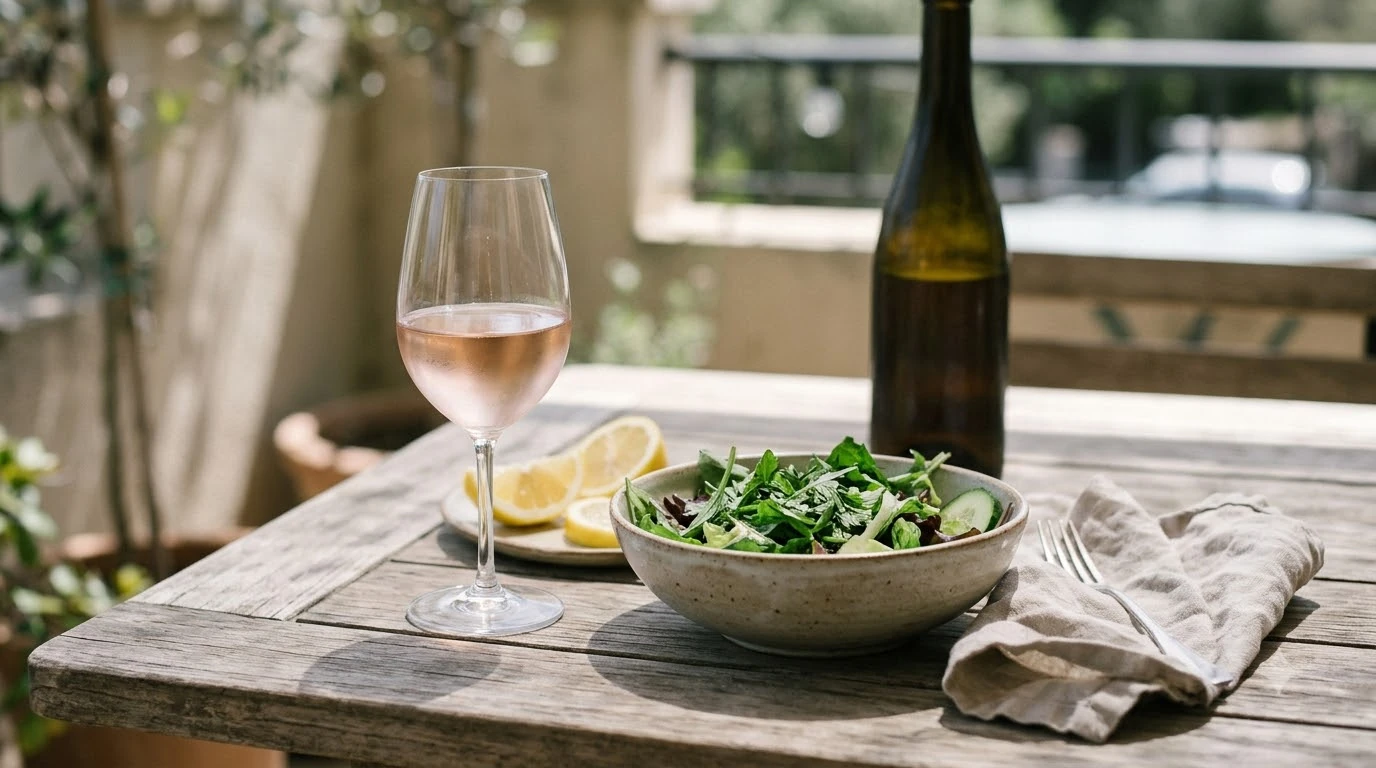
Provence rosé is a natural option because many examples are dry, light-bodied, and refreshing. Rosé made from Pinot Noir can also work well, particularly when it has bright acidity and restrained fruit. Both styles are suitable for Caesar salad served outdoors or as part of a relaxed lunch.
A rosé with more body can be especially useful when the salad includes bacon or grilled chicken. The additional savory flavors provide a stronger bridge between the wine and the food. Keep the wine dry, however, so the fruit does not make the dressing taste excessively salty.
Serve sparkling wine at 40–50 F and dry rosé at 45–50 F. These temperatures help preserve freshness and make both styles especially refreshing alongside a chilled Caesar salad.
5. Choose a Fuller Wine for Grilled Chicken and Other Toppings
Adding grilled chicken changes the balance of a Caesar salad because the dish gains more protein, texture, and roasted flavor. A medium-bodied Chardonnay is particularly suitable, while dry Chenin Blanc, lightly oaked Chardonnay, and certain rosés can also work well depending on how the chicken is prepared.
For a simple grilled chicken Caesar, lightly oaked Chardonnay is an excellent choice. Its additional body can match the chicken’s texture, while subtle toast and ripe apple flavors complement the browned exterior. This pairing is especially effective when the chicken is seasoned with garlic, black pepper, and herbs.
Charred chicken can also handle a slightly richer white wine. Fiona Beckett’s Caesar salad pairing recommendations specifically distinguish chargrilled chicken from the classic version, suggesting that a fuller-bodied Chardonnay can work particularly well. An oaked white from Portugal’s Douro region is another possibility.
The preparation method matters more than the presence of chicken alone. Gently poached or simply roasted chicken does not necessarily require a heavier wine. A crisp Chardonnay or dry Chenin Blanc can remain a better match because the meat has not developed the same smoky, caramelized flavors as grilled poultry.
Pairing wine with different Caesar toppings
Caesar salad recipes vary considerably. Some include bacon, shrimp, salmon, or additional cheese. Each ingredient introduces a different flavor or texture, so it helps to adjust the wine rather than automatically choosing the same bottle for every version.
| Caesar salad variation | Recommended wine | Why it works |
|---|---|---|
| Classic romaine and Parmesan | Unoaked Chardonnay | Balances creamy dressing with fresh acidity. |
| Extra anchovies | Dry Albariño | Fresh citrus character complements savory flavors. |
| Grilled chicken | Lightly oaked Chardonnay | Additional body matches the roasted poultry. |
| Bacon Caesar | Dry rosé | Fruit and acidity complement salty, smoky flavors. |
| Shrimp Caesar | Albariño or Gavi | Fresh acidity supports delicate seafood. |
| Extra lemon dressing | Sauvignon Blanc | High acidity matches the pronounced citrus. |
| Caesar with extra Parmesan | Dry Chenin Blanc | Fruit, acidity, and body balance the additional cheese. |
Seafood additions deserve particular attention. Shrimp and other delicate shellfish generally work best with fresh white wines such as Albariño or Gavi. Avoid strongly tannic reds with oily fish because the combination can produce an unpleasant metallic impression. Even when seafood is added to a Caesar salad, the dressing and fish should guide the wine choice.
Bacon creates a different challenge. Its saltiness and smoky character can make a very delicate white wine seem less expressive. Dry rosé or a more substantial Chardonnay provides enough flavor to remain present without overpowering the lettuce and dressing.
For a salad containing several toppings, choose the wine that works with the strongest ingredient rather than focusing exclusively on the romaine. This is a useful principle throughout food and wine pairing.
6. Serving Temperature and Wines to Avoid
The right serving temperature makes a noticeable difference to Caesar salad pairings. Light whites should be served chilled, while fuller-bodied Chardonnay benefits from slightly warmer temperatures. Avoid wines with excessive tannin, pronounced sweetness, or heavy oak because they can compete with the dressing’s salty, acidic, and creamy elements.
For most Caesar salad pairings, these serving temperatures provide a useful starting point:
- Unoaked Chardonnay: 45–50 F for a fresh, balanced presentation.
- Fuller-bodied Chardonnay: 50–55 F to allow its texture and aromas to show.
- Sauvignon Blanc: 45–50 F to emphasize citrus and herbal freshness.
- Chenin Blanc: 45–50 F for a refreshing but expressive style.
- Albariño and Gavi: 45–50 F to preserve their lively character.
- Dry rosé: 45–50 F for fresh fruit and acidity.
- Sparkling wine: 40–50 F for refreshing bubbles.
Do not serve every white wine extremely cold. Very low temperatures can suppress aromas and make a fuller Chardonnay seem less expressive. Allowing a bottle to warm slightly in the glass can reveal additional fruit and texture.
Why heavily tannic red wines are difficult
Cabernet Sauvignon is usually a poor match for traditional Caesar salad because it has high tannin and a substantial structure. The combination of its firm tannins with salty anchovies, lemon, and creamy dressing can make the wine seem harsh or unbalanced.
Syrah can present a similar problem because many examples have medium-plus to high tannin, pronounced dark fruit, and peppery flavors. Those characteristics are generally more appropriate alongside grilled red meat than a bowl of romaine with creamy dressing.
Merlot is softer than Cabernet Sauvignon, but it is still not the first choice for a classic Caesar. Pinot Noir is a more reasonable red alternative because it typically has low-to-medium tannin and high acidity. A light-bodied, slightly chilled Pinot Noir may work with a Caesar containing grilled chicken or bacon, especially if the salad is substantial and the dressing is not excessively acidic.
Other styles that can disappoint
Very sweet wines are generally unnecessary because Caesar salad does not contain enough sweetness to balance them. The wine may seem disconnected from the savory anchovy, garlic, and Parmesan. Similarly, heavily oaked Chardonnay can overwhelm the delicate freshness of romaine lettuce.
Extremely acidic wines can also become tiring if the dressing already contains a generous amount of lemon juice. Sauvignon Blanc remains a good option, but the goal is balance rather than maximum acidity. Choose a style with enough fruit and body to complement the food.
Tip: If you are uncertain which bottle to choose, start with unoaked Chardonnay served at 45–50 F. For a brighter alternative, select dry Albariño or Chenin Blanc. These styles cover most classic Caesar salad recipes without overpowering the dressing.
Portion size is another practical consideration. A standard wine pour is approximately 5 ounces, and a 750 ml bottle provides about five standard glasses. For a dinner featuring Caesar salad as the main course, plan the wine around the other dishes being served rather than choosing an especially powerful bottle simply because the salad contains chicken.
Frequently Asked Questions
Can you drink red wine with Caesar salad?
Yes, although lighter reds are generally more suitable than structured varieties. A lightly chilled Pinot Noir or Gamay can work with grilled chicken Caesar, particularly when the dressing is moderate rather than heavily lemony. Cabernet Sauvignon and young, tannic Syrah are less suitable because their tannins can make the combination taste harsh.
Does Caesar salad pair with Champagne?
Yes. Brut Champagne can complement Caesar salad through its acidity, bubbles, and complex flavors. Blanc de Blancs Champagne is a particularly interesting option because it is made entirely from Chardonnay grapes. Traditional-method sparkling wines also develop secondary aromas associated with bread and brioche, which connect nicely with toasted croutons.
What wine should you serve with Caesar salad and salmon?
Dry Chardonnay, Albariño, and Chenin Blanc are suitable choices for salmon Caesar salad. The best option depends on the fish preparation: roasted salmon can accommodate a fuller Chardonnay, while simply grilled salmon often works with a fresh Albariño. Avoid strongly tannic reds because oily fish can clash with their structure.
Is Pinot Grigio good with Caesar salad?
Yes, particularly when the salad has a relatively light dressing and a generous amount of lemon. Pinot Grigio generally offers dry citrus, pear, and apple flavors with refreshing acidity. Choose a version with enough concentration to stand alongside Parmesan and anchovies rather than an extremely light style that disappears beside the dressing.
Can you pair sweet wine with Caesar salad?
A noticeably sweet wine is usually less successful than a dry white or rosé with traditional Caesar salad. The savory anchovies, garlic, and Parmesan do not provide the sweetness needed to balance a dessert-style wine. A dry or nearly dry sparkling wine is a better option if you want a wine with a fruitier impression while maintaining a savory pairing.
For most Caesar salads, unoaked Chardonnay is the most dependable choice, while dry Chenin Blanc, Arneis, Albariño, and Gavi provide excellent alternatives. Choose a fuller Chardonnay for chargrilled chicken, or serve Brut sparkling wine and dry rosé when you want something different. The best pairing is one that balances the dressing’s creamy texture, salty Parmesan, savory anchovies, and refreshing lemon without overpowering the crisp romaine.
More in Food & Wine Pairing
 Risotto With White Wine Recipe: Make a Creamy Dinner at HomeUpdated Nov 20, 2026
 Wassail With Wine Recipe for a Festive Spiced Holiday DrinkUpdated Nov 20, 2026
 Spritz Veneziano Recipe: Make a Classic Venetian Aperitivo at HomeUpdated Nov 20, 2026
 Summer Wine Punch Recipe for Easy Homemade EntertainingUpdated Nov 20, 2026
 Bishop Recipe: How to Make a Bright, Citrus-Forward Red Wine CocktailUpdated Nov 20, 2026
 Wine Cupcakes Recipe: Bake Rich Chocolate Cupcakes at HomeUpdated Nov 20, 2026