

We may earn a commission when you buy through links on this page, at no extra cost to you. Learn more.
DuMOL wine comes from a small Sonoma County winery that puts the vineyard first, so its style follows the site more than a house recipe. The winery describes itself as a “vineyard up” producer, works with parcels across more than two dozen sites, and focuses on Pinot Noir and Chardonnay from cool coastal areas. This guide explains the winery’s approach, the main varieties in its lineup, and how to serve and pair the wines at home.
Many shoppers meet DuMOL through a single bottle of Pinot Noir and wonder what makes the brand different from the many other Sonoma labels on the shelf. The answer is in the winery’s philosophy: light winemaking, careful vineyard selection and a focus on where the grapes were grown rather than how heavily they were shaped in the cellar.
Where DuMOL is from and how the winery started
DuMOL is based in Sonoma County, and the winery’s website presents it under the Russian River Valley and Sonoma Coast names. According to the winery’s about page, the project began in 1996 as a hobby for three friends. The page credits Andy Smith, who has been winemaker since 1999 and now serves as Chief Winegrower and Proprietor, and it lists Jenna Davis as winemaker. The founding account is written by Dr. Owen Bargreen, and the winery’s about page reproduces it.
The winery’s growth is tied to its vineyard network rather than a single estate. The about page says DuMOL farms small parcels across more than two dozen vineyard sites, which lets the team choose the best fruit from each area instead of relying on one property.
The DuMOL approach: vineyard up, light touch
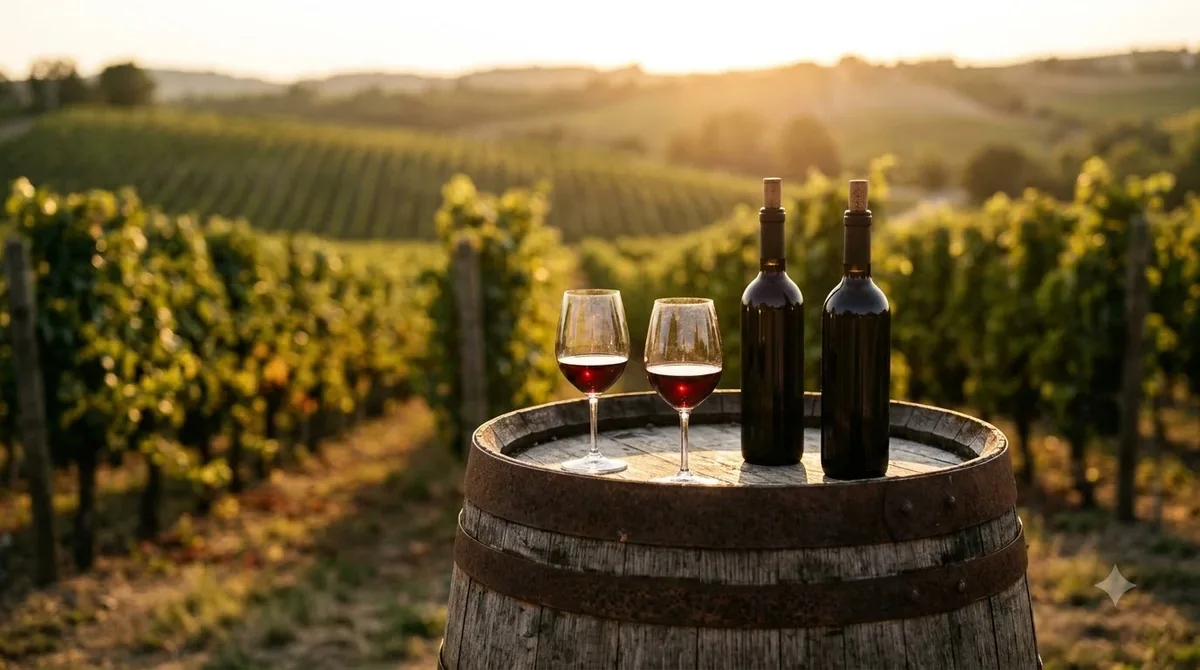
The winery calls itself a “vineyard up” producer. The idea is simple: the grapes should express the place they grew, and the winemaking should not hide that character. DuMOL describes a “lightness of touch” in the cellar and says it uses few techniques so the vineyard is not obscured.
Some details of the process show how seriously the winery takes that idea. According to the about page, Pinot Noir is harvested at night, when the fruit is cool, and the barrels come from a small group of artisan coopers. Those choices fit a style built on balance and purity rather than heavy oak or extraction.
| Element | What the winery says | What it means for the glass |
|---|---|---|
| Vineyard focus | “Vineyard up” approach | Flavors reflect the site and the season |
| Cellar technique | Lightness of touch, few interventions | Cleaner, more transparent wines |
| Pinot Noir harvest | Picked at night | Fruit arrives cool and fresh at the winery |
| Barrels | Artisan coopers | Oak used as a supporting element |
Tip: When a winery stresses vineyard character, read the label for the appellation or vineyard name. Those details often say more about the wine than the brand name does.
The main varieties in the DuMOL lineup
The vineyard listings on the winery’s site name Chardonnay, Pinot Noir, Syrah, Mencía and Chenin Blanc. Pinot Noir is the core of the brand, and the winery cites the cool Green Valley and Sonoma Coast areas of western Sonoma County as key sources. The page does not describe the Russian River Valley sites in detail, so the label is the best place to check exactly where a given bottle was grown.
Chardonnay and Chenin Blanc give the portfolio its white side. Chardonnay from a cool coastal site tends to show more acidity and a leaner profile than a warm-site bottle, which makes it a useful food wine. Syrah and Mencía add variety for buyers who want something beyond the Pinot Noir and Chardonnay standards.
What to expect in the glass
A cool-climate, vineyard-led Pinot Noir is usually lighter in color and body than a warm-site version, with red fruit, earthy notes and bright acidity. The winery’s focus on light handling suggests the wines should keep their fruit clear rather than heavy or jammy. That is a style that rewards attention to temperature and glass choice.
The white wines follow the same logic. A restrained Chardonnay from a cool site shows citrus, orchard fruit and a mineral edge, with oak used as a supporting element rather than the main flavor. Chenin Blanc can add texture and a little richness while keeping its acidity.
How to serve DuMOL wines
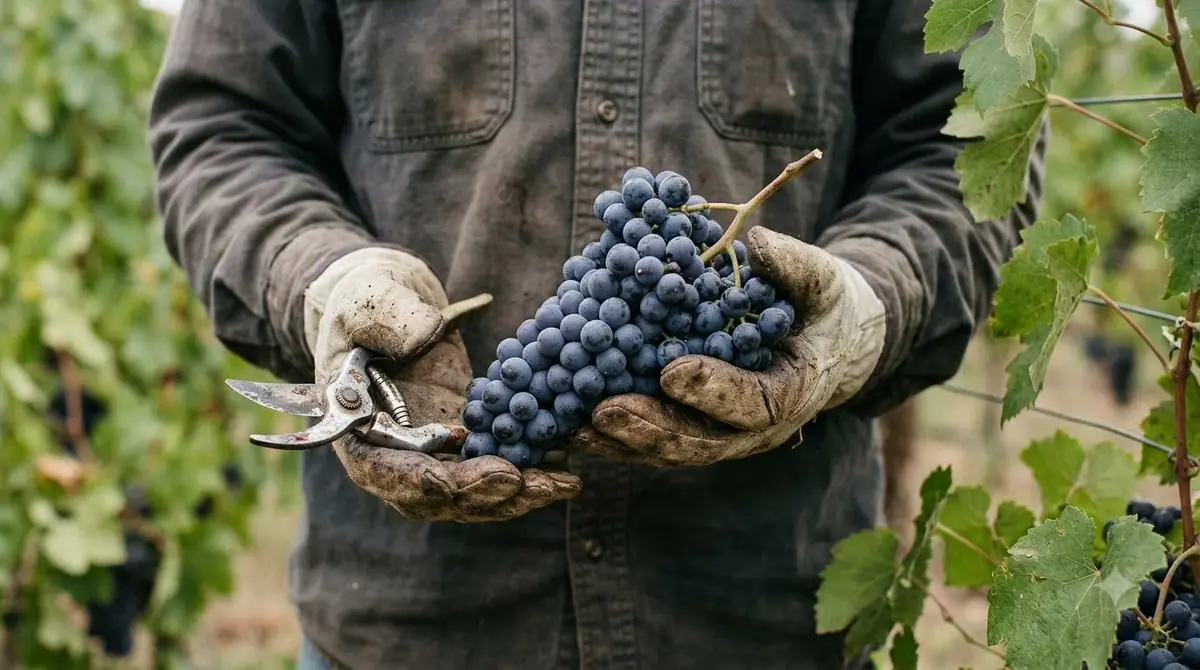
Serving temperature matters most for the reds. A cool-climate Pinot Noir shows its fruit best slightly below room temperature, so a short time in the refrigerator before pouring usually helps. Whites such as Chardonnay and Chenin Blanc are best chilled, but not so cold that their aromas disappear.
Glassware makes a difference for a focused, aromatic red. A wide-bowled glass gives Pinot Noir room to open, and a tulip-shaped glass works well for white wines. Serving temperature and glassware are the two choices that matter most at home, and both are easy to adjust without special equipment.
Decanting is optional for DuMOL’s lighter reds. A young, structured bottle may benefit from a short rest in a decanter, but most Pinot Noir is best poured straight into a glass after a few minutes of breathing.
Keeping an open bottle
Once opened, a Pinot Noir keeps best with the cork back in and the bottle stored in a cool place. Whites should stay in the refrigerator. Both are at their freshest over the first day or two, so pour smaller glasses if the bottle will last longer.
Food pairing for DuMOL wine
Pinot Noir is one of the most food-friendly reds because its acidity and moderate tannin suit a wide range of dishes. Salmon, roast chicken, duck and mushroom-based dishes all work well, and the wine’s earthy notes echo the savory flavors of a mushroom sauce or roasted vegetables.
Chardonnay from a cool coastal site pairs well with richer seafood, roast chicken and creamy pasta, while its acidity keeps the mouth fresh. Chenin Blanc is versatile, suiting dishes with a little spice or fruit in the sauce. Syrah and Mencía are fuller choices for grilled meats and hearty stews.
How to choose a DuMOL bottle
Start with the variety that matches your meal. If you want a bottle for a dinner built around salmon or roast chicken, a Pinot Noir is the obvious choice. If you are looking for a white for the table, Chardonnay or Chenin Blanc gives two different routes. Each option highlights a different part of the winery’s approach.
Read the label for the vineyard name, the appellation and the vintage. A bottle that names a specific vineyard shows the “vineyard up” idea in practice. If you are comparing bottles, a Pinot Noir and a Chardonnay from the same producer give a clear view of how the winery handles two different grapes.
For comparison with other producers, the Spottswoode wine and Pedernales wine guides show how other estates describe their vineyard focus. The Wine Brands section explains how to read a producer’s style across its lineup.
Frequently Asked Questions
Where is DuMOL wine made?
The winery’s website presents DuMOL under the Russian River Valley and Sonoma Coast names. Its Pinot Noir is sourced in part from the cool Green Valley and Sonoma Coast areas of western Sonoma County.
What does “vineyard up” mean?
It is the winery’s term for a philosophy that starts in the vineyard. The aim is for the wine to show the character of the site and the season, with minimal intervention in the cellar.
What varieties does DuMOL make?
The vineyard listings on the winery’s website name Chardonnay, Pinot Noir, Syrah, Mencía and Chenin Blanc. Pinot Noir is the core of the range.
How should I serve DuMOL Pinot Noir?
Serve it slightly below room temperature in a wide-bowled glass. A short rest in the refrigerator before pouring usually helps the fruit show clearly.
DuMOL wine is a good example of a vineyard-first approach: light handling, cool coastal sites and a focus on balance. Pick the variety that fits your meal, serve it at the right temperature, and read the label to see which vineyard you are drinking.
More in Wine Brands
 Underwood Wine Price: Compare Bottles, Cans, and Pack SizesUpdated Nov 21, 2026
 Zenato Wine Price: Compare Styles and Choose the Right BottleUpdated Nov 21, 2026
 Zuccardi Wine Price: Compare Bottles and Find the Right RangeUpdated Nov 21, 2026
 Yellow Tail Moscato Review: Taste, Sweetness and Serving TipsUpdated Nov 21, 2026
 Wolf Blass Yellow Label Review: Choose Your Best StyleUpdated Nov 21, 2026
 Wolffer Estate Rose Review: Choose the Right Bottle for Your TableUpdated Nov 21, 2026