

We may earn a commission when you buy through links on this page, at no extra cost to you. Learn more.
What is malbec? It is a dark-skinned red grape that makes full-bodied, dry red wine with plum, blackberry, and cocoa flavors. It started in southwestern France, became the signature grape of Argentina, and now gives buyers a rich red that is usually easier to drink young than many Bordeaux-style wines.
If you have seen “Malbec” on a wine list or a shelf tag and wondered what it actually tastes like, this guide covers the basics. It explains where the grape came from, what to expect in the glass, how to serve it, and which foods work well with it, so you can choose a bottle with more confidence.
What Malbec is and where it came from
Malbec is a red wine grape with thick, dark skins, which gives the wine its deep color. According to Wine Folly’s Malbec grape guide, the grape originated in Southwest France, where it is also known as Côt or Auxerrois. It is a natural cross of two older French varieties, Prunelard from Gaillac and Magdeleine Noire des Charentes from the Montpellier area.
Malbec played a supporting role in Bordeaux for a long time. It is still used as a blending grape there, but it never became a leading variety in the region, partly because it is vulnerable to fungal disease and pests. Its reputation changed after French botanist Michel Pouget planted it in Mendoza, Argentina, in 1868. The grape adapted well to the dry, sunny conditions and high vineyards of the area, and it grew into Argentina’s most important red variety.
Because of that history, many people now connect Malbec with Argentina first and France second. Both styles still exist, and the difference between them is worth knowing when you read a label.
Flavor and typical styles
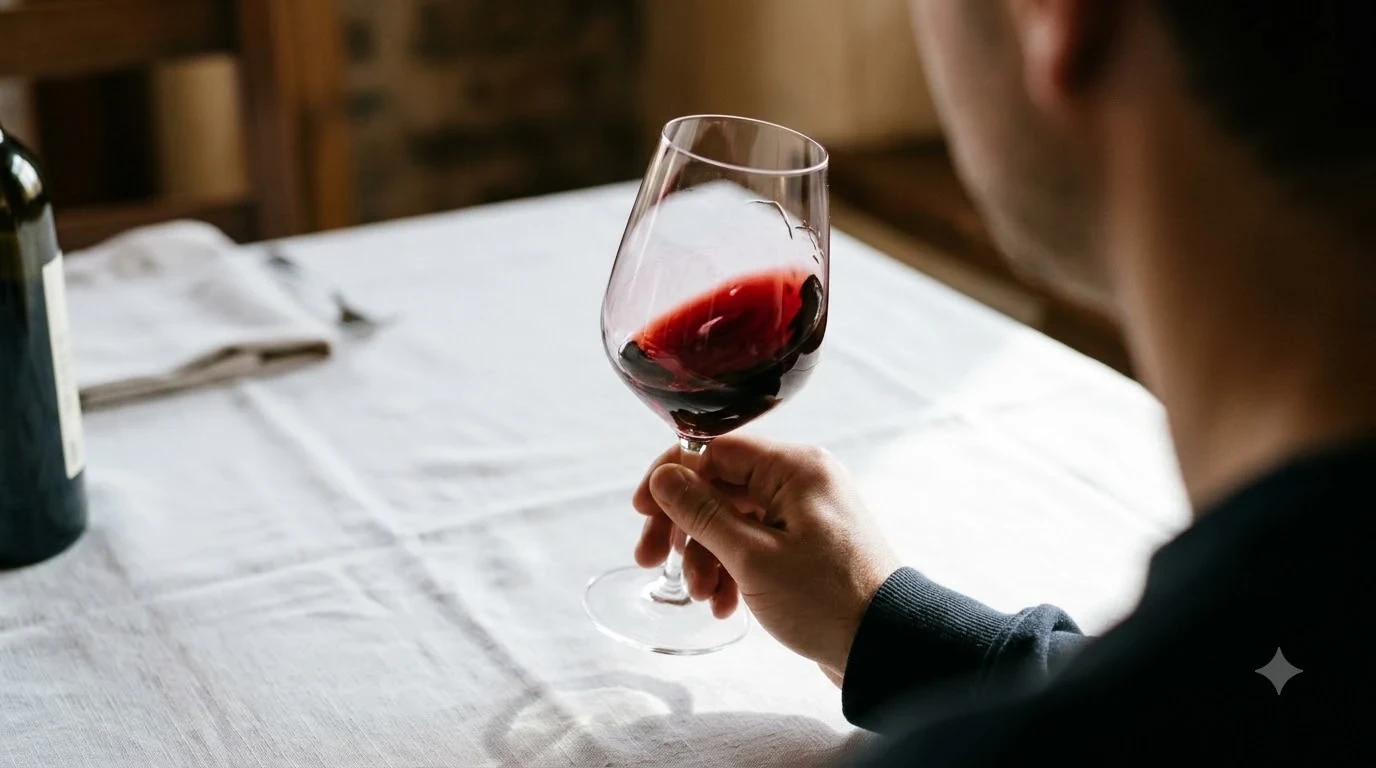
A typical Malbec shows ripe dark fruit. Wine Folly lists red plum, blackberry, vanilla, sweet tobacco, and cocoa as its main flavors, and describes the finish as smooth and slightly chocolatey. The color is usually deep purple with a bright magenta rim, which is one of the first visual cues tasters look for.
The wine is dry and full-bodied, with medium tannins and medium-low acidity. That combination makes it feel round and soft on the palate compared with a firm Cabernet Sauvignon. Alcohol usually runs from about 13.5 to 15 percent ABV, so it is a substantial glass of wine rather than a light one.
Malbec appears in two common forms. Single-variety bottles tend to be fruity and smooth, and they often show less oak influence than people expect. Blends with Cabernet Sauvignon, Merlot, and other Bordeaux varieties are also common, and they can add structure and a more savory edge. When you see “Reserva” or “Gran Reserva” on an Argentine label, the wine has usually spent more time in oak and may be more complex, though the exact rules depend on the producer and the region.
| Feature | Typical Malbec |
|---|---|
| Color | Deep purple with a magenta rim |
| Body | Full, dry |
| Tannin and acidity | Medium tannins, medium-low acidity |
| Alcohol | About 13.5 to 15 percent ABV |
| Main aromas | Plum, blackberry, vanilla, cocoa |
Where Malbec grows
Argentina is the center of Malbec production today. The grape is widely planted in Mendoza, and Wine Folly points to the Uco Valley and Luján de Cuyo as areas that regularly produce highly rated wines. The page also states that around 40 percent of Argentina’s red grape vineyards are planted to Malbec, which shows how central the variety is to the country’s identity.
The grape also grows outside Argentina. Wine Folly names Cahors in southwestern France, where the wine is traditionally made from a high share of Malbec, and Walla Walla, which straddles the border of Washington and Oregon, as notable regions outside South America. Malbec does best in sunny climates with cool nights, because the cool evenings help the grape hold on to acidity while the fruit ripens. This is one reason high-elevation vineyards are often favored.
For buyers, the origin on the label is a useful clue. A wine from a high-altitude Mendoza vineyard will usually taste brighter and more structured than a wine from a warmer, lower site. A Cahors-style bottle from France tends to be more earthy and firmer, so the region tells you a lot about the style before you open the bottle.
How to serve Malbec
Malbec is best served slightly cooler than room temperature. Wine Folly recommends serving it at 60 to 68 degrees Fahrenheit, or about 15 to 20 degrees Celsius. At that range the fruit stays lively and the tannins feel less drying. If the bottle sits in a warm room, a short time in the refrigerator before pouring can help.
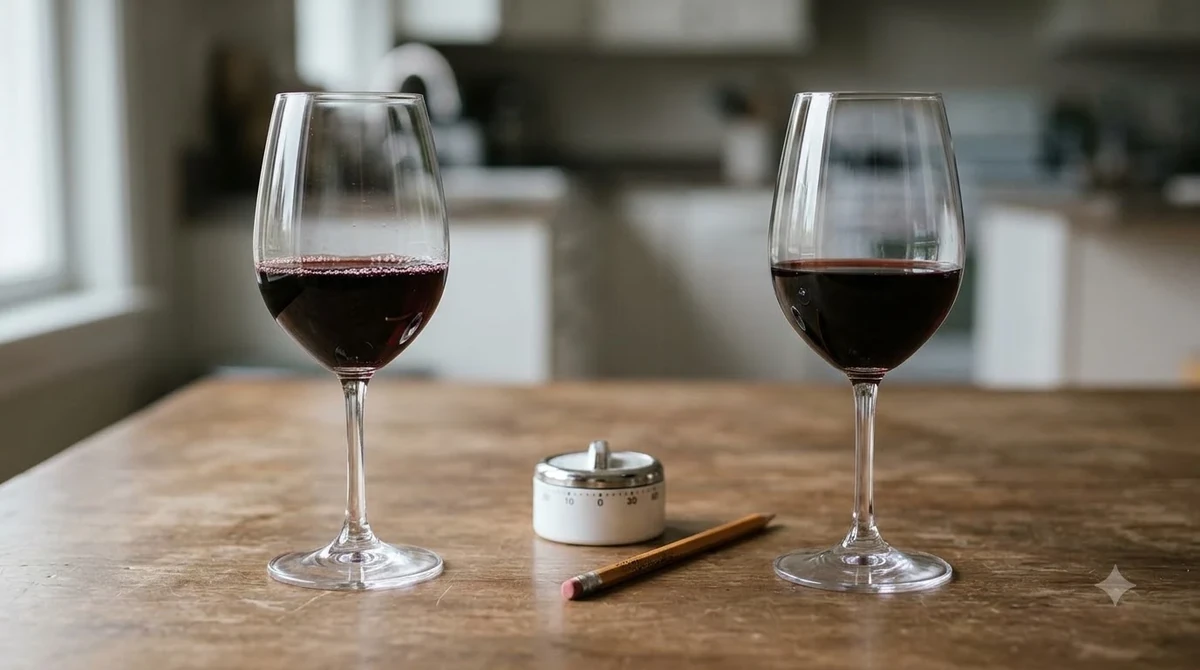
A large glass with a wide bowl, often called a universal glass, lets the aromas open up. Many Malbecs benefit from decanting for about 30 minutes before serving, especially younger bottles with more tannin. Decanting also gives the wine a chance to breathe, which can soften the fruit and bring out the vanilla and spice notes from oak.
Storage matters too. Wine Folly suggests that many quality Malbecs can be cellared for 5 to 10 years, while everyday bottles are best opened within a year or two of purchase. Keep the bottle away from heat and direct sunlight, and store it on its side if it has a cork, so the cork stays moist.
Tip: If a Malbec tastes heavy or hot, try serving it a few degrees cooler and pour a smaller amount. The fruit often shows more clearly when the wine is not too warm.
What to eat with Malbec
Malbec pairs well with food that has enough fat and flavor to match its richness. Wine Folly points to leaner red meats such as ostrich, which keep the meal from feeling too heavy next to a full-bodied red. Grilled steak, roasted lamb, and smoky barbecue are classic choices for the same reason.
The grape also works with strong cheeses. Melted blue cheese is a good match, and the same idea explains why Malbec is so often served with a blue cheese burger. The wine’s dark fruit balances salt and sharp dairy flavors. For a lighter meal, try Malbec with grilled mushrooms, roasted vegetables, or a bean stew with smoked paprika.
How to choose a good bottle
Start with the region. A bottle labeled Mendoza, Uco Valley, or Luján de Cuyo usually gives you the fresh, structured style Argentina is known for. If you want something softer and more polished, look for a bottle that mentions oak aging or a reserva level, since those wines usually have more texture.
Next, think about what you plan to eat. A young, fruity Malbec works well with casual dinners and pizza, while an older or more structured bottle suits a special roast. If you like wines that are gentler than a typical Cabernet, Malbec is often a good middle ground.
If you are still exploring the category, our Wine by Type guide places Malbec next to other red and white styles. For a contrast in weight and freshness, you can also read about the assyrtiko grape, a crisp Greek white that shows how different a dry wine can be. Malbec drinkers who enjoy blends may find cabernet franc wine a useful next step, since it shares some of Malbec’s red fruit and savory character.
Frequently Asked Questions
Is Malbec a sweet or dry wine?
Malbec is almost always dry. Most bottles on shelves are fruit-forward and smooth, but the fruit flavors come from ripe grapes rather than added sugar. If you want a sweeter red, look for a label that says so.
Is Malbec similar to Cabernet Sauvignon?
The two wines share a deep color and dark fruit, but Malbec usually has softer tannins and a rounder texture. Cabernet Sauvignon often feels firmer and more structured in the mouth, so many people find Malbec easier to enjoy on its own.
Should Malbec be chilled before serving?
Chilling is not required, but a short time in the refrigerator helps if the room is warm. Wine Folly recommends 60 to 68 degrees Fahrenheit, which is cooler than many people expect for a red wine.
What does Malbec taste like to a beginner?
Most beginners notice plum, blackberry, and a hint of vanilla or cocoa. The wine feels full and smooth, with a finish that can taste slightly chocolatey, which makes it a friendly introduction to red wine.
Malbec is a good starting point if you want a bold red that does not feel harsh. Pick a bottle from a region you trust, serve it a little cooler than room temperature, and try it with grilled meat or a strong cheese. You will quickly learn whether you prefer the bright Mendoza style or the earthier wines of France.
More in Wine Types & Grapes
 Zinfandel Sugar Content: Dry Red vs. White Zinfandel GramsUpdated Nov 21, 2026
 Best Zinfandel Substitute Options for Sipping and CookingUpdated Nov 21, 2026
 Zweigelt Food Pairing: Best Dishes, Cheeses, and Serving TipsUpdated Nov 21, 2026
 Zinfandel Tannins Explained: How Structure Shapes Every BottleUpdated Nov 21, 2026
 Zinfandel Sweetness Level: Dry Red vs. Sweet White Zin ExplainedUpdated Nov 21, 2026
 Xinomavro Food Pairing: Best Dishes, Styles, and Serving TipsUpdated Nov 21, 2026