

We may earn a commission when you buy through links on this page, at no extra cost to you. Learn more.
Dry sweet red wine usually refers to a fruity, smooth red wine that tastes pleasantly ripe without having much residual sugar. Strictly speaking, dry and sweet describe opposite levels of wine sweetness, but a dry red can have flavors of cherries, blackberries, plums, and ripe strawberries that suggest sweetness. If you enjoy fruit-forward wines but do not want a noticeably sugary finish, Merlot, Pinot Noir, Grenache, and Malbec are excellent varieties to explore.
Choosing between dry and sweet red wine can be confusing, particularly when tasting notes describe a bottle as jammy, juicy, ripe, or sweet-fruited. These descriptions do not necessarily mean that sugar remains in the finished wine. Understanding the difference between fruitiness, residual sugar, tannin, and acidity makes it easier to find a red wine that suits your preferences. This guide explains what to look for, which grapes to consider, how to compare sweetness levels, and what foods work best with different styles.
What Does Dry Sweet Red Wine Actually Mean?
Dry sweet red wine is an informal description for a red wine that combines a dry finish with fruit flavors or aromas that seem sweet. Technically, a wine cannot be both completely dry and sweet in the same sense, but it can taste fruity, soft, and ripe without containing much residual sugar.
The distinction starts with fermentation. Grapes naturally contain sugar, primarily glucose and fructose. During winemaking, yeast consumes these sugars and converts them into alcohol and carbon dioxide. When fermentation consumes nearly all the fermentable sugar, the resulting wine is generally considered dry. When a noticeable amount remains, the wine can taste off-dry, medium-sweet, or sweet.
However, the flavors you recognize in wine are not always direct evidence of sugar. A Pinot Noir can smell like fresh strawberries, raspberries, and cherries while remaining dry. Similarly, a ripe California Zinfandel may suggest blackberry jam and dark fruit without tasting like a sweet dessert wine.
Wine Enthusiast explains this distinction through the difference between fruity and sweet. Fruitiness comes from aromatic compounds that remind drinkers of actual fruit, while sweetness is a taste associated with residual sugar and other sensory factors. Its discussion of dry red wine also highlights how consumers sometimes mistake tannin’s drying sensation for a lack of sweetness.
For practical shopping purposes, consider three separate characteristics:
- Sweetness: The amount of residual sugar and the resulting sweet sensation on the palate.
- Fruitiness: Aromas and flavors resembling fresh or cooked fruit, including cherries, plums, blackberries, and raspberries.
- Dryness: The absence of noticeable sweetness in the finished wine.
These characteristics can appear together in different combinations. A wine can be dry and intensely fruity, dry and earthy, or sweet and fruity. A red wine with a relatively soft texture may also seem sweeter than a highly tannic red, even when both have little residual sugar.
The most useful shopping distinction is therefore between a wine that smells sweet and one that actually tastes sweet. If you enjoy ripe fruit flavors but dislike sugary finishes, look for descriptions such as dry, fruit-forward, juicy, cherry-driven, or plum-scented.
How Residual Sugar Determines Red Wine Sweetness
Residual sugar, commonly abbreviated as RS, is the sugar remaining in finished wine after fermentation. It is measured in grams per liter, or g/L, and provides a more useful technical reference than descriptions such as fruity or smooth.
According to Decanter’s explanation of residual sugar, European still-wine classifications generally distinguish dry, medium-dry, medium, and sweet wines using these approximate thresholds. Acidity can influence the permitted limits for certain categories, so the figures are a useful reference rather than a universal rule for every bottle sold in the United States.
| Sweetness classification | Residual sugar | Typical taste impression |
|---|---|---|
| Dry | Up to 4 g/L | Little or no noticeable sweetness |
| Medium-dry | 4–12 g/L | Subtle sweetness in some wines |
| Medium | 12–45 g/L | Clearly noticeable sweetness |
| Sweet | Above 45 g/L | Pronounced sweet character |
These categories help explain why two red wines with similar fruit flavors can taste quite different. One might have very little residual sugar and a crisp finish, while another retains enough sugar to produce a noticeably soft, sweet impression.
There are several ways winemakers influence the amount of residual sugar. They can allow fermentation to finish naturally, stop fermentation before the yeast consumes all the available sugar, or work with exceptionally concentrated grape juice. In some commercial styles, producers can also add preserved grape juice to a finished wine to adjust its sweetness.
Fermentation management matters for wine stability as well as flavor. Remaining fermentable sugar can allow unwanted microorganisms or yeast activity to produce renewed fermentation inside a bottle. Producers therefore need appropriate filtration and other stabilization measures when making wines that retain fermentable sugar.
Why acidity changes the perception of sweetness
Acidity is one of the most important factors affecting how sweet a wine tastes. A wine with noticeable acidity can seem fresh and relatively dry even when it contains more residual sugar than a less acidic wine.
Alcohol, oak influence, fruit concentration, and serving temperature can also affect perceived sweetness. A red wine with ripe blackberry aromas, higher alcohol, and generous oak flavors may seem richer and sweeter than a lighter wine, even if the two have similar residual-sugar levels.
For example, a young Pinot Noir with bright cherry flavors and refreshing acidity may seem tart and lively. A ripe Merlot with plum and black cherry characteristics may feel rounder and softer. Neither style needs substantial residual sugar to create those impressions.
Tip: If you want a fruity red without a sugary finish, prioritize the words dry, fruit-forward, and medium-bodied. Descriptions such as jammy and sweet can indicate concentrated fruit flavors, but they do not establish the wine’s actual residual-sugar level.
For additional background, read Decanter’s explanation of residual sugar in wine. It provides useful examples of how fermentation and acidity influence the finished wine’s sweetness.
Best Red Wine Grapes for Fruity, Dry Styles
Several red grape varieties are particularly suitable for people who enjoy fruit-forward flavors without pronounced sweetness. Merlot, Pinot Noir, Malbec, Grenache, and Zinfandel are useful starting points, although their tannin, acidity, body, and fruit intensity differ considerably.

The grape variety is only one part of the equation. Climate, vineyard conditions, harvest decisions, fermentation, and aging also affect the final character. Nevertheless, learning the general personality of each grape can make wine shopping much easier.
Merlot: Soft texture and ripe plum flavors
Merlot is a practical starting point for someone transitioning from sweet red wine to dry styles. It generally has medium tannin, a softer mouthfeel than Cabernet Sauvignon, and flavors that can include ripe plums, black cherries, blueberries, and cocoa.
Merlot is particularly approachable when the goal is a smooth red with noticeable fruit character rather than a strongly drying finish. Bottles from warmer growing areas can emphasize ripe black fruit, while cooler examples may show more herbal and fresh-fruit characteristics.
Look for Merlot if you enjoy rounded textures and moderate structure. It can work well with roasted chicken, burgers, meatballs, and moderately seasoned pasta dishes.
Pinot Noir: Fresh berries and lively acidity
Pinot Noir generally has low-to-medium tannin and high acidity. Its fruit profile often includes strawberries, raspberries, red cherries, and cranberries, with earthy or mushroom-like characteristics in some examples.
Because its tannins are generally less aggressive than those of Cabernet Sauvignon, Pinot Noir is a useful option for drinkers who dislike a pronounced drying sensation. It also tends to have a lighter body, making it suitable for roasted poultry, mushroom dishes, salmon preparations, and lighter meat dishes.
Malbec: Dark fruit and moderate structure
Malbec is commonly associated with ripe blackberries, plums, blueberries, and sometimes cocoa or spice. It generally offers more body and tannin than Pinot Noir, making it a suitable choice for people who enjoy concentrated fruit flavors and a fuller red wine.
Argentine Malbec is a familiar shopping category, particularly from Mendoza. Bottles can vary in oak influence and alcohol, so a fruit-focused example with moderate oak is a sensible starting point for someone who prefers softer flavors.
Grenache: Red berries and generous fruit
Grenache, also known as Garnacha in Spain, frequently displays strawberry, raspberry, cherry, and spice characteristics. It can have relatively moderate tannin and a rounded texture, especially in warmer growing conditions.
It is often used in southern French blends and Spanish red wines. A Grenache-based wine can provide a ripe, generous fruit impression while retaining a dry finish. Look for examples from the Rhône Valley or Spain when exploring this style.
Zinfandel: Bold fruit and higher alcohol
Red Zinfandel is often intensely fruity, with blackberry, raspberry, plum, and pepper characteristics. Some examples taste almost jammy because of concentrated fruit and higher alcohol, although that does not automatically mean they contain significant residual sugar.
Zinfandel can be a good choice for drinkers who want a powerful red with ripe fruit flavors. However, its alcohol and tannin can make it less comfortable alongside very spicy food.
The following comparison summarizes the main differences:
| Grape variety | Typical tannin | Acidity | Common fruit character | Body |
|---|---|---|---|---|
| Merlot | Medium | Medium | Plum, black cherry | Medium |
| Pinot Noir | Low-medium | High | Strawberry, raspberry | Light-medium |
| Malbec | Medium-high | Medium | Blackberry, plum | Medium-full |
| Grenache | Low-medium | Medium | Raspberry, strawberry | Medium |
| Zinfandel | Medium-high | Medium | Blackberry, jammy fruit | Full |
| Cabernet Sauvignon | High | Medium-high | Cassis, blackcurrant | Full |
| Syrah | Medium-plus/high | Medium | Blackberry, blueberry | Medium-full |
These are general style descriptions, not guarantees for every producer or region. A cool-climate Merlot may taste quite different from a ripe, warm-climate example, and oak aging can change the perception of body and texture.
For shoppers who want to compare more varieties, the Wine Buying Guides section can provide a useful starting point for understanding grape styles and selecting bottles according to personal preferences.
How to Choose Between Fruity, Off-Dry, and Sweet Red Wine
The best way to choose a red wine is to decide how much actual sweetness you enjoy, rather than relying exclusively on fruit descriptions. Fruity dry reds are suitable for people who want ripe aromas without a sugary finish, while off-dry and sweet reds offer progressively more noticeable sweetness.
Start by considering what you usually enjoy in other drinks. Someone who likes unsweetened iced tea with fresh berries may appreciate a dry Pinot Noir or Merlot. Someone who prefers sweet fruit juice may be happier starting with an off-dry red before moving toward drier styles.
Fruity but dry red wines
These wines have little noticeable residual sugar but can show abundant fruit aromas. Merlot, Pinot Noir, Grenache, Malbec, and many Cabernet Sauvignon wines fall into this broad category.
Look for tasting descriptions such as fresh cherry, ripe plum, blackberry, red berries, and juicy fruit. Terms such as dry finish, balanced acidity, and moderate tannin can help identify the style.
Off-dry red wines
Off-dry wines retain a modest amount of sweetness. They can be a useful transition for people who are accustomed to sweeter red wines but want something less sugary.
Some red blends and lighter commercial wines are produced in off-dry styles. Certain Lambrusco wines also offer a refreshing combination of fruit, bubbles, and varying sweetness levels. Lambrusco is particularly interesting because it can range from dry to distinctly sweet.
Sweet red wines
Sweet red wines contain enough residual sugar to create a noticeable sweet taste. They can be made through different production methods, including stopping fermentation early or using concentrated grapes.
Examples include some Brachetto wines, sweet Lambrusco styles, and certain fortified or dessert-oriented reds. These wines can be appropriate when sweetness is the main preference rather than merely a suggestion of ripe fruit.
Remember that a grape variety does not automatically determine sweetness. A producer can make dry Merlot, off-dry Merlot, or a sweeter red blend depending on the intended style and winemaking decisions.
Reading tasting descriptions more accurately
Wine descriptions can help, but it is important to interpret them correctly. Here is a practical way to understand common shopping terms:
- Dry: Little or no perceptible sweetness.
- Off-dry: A slight sweet impression.
- Medium-sweet: Noticeable sweetness balanced by other structural elements.
- Jammy: Concentrated fruit flavors resembling cooked or preserved fruit.
- Juicy: A fresh, fruit-driven impression, often supported by acidity.
- Velvety: A smooth, soft texture that may come from tannin structure and winemaking.
- Fruit-forward: Fruit aromas and flavors are more prominent than earthy, herbal, or savory characteristics.
These descriptions are not interchangeable. In particular, jammy and fruit-forward do not necessarily indicate residual sugar.
One useful strategy is to compare two wines from the same grape variety but different producers. For example, try a Merlot described as dry and another described as ripe and fruit-forward. Comparing their finishes can reveal whether you prefer actual sweetness or simply richer fruit flavors.
Food Pairings for Fruity Dry Red Wine
Fruity dry red wines pair well with many everyday meals, particularly dishes containing protein, moderate fat, roasted vegetables, and savory sauces. The best match depends on the wine’s acidity, tannin, sweetness, and body, as well as the seasoning and preparation of the food.
A useful principle is to match the intensity of the food with the weight of the wine. A light Pinot Noir can disappear beside a heavily smoked steak, while a full-bodied Malbec can overwhelm a delicate vegetable dish.
Pairing softer reds with everyday meals
Merlot works particularly well with meatballs, roasted chicken, grilled burgers, and tomato-based pasta. Its medium tannin and soft fruit profile provide enough structure for savory food without dominating the meal.
Pinot Noir is a flexible partner for roasted poultry, mushroom risotto, pork tenderloin, and dishes featuring herbs. Its high acidity helps refresh the palate, while its lower-to-medium tannin makes it suitable for lighter preparations.
Grenache can accompany grilled chicken, Mediterranean vegetables, herb-seasoned lamb, and tomato-based dishes. Its red-fruit character often complements herbs such as rosemary and thyme.
Pairing fuller reds with richer food
Malbec is a natural option for grilled beef, burgers, lamb chops, and smoky barbecue. Its fuller body and firmer tannins stand up to rich meat, while the protein and fat help soften the wine’s astringent sensation.
Cabernet Sauvignon generally has high tannin and a full body. It is often more successful with steak, short ribs, aged hard cheese, and other protein-rich foods than with delicate dishes.
Syrah, with its medium-plus to high tannin, can complement grilled lamb, roasted beef, smoked meats, and dishes featuring black pepper. Its dark-fruit character can work particularly well with savory sauces.
Sweetness, salt, acidity, and spice
Food can change how wine tastes. A dish with noticeable sweetness can make a dry red seem more acidic, bitter, and astringent. This is one reason sweet barbecue sauces can be difficult with very dry, highly tannic reds.
For sweeter sauces, choose a wine with enough fruit concentration or residual sweetness to remain balanced. The general pairing rule is that wine should be at least as sweet as the dessert or sweet component of the food.
Acidic dishes also require attention. If a meal contains lemon, vinegar, or a strongly acidic tomato sauce, choose a wine with equal or higher acidity. Otherwise, the wine can taste flat beside the food.
Salt and fat can soften tannin, which is why rich meat dishes and cheeses often work well with structured reds. However, excessive salt can sometimes accentuate rough tannins, so balance remains important.
Very spicy food presents another challenge. Chili heat can make alcohol and tannin seem more pronounced. A high-alcohol Cabernet Sauvignon or Syrah may therefore be uncomfortable with heavily spiced dishes. A softer, lower-alcohol red or a slightly sweet wine is often a better choice.
Oily fish such as sardines and mackerel can also be difficult partners for tannic red wine. For these dishes, a high-acid white wine or a lighter alternative is generally more suitable.
For additional inspiration, sweet Chenin Blanc offers an interesting comparison for meals that benefit from some sweetness, especially when the seasoning is spicy or the dish contains a sweet-and-sour sauce.
Serving and Storing Fruity Red Wines Correctly
Serving temperature has a noticeable effect on the balance of red wine. A wine served too warm can emphasize alcohol and make the fruit seem heavy, while an excessively cold wine can suppress aromas and make tannins feel firmer.
Although many people serve red wine at room temperature, modern indoor temperatures are often warmer than the traditional cellars where red wine was historically served. Slight chilling is therefore useful for many fruit-forward styles.
Recommended serving temperatures
Use these practical temperature ranges as a starting point:
- Light-bodied reds: 55–60°F.
- Full-bodied reds: 60–65°F.
- Light whites and rosé: 45–50°F.
- Full-bodied whites: 50–55°F.
- Sparkling wines: 40–50°F.
- Sweet white wines: 43–50°F.
For Pinot Noir, a temperature around 55–60°F helps preserve fresh berry aromas and acidity. Fuller Merlot, Malbec, and Cabernet Sauvignon generally show well around 60–65°F.
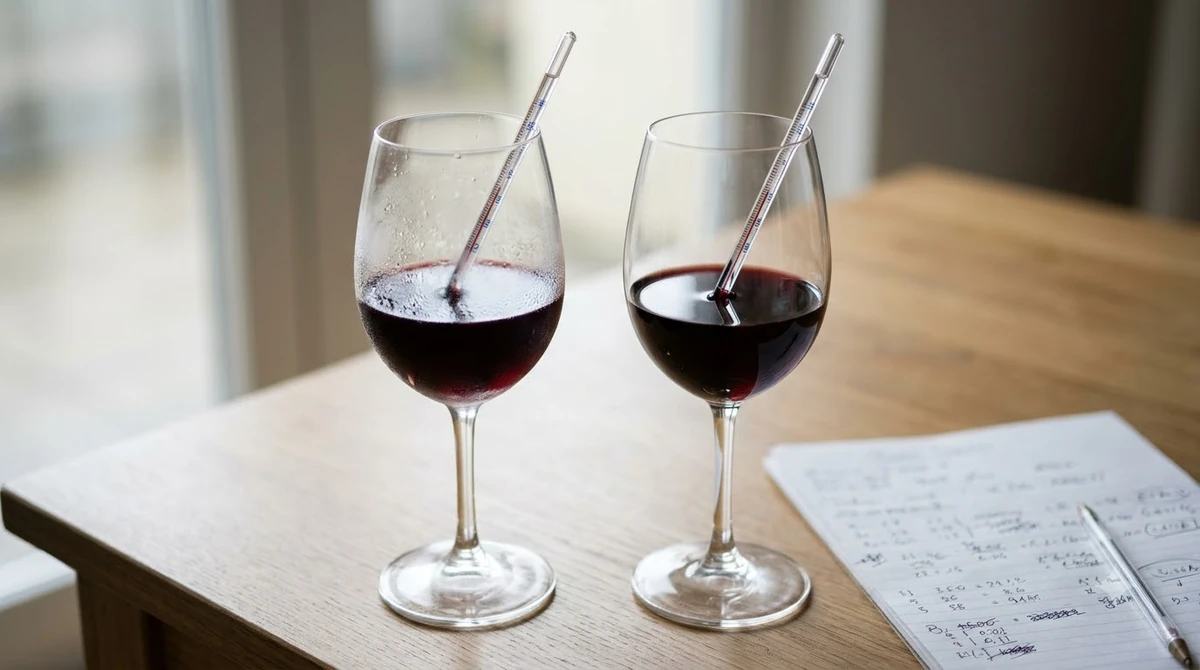
If a bottle has been stored at room temperature, placing it in the refrigerator for a short period can help bring it closer to the desired serving range. A wine thermometer is useful if precise temperature control matters.
Decanting and opening
Most approachable fruity red wines can be poured directly from the bottle. However, young, full-bodied reds can benefit from 30–60 minutes of decanting, particularly when their tannins are firm or their aromas initially seem closed.
Decanting exposes wine to oxygen, which can temporarily soften the perception of some tannins and allow aromas to become more expressive. It is not necessary for every bottle, and delicate older reds may require a gentler approach.
A standard serving is approximately 5 ounces. Since a standard wine bottle contains 750 ml, it provides about five glasses at that serving size.
Storing opened bottles
Once opened, most still red wines remain in reasonable condition for approximately three to five days when properly resealed and refrigerated. Cooler storage slows oxidation and helps preserve the wine’s aromas and flavors.
For unopened bottles intended for longer storage, a consistent temperature near 55°F is a useful target. Avoid direct sunlight, excessive temperature changes, and locations close to heating appliances.
Bottles with natural cork closures are generally stored on their sides during longer-term storage to help maintain cork contact with the wine. A stable environment matters more than frequent movement or decorative storage arrangements.
Not every fruity red is designed for extended aging. Many approachable Merlot, Grenache, and Pinot Noir wines are intended to be enjoyed relatively young, while certain structured Cabernet Sauvignon and other full-bodied reds can develop additional complexity with appropriate aging.
The most reliable approach is to choose a bottle according to the style you want to drink rather than assuming that older wine is automatically better.
Frequently Asked Questions
Can a dry red wine taste sweet without containing much sugar?
Yes. Aromatic compounds associated with ripe cherries, strawberries, and blackberries can create an impression of sweetness even when residual sugar is very low. Alcohol and oak-derived flavors can also influence perceived sweetness. This is why a dry Zinfandel or Merlot may seem sweeter than its technical sugar classification suggests.
Does red wine contain naturally occurring sugar after fermentation?
Yes. Even wines fermented to dryness can retain small quantities of sugar that yeast cannot readily consume. These include certain non-fermentable sugar compounds. Consequently, technically dry wine does not necessarily mean that laboratory testing would find absolutely zero sugar.
Can red wine become sweeter as it ages?
Aging does not normally create additional residual sugar in a properly finished dry wine. However, the wine’s acidity, tannins, fruit aromas, and other components can evolve, changing the perception of sweetness. Some mature reds therefore seem softer and rounder than they did when young.
Why does refrigerated red wine sometimes taste more acidic?
Lower serving temperatures can reduce the perception of sweetness and emphasize freshness and acidity. Very cold temperatures can also make tannins seem more pronounced. This is one reason light reds are generally served slightly chilled rather than straight from a very cold refrigerator.
Is Lambrusco always a sweet red wine?
No. Lambrusco is a family of sparkling red wines from Italy’s Emilia-Romagna region, and its styles range from dry to sweet. The word Secco generally identifies a drier style, while Amabile indicates a sweeter, semi-sweet style and Dolce indicates a sweet style. Its refreshing bubbles make it particularly versatile with regional dishes such as cured meats and Parmigiano Reggiano.
Finding the right dry, fruity red is easier once you separate fruit flavors from actual sweetness. Start with Merlot or Pinot Noir for softer, approachable styles, and explore Malbec, Grenache, or Zinfandel if you prefer more concentrated fruit and body. The best bottle is one whose sweetness, acidity, tannin, and overall character match your personal taste and the food you enjoy.
More in Wine Buying Guides
 Riesling Gift: Choose a Bottle They’ll LoveUpdated Nov 21, 2026
 Sweet Red Wine Gift: Choose a Bottle They’ll LoveUpdated Nov 21, 2026
 Malbec Gift: How to Choose a Memorable Bottle for Any OccasionUpdated Nov 21, 2026
 Sherry Gift Ideas That Match Every Wine LoverUpdated Nov 21, 2026
 Moscato Gift: How to Choose a Sweet Wine They’ll LoveUpdated Nov 21, 2026
 Merlot Gift: How to Choose a Bottle They’ll AppreciateUpdated Nov 21, 2026