

We may earn a commission when you buy through links on this page, at no extra cost to you. Learn more.
The phrase robert weil wine refers to German Riesling made by Weingut Robert Weil in Kiedrich, with styles ranging from crisp, dry bottles to naturally sweet, single-vineyard wines. The estate focuses entirely on Riesling, so its range is a study in how vineyard origin, harvest selection, and residual sugar can change one grape’s character. Expect lively acidity, orchard and citrus fruit, and a clear distinction between dry wines and sweeter Prädikat bottlings.
The name refers to a historic family winery, not to one fixed flavor profile or a single wine. Understanding the Rheingau setting, the estate’s vineyard hierarchy, and a few German label terms makes it much easier to choose the right bottle for dinner or a special occasion.
The Estate Behind Robert Weil Wine
Weingut Robert Weil is a family estate in Kiedrich, in Germany’s Rheingau region. Dr. Robert Weil bought his first vineyard parcels on the Kiedricher Berg in 1867 and expanded the wine estate from 1875; the winery describes current leader Wilhelm Weil as the fourth generation of the founding family.
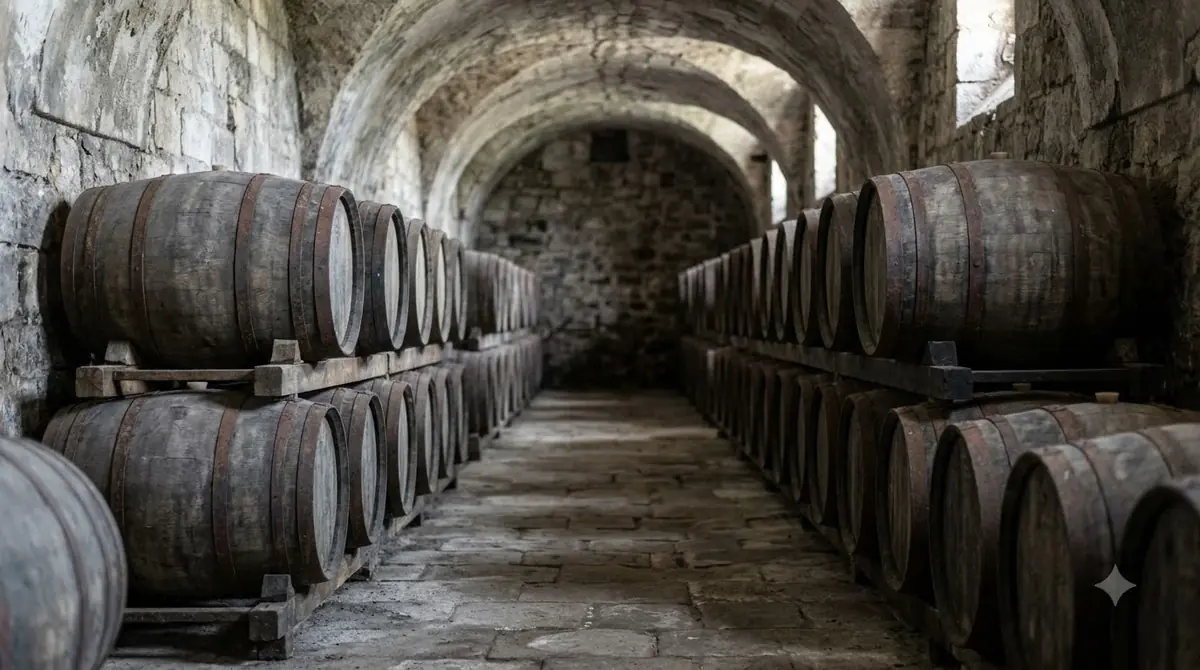
The estate’s early reputation was built on Riesling, especially wines from the Kiedricher Berg. The winery’s own history records that the Austrian royal court bought 800 bottles of the 1893 Kiedricher Berg Auslese. The purchase is an extraordinary historical detail that illustrates the standing Rheingau Riesling once held among Europe’s leading wines. Weil Auslese also appeared on the wine lists of distinguished hotels, including Berlin’s Hotel Adlon.
The estate’s story reached beyond restaurant dining rooms. Its history page notes that the 1928 maiden-voyage wine list for the airship LZ 127 Graf Zeppelin included a 1920 Kiedricher Gräfenberg Trockenbeerenauslese. These references are more than colorful anecdotes: they show how long the winery has worked with both dry and intensely sweet expressions of Riesling. The name Robert Weil therefore signals a producer with a deep regional identity rather than a mass-market label built around a single style.
That distinction can help when comparing wine names in a crowded aisle. A U.S. label such as Woodbridge by Robert Mondavi wine belongs to a different producer and wine range; the shared first name does not indicate a connection. For an overview of how wineries, labels, and producer families fit together, the site’s guide to wine brands provides useful context.
Kiedrich and the Rheingau Vineyard Sites
The character of Robert Weil Riesling begins in Kiedrich, where steep, southwest-facing slopes catch the sun while the Taunus foothills help channel cooling air into the Rhine Valley. The winery describes vineyard elevations reaching 240 meters (about 780 feet) and slopes as steep as 60 percent, conditions that support slow ripening and intense flavor development.
Three named hillside sites are central to the estate: Kiedricher Klosterberg, Kiedricher Turmberg, and Kiedrich Gräfenberg. Klosterberg has stony soils that include slate, phyllite, and gneiss. Turmberg takes its name from the remaining tower of Scharfenstein Castle, whose construction dates to around 1160; the historic vineyard designation was restored as a single-vineyard property for the winery in 2005, covering 3.8 hectares.
Gräfenberg is the estate’s most prominent classified site. The winery traces its documented history to 1109 and describes its soil as coarse-grained and stony, with phyllite and loess-loam layers that help balance drainage and water retention. The site is classified as VDP.GROSSE LAGE®, while Klosterberg and Turmberg are among the estate’s VDP.ERSTE LAGE® vineyards. Those designations describe vineyard origin and standing, not sweetness by themselves.
The estate reports 90 hectares of vineyards planted entirely to Riesling. Its vines include plantings more than 50 years old, with a density of 5,000 to 6,000 vines per hectare. A long harvest period allows pickers to select grapes as they reach the condition needed for different wine styles rather than gathering every parcel at once.
| Vineyard or practice | Reported figure | Why it matters |
|---|---|---|
| Total estate vineyard area | 90 hectares | All planted to Riesling |
| Vineyard elevation | Up to 240 m / 780 ft | Higher Kiedrich sites benefit from airflow and exposure |
| Steepest slopes | Up to 60% | Steep hillside work and careful site selection shape production |
| Vine density | 5,000–6,000 vines per hectare | Reflects relatively dense vineyard planting |
| Selective harvest | 8–10 weeks; up to 17 passes | Different ripeness levels can be picked separately |
These figures come from the winery’s vineyard and Riesling descriptions. They explain why the estate can make a broad range from one grape: the slope, soil, exposure, and timing of each pick all affect the fruit that reaches the cellar.
Robert Weil Wine Styles and German Label Terms
The range moves from approachable regional Riesling to bottles identified with individual vineyards. The easiest starting point is to read the style word first—such as Trocken, Tradition, Kabinett, or Spätlese—then use the place name and VDP designation to understand the wine’s origin.
At the entry level, the winery lists Rheingau Riesling Trocken, Halbtrocken, Tradition, Kabinett, and Spätlese as Gutsweine. Gutswein is the VDP’s regional estate-wine tier, and Weil says these grapes come from estate vineyards bordering its classified hillsides. Trocken means dry; Halbtrocken indicates a less-dry style. Tradition is a house style with a subtly tart character and noticeable acidity, rather than a vineyard name.
Above the regional wines, the VDP system places Ortswein, Erste Lage, and Grosse Lage in progressively narrower origin tiers. The VDP describes its system as an origin-based classification: the more specific the origin, the higher the site level. For Robert Weil, the top designation is Kiedrich Gräfenberg VDP.GROSSE LAGE®. Its dry Riesling is labeled VDP.GROSSES GEWÄCHS®, commonly shortened to GG; the same vineyard also supplies fruit-sweet Spätlese, Auslese, Beerenauslese, and Trockenbeerenauslese wines.
German Prädikat words such as Kabinett, Spätlese, and Auslese refer to harvest ripeness categories, and they do not automatically tell you that every German wine with that term tastes sweet. In the VDP estate’s range, the distinction is clearer: a dry top-site wine carries the GG designation, while the classic fruit-sweet wines use the traditional Prädikat names. For a dry style, look for Trocken or GG; for a sweeter bottle, choose one of the fruit-sweet Prädikat wines.
Tip: Start with the word that describes taste, then read the vineyard name. “Gräfenberg” tells you where the grapes grew; “GG” tells you that the wine is the dry expression from that top-classified site.
This is one reason two bottles from the same producer can feel quite different. A regional Trocken Riesling is designed to show freshness and easy food versatility, while a Gräfenberg GG puts more emphasis on the character of a named hillside. A Gräfenberg Auslese, by contrast, is a naturally sweet wine whose richness is balanced by Riesling’s acidity.
Flavor, Acidity, and Texture
Robert Weil Riesling typically combines high acidity with citrus, apple, peach, and mineral notes, but sweetness and body change across the range. Dry bottlings tend to feel crisp and taut, while fruit-sweet wines add a rounder texture without losing the grape’s refreshing line of acidity.
Expect lemon, lime, yellow apple, white peach, and sometimes floral or stony notes rather than the dark fruit and firm tannin associated with many red wines. Riesling is naturally high in acidity and low in tannin, so the wine’s structure comes from freshness, fruit concentration, and the balance between acidity and residual sugar. That balance matters more than sweetness alone: a wine can taste gently sweet yet remain lively if the acidity is high.
Individual bottlings show how these traits play out. Wine Enthusiast’s review of a Robert Weil Rheingau Riesling Tradition describes yellow apple, citrus, and peach skin, with fresh acidity and a clean finish; that reviewed 750-milliliter bottle lists 11 percent alcohol. The tasting note is a useful example of the house style, not a guarantee that every vintage or vineyard bottling will taste identical. The review is available in Wine Enthusiast’s Robert Weil Tradition review.
Dry wines can show a firmer, more savory side, especially when a named site and a fuller-bodied style are involved. The winery says its fuller-bodied dry wines ferment and mature in casks, while lighter, fruitier, naturally sweet wines use stainless steel. That difference in vessel choice can shape texture and aromatic emphasis, even though Riesling remains the only grape in the estate’s vineyard program.
Food Pairings for Dry and Sweet Riesling
Dry Robert Weil Riesling is a natural match for seafood, roast chicken, pork, and dishes with herbs or citrus. Its high acidity refreshes the palate and can stand up to acidic ingredients, provided the food does not have noticeably more acidity than the wine.
For a simple dinner, pair a dry Rheingau Riesling with grilled shrimp, pan-seared trout, roast chicken with lemon, or pork schnitzel. The wine’s citrus and apple character complements seafood and poultry without covering their flavors. Riesling’s low tannin also makes it a better choice for oily fish than a tannic red, which can make the pairing feel metallic or harsh. For richer dishes, try a fuller dry bottling with roast pork, creamy poultry, or a savory mushroom dish.
Tradition or a gently sweeter Kabinett can work especially well with dishes that bring heat, ginger, garlic, or sweet-and-sour notes. A little residual sweetness can soften the impression of chili, while the acidity keeps the pairing from feeling heavy. Alcohol can amplify chili heat, however, so a lower-alcohol, lightly sweet Riesling is often a better choice than a powerful wine beside very spicy food. Try it with Thai curry, Sichuan dishes, glazed pork, or spicy noodles.
For dessert, choose a wine at least as sweet as the dish. A fruit-sweet Spätlese or Auslese can work with peach tart, poached pears, apple pastry, or fruit-based desserts; a dessert that is sweeter than the wine can make the wine taste thin and sour. Salty cheeses can also be appealing partners because the wine’s acidity provides a counterpoint to the salt, while its fruit keeps the pairing from seeming austere. Keep very delicate desserts with the lighter styles and reserve the most concentrated sweet wines for richer, more intense dishes.
How to Choose, Serve, and Store a Bottle
Choose by taste preference first, then by origin and occasion. A dry Rheingau Riesling or Trocken bottling is the practical choice for weeknight seafood or chicken; Tradition offers a more rounded, balanced option; a Kabinett or Spätlese suits diners who enjoy fruit and sweetness; and a Gräfenberg GG is a site-focused dry bottle for a more deliberate meal.
Alcohol percentage can help set expectations, but it is not a sweetness scale. The reviewed Tradition example above lists 11 percent alcohol, while other Weil wines can differ according to ripeness, fermentation, and style. Compare the exact bottle rather than assuming that all Riesling or all wines from one producer share the same alcohol level. A separate article on Robert Mondavi wine alcohol content offers a useful comparison of how ABV is presented across another producer’s range.
Serve most light and medium-bodied white Rieslings at about 45–50°F. A sweeter, delicate bottle can be served around 43–50°F; a fuller, more structured dry wine may show better closer to 50–55°F. Chill the bottle before pouring, then let the wine warm slightly in the glass if its aromas seem restrained. A standard 750-milliliter bottle gives about five 5-ounce servings, which is a sensible pour for tasting how the wine opens over dinner.
For storage, keep unopened bottles in a dark, stable place near 55°F and away from temperature swings; long-term bottles are best stored on their sides when they have natural cork closures. After opening, put the bottle in the refrigerator and use a good closure. Most still wines keep their best character for roughly three to five days once opened, although delicate aromas can fade before the wine becomes undrinkable. Sweet Riesling can remain appealing for several days because its sugar and acidity help preserve its sense of balance.
The estate’s vineyard program gives the buyer a clear progression: regional wine for everyday use, a named hillside for more specificity, and Gräfenberg for its top site expression. When comparing two bottles, consider whether you want dry or sweet, a lighter or fuller body, and a regional or single-vineyard origin. Those choices are more useful than relying on the producer name alone.
Frequently Asked Questions
Is the VDP classification part of German wine law?
No. The VDP classification is a private set of origin and quality rules created by the association’s member estates, not a category established by German wine law. That distinction matters because the VDP terms describe how participating producers classify their vineyards and wines.
What does the VDP eagle on the bottle capsule mean?
The eagle-and-grapes mark identifies a wine from a VDP member estate and signals that the producer follows the association’s standards. It is different from the GG mark, which identifies a dry wine from a VDP.GROSSE LAGE® vineyard.
Can visitors go to Weingut Robert Weil?
The winery lists visitor opening hours at its Kiedrich address: weekdays from 8:00 a.m. to 5:30 p.m., Saturday from 10:00 a.m. to 5:00 p.m., and Sunday from 11:00 a.m. to 5:00 p.m. Contact the estate before traveling to confirm tasting arrangements and seasonal changes.
How long has the estate belonged to the VDP?
The VDP’s estate profile lists Robert Weil as a member since 1907. That date is separate from the winery’s 1875 founding milestone and indicates a long history within the German association of quality-focused wine estates.
How many bottles does Robert Weil produce?
The VDP profile lists bottle production at 680,000. Treat that as a profile figure rather than a promise that every harvest produces the same quantity, since crop size and the number of bottles in individual wines can vary.
Robert Weil is a strong choice for anyone who wants to explore the range of German Riesling, from crisp dry wine to complex, naturally sweet expressions. Start with the taste style you enjoy, then explore the Kiedrich vineyard names to see how a single grape can express different origins.
More in Wine Brands
 Underwood Wine Price: Compare Bottles, Cans, and Pack SizesUpdated Nov 21, 2026
 Zenato Wine Price: Compare Styles and Choose the Right BottleUpdated Nov 21, 2026
 Zuccardi Wine Price: Compare Bottles and Find the Right RangeUpdated Nov 21, 2026
 Yellow Tail Moscato Review: Taste, Sweetness and Serving TipsUpdated Nov 21, 2026
 Wolf Blass Yellow Label Review: Choose Your Best StyleUpdated Nov 21, 2026
 Wolffer Estate Rose Review: Choose the Right Bottle for Your TableUpdated Nov 21, 2026