

We may earn a commission when you buy through links on this page, at no extra cost to you. Learn more.
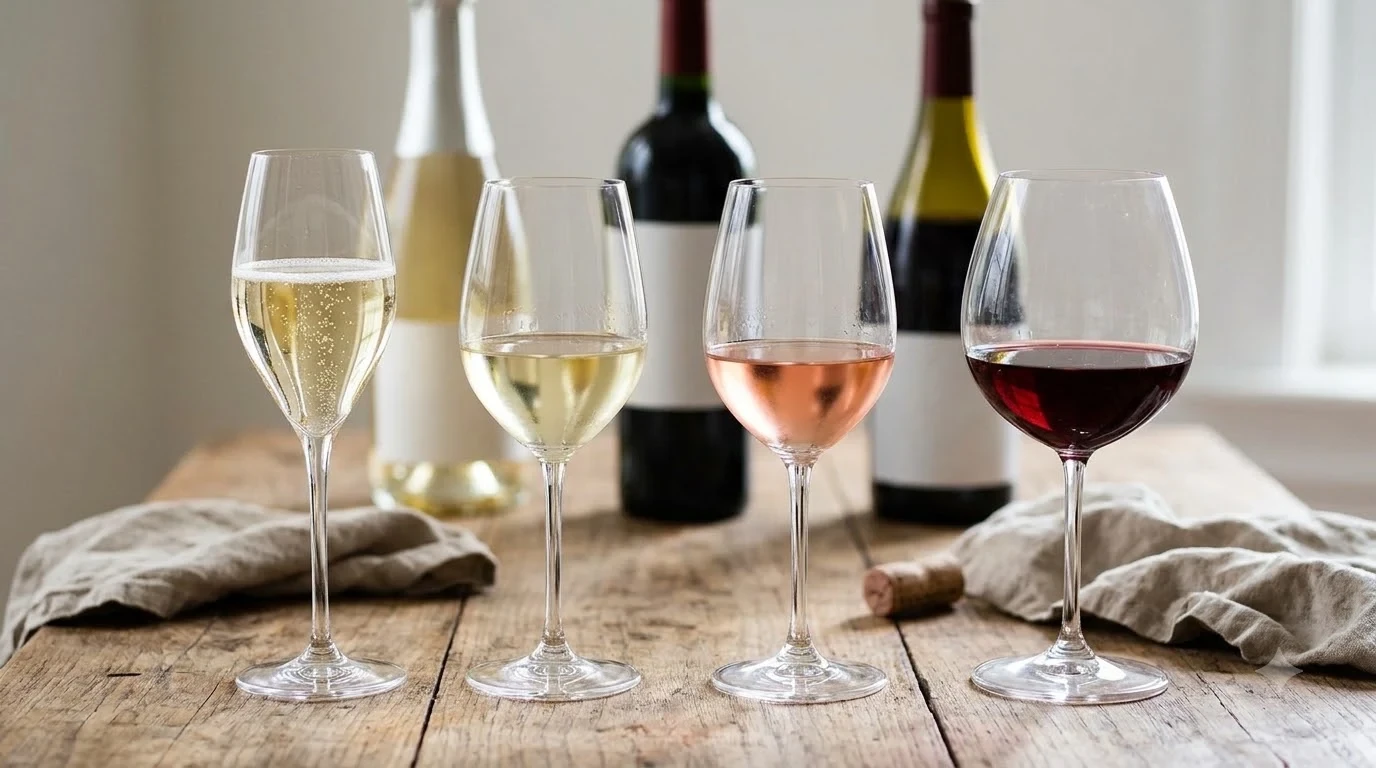
The woodbridge by robert mondavi wine range is a California collection of approachable red, white, and rosé wines made for everyday meals and casual occasions. Founded by Robert Mondavi in 1979 near Lodi, the brand focuses on familiar grape varieties such as Cabernet Sauvignon, Merlot, Chardonnay, and Sauvignon Blanc. Its current lineup also includes Pinot Noir, Pinot Grigio, Riesling, Moscato, rosé, and several blends, so choosing a bottle starts with the flavor and food you prefer.
Woodbridge carries the Mondavi name, but it serves a different purpose from the Robert Mondavi Winery label associated with Napa Valley. Understanding that distinction, the range of styles, and a few practical serving details makes it easier to choose a bottle with realistic expectations.
Where Woodbridge Fits in the Mondavi Story
Woodbridge was Robert Mondavi’s answer to a straightforward question: how could more people enjoy California wine regularly, not just on special occasions? As the Woodbridge history explains, he established Woodbridge Winery in 1979 near Lodi, where he had grown up, after founding Robert Mondavi Winery near Oakville in Napa Valley in 1966; Woodbridge was conceived around accessible, varietal-led bottles for the everyday table.
The brand’s history page says Mondavi acquired a local cooperative of grape growers in 1979 and named the new winery after a nearby town. That origin matters because Woodbridge was not simply a sub-label attached to the Napa winery. It was a separate project rooted in the Lodi area, with its own production identity and an emphasis on familiar styles. The goal was to make recognizable wines that could accompany an ordinary dinner, a neighborhood gathering, or a relaxed weekend meal.
The name can still cause confusion. Robert Mondavi Winery is based in Oakville and is associated with Napa Valley, while Woodbridge’s historical home is near Lodi, roughly 100 miles east of San Francisco. The labels are not interchangeable: Woodbridge is the California-focused everyday range, while the Mondavi name connects it to the founder’s broader vision.
For a wider overview of labels and producers, the site’s Wine Brands directory can help place Woodbridge alongside other names. The distinction is useful when reading reviews, comparing grape varieties, or looking up alcohol information: the exact bottle and label matter more than the shared family name.
Lodi’s Climate and the Winemaking Approach
Lodi provides the historical setting for Woodbridge, and its combination of warm growing days and cooler evening air helps explain why the area can support a broad range of grapes. The winery describes Lodi as part of California’s Central Valley, about 100 miles east of San Francisco, where maritime breezes move inland from San Francisco Bay and the Sacramento River Delta.
According to the Woodbridge history page, Lodi accounts for 18% of California’s total wine-grape production, a share the brand says exceeds Napa and Sonoma counties combined. The Lodi Winegrape Commission also describes cool Delta air as an influence that helps temper warm, sunny growing conditions and preserve freshness in grapes. Those regional details provide context, but they do not mean every Woodbridge bottle carries a Lodi appellation. The current portfolio is presented broadly as California-grown wine.
Woodbridge also points to production choices intended to keep the wines balanced and approachable. Its winemaking account describes leaving some wines on their lees, or spent yeast cells, to add texture and complexity, and aging selected lots in oak. The team says it tastes lots separately before assembling final blends. These are not claims that every wine receives identical treatment; they describe tools used selectively across the range.
The winery says it was the first major winery to use the Direct-To-Press method for white wine on a large scale. In this approach, white grapes are pressed soon after harvest rather than spending extended time fermenting on their skins. It is one example of the production-minded innovation associated with Woodbridge. These production choices do not make every wine taste alike: Chardonnay, Merlot, and Moscato begin with different grapes and have different structures, while the aim is accessibility across familiar styles.
Red, White, and Rosé Styles in the Current Range
The current Woodbridge portfolio lists 13 named wines across red, white, and rosé categories. The selection includes familiar varietals as well as alternative Chardonnay styles and blends, giving shoppers several routes to a bottle suited to the meal or the preferred level of body.

Red wines
Cabernet Sauvignon is the choice for drinkers who prefer a firmer red with dark-fruit character and noticeable structure. Woodbridge describes its Cabernet with dark cherry, cedar, spice, blackberry, cocoa, and a touch of toasted oak; the winery suggests serving it with seared steak or spaghetti marinara. Cabernet generally has high tannin, so it is a natural match for protein-rich dishes rather than delicate fish.
Merlot is generally softer and more rounded than Cabernet Sauvignon, with medium tannin. It fits roast chicken, burgers, meatloaf, or tomato-based pasta when Cabernet would feel too firm. Pinot Noir usually has lower to medium tannin and higher acidity, making it useful with roast poultry, mushrooms, and salmon. The lineup also lists Red Blend and Rich Red Blend for shoppers who prefer a blended style.
White wines and rosé
Chardonnay is the more rounded white option in the core range. Woodbridge describes aromas of pear and tropical fruit, with ripe peach and toasted tropical notes on the palate; it recommends roast chicken or peach cobbler. The lineup also separates Buttery Chardonnay and Lightly Oaked Chardonnay, which gives shoppers a way to choose a richer, oak-influenced profile or a lighter oak impression rather than assuming all Chardonnay tastes alike.
Sauvignon Blanc is the brighter choice, with producer-listed lemongrass and starfruit aromas and lime and Meyer lemon flavors. Woodbridge recommends it with fresh salmon or spring salad with goat cheese. Pinot Grigio offers another crisp direction, while Riesling and Moscato can show more fruit sweetness; rosé gives drinkers red-fruit character without the weight of red wine. Wine Enthusiast’s review of a nonvintage Woodbridge Sauvignon Blanc describes white-peach and honeydew flavors with a softer texture than the sharpest examples of the variety. It is a snapshot of one bottling, not a guarantee of every release.
Choosing a Bottle by Taste and Alcohol Level
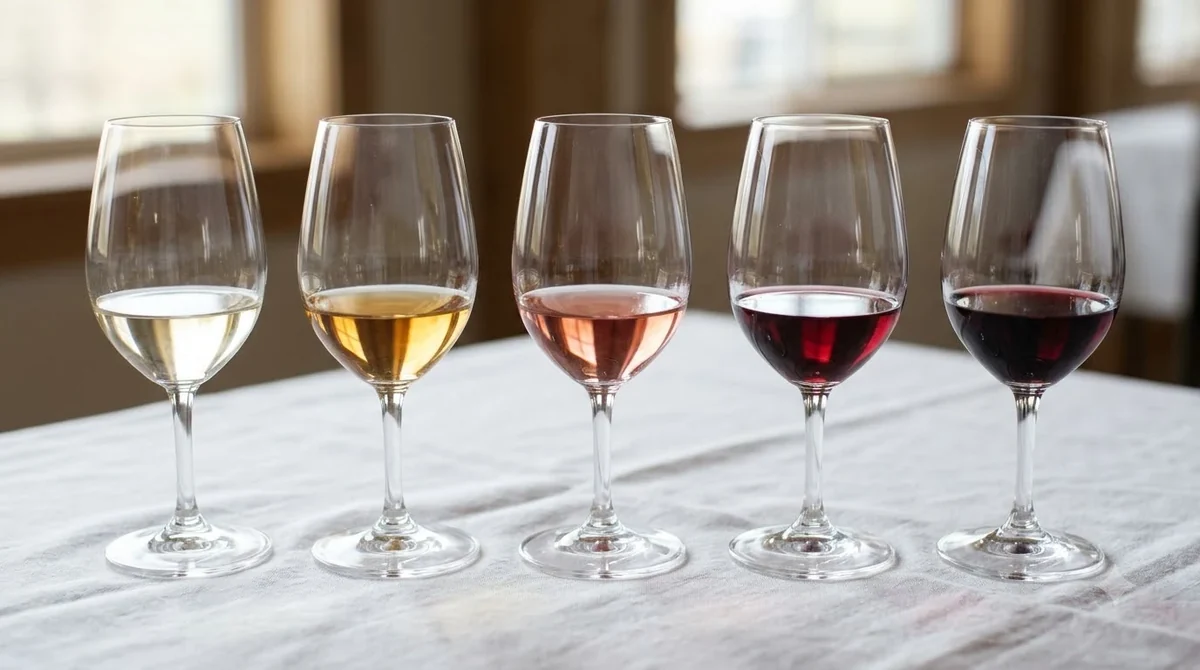
Start with the food and the weight of the wine you enjoy. Choose Cabernet Sauvignon for a structured red, Merlot for a softer red, Pinot Noir for lighter body and more freshness, Chardonnay for a rounded white, and Sauvignon Blanc or Pinot Grigio when you want a brighter white. Riesling and Moscato suit fruit-forward preferences, while rosé works when the table includes a mix of lighter dishes.
Alcohol content is a separate question from sweetness, body, or grape variety. The alcohol percentage can vary by wine and bottling, even within one brand. Wine Enthusiast lists 12.5% alcohol for the particular nonvintage Woodbridge Sauvignon Blanc it reviewed, but that figure should not be applied to Cabernet Sauvignon, Chardonnay, or every other Woodbridge label. For a bottle-by-bottle explanation, compare Woodbridge wine alcohol content with the more general Robert Mondavi wine alcohol content overview.
Woodbridge’s Cabernet Sauvignon and Chardonnay pages list five formats: 187 milliliters, 500 milliliters, 750 milliliters, 1.5 liters, and 3 liters. Smaller sizes suit one or two servings, while larger formats suit a gathering. The estimates below use the standard five-ounce pour; actual pours may be larger or smaller.
| Bottle format | Approximate volume | Five-ounce pours | Useful for |
|---|---|---|---|
| 187 ml | 6.3 fl oz | About 1.25 | One glass |
| 500 ml | 16.9 fl oz | About 3.4 | A small meal or two modest servings |
| 750 ml | 25.4 fl oz | About 5 | A typical shared bottle |
| 1.5 L | 50.7 fl oz | About 10 | A group dinner |
| 3 L | 101.4 fl oz | About 20 | A larger gathering |
Tip: Compare the alcohol percentage on the exact bottle, then choose the format for the occasion: 187 milliliters can suit a solo glass, while 1.5 liters can serve a group.
Food Pairings for Everyday Meals
Pairing Woodbridge is easiest when you match the wine’s weight and structure to the food. Cabernet Sauvignon’s higher tannin works well with rich proteins such as steak and grilled beef, while the acidity of Sauvignon Blanc suits fresh, bright dishes. Merlot and Chardonnay can cover many familiar weeknight meals because their medium weight is flexible.
For Cabernet Sauvignon, try seared steak, grilled burgers, lamb, or spaghetti marinara. Protein and fat soften tannin and help the wine feel less drying; tomato sauce brings acidity, while roasted mushrooms and savory hard cheeses complement Cabernet’s dark-fruit and oak notes. Merlot suits meatloaf, roast pork, turkey burgers, or baked ziti, while Pinot Noir is often more suitable for roast chicken, duck, mushroom risotto, or salmon because its lighter tannin and higher acidity are less likely to overwhelm the food. Avoid oily fish with strongly tannic reds; a white or lighter red is usually more comfortable.
Serve Chardonnay with roast chicken, creamy pasta, roasted vegetables, or mild cheese. A buttery style can stand up to cream sauces and richer food. Sauvignon Blanc suits goat cheese salad, grilled vegetables, shellfish, and fresh salmon, while Pinot Grigio works with simple seafood, salads, and lemon-seasoned chicken.
Riesling and Moscato suit dishes that benefit from fruitiness or a touch of sweetness. For spicy food, avoid a high-alcohol, tannic red if the heat is already strong: alcohol and tannin can make chili feel hotter. A slightly sweet, aromatic white can be a better direction. With dessert, choose a wine at least as sweet as the dish; otherwise the wine may taste thin or tart by comparison. Rosé can bridge picnic foods, grilled chicken, tomato salads, and charcuterie when the menu moves between several flavors.
Serving Temperatures and Storage
Temperature changes how aromas, acidity, alcohol, and tannin come across. Serve light whites and rosé at 45–50°F, fuller Chardonnay at 50–55°F, light reds such as Pinot Noir at 55–60°F, fuller reds such as Cabernet at 60–65°F, and sweet whites such as Moscato at 43–50°F.
Excessive chill can mute Chardonnay or Pinot Noir, while warm Cabernet can make alcohol seem more prominent. Chill whites and rosé ahead of dinner; fuller whites can sit briefly at the table, and light reds can spend a short time in the refrigerator before serving. Young, full-bodied reds can benefit from 30–60 minutes in a decanter, especially structured Cabernet; lighter Pinot Noir usually needs less air.
Store unopened bottles on their side in a cool, dark place near 55°F, away from sunlight, heat sources, and frequent temperature swings. The sideways position keeps a natural cork in contact with the wine, while stable temperature slows unwanted development. A screw-cap bottle can also be stored upright.
After opening, put still wine in the refrigerator and use it within about 3–5 days. Replace the closure promptly and limit unnecessary exposure to air. The refrigerator is useful for opened red wine too; take a glass out a little before serving if it has become too cold. Sparkling wine generally loses its fizz sooner, while fortified wines can last several weeks after opening. These are practical windows, not guarantees: oxygen exposure, temperature, and the wine’s condition all affect how long it remains enjoyable.
Frequently Asked Questions
These answers clarify how to read an NV bottling, distinguish California from the Lodi AVA, and understand details such as the region’s 50- to 100-year-old Zinfandel vines.
What training did Robert Mondavi receive before making wine?
He studied business and chemistry at Stanford University before taking a course in viticulture and enology at the University of California, Berkeley. That combination gave him both business education and technical grounding in grape growing and winemaking.
Does NV mean the wine has no vintage information?
NV stands for nonvintage, meaning the wine is not marketed around one specific harvest year. A nonvintage bottling may draw on more than one vintage or lot to maintain a consistent house style. It is not a quality grade.
What is distinctive about some of Lodi’s old Zinfandel vineyards?
The Lodi Winegrape Commission identifies fine, well-draining Tokay Sandy Loam as an important local soil. It says this soil is home to many of Lodi’s Zinfandel vines that are 50 to 100 years old.
Can Woodbridge wine be used in cooking?
Yes. A dry Woodbridge Cabernet or Merlot can be used in a pan sauce, stew, or tomato-based braise, while Chardonnay can add acidity to a cream sauce or a sauté. Cook with a wine whose flavor you would be comfortable drinking, and avoid using a noticeably sweet wine in a savory recipe unless the recipe calls for sweetness.
How did the Mondavi family first connect with Lodi?
Cesare Mondavi noticed that many of the grapes shipped to Italian-American home winemakers came from Lodi, then moved his family to California and began a grape-shipping business. Robert’s early work included nailing together the crates used to transport those grapes.
Woodbridge is best understood as a broad California range built around familiar grapes, approachable styles, and flexible formats. Choose by grape, sweetness, body, alcohol level, and the food on the table, then serve the wine at a temperature that lets its character show.
More in Wine Brands
 Underwood Wine Price: Compare Bottles, Cans, and Pack SizesUpdated Nov 21, 2026
 Zenato Wine Price: Compare Styles and Choose the Right BottleUpdated Nov 21, 2026
 Zuccardi Wine Price: Compare Bottles and Find the Right RangeUpdated Nov 21, 2026
 Yellow Tail Moscato Review: Taste, Sweetness and Serving TipsUpdated Nov 21, 2026
 Wolf Blass Yellow Label Review: Choose Your Best StyleUpdated Nov 21, 2026
 Wolffer Estate Rose Review: Choose the Right Bottle for Your TableUpdated Nov 21, 2026