


We may earn a commission when you buy through links on this page, at no extra cost to you. Learn more.
Sweet Prosecco is a sparkling white wine from northeastern Italy with more residual sugar than Brut, usually labeled Dry on the bottle, which gives it a softer, fruitier taste and a lower sense of acidity. The sweetness comes from the sugar left after fermentation, and the label term is the clearest guide. This guide explains the sweetness levels, how Prosecco is made, how to serve a sweeter bottle, and which foods it suits.
Many shoppers ask for a sweet Prosecco because they want a sparkling wine that tastes gentle and easy from the first sip. The trick is knowing that the bottle label, not the grape, determines the sweetness level.
How Prosecco Gets Its Sweetness
Prosecco is made mainly from the Glera grape. According to the Prosecco DOC producers’ website, Glera is the base grape of the wine, and the production area spans several provinces in northeastern Italy, including Treviso, Venezia, and Vicenza. Sweetness is not set by the grape but by how much sugar remains in the wine after fermentation stops.
That leftover sugar is called residual sugar, and it is measured in grams per liter. Winemakers control it by stopping fermentation early or by adding a sweet reserve before bottling. The result is a wine that tastes lighter and fruitier when the sugar is higher, because the sweetness balances the sharp bubbles and acidity.
Prosecco Sweetness Levels on the Label
Wine Folly’s Prosecco guide lists the standard sweetness terms and their sugar ranges. The labels, from driest to sweetest, are Brut, Extra Dry, and Dry. Each one marks a different band of residual sugar, and the sweetest of these standard terms is Dry.
| Label term | Residual sugar (g/L) | How it tastes |
|---|---|---|
| Brut | 0 to 12 | Crisp and dry, the least sweet |
| Extra Dry | 12 to 17 | Lightly sweet, between Brut and Dry |
| Dry | 17 to 32 | Noticeably sweet and fruity |
The name “Extra Dry” can confuse shoppers, because it is sweeter than Brut. The sugar range is the reliable measure, so a bottle labeled Dry will taste the sweetest of the three. Wine Folly’s list does not include Demi-Sec, so if you see that term on a label, check the producer’s description for its sugar content.
What Sweet Prosecco Tastes Like
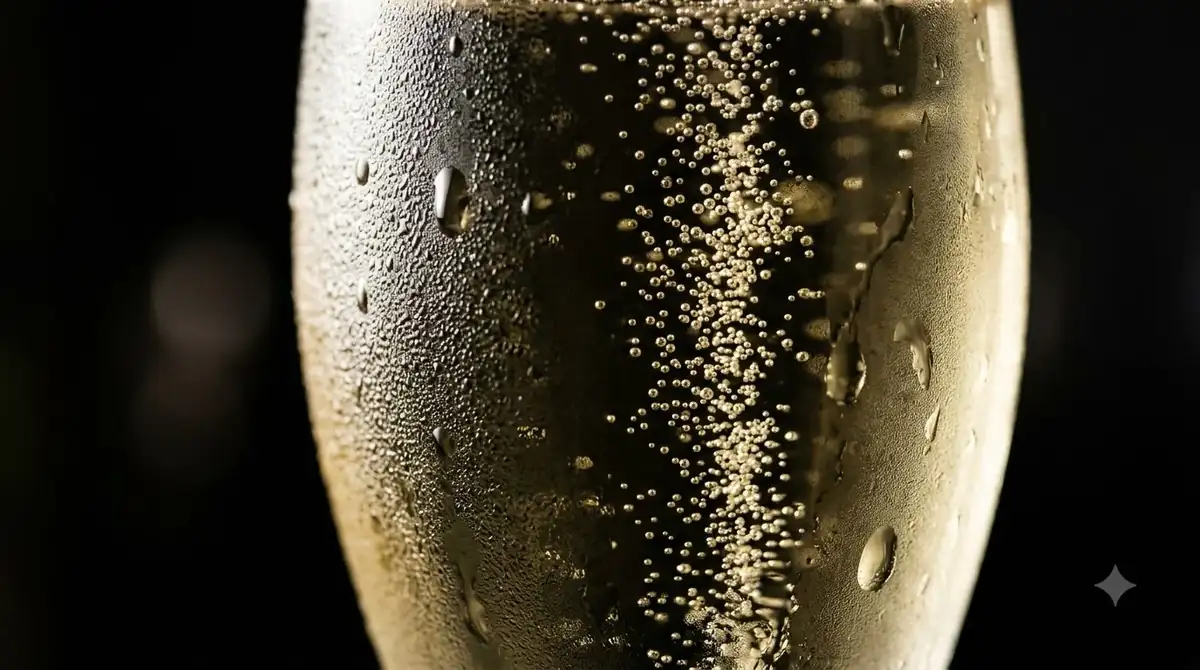
A sweet Prosecco usually shows ripe pear, apple, honeydew melon, and white flowers. The sugar rounds out the acidity, so the wine feels smooth rather than sharp. The bubbles are still lively, and the finish is soft and fruit-driven.
Because the sugar balances the acid, sweet Prosecco is often described as easy to drink. Its alcohol level is lower than many still wines. Wine Folly gives a typical range of 11.5 to 13.5 percent ABV for Prosecco, which makes it a light option for a daytime gathering.
How Prosecco Is Made
Most Prosecco is made with the Martinotti, or Charmat, method. The wine undergoes a second fermentation in large sealed tanks called autoclaves, which traps carbon dioxide and creates the bubbles. The producers’ site notes that this method was developed in the late 1800s and that autoclave production for Prosecco spumante followed in the early 1900s.
The sealed-tank method keeps the fresh, fruity character of the grape in the foreground. It is one reason Prosecco is typically meant to be drunk young. The producers’ site advises drinking it within the year after the vintage, so a fresh bottle is best.
How to Serve Sweet Prosecco
Sweet sparklers are often served too warm, which makes the sugar taste heavy and dulls the bubbles. A bottle that has rested in the refrigerator for a few hours will taste brighter, and pouring it in small amounts keeps the glass from warming up before the last sip.
Serve Prosecco cold. Wine Folly suggests a serving temperature of 38 to 45°F (3 to 7°C), and the Prosecco DOC producers recommend a range of about 6 to 8°C (43 to 46°F). Chilling keeps the bubbles lively and stops the sugar from tasting heavy.
A tulip-shaped glass is the usual choice. The narrow top keeps the bubbles coming and concentrates the aroma. A larger wine glass also works, but avoid wide flat saucers, which let the wine lose its fizz quickly.
Tip: Chill the bottle for about two hours before serving. Once opened, reseal it with a wine stopper and keep it in the refrigerator so the bubbles last longer through the evening.
Food Pairings for a Sweeter Sparkler
Sweet Prosecco works best with food that has some sweetness, salt, or richness. Fruit desserts, fresh berries, and light pastries match the wine’s fruit. Lemon tarts, peach cobbler, and vanilla custard are also good partners, because the sugar in the wine echoes the sweetness of the dessert without competing with it. Salty snacks such as cured ham, olives, and fried appetizers also work, because the sugar softens the salt.
For brunch, a sweet Prosecco pairs nicely with fruit salad, yogurt with honey, and soft cheeses. It is also a good match for spicy Asian dishes, where the sugar tames heat. The wine works better as a companion to food than as a dry aperitif.

Who Sweet Prosecco Suits
Hosts planning a mixed crowd can use a sweeter bottle as a bridge between guests who like dry wine and guests who prefer desserts. Offering a Brut next to a Dry Prosecco lets people choose the style they enjoy without any pressure.
Sweet Prosecco suits people who want a light, fruity sparkler without the sharpness of Brut. It is a good choice for guests who are new to sparkling wine, and it works well in brunch cocktails and simple spritzes where the sugar blends easily into the drink.
If you prefer a dry sparkler, the dry Prosecco guide explains how the Brut and Extra Dry styles differ. For a sweeter white that is still, the sweet Riesling guide covers a different style of sugar and acidity balance, and the sweet rosé guide looks at pink wines with similar fruit notes.
Frequently Asked Questions
The questions below cover the points shoppers ask most often when they look for a sweeter sparkling wine.
What is the sweetest Prosecco label?
Among the standard terms, Dry is the sweetest. Wine Folly gives its residual sugar range as 17 to 32 grams per liter, which is more than Brut or Extra Dry.
Is Extra Dry Prosecco sweet?
Extra Dry is sweeter than Brut but less sweet than Dry. Its sugar range is 12 to 17 grams per liter, so it tastes lightly sweet and is the most common style on shelves.
How strong is sweet Prosecco?
Prosecco typically ranges from 11.5 to 13.5 percent ABV, according to Wine Folly. Sweetness does not change that range much, so a sweet Prosecco is a light sparkling option.
How should sweet Prosecco be served?
Serve it well chilled, around 38 to 45°F (3 to 7°C), in a tulip or standard wine glass. Drink it within a year of the vintage so the fruit stays fresh.
Sweet Prosecco is a light, fruity sparkler, and the label term tells you how sweet it will be. Read the label before you buy, and let the sugar range guide your choice. If a bottle does not show a sweetness term, compare the producer’s description with the sugar ranges in the table above before you decide. Chill it well, serve it with fruit, salty snacks, or brunch dishes, and it will feel easy and friendly. For more on wines by style, browse the wine buying guides.
More in Wine Buying Guides
 Riesling Gift: Choose a Bottle They’ll LoveUpdated Nov 21, 2026
 Sweet Red Wine Gift: Choose a Bottle They’ll LoveUpdated Nov 21, 2026
 Malbec Gift: How to Choose a Memorable Bottle for Any OccasionUpdated Nov 21, 2026
 Sherry Gift Ideas That Match Every Wine LoverUpdated Nov 21, 2026
 Moscato Gift: How to Choose a Sweet Wine They’ll LoveUpdated Nov 21, 2026
 Merlot Gift: How to Choose a Bottle They’ll AppreciateUpdated Nov 21, 2026