

We may earn a commission when you buy through links on this page, at no extra cost to you. Learn more.
La Vieille Ferme wine is an easy-drinking French range from the Rhone Valley, sold as a red, a white and a rose. The brand is listed among the estates of Famille Perrin, a Rhone producer, and its own website promotes it as widely available at major US retailers. Serve the red a little cool, chill the white and rose well, and pair the wines with relaxed, everyday food such as roast chicken, grilled vegetables and soft cheeses.
La Vieille Ferme is one of the more familiar names on store shelves for shoppers who want a reliable French bottle without a lot of fuss. This guide explains what the brand offers, where it comes from, how the red, white and rose differ in general, how to serve them, and which foods suit each style. It also covers how to read the label when you are choosing between them.
Where La Vieille Ferme comes from
Famille Perrin’s website lists La Vieille Ferme among its estates and vineyards, and it describes the family’s wines as coming from the Rhone region of southern France. The page title refers to the Vallee du Rhone and Provence, which covers the warm, sunny southern part of the Rhone Valley. That is the part of France where Grenache, Syrah and Mourvedre are commonly grown, and it is why many wines from this area have ripe fruit and a generous, round texture.
The brand’s own site focuses more on its three products than on detailed vineyard information. It lists a white, a red and a rose, and encourages visitors to find the bottles at their usual retailer. The exact grape blend of each bottle is not spelled out on the pages we read, so the back label or the producer’s technical sheet is the best place to check if you want to know the varieties in your glass.
The three styles and what to expect
A simple way to think about the range is by color. The red is the richest of the three and usually has more body, with fruit and savory notes that suit a meal. The white is lighter and fresher, meant for relaxed drinking and lighter food. The rose sits between them, with enough fruit to be satisfying and enough freshness to work with warm-weather dishes.
For a deeper sense of the red style, Wine Folly’s guide to Grenache is a useful reference. It describes the grape as a maker of rich, flavorful reds and ruby-colored rose, with notes of stewed strawberry, grilled plum, dried herbs and blood orange. Grenache is dry, with a medium-full body and medium acidity, and it was championed by the French in the Southern Rhone Valley even though it originated in northeastern Spain. Many blends from the south lean on this grape for their character.
| Style | What to expect | Best served |
|---|---|---|
| Red | Fuller body, ripe fruit, savory and herbal notes | Slightly cool, around 60 to 65°F |
| White | Light to medium body, fresh and approachable | Well chilled, around 45 to 50°F |
| Rose | Fruity, refreshing, dry or nearly dry | Chilled, around 45 to 55°F |
The table above reflects general style guidance for red, white and rose wines from the south of France rather than a set of technical data from the brand. Use it as a starting point and adjust to your own taste.
How to serve La Vieille Ferme
Serving temperature is the quickest way to improve any of these wines. For the red, Wine Folly’s serving range for Grenache is 60 to 68°F (15 to 20°C), so a short stay in the fridge before pouring can help if the bottle has been sitting in a warm room. The white and rose should be well chilled, which keeps their fruit crisp and stops them from tasting flat. A standard wine glass works for all three, and none of them needs decanting for everyday drinking.
These are easy wines to enjoy without ceremony, but they still taste better when opened fresh. Keep the bottles in a cool, dark spot, and try to finish an opened bottle within a day or two, especially the white and rose, which lose their lift faster than a fuller red. Drink responsibly, and remember that a glass with food is often more enjoyable than a glass on its own.
Food pairings for each style
The red suits roast chicken, grilled sausages, roasted vegetables and mild cheeses such as Gouda or Comte. Wine Folly suggests that Grenache-based wines pair well with roasted meats and vegetables seasoned with cumin or Asian five-spice, so a spiced vegetable dish can be a good match. Tomato-based pasta sauces and herb-rubbed pork are other reliable options.
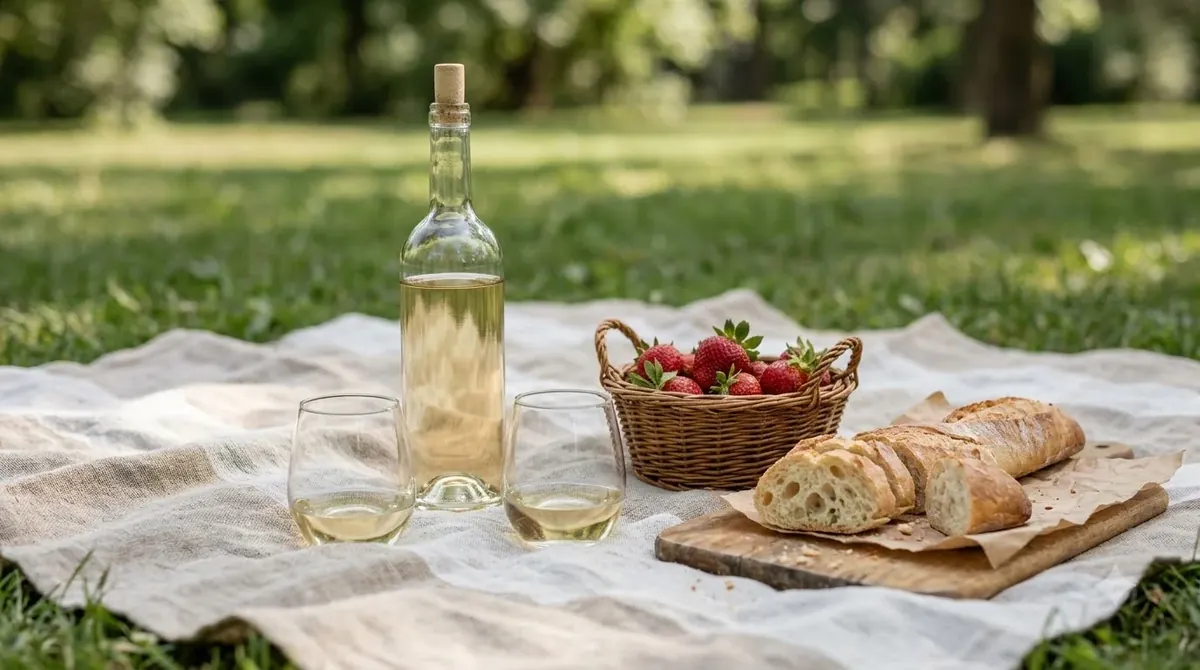
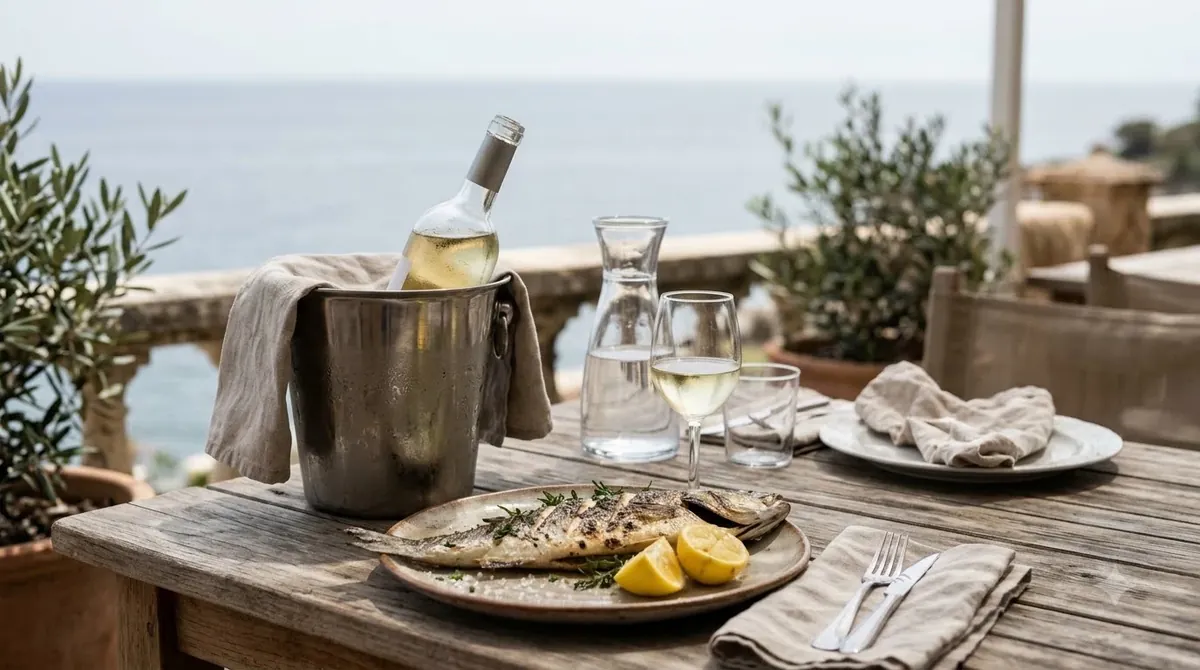
The white works with lighter fare: fish, salads, soft cheeses, and dishes with lemon and herbs. The rose is the most flexible of the three and suits picnic food, sandwiches, grilled fish and fresh vegetables. Because it has fruit and freshness, it can cover a wide range of warm-weather menus without overpowering them.
Tip: If you are buying for a mixed table, the rose is the safest bet, since it works with most starters, salads and grilled dishes.
Buying La Vieille Ferme with confidence
The brand’s site says the wines are available at a broad range of mainstream retailers, and the page lists several large US grocery chains among the stores that carry them. That broad distribution makes the bottles easy to find, but it also means you should check the vintage and storage when you buy. A bottle that has spent weeks in a hot delivery van or a sunny store window will taste dull, even if the label is still attractive.
If you are comparing this range with other French wines, look at the style on the label first. The red will feel heavier and more food-driven, while the white and rose are built for easy drinking. For another example of a producer with a clearly defined house style, the La Marca wine guide covers a different approach to Italian bottles, and the wine brands guide is a good place to compare more names.
When you host a dinner with more than one style on the table, a simple plan works well. Open the white first for appetizers, move to the rose for the main course, and finish with the red if the meal calls for it. Pouring in that order keeps each glass tasting its best, since the lighter wines are not overwhelmed by the fuller red. Plan on about one bottle for every two or three guests if you are serving all three styles, and adjust that to how much your group drinks.
Frequently Asked Questions
Is La Vieille Ferme wine from France?
Yes. The producer’s family site lists La Vieille Ferme among its estates and places the family’s wines in the Rhone region of southern France, with the page title referring to the Vallee du Rhone and Provence.
What styles does La Vieille Ferme make?
The brand’s website shows three products: a white, a red and a rose. The red is the fullest of the three, while the white and rose are lighter and easier to drink with simple meals.
How should I serve La Vieille Ferme red?
Serve the red slightly cool, around 60 to 65°F, in a standard wine glass. No decanting is needed for everyday drinking, and a short stay in the fridge helps if the bottle has been in a warm room.
What food goes with La Vieille Ferme rose?
The rose is versatile. It suits sandwiches, picnic food, grilled fish, salads and fresh vegetables, and it works well chilled on a warm afternoon.
La Vieille Ferme gives shoppers an approachable French range across red, white and rose. Pick the style that fits the meal, serve it at the right temperature, and it will do its job well. For a broader look at producers in this part of the world, the Pedernales wine page offers a different perspective on a value-minded bottle.
More in Wine Brands
 Underwood Wine Price: Compare Bottles, Cans, and Pack SizesUpdated Nov 21, 2026
 Zenato Wine Price: Compare Styles and Choose the Right BottleUpdated Nov 21, 2026
 Zuccardi Wine Price: Compare Bottles and Find the Right RangeUpdated Nov 21, 2026
 Yellow Tail Moscato Review: Taste, Sweetness and Serving TipsUpdated Nov 21, 2026
 Wolf Blass Yellow Label Review: Choose Your Best StyleUpdated Nov 21, 2026
 Wolffer Estate Rose Review: Choose the Right Bottle for Your TableUpdated Nov 21, 2026