

We may earn a commission when you buy through links on this page, at no extra cost to you. Learn more.
The typical zonin wine price in the United States is about $11 to $18 for an everyday 750 ml bottle, although premium Italian selections and larger formats can cost considerably more. Zonin Prosecco is generally among the easiest bottles to find, while Pinot Grigio, Chardonnay, Cabernet Sauvignon, and other still wines provide additional choices. Your final cost depends on the wine style, bottle size, retailer, state, and specific Zonin collection.
Zonin is an established Italian wine producer with roots in Gambellara, Veneto, dating to 1821. Its portfolio extends well beyond sparkling wine, covering approachable everyday bottles and more ambitious regional Italian selections. That variety makes it useful to compare individual wines rather than assume every bottle carrying the Zonin name belongs to the same price category. This guide explains typical American retail price ranges, what influences those prices, and how to choose a bottle that fits your budget and occasion.
Who Should Compare Zonin Wine Prices?
Zonin appeals to several types of wine buyers, from people looking for an uncomplicated sparkling wine to shoppers interested in familiar Italian grape varieties. Comparing the price of a 750 ml bottle against its style and intended use helps establish whether a particular selection offers the right value.
First-time buyers often encounter Zonin through its Prosecco DOC. It is an approachable sparkling wine with a dry, fruity profile, making it suitable for casual entertaining, appetizers, and celebrations. The standard bottling is listed at 11% ABV on the producer’s American product page. Its combination of moderate alcohol, lively bubbles, and recognizable fruit flavors makes it an accessible introduction to Italian sparkling wine. The official Zonin Prosecco product description provides the producer’s specifications, tasting notes, and food-pairing suggestions.
Buyers who prefer still wine have additional options. Pinot Grigio and Chardonnay suit people who enjoy refreshing white wines, while Merlot and Cabernet Sauvignon offer familiar red-wine profiles. Chianti and Montepulciano d’Abruzzo are useful alternatives for shoppers who want to explore wines associated with specific Italian regions rather than choosing solely by grape variety.
Price-conscious shoppers should also distinguish between Zonin’s everyday collections and its more specialized regional wines. A straightforward Pinot Grigio and an Amarone della Valpolicella are not interchangeable purchases. They represent different winemaking approaches, regional identities, and levels of production complexity. Comparing them by price alone overlooks the reasons one bottle may cost substantially more than another.
Zonin is particularly worth considering for these buyers:
- Everyday wine drinkers: People looking for accessible Prosecco, Pinot Grigio, Chardonnay, or Merlot.
- Party hosts: Buyers who want sparkling wine in standard or smaller bottle formats.
- Italian wine explorers: Shoppers interested in Chianti, Valpolicella, Amarone, or Lugana.
- Food-focused buyers: People choosing wine to accompany pizza, seafood, pasta, grilled meat, or appetizers.
- Gift shoppers: Buyers who want to select between an approachable sparkling bottle and a more distinctive regional Italian wine.
For a broader introduction to the producer’s offerings, the Zonin wine overview provides useful context before comparing individual bottles.
Key Factors That Affect Zonin Wine Price
Grape variety, production method, regional designation, bottle size, and retailer pricing all influence what shoppers pay for Zonin. The most useful comparison starts with the type of wine and then considers the size and quality level rather than treating every Zonin label as equivalent.
| Wine or category | Typical bottle size | Indicative US retail range | What influences the price |
|---|---|---|---|
| Zonin Prosecco DOC | 750 ml | About $12–$18 | Retailer, availability, and bottling |
| Zonin Prosecco Brut | 750 ml | About $14–$18 | Retailer and specific listing |
| Zonin Pinot Grigio | 750 ml | About $11–$13 | Retailer and collection |
| Zonin Chardonnay | 750 ml | About $11–$13 | Retailer and bottling |
| Zonin Cabernet Sauvignon | 750 ml | About $12–$13 | Collection and retailer |
| Zonin Chianti | 750 ml | About $12–$13 | Regional designation and retailer |
These are indicative comparison ranges, not guaranteed nationwide prices. Total Wine lists the 750 ml Zonin Prosecco at approximately $12, while Vino Alert records standard 750 ml Brut listings between approximately $14 and $18 across its tracked retailers. Those two sources provide a useful indication of ordinary retail variation. For Pinot Grigio, Saratoga Wine and Port To Port Wine & Spirits list 750 ml examples that support an approximate $11 to $13 comparison range. Prices vary by state and retailer.
One of the biggest influences is the wine’s production method. Prosecco generally uses the tank method, in which secondary fermentation takes place in a pressurized tank. This approach is well suited to preserving fresh fruit character and producing sparkling wines for relatively early enjoyment. Zonin’s Cuvée 1821 Prosecco DOC Brut is identified in the producer’s press materials as a Charmat-method wine.
Still wines are priced according to different considerations. Grape sourcing, regional classification, production volume, and maturation can all influence the finished bottle’s retail position. A straightforward Pinot Grigio does not require the same production investment as a structured Amarone della Valpolicella, which undergoes a much more involved process.
Bottle size is another important consideration. A 750 ml bottle is the standard reference point for most comparisons. A 1.5 L magnum contains twice that volume, so its total retail price should be assessed against the equivalent quantity of standard bottles rather than considered in isolation.
How to interpret the comparison
The ranges in the table are useful starting points for ordinary retail shopping. They are not official suggested retail prices issued by Zonin. Individual stores may carry different collections, packaging, vintages, and sizes, and some products may not be distributed in every state.
For example, a listing for a standard Prosecco DOC should not automatically be used to estimate the price of Prosecco Superiore DOCG. Similarly, a generic Zonin Pinot Grigio listing should not be assumed to represent every regional or collection-specific bottling.
Step-by-Step: How to Find the Right Zonin Bottle
A good Zonin purchase starts by deciding what kind of wine you need, establishing a realistic budget, and checking the exact bottle size. Following a consistent comparison process helps avoid paying more for a wine that does not match your preferences or the occasion.
-
Decide between sparkling and still wine.
Start with the purpose of the purchase. Prosecco works well for celebrations, aperitifs, and informal gatherings. Pinot Grigio and Chardonnay suit people looking for white table wine, while Merlot and Cabernet Sauvignon are better starting points for red-wine drinkers.
-
Choose your preferred sweetness level.
For sparkling wine, understand the terminology before comparing labels. Brut is generally a dry choice, while Extra Dry is actually somewhat sweeter. If you want a relatively crisp, restrained sparkling wine, Brut is a sensible starting point. If you prefer a fruitier impression, Extra Dry may suit you better.
-
Set a budget based on the bottle size.
Use 750 ml as your comparison standard. For example, compare a standard bottle with a 1.5 L magnum by calculating the equivalent cost per 750 ml. A larger bottle may have a higher total price without necessarily being more expensive per serving.
-
Compare at least two retailers.
Check a national retailer and a local wine shop when possible. Total Wine provides an example of mainstream retail availability, while comparison services such as Vino Alert show listings from multiple participating merchants. Make sure the products are the same wine and bottle size before comparing them. The Total Wine Zonin Prosecco listing is one example of a retailer’s product and availability information.
-
Confirm the collection and regional designation.
Look beyond the Zonin name. Prosecco DOC, Valdobbiadene Prosecco Superiore DOCG, Pinot Grigio, Chianti, and Amarone represent different categories. A higher regional designation or more involved production method may explain a higher retail price.
-
Consider the food and occasion.
Choose a wine that works with the meal rather than selecting exclusively by cost. Prosecco complements appetizers and seafood, Pinot Grigio suits lighter dishes, and Cabernet Sauvignon can accompany grilled meat and aged cheese.
-
Check the final purchase conditions.
Confirm the bottle volume, vintage where applicable, shipping charges, local taxes, and delivery restrictions. Alcohol shipping laws differ between states, and a retailer’s online listing may not represent what is available at a nearby store.
Tip: Compare wine prices per 750 ml rather than looking only at the total bottle price. A 1.5 L magnum contains two standard bottles, so this calculation gives you a fairer picture of its value for a gathering.
Types and Styles of Zonin Wine Explained
Zonin’s portfolio includes several Italian wine categories, from familiar sparkling wines to regional reds and whites. Understanding the differences between the main styles makes it easier to determine whether a higher retail price reflects a different wine category or simply a retailer’s pricing policy.
Prosecco DOC
Prosecco is the brand’s most recognizable category internationally. The standard Zonin Prosecco DOC is a sparkling wine with fresh fruit character, lively acidity, and persistent bubbles. The producer describes its standard American 750 ml bottle as 11% ABV, with almond and citrus notes alongside a dry, pleasantly fruity profile.
Retail descriptions also identify green apple, lime, white peach, and a hint of sage. These characteristics make it a useful aperitif and an adaptable companion to seafood, salads, pizza, and lighter pasta dishes.
For readers comparing individual labels, the Zonin Prosecco overview offers a more focused explanation of its sparkling wine options.
Brut, Extra Dry, and Rosé
Brut and Extra Dry are important terms because they describe sweetness rather than quality. Brut generally contains less residual sugar than Extra Dry. A shopper who assumes Extra Dry means drier than Brut can end up choosing a wine with a sweeter taste than expected.
Zonin’s Prosecco range includes Brut and Extra Dry selections, alongside Rosé bottlings. Its Rosé 1821 Prosecco DOC Rosé Brut has a documented blend of 85% Glera and 15% Pinot Nero in the producer’s press materials. The Pinot Nero contributes the wine’s pink color and adds another dimension to its fruit profile.
For shoppers who want more detailed information about the standard sparkling bottle, the Zonin Prosecco alcohol content explanation is useful for comparing alcohol percentages and serving considerations.
Pinot Grigio and Other White Wines
Pinot Grigio is one of the most practical alternatives for buyers who prefer still wine. It generally offers fresh acidity, light-to-medium body, and citrus or orchard-fruit character. Zonin’s published collections include Pinot Grigio Friuli DOC, Pinot Bianco Friuli DOC, Chardonnay Friuli DOC, and Soave Classico DOC.
Chardonnay provides a different experience, with a broader texture and more moderate acidity than Sauvignon Blanc or Riesling. Soave Classico, made from Garganega, gives shoppers another Italian white-wine option with its own regional identity.
These wines are particularly useful for casual dinners. Pinot Grigio works with seafood, vegetable dishes, and light pasta, while Chardonnay can accompany chicken, creamy sauces, and roasted vegetables.
Merlot, Cabernet, and Regional Reds
Zonin’s still-wine portfolio includes Merlot and Cabernet Sauvignon, as well as regional red wines such as Chianti, Valpolicella Classico, and Montepulciano d’Abruzzo. These selections provide different combinations of fruit, acidity, body, and tannin.
Merlot is generally softer in tannin than Cabernet Sauvignon, making it a comfortable starting point for buyers who prefer less firm red wines. Cabernet Sauvignon is typically more structured and pairs well with grilled meat, roasted beef, and aged cheese.
Chianti and Valpolicella bring regional Italian character to the comparison. They are worthwhile alternatives for people who want a wine associated with traditional Italian food rather than choosing a bottle based only on the grape name.
Premium Regional Wines
Zonin’s higher-profile selections include Lugana DOC, Amarone della Valpolicella DOCG, and Ripasso Valpolicella Superiore DOC in its I Gioielli range. These wines belong to a different purchasing category from basic everyday Prosecco or Pinot Grigio.
Amarone is particularly distinctive because it uses partially dried grapes, creating a concentrated and full-bodied red wine. The producer’s press materials describe two years of Slavonian oak aging followed by six months in bottle. Ripasso uses a different traditional technique involving Valpolicella wine and freshly pressed Amarone grape pomace, followed by additional maturation.
These production choices help explain why premium regional selections should not be judged against everyday wines using the same price expectations.
Common Mistakes When Comparing Zonin Prices
The biggest purchasing errors usually involve comparing different wine categories, overlooking bottle sizes, or assuming that a more expensive label is automatically better. A few straightforward checks can make the comparison considerably more accurate.
Comparing different bottle sizes
A 187 ml Prosecco bottle is not equivalent to a 750 ml bottle. The smaller format is useful for an individual serving or a small occasion, while the standard bottle is more practical for sharing. A 1.5 L magnum is suited to larger gatherings.
For a fair comparison, calculate the equivalent 750 ml cost. Divide the retail price of a 1.5 L bottle by two. For a 187 ml bottle, multiply its price by approximately four to estimate the equivalent cost of 750 ml. This is a volume comparison, not a prediction of the price a retailer will charge for a larger bottle.
Assuming all Prosecco tastes the same
Prosecco DOC and Valdobbiadene Prosecco Superiore DOCG are not identical categories. Their geographical requirements and production contexts differ. Zonin’s range includes both ordinary DOC and DOCG offerings, so the name of the specific wine matters when comparing prices.
Brut and Extra Dry also have different sweetness profiles. A bottle with a higher retail price is not necessarily the better choice if its sweetness does not suit your preferences.
Ignoring the retailer and location
Wine prices in the United States can differ substantially because of state taxes, distribution arrangements, shipping costs, and individual retailer policies. A listing in California may not be available for delivery in another state.
Retailers may also show different vintages, packaging, and bottle formats. Total Wine explicitly notes that prices, vintage, and availability can vary by store. A price comparison should therefore use matching products rather than the same brand name alone.
Choosing premium wine without considering the occasion
Amarone and Ripasso can be excellent choices for a substantial dinner, but they are not necessary for every occasion. A casual pizza night or afternoon gathering may be better served by Prosecco, Pinot Grigio, or a straightforward red.
Buyers should consider the food, number of guests, and desired drinking style before spending more. A more expensive regional wine makes sense when its particular character is important to the experience, not simply because its label looks more prestigious.
Confusing brand ownership and individual wine names
Zonin’s wider business includes family estates and other wine brands. Not every wine associated with the broader Zonin business necessarily belongs to the same standard Zonin retail collection.
Look at the actual producer and wine name when comparing listings. A bottle from a separately named estate can have a different production identity and pricing structure from a standard Zonin-branded Prosecco.
Care, Storage, and Serving Tips
Proper storage and serving help preserve the characteristics that make a Zonin bottle enjoyable. Sparkling wines need careful temperature control, while still whites and reds benefit from serving temperatures suited to their structure.
Store unopened bottles correctly
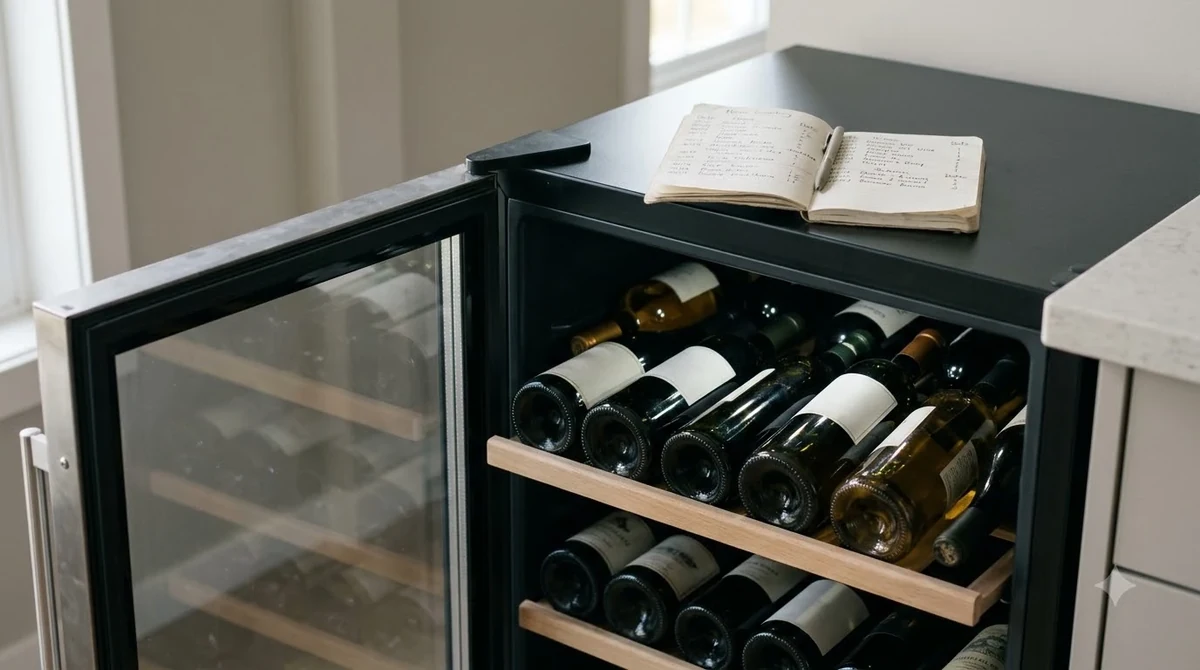
Keep unopened bottles in a cool, dark location away from direct sunlight, heating equipment, and frequent temperature changes. A storage temperature near 55 F is a useful target for wine collections. Bottles with traditional cork closures are generally stored on their sides to help keep the cork from drying out.
Everyday Prosecco is usually intended for relatively early enjoyment rather than extended cellar aging. It is better to purchase it when you expect to drink it instead of treating it like a long-term investment wine. The same principle applies to many fresh, fruit-focused Pinot Grigio and Chardonnay bottlings.
Serve sparkling wine chilled
Serve Zonin Prosecco at approximately 40 to 50 F. Chilling helps preserve its refreshing acidity and keeps the bubbles lively. A flute is a familiar serving choice, although a tulip-shaped glass can also make the wine’s aromas easier to appreciate.
Open the bottle carefully. Keep one hand over the cork while loosening the wire cage, angle the bottle away from people, and turn the bottle rather than pulling forcefully on the cork. A controlled opening helps prevent spills and reduces unnecessary loss of carbonation.
Choose the right temperature for still wines
Light-bodied whites such as Pinot Grigio are generally best served around 45 to 50 F. Fuller white wines such as Chardonnay benefit from a slightly warmer range of approximately 50 to 55 F.
For red wines, light styles are usually more enjoyable around 55 to 60 F, while fuller reds are better around 60 to 65 F. Serving every red at a warm room temperature can make alcohol feel more prominent and reduce the impression of freshness.
Pair wine with food
Zonin Prosecco is particularly versatile with salty snacks, seafood, fried appetizers, and lighter dishes. Its acidity and bubbles help refresh the palate between bites. The producer specifically recommends caprese salad, crab cakes, pan-seared salmon with lemon and basil, pizza, and chicken pesto pasta.
Pinot Grigio is a natural partner for shellfish, white fish, salads, and simple vegetable dishes. Chardonnay can work with roasted chicken, creamy pasta, and richer seafood preparations. For reds, Merlot suits roasted poultry and mild cheeses, while Cabernet Sauvignon pairs with grilled beef and harder aged cheeses.
Remember that acidic foods generally need a wine with equal or higher acidity. Salt and fat can soften tannin, which helps explain why structured reds work well with certain meat dishes. Avoid pairing heavily tannic red wine with delicate oily fish, where the combination can create an unpleasant metallic impression.
Handle opened bottles properly
After opening a still wine, reseal it and store it in the refrigerator. Most opened still wines are best consumed within approximately three to five days. Sparkling wines generally retain their best character for about one to three days when properly resealed with a sparkling-wine stopper and refrigerated.
For a typical 750 ml bottle, a standard 5 oz pour provides approximately five servings. This is a helpful planning reference for dinner parties and casual gatherings. If you are hosting several people, estimate the number of servings before deciding whether to purchase standard bottles or a larger format.
Frequently Asked Questions
Is Zonin an Italian wine brand?
Yes. Zonin traces its history to Gambellara in the Veneto region of Italy, with the family’s origins dating to 1821. Its wines include regional Italian varieties and sparkling selections distributed internationally.
Is Zonin Prosecco made from Glera grapes?
Yes. Glera is the principal grape variety used for Prosecco DOC. Zonin’s Rosé 1821 bottling adds Pinot Nero to the blend, with the producer documenting an 85% Glera and 15% Pinot Nero composition.
What is the difference between Prosecco DOC and DOCG?
DOC and DOCG are Italian geographical and production classifications. DOCG represents a more restrictive designation with additional production and origin requirements. Valdobbiadene Prosecco Superiore DOCG comes from a specific recognized production area rather than the broader Prosecco DOC category.
Does Zonin make organic Prosecco?
Yes. The producer’s published portfolio includes Bio Organic Prosecco DOC Brut and Bio Organic Prosecco DOC Frizzante. Both are identified as wines made with organically grown Glera grapes.
Does Zonin make alcohol-free sparkling wine?
The wider Zonin1821 product portfolio includes Cuvée Zero Alcohol Free Beverage. This is a separate alcohol-free offering rather than the standard 11% ABV Zonin Prosecco DOC. Check the individual product description for its precise alcohol classification and ingredients.
Zonin offers a broad selection of Italian sparkling and still wines, with everyday Prosecco and Pinot Grigio providing accessible starting points and regional selections offering additional variety. Comparing the exact wine, bottle size, and retailer is the most reliable way to assess value. Whether you are shopping for a casual dinner or a special occasion, choosing the appropriate Zonin style matters more than simply choosing the lowest listed price.
More in Wine Brands
 Louis Latour Wine Price: Compare Bottles by Style and TierUpdated Nov 20, 2026
 Yellow Tail Moscato Price: What to Expect Before You BuyUpdated Nov 20, 2026
 Sutter Home Sweet Red Review: Find the Right Food PairingsUpdated Nov 20, 2026
 Franzia Chillable Red Review: Find the Right Serving StyleUpdated Nov 20, 2026
 Veuve Clicquot Rose Review: Flavor, Food Pairings and Buying AdviceUpdated Nov 20, 2026
 Rombauer Wine Price: Compare Bottles Before You BuyUpdated Nov 20, 2026