

We may earn a commission when you buy through links on this page, at no extra cost to you. Learn more.
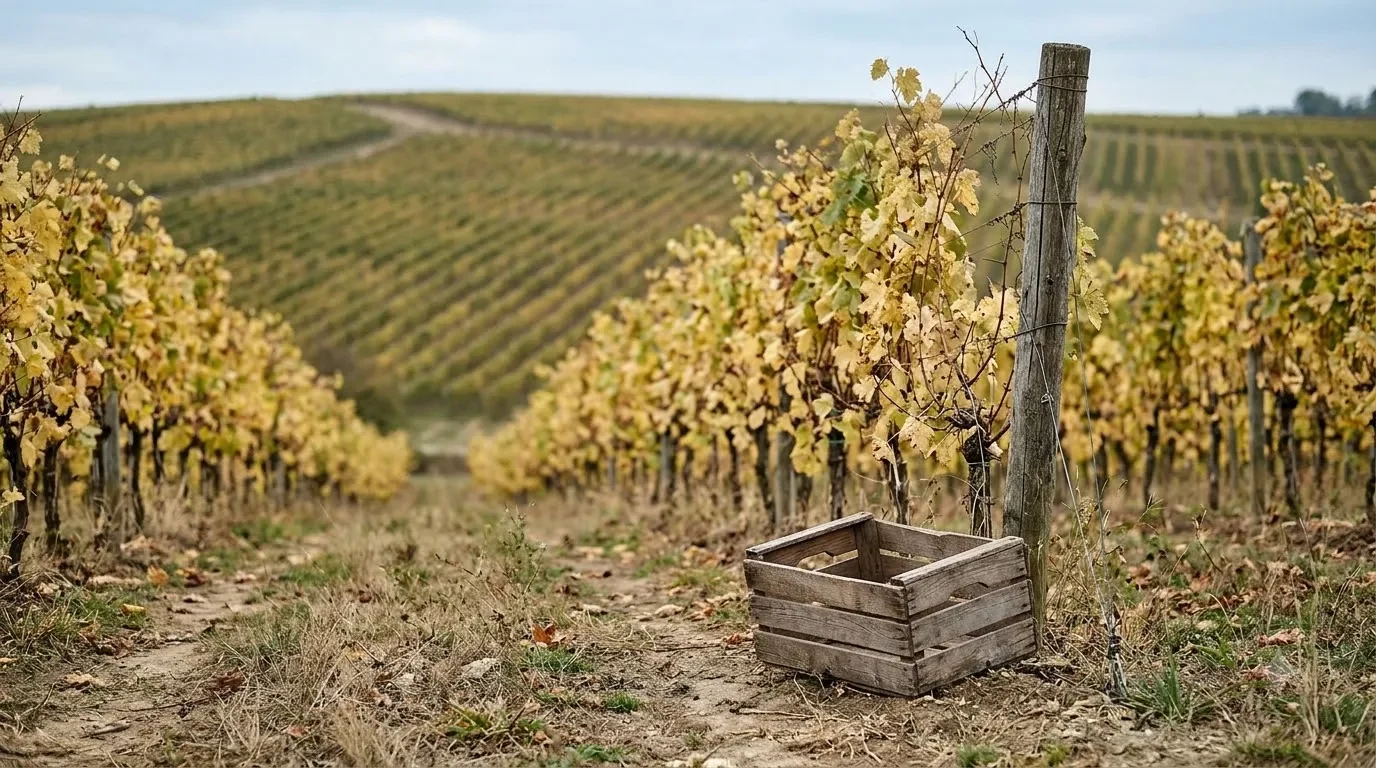
Zinfandel with pizza is an excellent pairing, particularly with pepperoni, Italian sausage, meat-lovers’ pies, and barbecue chicken pizza. Its ripe blackberry and boysenberry flavors complement savory toppings, while peppery spice and a full-bodied texture stand up to rich cheese and seasoned meats. Choose a fruit-forward Zinfandel with balanced tannins, and serve it slightly cool to keep the combination fresh rather than heavy.
Pizza and Zinfandel share a preference for bold, satisfying flavors, but the best match depends on the sauce, cheese, and toppings. A heavily loaded pepperoni pizza needs a different wine balance than a delicate Margherita or a creamy white pizza. Understanding how Zinfandel’s fruit, acidity, tannin, and alcohol interact with individual ingredients makes it easier to choose a bottle that complements the entire meal.
Why Zinfandel Works So Well With Pizza
Zinfandel is particularly successful with pizza because its concentrated fruit and substantial body can handle salty cheese, seasoned meat, and roasted ingredients. Its dark berry character complements browned crust and savory toppings, creating a satisfying match with full-flavored pies.
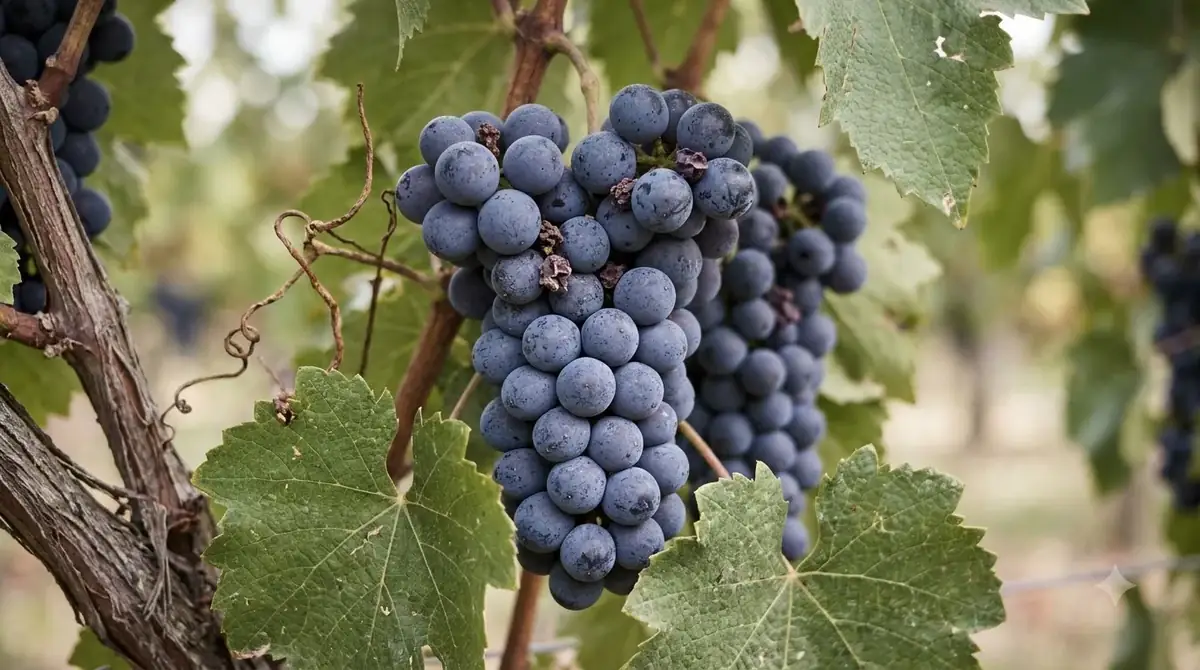
California Zinfandel commonly displays blackberry, raspberry, boysenberry, and cherry flavors. The Wine Institute also identifies black pepper, cloves, anise, and herbs among the variety’s recognizable characteristics. These flavors provide several useful connections with pizza ingredients. Blackberry and boysenberry complement sausage and pepperoni, while peppery notes echo seasoning, roasted peppers, and herbs used in tomato-based sauces.
Body is another important consideration. Many California Zinfandels feel fuller and richer than lighter reds such as Pinot Noir. That extra weight helps the wine remain noticeable beside a thick crust, melted mozzarella, and generous meat toppings. A lighter red might disappear next to a heavily seasoned sausage pizza, whereas Zinfandel can maintain its presence throughout the meal.
The grape also has an interesting international identity. DNA fingerprinting confirmed that Zinfandel is genetically identical to Italy’s Primitivo and Croatia’s Crljenak Kastelanski. California’s growing conditions, vineyard practices, and winemaking give its Zinfandel wines distinctive regional characteristics, even though the varieties share a genetic identity.
However, a successful pairing still depends on balance. Pizza sauce contains acidity, cheese supplies fat and salt, and meat toppings contribute savory intensity. A Zinfandel with generous fruit and moderate tannin is generally more versatile than an excessively extracted, alcoholic, or heavily oaked example.
For a classic tomato-based pizza, the wine should have enough freshness to avoid tasting flat beside the sauce. This is particularly important with Margherita and simple cheese pizzas, where tomato is one of the dominant flavors. If the wine tastes noticeably softer and less lively than the sauce, a brighter red may be a better choice.
Zinfandel is therefore best understood as a strong choice for flavorful pizza rather than an automatic match for every recipe. Meat toppings, roasted vegetables, barbecue sauce, and richer cheese combinations are natural starting points.
Best Pizza Toppings to Pair With Zinfandel
Pepperoni, Italian sausage, bacon, and barbecue chicken are among the strongest matches for Zinfandel. Their concentrated flavors and savory richness provide enough intensity to complement the wine’s ripe fruit and peppery character.
Pepperoni pizza is one of the easiest combinations. Pepperoni supplies salt, fat, paprika, garlic, and sometimes chili heat. These ingredients create a flavorful topping that can stand alongside a full-bodied red. Zinfandel’s blackberry and cherry flavors provide a fruity contrast to the cured meat, while its body matches the richness of melted mozzarella.
For a more detailed comparison of wines and pepperoni, see our guide to what wine goes with pepperoni pizza. Zinfandel is particularly appealing when the pizza contains generous pepperoni slices and a substantial tomato sauce.
Italian sausage pizza is another dependable pairing. Fennel, garlic, black pepper, and herbs in the sausage connect naturally with Zinfandel’s spicy character. The meat’s fat also helps soften the sensation of tannin, making the wine feel rounder alongside each bite.
Choose a Zinfandel with generous dark fruit for sausage pizza topped with roasted onions, mushrooms, or bell peppers. These additional ingredients reinforce the wine’s savory and earthy dimensions without making the combination excessively complicated.
Meat-lovers’ pizza generally provides enough flavor and texture to support a substantial Zinfandel. A pie containing pepperoni, sausage, bacon, and ground beef has several layers of salt, fat, and seasoning. A fruit-forward wine can complement these ingredients while keeping the pairing from feeling too savory.
However, the amount of meat matters. A pizza with a thin layer of ham and mild cheese may be overwhelmed by a powerful, high-alcohol Zinfandel. A heavily topped pie is more suitable for a concentrated example.
Barbecue chicken pizza offers another particularly good opportunity. Barbecue sauce introduces sweetness, smoke, tomato, and sometimes vinegar. Zinfandel’s ripe fruit complements the sweeter elements, while peppery notes work with grilled chicken and smoky seasoning.
For barbecue pizza, avoid choosing a wine that is excessively sweet or dominated by aggressive oak. A dry, fruit-forward red usually provides better balance with the sauce and cheese.
Bacon and roasted vegetable pizza can also work well. Bacon contributes salt and fat, while roasted red peppers, caramelized onions, and mushrooms provide sweetness and savory depth. These ingredients complement Zinfandel’s fruit-forward profile, especially when the pizza includes a generous layer of mozzarella or provolone.
The following table provides practical starting points for matching Zinfandel with common pizza styles.
| Pizza style | Zinfandel pairing | Why it works |
|---|---|---|
| Pepperoni | Fruit-forward, medium-to-full-bodied | Matches salt, fat, and seasoning |
| Italian sausage | Spicy, blackberry-driven | Complements fennel, garlic, and herbs |
| Meat-lovers’ | Full-bodied, concentrated | Stands up to several rich toppings |
| Barbecue chicken | Ripe, dry, fruit-forward | Complements smoke and sweet sauce |
| Bacon and mushroom | Balanced, savory Zinfandel | Connects with earthy and salty flavors |
| Roasted vegetable | Medium-bodied, moderate tannin | Complements caramelized vegetable flavors |
| Margherita | Lighter, fresher Zinfandel | Provides fruit alongside tomato and basil |
These are style recommendations rather than strict rules. The amount of cheese, the intensity of the sauce, and the degree of seasoning can change the best choice. A sausage pizza with spicy peppers, for example, needs a different balance from a mild sausage and mozzarella combination.
Choosing the Right Zinfandel Style for Your Pizza
Not every Zinfandel tastes the same, and the differences between lighter, fruit-forward bottles and powerful, concentrated examples can change how the wine performs with pizza. For most meals, a balanced red with generous fruit, moderate tannin, and enough freshness is the safest starting point.
California Zinfandel is produced in several recognizable styles. Some wines emphasize fresh red and dark berries, while others feature concentrated blackberry, plum, baking spice, and a richer texture. The latter can be excellent with meat-heavy pizzas, but may overpower simpler recipes.
Fruit-forward Zinfandel is generally the most flexible choice for pizza night. Its ripe berry flavors complement tomato sauce and cheese, while its approachable texture works with pepperoni, sausage, and bacon. Look for a wine where the fruit remains fresh rather than tasting excessively jammy.
This style is especially useful when serving several pizza varieties at once. It has enough personality for a sausage pizza but can also work with a simple pepperoni pie. A moderate level of oak influence helps preserve the fruit instead of introducing too much toasted wood or vanilla character.
Full-bodied, concentrated Zinfandel works best with rich toppings. Deep-dish pizza, heavily loaded meat pies, and barbecue chicken can accommodate its stronger flavors and substantial texture. These wines may display dark blackberry, ripe plum, black pepper, and pronounced warming alcohol.
The main limitation is balance. A powerful Zinfandel can overwhelm a thin Margherita, delicate mushroom pizza, or white pizza with ricotta. It can also make hot pepper toppings seem more intense if the wine has substantial alcohol and tannin.
Old-vine Zinfandel is another category worth understanding. The term generally refers to wines made from older grapevines, although the precise age required is not governed by one universal labeling standard. Older vineyards may produce distinctive fruit concentration and savory complexity, but the term alone does not guarantee a particular flavor, body, or quality level.
For pizza, judge the finished wine rather than relying on the old-vine description. An elegant, balanced old-vine Zinfandel can work beautifully with sausage and mushroom pizza. A highly extracted example with substantial oak may be better suited to particularly rich meat toppings.
White Zinfandel is a different proposition. Despite its name, it is a rosé-style wine made from the same red grape variety. It commonly has a lighter body and a fruitier, sometimes sweeter profile than traditional red Zinfandel.
White Zinfandel can work with mild vegetable pizzas, lightly seasoned chicken, and less heavily flavored cheese combinations. Its sweetness may also provide a useful contrast with salty ingredients. However, it is not the closest substitute for traditional red Zinfandel when serving a strongly seasoned meat-lovers’ pizza.
One useful distinction is the difference between ripe fruit flavors and actual sweetness. A dry Zinfandel can smell and taste strongly of ripe berries without containing enough residual sugar to make it a sweet wine. This distinction matters when pairing the wine with barbecue sauce or other sweet pizza ingredients.
Tip: If you are choosing one bottle for pepperoni, sausage, and barbecue chicken pizza, start with a dry, fruit-forward California Zinfandel with moderate tannin. It offers enough richness for meat toppings without automatically overwhelming every slice.
Matching Zinfandel With Cheese, Tomato Sauce, and Vegetables
Cheese and sauce determine whether Zinfandel feels balanced or overpowering. Tomato acidity, mozzarella fat, and the savory character of roasted vegetables each affect the way the wine tastes, so the supporting ingredients deserve as much attention as the main topping.
Mozzarella is a natural companion for fruit-forward Zinfandel, particularly when paired with pepperoni or sausage. Its mild flavor allows the wine’s blackberry and cherry notes to remain noticeable. The cheese’s fat also softens the perception of tannin, making the combination feel smoother.
Fresh mozzarella on a Margherita pizza presents a slightly different challenge. It is delicate and creamy, so an especially powerful Zinfandel can dominate the basil and fresh cheese. Choose a lighter, fresher bottle if you want to keep the ingredients in balance.
Provolone brings a more pronounced savory character. Its flavor works particularly well with sausage, bacon, and caramelized onions. A medium-to-full-bodied Zinfandel can complement the stronger cheese without losing its fruit expression.
Parmesan adds salty, concentrated umami. A small amount sprinkled over a meat pizza can make Zinfandel feel more integrated, particularly when the wine has ripe fruit and moderate tannin. However, excessive Parmesan can make an already intense pizza taste overly salty, so restraint helps.
Ricotta is common on white pizzas and vegetable-based combinations. Its creamy texture can work with the fruit of Zinfandel, but the mild cheese may not provide enough flavor to balance a very powerful red. Consider a lighter Zinfandel when ricotta is the dominant ingredient.
Tomato sauce deserves particular attention. Tomatoes bring natural acidity that can make a wine with insufficient freshness taste dull or flat. A Zinfandel with good fruit concentration and balanced acidity is better suited to tomato-based pizza than one that tastes heavy, soft, or excessively alcoholic.
For a simple Margherita, the combination of tomato, mozzarella, and basil generally favors brighter reds with noticeable acidity. Zinfandel can still work, but the wine should not overpower the relatively delicate ingredients. If the pizza has a thin crust and a light topping, a lighter red may be more harmonious.
Roasted vegetables can provide another bridge between the wine and pizza. Bell peppers, onions, eggplant, and mushrooms develop sweeter, deeper flavors during cooking. These characteristics complement ripe berry notes and the peppery side of Zinfandel.
Mushrooms are especially useful with savory Zinfandel. Their earthy character can connect with the wine’s herbal and spice notes, while cheese supplies enough richness to support its body. A mushroom and sausage pizza is therefore a stronger match than a plain mushroom pizza with very little cheese.
Garlic can also work, especially when roasted rather than used raw in large quantities. Roasted garlic contributes sweetness and a rounded savory flavor that complements ripe fruit. Raw garlic, however, can dominate a delicate wine and make the pairing feel unbalanced.
When a pizza includes several vegetables, consider their cooking method. Fresh spinach and delicate zucchini may need a lighter wine than roasted eggplant, caramelized onion, and charred peppers. The more concentrated and savory the vegetables become, the easier it is to pair them with a fuller Zinfandel.
How to Pair Zinfandel With Spicy and Sweet Pizza
Spicy and sweet pizza toppings require more attention because chili heat and sugary sauces can change how Zinfandel tastes. A fruit-forward wine can complement barbecue and seasoned meats, but high alcohol and substantial tannin may intensify the sensation of heat.
Jalapeños, hot Italian sausage, crushed red pepper, and spicy pepperoni are common ingredients that influence wine pairing. Their heat can make an alcoholic red feel hotter and more aggressive. This is particularly noticeable with full-bodied Zinfandel, which can have a substantial alcohol presence.
For a moderately spicy pizza, choose a fruit-forward Zinfandel with softer tannins rather than the most concentrated bottle available. The ripe berry flavors offer a pleasant contrast to the seasoning, while a slightly cooler serving temperature helps the wine feel fresher.
For very spicy pizza, a lighter-bodied red or an off-dry white wine may be a better option. A touch of sweetness can help balance chili heat, whereas a dry, high-alcohol red can emphasize it. Guests who enjoy bold reds can still serve Zinfandel, but should avoid adding excessive chili oil or hot sauce.
Sweet barbecue sauce creates a different pairing challenge. Its sweetness can make a dry wine seem less fruity and more bitter by comparison. Choose a Zinfandel with ripe fruit and enough body to complement the sauce rather than a lean, austere red.
The sauce’s acidity also matters. Some barbecue sauces contain vinegar, which increases the overall acidity of the pizza. The wine should have sufficient freshness to avoid tasting flat. A balanced Zinfandel with noticeable fruit is a sensible starting point for smoked chicken, bacon, and barbecue sauce.
Hawaiian pizza is another example where sweetness affects the pairing. Pineapple introduces a distinctly sweet and acidic component, while ham contributes salt. A fruit-forward Zinfandel can work if the pineapple is used moderately and the wine is not excessively tannic.
However, a very sweet pineapple topping may make a dry Zinfandel feel less harmonious. A slightly off-dry rosé or Riesling can offer a more straightforward match. The goal is to keep the wine from tasting noticeably drier and harsher than the food.
For spicy barbecue chicken pizza, try combining smoky chicken, mozzarella, red onion, and a restrained amount of chili. A medium-to-full-bodied Zinfandel with dark berry fruit can complement the sauce while keeping the meal cohesive.
One practical approach is to add chili flakes at the table rather than baking a large amount directly onto the pizza. This gives guests more control over the heat and allows those drinking Zinfandel to keep the combination balanced.
Serving Temperature, Glassware, and Pizza Night Portions
Serving temperature has a significant effect on how Zinfandel performs with pizza. A slightly cool red usually tastes fresher and more balanced than one served too warm, particularly when the wine has concentrated fruit and substantial alcohol.
For most full-bodied red Zinfandel, aim for approximately 60–65°F. This range allows the wine’s fruit, spice, and texture to remain expressive without making the alcohol seem excessively prominent. If the bottle has been stored in a warm room, give it some time in the refrigerator before pouring.
For a lighter, fresher Zinfandel, a temperature closer to 55–60°F can be effective. A brief chill is especially useful with pepperoni pizza because the cooler wine provides a refreshing contrast to warm cheese and salty cured meat.
Wine.com recommends approximately 15 minutes in the refrigerator for lighter reds before serving pizza. Full-bodied Zinfandel may need a different amount of chilling depending on its starting temperature, so use the target serving range rather than following a fixed refrigeration time for every bottle.
Glassware should allow the wine enough room to release its aromas. A standard red wine glass with a reasonably wide bowl works well. It provides space for swirling and helps reveal the blackberry, cherry, pepper, and spice characteristics that make Zinfandel attractive with food.
A standard wine pour is 5 ounces. A typical 750-milliliter bottle contains approximately 25.4 fluid ounces, which provides about five standard glasses. For a pizza night with four adults, one bottle can provide a tasting-size pour for everyone, with a second bottle useful if the meal lasts longer.
There is no need to fill the glass to the rim. Leaving space allows the wine to be swirled without spilling and makes it easier to appreciate the aroma. Smaller pours also make it possible to compare different pizza combinations without committing to a large glass of one wine.
Decanting is optional. Young, particularly concentrated Zinfandel may benefit from approximately 30–60 minutes of aeration if its tannins seem firm or its aromas initially appear closed. However, an approachable, fruit-forward bottle can usually be served directly from the bottle.
For a casual pizza meal, the simplest approach is to open the bottle shortly before serving, pour a small initial glass, and allow the wine to develop while the pizza is being eaten. This gives the wine time to breathe without making the preparation unnecessarily complicated.
Opened Zinfandel should be recorked and stored in the refrigerator. Most opened still wines retain useful freshness for approximately 3–5 days, although the exact period depends on the wine, oxygen exposure, and storage conditions. Allow the wine to move toward its preferred serving temperature before pouring another glass.
For unopened bottles, a cool, dark storage location near 55°F is a useful target. Bottles with natural cork closures are generally stored on their sides to keep the cork from drying out. Avoid prolonged exposure to sunlight, heat, and repeated temperature changes.
Alternatives When Zinfandel Is Not the Best Pizza Wine
Zinfandel is a strong choice for rich meat toppings, but other wines can provide better balance with delicate cheese, highly acidic tomato sauce, and vegetable-focused pizza. Pinot Noir, Barbera, Chianti, and Lambrusco are useful alternatives depending on the ingredients.
Pinot Noir is a particularly good option for mushroom pizza, simple cheese pizza, and lighter toppings. It generally has low-to-medium tannin and high acidity, with red-fruit characteristics that complement tomato without overwhelming delicate ingredients.
Its lighter body makes it especially suitable for thin-crust pizza and pies with fresh herbs. For more pairing ideas, read our article on Pinot Noir with pizza.
Barbera is another strong option for tomato-based pizza. Its naturally high acidity and relatively low tannin make it well suited to tomato sauce and melted cheese. It is a useful choice for Margherita, pepperoni, and sausage pizza when a concentrated Zinfandel seems too powerful.
Chianti, made primarily from Sangiovese, is a classic companion for tomato-based pizza. Its acidity complements the sauce, while cherry flavors and savory characteristics work with basil, mozzarella, and Italian seasoning. A young Chianti is particularly useful for a traditional Margherita.
Lambrusco offers a different experience. This sparkling red wine can provide lively bubbles, refreshing acidity, and red-fruit flavors that work with salty cheese and cured meats. Both dry and slightly sweeter styles exist, making it possible to select one that suits the pizza’s seasoning.
Merlot can work when a softer, less assertive red is preferred. Its medium tannin and rounded fruit make it approachable with cheese, sausage, and meat toppings. A fruit-forward, moderately oaked example is generally easier to pair with tomato sauce than a heavily extracted wine.
Riesling is a useful alternative for spicy pizza. Its high acidity and possible touch of sweetness can complement jalapeños, hot sausage, and spicy chicken. An off-dry style is particularly practical when the pizza has noticeable chili heat.
Sauvignon Blanc is worth considering for vegetable and white pizzas. Its high acidity and herbal character can complement fresh vegetables, goat cheese, and green herbs. It generally makes more sense with lighter toppings than with a heavily loaded meat pizza.
Chardonnay is another option for white pizza, particularly versions with ricotta, mozzarella, mushrooms, and roasted garlic. A moderately oaked or unoaked style can complement creamy textures without introducing too much additional weight.
The best alternative depends on the dominant ingredient. If tomato and mozzarella are the main elements, prioritize acidity. If pepperoni and sausage dominate, prioritize fruit and sufficient body. If chili heat is pronounced, consider a lower-alcohol or slightly sweet alternative.
For a broader framework covering sauce, cheese, vegetables, and meat, our Grape x Food pairing guide provides additional ways to think about matching wine with everyday meals.
For additional guidance on matching wine styles with different pizza toppings, see Decanter’s guide to pairing wine with pizza. Its recommendations also explain why acidity, fruit, and tannin matter when choosing a bottle for tomato-based or meat-topped pizza.
You can also explore Wine.com’s pizza and wine pairing recommendations for additional ideas involving Zinfandel, sausage, pepperoni, and barbecue chicken.
Frequently Asked Questions
Is Zinfandel the same grape as Primitivo?
Yes. DNA fingerprinting confirmed that Zinfandel and Primitivo are genetically identical varieties, along with Croatia’s Crljenak Kastelanski. However, U.S. labeling regulations require Zinfandel and Primitivo to be identified separately on wine labels. Their growing environments and winemaking approaches can also produce different regional expressions.
Does Zinfandel always taste sweet?
No. Many red Zinfandels are technically dry despite having pronounced blackberry, cherry, and plum flavors. Ripe fruit aromas can create an impression of sweetness without significant residual sugar. White Zinfandel is a separate rosé-style expression that is frequently made in a sweeter style.
Where did California Zinfandel originally come from?
Genetic research points to Croatia as the historical origin of the grape. Zinfandel became established in California during the Gold Rush period between 1852 and 1857. The grape subsequently became an important part of California’s wine-growing history and identity.
Can Zinfandel be used for pizza sauce or cooking?
Yes. A dry red Zinfandel can be used in small quantities in a cooked tomato sauce or a meat-based pizza topping. Its ripe fruit and peppery character can complement tomatoes, garlic, and herbs. Reduce the wine during cooking so its flavors integrate with the other ingredients rather than leaving a pronounced alcoholic taste.
Which California counties are known for growing Zinfandel?
San Joaquin and Sonoma are two important California Zinfandel-growing counties. The Wine Institute’s acreage figures identify San Joaquin with 12,865 acres and Sonoma with 4,541 acres. Amador, Mendocino, Napa, and San Luis Obispo also appear among the state’s Zinfandel-growing counties.
Zinfandel with pizza is an especially rewarding combination when the pie features pepperoni, sausage, bacon, roasted vegetables, or barbecue chicken. Choose a fruit-forward bottle with balanced tannins, pay attention to the sauce and spice level, and serve the wine slightly cool. With the right style, Zinfandel can turn an ordinary pizza night into a satisfying food-and-wine pairing.
More in Food & Wine Pairing
 Risotto With White Wine Recipe: Make a Creamy Dinner at HomeUpdated Nov 20, 2026
 Wassail With Wine Recipe for a Festive Spiced Holiday DrinkUpdated Nov 20, 2026
 Spritz Veneziano Recipe: Make a Classic Venetian Aperitivo at HomeUpdated Nov 20, 2026
 Summer Wine Punch Recipe for Easy Homemade EntertainingUpdated Nov 20, 2026
 Bishop Recipe: How to Make a Bright, Citrus-Forward Red Wine CocktailUpdated Nov 20, 2026
 Wine Cupcakes Recipe: Bake Rich Chocolate Cupcakes at HomeUpdated Nov 20, 2026