

We may earn a commission when you buy through links on this page, at no extra cost to you. Learn more.
This zalto wine glass review finds that Zalto Denk’Art stemware is worth considering for serious wine enthusiasts who value exceptional lightness, refined design, and versatile wine presentation. Its mouth-blown, lead-free crystal construction, remarkably thin rim, and carefully shaped bowls create an impressive drinking experience. However, the delicate stems require careful handling, and the premium positioning makes these glasses a less practical choice for busy households, large gatherings, and everyday casual use.
Zalto has developed a strong reputation among sommeliers, wine professionals, collectors, and enthusiasts who pay close attention to glassware. The Austrian company’s Denk’Art collection combines traditional glassmaking with distinctive bowl shapes intended to bring out different characteristics in wine. The Universal is an especially interesting starting point because it can accommodate numerous red and white wine styles without requiring a separate glass for every grape variety. This review examines the design, practical performance, owner experiences, maintenance requirements, and alternatives to consider before choosing a Zalto glass.
Specs and Key Features of Zalto Denk’Art
The defining characteristics of Zalto Denk’Art glassware are its handcrafted construction, lead-free crystal, exceptionally thin profile, and attention to bowl geometry. The Universal is particularly notable because its relatively generous capacity accommodates a broad selection of wines while maintaining a light, refined appearance.
Zalto’s Denk’Art collection is not simply a collection of attractive drinking glasses. Its shapes are designed around different wine styles, and the construction places considerable emphasis on balance and the relationship between the bowl, rim, stem, and base. The collection’s design philosophy also draws inspiration from three angles associated with the Earth’s tilt: 24, 48, and 72 degrees. According to the FAQ published by authorized US retailer Aldo Sohm, these angles influence the shapes of the collection’s bowls.
The Universal is the most logical reference point for understanding the range. According to The Spruce Eats, it measures approximately 9.3 inches tall, reaches 3.6 inches at its widest point, and holds 530 ml, equivalent to approximately 18 fluid ounces. Its reported weight is about 110 grams. Those measurements help explain why the glass feels different from conventional stemware: the bowl offers useful volume without the substantial weight associated with many traditional wine glasses.
| Specification | Zalto Denk’Art Universal |
|---|---|
| Manufacturer and collection | Zalto Denk’Art |
| Manufacturing method | Mouth-blown |
| Material | Lead-free crystal |
| Height | Approximately 9.3 inches |
| Maximum width | Approximately 3.6 inches |
| Capacity | 530 ml / approximately 18 oz |
| Weight | Approximately 110 grams / 0.2 lb |
| Rim | Exceptionally thin |
| Design inspiration | 24°, 48°, and 72° angles |
| Wine compatibility | Multiple red and white wine styles |
These specifications describe the Universal rather than every glass in the collection. Bordeaux, Burgundy, White Wine, and Champagne glasses have different proportions and intended applications. Buyers should not assume that every Denk’Art model shares the Universal’s 530 ml capacity or 9.3-inch height.
The lead-free crystal construction is another important feature. Aldo Sohm confirms that Zalto Denk’Art glasses use premium lead-free crystal. The mouth-blown manufacturing method also distinguishes the collection from mass-produced glassware, where uniformity and production efficiency generally receive greater emphasis.
One practical consideration is that handcrafted glassware can have subtle individual variations. Small differences in appearance or proportions should be understood in the context of the manufacturing method rather than automatically treated as evidence of a defect. Buyers who expect every handmade glass to look mechanically identical may prefer conventional machine-produced stemware.
What Owners and Wine Enthusiasts Like
The strongest attraction of Zalto stemware is its unusual combination of light weight, delicate construction, and versatility. Wine enthusiasts particularly appreciate the thin rim, comfortable balance, and ability of the Universal glass to accommodate different wine styles.
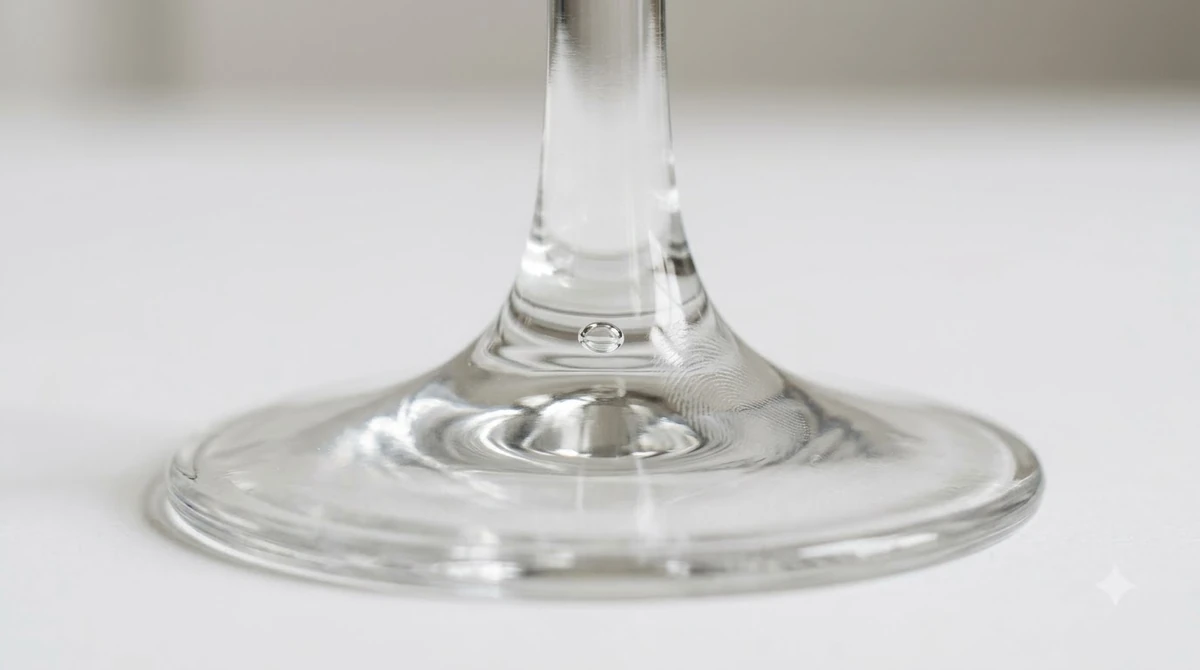
The first noticeable characteristic is how little the Universal weighs. At approximately 110 grams, it feels significantly different from heavier conventional stemware. The thin stem and carefully proportioned bowl give the glass a refined appearance, while the relatively generous capacity leaves enough room for swirling and aromatic development.
This lightness also affects the physical experience of drinking. A thick rim can create a noticeable separation between the drinker and the wine. Zalto’s exceptionally thin rim reduces that sensation, allowing the wine to reach the mouth without the substantial glass edge found on many everyday wine glasses.
The Spruce Eats highlights the thin lip, lightweight construction, and aromatic presentation as major strengths. Its reviewer describes how the Universal allows different wines to show their individual character, making it appealing for people who enjoy comparing bottles rather than simply serving wine with dinner. The publication’s detailed Zalto Denk’Art Universal glass review also discusses the practical advantages and fragility of this design.
The Universal’s versatility is another meaningful advantage. Someone who regularly drinks Cabernet Sauvignon, Pinot Noir, Chardonnay, Riesling, and Chianti may prefer one adaptable glass instead of maintaining a large collection of specialized stemware.
According to Aldo Sohm’s product guidance, the Universal works particularly well with expressive, balanced red and white wines. Its recommended varieties include Riesling, Chardonnay, Rosé, and Chianti. That range makes it a practical starting point for enthusiasts whose wine preferences change from one evening to another.
Another positive aspect is the appearance. The thin stem, clear crystal, and distinctive bowl profile create an understated presentation that works particularly well at formal dinners and carefully arranged tasting sessions. Zalto does not rely on elaborate decoration or colored finishes to make its glasses recognizable.
The handmade construction also appeals to people who appreciate traditional craftsmanship. Each mouth-blown piece represents a different production approach from inexpensive mass-market stemware. For collectors, that distinction can be as important as the practical characteristics of the finished glass.
Professional wine environments provide another perspective on the appeal. The Infatuation describes Zalto glasses as particularly popular in wine-focused restaurants and among people who take their wine seriously. Its discussion emphasizes the combination of exceptionally low weight, distinctive appearance, and the physical sensation of holding the glass.
However, a useful distinction is necessary: an expensive glass cannot transform poor-quality wine into exceptional wine. Its purpose is to provide a refined vessel for appreciating the wine’s existing aromas, texture, and flavor characteristics. Buyers should therefore evaluate Zalto as premium glassware rather than a substitute for choosing good bottles or serving them correctly.
For someone who already understands the differences between wine styles and enjoys paying attention to small sensory details, those advantages can justify owning a few carefully selected pieces. Someone who mainly wants a functional vessel for occasional drinking may notice considerably less benefit.
Common Complaints and Durability Concerns
Fragility is the most important disadvantage to understand before purchasing Zalto glassware. The thin stem and delicate construction contribute to its appeal, but they also make careless handling, crowded dishwashers, and awkward polishing potentially expensive mistakes.

The Spruce Eats provides a particularly useful example of the trade-off. Its reviewer reports breaking one Universal glass within days of receiving a set. The same reviewer also describes continuing to use the remaining glass for years, showing that individual experiences can differ considerably.
Customer feedback on Cookery’s Bordeaux listing includes similar concerns. One customer describes a Burgundy glass breaking during drying, while another reports a stem breaking during initial use. These are individual experiences rather than controlled durability measurements, but they illustrate why potential buyers should take the fragility concerns seriously.
The stem is an especially sensitive area. Because it is thin, applying twisting pressure while holding the bowl can create stress at the connection between the bowl and stem. The same issue can arise when someone grips the stem while wiping the bowl with a towel.
Even relatively ordinary household activities can create risks. Reaching into a crowded cupboard, placing a glass beside heavy cookware, stacking glasses, or allowing two stems to knock together can result in damage. A glass that survives normal drinking may still break during washing or storage.
Another complaint is the psychological burden of using expensive, delicate glassware. Some owners enjoy the elegant feel but become reluctant to use their glasses when entertaining guests. That defeats part of the purpose of buying premium stemware in the first place.
Consider the difference between a quiet dinner for two and a large family celebration. At a quiet dinner, there may be enough space to position two glasses safely and wash them separately. At a crowded celebration, guests may move glasses around, children may reach across the table, and cleanup may involve numerous dishes.
Availability and replacement can also be practical concerns. A buyer who breaks one glass from a collection may want to replace the individual piece rather than purchase another complete set. Before committing to several specialized models, it makes sense to check whether the preferred authorized retailer carries individual replacement stems.
The dishwasher question deserves particular attention because published recommendations are not completely consistent. Wine Enthusiast and manufacturer-facing retail guidance describe dishwasher cleaning as acceptable when glasses are positioned securely. The Spruce Eats reviewer, meanwhile, favors very gentle handwashing. Both approaches require careful handling.
A dishwasher can create problems if the glass is poorly positioned or exposed to contact with other items. Handwashing can also be hazardous if someone applies pressure to the stem or twists the bowl and stem in opposite directions. The safest approach depends on the washing instructions for the specific glass and the user’s ability to prevent contact and twisting.
The most reasonable conclusion is that Zalto is premium, delicate stemware rather than heavy-duty everyday glassware. Buyers should consider their own habits, available storage, washing arrangements, and willingness to replace broken pieces before deciding whether the collection is suitable.
Who Should Buy Zalto and Who Should Skip It
Zalto makes the most sense for wine enthusiasts who value detailed tasting, lightweight stemware, and refined presentation. It is less suitable for households that prioritize low-maintenance durability, affordable replacement, or large quantities of matching everyday glasses.
Buyers who should consider Zalto include:
- Wine collectors: People who regularly open structured reds, expressive whites, and premium sparkling wines may appreciate having glassware designed for different wine styles.
- Serious home tasters: The thin rim and lightweight construction appeal to people who spend time comparing aromas, texture, and finish.
- Special-occasion hosts: The distinctive appearance works particularly well for intimate dinners, wine tastings, and carefully arranged formal tables.
- Minimalist glassware buyers: Someone who prefers one versatile Universal glass instead of maintaining numerous specialized glasses may appreciate its flexibility.
- Wine-related gift shoppers: Zalto can make a thoughtful gift for someone who already appreciates fine stemware and understands the maintenance requirements.
Buyers who should probably skip Zalto include:
- Large households: Busy kitchens with frequent washing and crowded cupboards increase the chances of accidental damage.
- Frequent entertainers: A household serving wine to 10 or 12 guests may prefer more durable glasses that are easier to replace in quantity.
- Casual wine drinkers: Someone who occasionally pours a glass after work may not benefit enough from the specialized construction to justify premium stemware.
- People who dislike delicate objects: Owners who prefer to place glasses anywhere on a table without worrying about their stems may find Zalto frustrating.
- Budget-conscious buyers: Conventional crystal stemware can offer useful wine presentation without requiring the same commitment to delicate handling.
The decision also depends on how frequently the glass will be used. A glass reserved for a special bottle once a month has different practical demands from a glass used every evening. A collector who carefully washes and stores a few pieces may be very happy with Zalto, while someone needing 12 identical glasses for frequent dinner parties may find the ownership experience less appealing.
There is also a difference between appreciating the design and appreciating the financial commitment. The Universal’s 530 ml capacity and 110-gram weight are concrete specifications. Whether those characteristics justify premium glassware is a personal purchasing decision rather than an objective measure of wine quality.
For a household that wants several matching glasses at a more practical level, comparing a wine glass set can be a sensible alternative. Buyers interested in reducing the number of specialized stems can also compare options in a universal wine glass roundup.
How Zalto Compares to Other Wine Glass Options
Zalto occupies a specialized position in premium stemware: its appeal comes from lightness, thin construction, traditional mouth-blown production, and distinctive shapes. The most useful comparison is therefore not simply whether another glass is more expensive or attractive, but whether its characteristics better match the owner’s priorities.
Conventional machine-produced wine glasses generally prioritize repeatability and practical everyday use. They can be a more sensible choice for households that need matching replacements and do not want to handle every stem with particular care.
More traditional crystal stemware can also provide excellent clarity and presentation. However, the physical feel may be substantially different depending on the bowl thickness, rim, stem dimensions, and overall weight. Someone accustomed to heavy glasses may need time to appreciate the unusually light construction of Zalto.
The Spruce Eats identifies Spiegelau Definition as another wine-glass option in its broader glassware recommendations. It is a useful name to investigate for buyers comparing premium stemware, although the published Zalto review does not establish a direct, controlled performance comparison between the two collections.
Rather than assuming one manufacturer is automatically superior, compare the characteristics that influence daily satisfaction. These include rim thickness, bowl volume, stem proportions, dishwasher compatibility, replacement availability, and the amount of storage space required.
| Comparison factor | Zalto Denk’Art | Conventional everyday stemware |
|---|---|---|
| Manufacturing approach | Mouth-blown | Often machine-produced |
| Material | Lead-free crystal | Varies by product |
| Weight reference | Approximately 110 g for Universal | Varies by model |
| Rim design | Exceptionally thin | Varies by model |
| Handling requirements | Careful handling recommended | Depends on construction |
| Wine specialization | Multiple dedicated Denk’Art shapes | Varies by collection |
| Best application | Focused wine enjoyment | General household use |
For someone who regularly drinks Champagne, a dedicated sparkling-wine glass may also be worth comparing. Zalto offers a Champagne model, while the Universal can accommodate vintage sparkling cuvées when aromatic development is a priority. The distinction matters because a narrow flute and a broader wine glass present sparkling wine differently.
Readers comparing specialist sparkling stemware can explore a best champagne glass selection before committing to a complete collection. The appropriate choice depends on whether the priority is preserving a traditional sparkling-wine presentation or giving complex vintage Champagne more room for its aromas.
Another useful consideration is collection consistency. Buying one Zalto Universal first allows someone to evaluate the size, weight, rim, and maintenance demands before purchasing additional pieces. If the experience proves worthwhile, specialized Bordeaux, Burgundy, or Champagne glasses can follow.
For broader information about different manufacturers, construction methods, and glassware categories, the Glassware Brands section provides another useful starting point.
How to Clean, Handle, and Store Zalto Glasses
Proper care is essential to enjoying Zalto for the long term. The most important habits are preventing contact with other hard objects, avoiding pressure on the stem, following suitable washing instructions, and storing each glass where it cannot be knocked over.
The dishwasher question should be approached carefully. Wine Enthusiast’s handling guidance recommends dishwasher cleaning when glasses are positioned securely, while The Spruce Eats reviewer favors gentle handwashing. Both sources emphasize the importance of avoiding contact, pressure, and twisting.
If using a dishwasher, position each glass so that it cannot touch plates, cutlery, other glasses, or the machine’s interior during the cycle. Avoid overcrowding the rack. A stable position is more important than trying to fit the maximum possible number of glasses into one load.
For handwashing, use a clean sink with enough space to work without knocking the glass against faucets, cookware, or other dishes. Use gentle movements rather than gripping the stem tightly. Avoid twisting the bowl while holding the stem because that creates unnecessary stress at the connection point.
Drying requires just as much attention. The Infatuation recommends holding the bowl rather than the stem when polishing. A clean, lint-free cloth is useful for removing water marks, but the glass should not be twisted aggressively while being wiped.
Storage is another area where small changes can make a meaningful difference. Keep the glasses upright in a cupboard with enough vertical clearance. Do not stack them, place heavy objects beside them, or allow their bowls and stems to touch neighboring pieces.
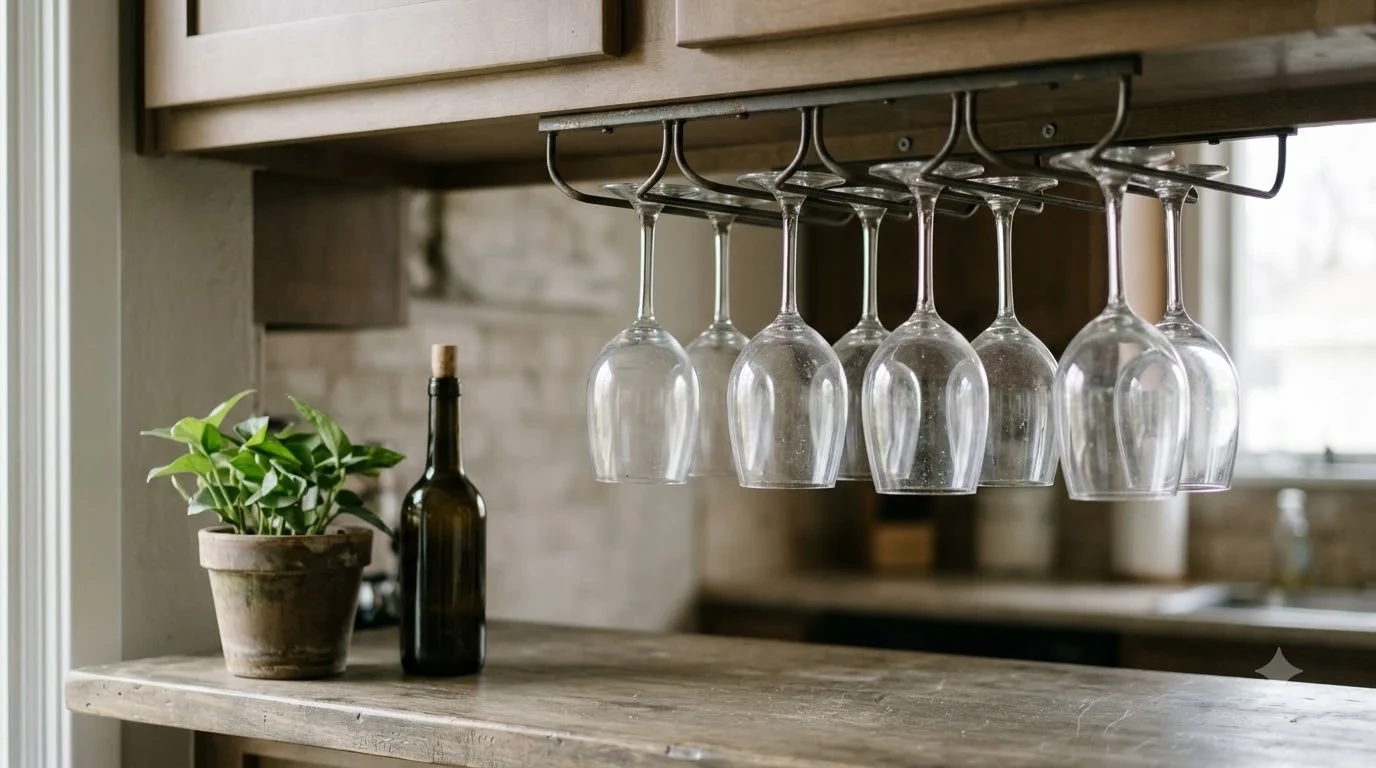
A dedicated shelf is often more practical than a crowded cabinet. If several specialized glasses are owned, leave enough room to remove each one without moving the others. Hanging delicate glasses upside down from a rack is not an ideal solution if the arrangement places unnecessary stress on their stems.
Tip: When polishing a Zalto glass, support the bowl rather than twisting or gripping the stem. Give each glass enough space in the washing and storage areas to prevent accidental contact with other hard objects.
After serving wine, avoid leaving red wine residue in the bowl overnight. Rinse or clean the glass reasonably soon after use. Dried residue can require more vigorous cleaning, which increases the chance of accidental pressure being applied to delicate parts of the glass.
For routine wine service, use a clean, odor-free glass. Residual detergent, cabinet odors, and lingering wine aromas can interfere with the wine’s presentation. Rinse thoroughly if cleaning products leave a noticeable scent or film.
It is also sensible to inspect the stem and rim before serving. Small chips, cracks, or visible damage are reasons to stop using a glass. Delicate crystal should not be treated as though it can tolerate the same impacts as a thick tumbler.
Finally, think about the entire ownership environment before buying multiple glasses. A dedicated storage location, a reliable cleaning routine, and enough room around the dining table can make the experience considerably more enjoyable.
Frequently Asked Questions
Are Zalto glasses made in Austria?
Yes. Aldo Sohm describes Zalto Denk’Art as handcrafted Austrian crystal glassware made by Austrian artisans. The mouth-blown production method is a central characteristic of the collection and distinguishes it from ordinary mass-produced stemware.
What is special about the angles used in Zalto glass design?
The Denk’Art design draws inspiration from three angles: 24, 48, and 72 degrees. According to Aldo Sohm’s explanation of the collection, these correspond to Earth’s tilt angles and influence the shapes of the bowls. This design philosophy is one of the collection’s distinctive characteristics.
Does Zalto make glasses for individual wine varieties?
Yes. The collection includes dedicated Bordeaux, Burgundy, White Wine, Universal, and Champagne glasses. The different designs address particular wine characteristics rather than requiring every wine to be served in an identical bowl. The Burgundy shape, for example, is intended for Pinot Noir and Nebbiolo.
Can the Zalto Universal be used for vintage Champagne?
Yes. Aldo Sohm explains that the Universal is sometimes preferred by sommeliers for vintage cuvées because its shape can release more complex aromas than a traditional flute. The dedicated Champagne glass remains another option for people who prefer a specialized sparkling-wine vessel.
Does Zalto offer only wine glasses?
No. The Zalto Denk’Art range also includes decanters and carafes, among other glassware. Aldo Sohm’s collection information identifies products such as the Axium and Mystique decanters, making it possible to coordinate additional serving pieces with the wine glasses.
Zalto Denk’Art is an appealing choice for people who appreciate traditional craftsmanship, exceptionally lightweight stemware, and thoughtful wine presentation. The Universal is the most practical starting point for many buyers because its 530 ml capacity accommodates a broad range of red and white wines. Its delicate construction demands more attention than ordinary household glassware, however, so the best purchase is one that matches both your wine interests and your willingness to care for fine crystal.
More in Wine Glasses
 Spiegelau Crystal Wine Glasses That Bring Clarity to Every PourUpdated Nov 21, 2026
 Zalto Crystal Wine Glasses: Are They Worth the Investment?Updated Nov 21, 2026
 Villeroy And Boch White Wine Glasses for a More Cohesive TableUpdated Nov 21, 2026
 Zalto Wine Glasses On Sale: Find the Right Denk’Art GlassUpdated Nov 21, 2026
 Zwiesel Glas Champagne Glasses: Features, Quality and Buying AdviceUpdated Nov 21, 2026
 Zwiesel Glas Decanter Review: A Durable, Elegant Choice for Wine ServiceUpdated Nov 21, 2026