


We may earn a commission when you buy through links on this page, at no extra cost to you. Learn more.
The zalto universal wine glass is a premium, mouth-blown lead-free crystal stem designed to serve expressive reds, whites, and sparkling wines in one versatile bowl. Its 18-ounce capacity, very thin rim, and light build make it especially appealing for detailed wine drinking. The trade-off is a delicate feel and the need to handle cleaning and storage with care.
The Zalto Denk’Art Universal is a finely made tasting glass for drinkers who value a light rim and a bowl suited to several wine styles. Its strongest case is versatility; its main drawback is the care required by its delicate construction. The universal shape is a useful middle ground, not a promise that it will be the ideal vessel for every grape or serving situation.
Specs and Key Features: 9.3-Inch Height and 18-Ounce Capacity
The Zalto Denk’Art Universal combines a tall profile with an 18-ounce bowl and lead-free, mouth-blown crystal. Retail descriptions put its height between 9.3 and 9.4 inches, so buyers should allow room for the taller measurement when checking shelves or dishwasher clearance.
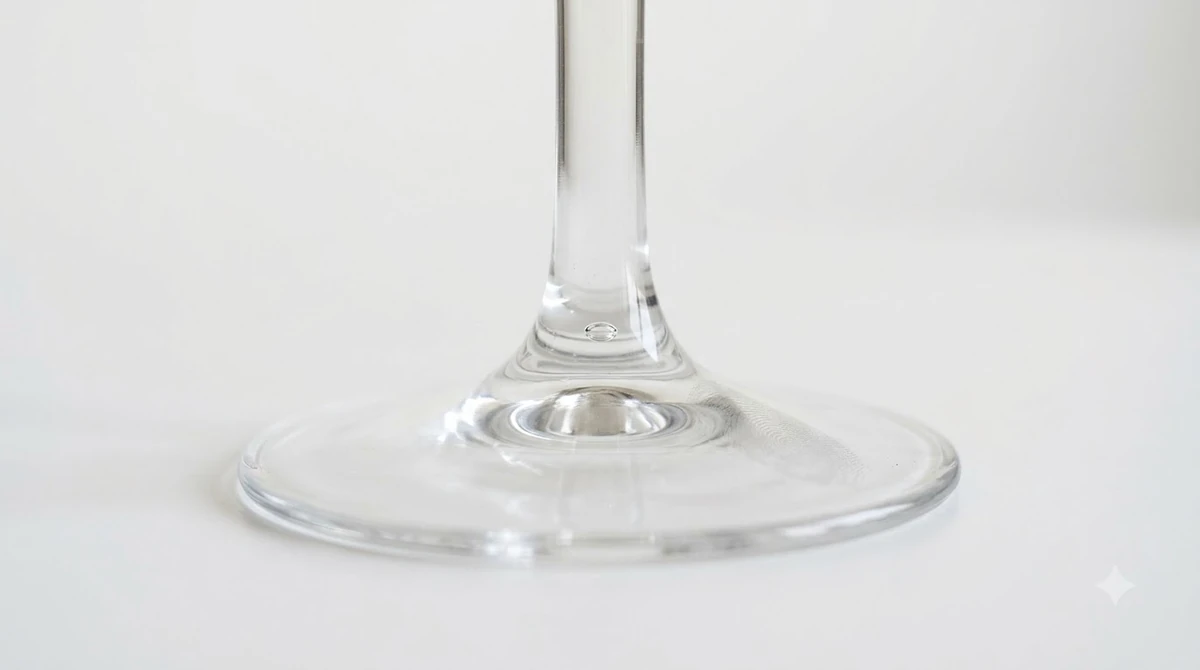
Wine Enthusiast lists the glass at 9.4 inches tall and 18 ounces, while The Spruce Eats gives dimensions of 9.3 inches high by 3.6 inches wide and a capacity of 18 ounces, or about 530 milliliters. The small height discrepancy is common in retail product descriptions and does not change the glass’s basic proportions. Its roughly 3.6-inch maximum width gives the wine room to move, while the bowl narrows toward the rim to concentrate aromas close to the nose. The tall silhouette is elegant on a table, but it can be awkward in a shallow cabinet, a compact dishwasher, or a sink with a low faucet. That is why measuring storage clearance is more useful than relying on a product photograph.
The Universal is part of the Denk’Art collection, whose bowl geometry is influenced by three angles: 24, 48, and 72 degrees. The collection’s design language is distinctive, but the useful point for a buyer is less about the geometry as a talking point and more about the result: a light, open bowl intended for wines with expressive aromas and enough structure to benefit from a little air. The broad interior makes it possible to move a modest pour around the bowl without crowding the surface, while the narrower mouth helps keep the aromas gathered above the wine. The crystal is lead-free, and the stemware is mouth-blown rather than a heavy, mass-produced glass.
| Specification | Published detail | Why it matters |
|---|---|---|
| Model | Zalto Denk’Art Universal | One general-purpose stem for several wine styles |
| Material | Mouth-blown, lead-free crystal | Thin walls and rim create a light sipping feel |
| Capacity | 18 fl oz (about 530 ml) | Room for swirling without filling the bowl |
| Height | 9.3–9.4 inches, depending on listing | Check cabinet and dishwasher clearance |
| Maximum width | About 3.6 inches | Allows room for wine to move in the bowl |
| Care | Dishwasher-safe; gentle hand washing is also suitable | Follow the maker’s glass-care settings and handling advice |
Stated capacity is not a serving size. An 18-ounce bowl is not meant to receive an 18-ounce pour: a standard serving is about 5 ounces, leaving headspace to swirl and smell the wine. The generous volume suits aromatic reds and textured whites, but looks expansive beside smaller everyday stems. Wine Enthusiast recommends it for full-bodied, expressive, mineral wines such as Chardonnay, Chianti, Riesling, and Wachau “Smaragd” wines, so it is neither simply an oversized red-wine glass nor a stem limited to delicate whites.
What Owners Like About the 18-Ounce Bowl and Featherweight Feel
The glass’s strongest appeal is the combination of a fine rim, low weight, and an 18-ounce bowl that works across Chardonnay, Chianti, and Riesling. A Wine Enthusiast review summary describes owners valuing the elegant, light construction and the way the glass presents aromas and flavors in both red and white wine.

The Spruce Eats review by wine journalist Vicki Denig offers a detailed account of the drinking experience. Denig highlights the very thin lip and stem, the way aromas rise from the bowl, and the ability to use one glass rather than switching between Bordeaux and Burgundy shapes. The nearly weightless feel and fine rim reduce the sense of a thick barrier between the drinker and the wine, while the open bowl gives the nose room to pick up detail. A glass does not change the wine itself, but its shape can influence how aromas reach the nose, how liquid reaches the palate, and how comfortable it feels to swirl. Using the same shape across a flight can make side-by-side comparisons easier because the glassware remains constant from pour to pour. For more of Denig’s personal experience, including the strengths and breakage concerns, see The Spruce Eats review of the Zalto Denk’Art Universal.
Its versatility helps in a home with limited cabinet space: one stem can serve many still wines and some sparkling wines, reducing the need to keep separate glasses for every grape or color. It is particularly convenient for a dinner where a crisp white arrives before a medium-bodied red, since guests can keep the same shape without a full glass change between courses. The very thin stem and clear bowl also keep attention on the wine rather than thick glass or a decorative base. That elegant look is part of the attraction, but it signals that the glass should not be treated like a sturdy tumbler.
Common Complaints: Fragility, Washing, and Daily Use
At roughly 9.3 inches tall and 3.6 inches wide at its widest point, the Universal is an elegant but relatively tall glass, and its fine stem and very thin rim do not invite careless handling. That delicate construction is part of its appeal, but it also makes breakage a real ownership consideration rather than a remote possibility.
Denig reports breaking one glass within days of receiving a set, while the second original glass remained in use years later. That does not establish a failure rate, but it illustrates how one careless contact can end a glass’s life while another can serve reliably with attentive handling. Wine Enthusiast’s owner-review summary likewise mentions both the elegant feel and fragility concerns. A delicate bowl is easier to knock against a faucet, sink edge, or neighboring stem than thicker everyday glassware, so the storage and washing routine matters as much as the first impression. Cleaning advice can sound contradictory: Zalto says modern glassware is suitable for machine cleaning and gentle hand washing, while The Spruce Eats reviewer prefers very gentle hand washing because the stem feels delicate. The maker recommends a glass cycle, careful spacing, low detergent dosing, and water temperatures no higher than 55°C.
Tip: Before buying a set, measure the dishwasher rack and cabinet opening. At roughly 9.3–9.4 inches tall, each glass needs secure clearance; during machine washing, use a glass cycle at 55°C or below and keep stems and bowls from touching neighboring items.
Hand washing has its own risks: hold the goblet gently, with the stem between the index and middle fingers, rather than gripping only the stem or base. Avoid pressing a cloth or brush hard against the bowl, and do not twist the base and bowl in opposite directions while polishing. For the full procedure, including detergent guidance and polishing technique, consult Zalto’s official glass-care instructions.
There is also the replacement question. Losing a glass to a crowded sink, busy family dinner, or hurried cleanup can make ownership frustrating. A less delicate everyday stem may be more sensible for a household with frequent breakage, even if it does not have the same fine rim or visual lightness.
Who Should Buy and Who Should Skip a 9.3-Inch Universal Glass
The Zalto Universal makes the most sense for wine drinkers who regularly open expressive bottles such as Chardonnay, Riesling, Chianti, and structured sparkling wine. It is a strong candidate for someone who wants one elegant stem for a mixed collection and is prepared to treat it as fine glassware rather than everyday kitchen equipment.
It suits a home tasting setup: compare two Chardonnays, a mineral Riesling, and a medium-bodied red in the same bowl. The 18-ounce capacity gives a 5-ounce pour room to move, while the thin rim avoids the heavier feel of utilitarian stems. It can also be a sensible first purchase for someone building a small stemware collection; later, a Burgundy bowl for Pinot Noir, a Bordeaux shape for Cabernet, or a dedicated sparkling glass can fill a specific gap.
Skip it if durability is the first requirement. A busy household with children, frequent entertaining, a crowded dishwasher, or limited storage may be better served by heavier glasses. It is also a poor match for anyone who dislikes delicate stems or wants glassware that can be stacked, packed loosely, and washed in a hurry. It is less suited to outdoor dining, picnic baskets, or crowded buffets where glasses are moved often and cannot be set down with much space around them.
Choose the quantity around actual use: a pair may suit occasional dinners, while a household hosting four or six people may need a consistent set. The wine glass set guide can help compare materials and quantities. Serve wine at appropriate temperatures as well: light whites and rosés around 45–50°F, fuller whites at 50–55°F, light reds at 55–60°F, and fuller reds at 60–65°F. A 5-ounce pour leaves enough space to swirl without spilling. For a formal tasting flight, using identical glasses for each sample also keeps bowl shape from becoming another variable.
How It Compares to Specialized Bowls and Everyday Alternatives
The Zalto Universal is a flexible all-purpose stem, while specialist glasses are designed around narrower wine categories and everyday alternatives often prioritize stability over a very thin rim. Its 18-ounce capacity and 9.3-inch-plus height make it more expansive and delicate than compact tasting glasses or sturdier restaurant stems.
Within a stemware collection, the Universal is a more versatile starting point than separate red- and white-wine bowls. A Burgundy shape gives Pinot Noir a wider bowl, while a Bordeaux style suits structured Cabernet Sauvignon; specialists can suit particular grapes more precisely. The Universal can also serve complex sparkling wines when aroma and base-wine character matter more than a narrow flute profile. Readers who mainly serve Champagne can compare a wineglass-shaped bowl with a flute or coupe in the best Champagne glass guide.
Compared with alternatives named by New York Magazine’s Strategist, the Zalto prioritizes a light, fine-rimmed feel. The Bormioli Rocco Riserva Cabernet is presented as a sturdier everyday option, while Schott Zwiesel Pure stems are described as durable enough for restaurant use. Glasvin The Universal is another all-purpose alternative, and the Bobo Steel Wineglass is noted for a lower center of gravity and a more stable feel. These options may suit frequent washing, larger guest lists, or drinkers who prefer more control while swirling. A sturdier glass may also be easier for guests to use without coaching, while the Zalto rewards a more deliberate grip and a clear place at the table. The difference is less about whether one bowl is universally superior and more about how much fragility a household is willing to accept.
A frequent wine drinker with careful storage may prefer Zalto; a large household that values resilience may prefer a sturdier glass. The site’s universal wine glass comparison and Glassware Brands add broader context.
Frequently Asked Questions
The most useful points to remember are the 18-ounce bowl, the 9.3–9.4-inch height, and the manufacturer’s detailed cleaning limits. These five answers cover practical details that are easy to miss in a product listing.
How much does the Zalto Universal weigh?
The Spruce Eats lists the glass at about 0.2 pounds, or 110 grams. That light weight contributes to its distinctive feel, but it also means the glass can feel less stable to someone accustomed to heavier stems.
Should I unload it as soon as the dishwasher cycle ends?
No. Zalto advises briefly opening the dishwasher door to release steam, then leaving the glasses inside until the cooling process is complete. This reduces prolonged exposure to hot steam and avoids handling hot glass immediately.
What water-softener setting does Zalto recommend?
The care page advises setting the water softener to a hardness range of 3 to 8, while avoiding excessive rinse aid. The maker notes that very soft water can contribute to glass corrosion, so water chemistry matters as well as the wash cycle.
Can cloudy glass be restored to clear?
It depends on the cause. Zalto distinguishes reversible cloudiness from calcium deposits or detergent residue from irreversible cloudiness caused by glass corrosion; cleaning can remove deposits, but corrosion cannot be reversed.
Is there a simple way to reduce streaks after hand washing?
Zalto suggests adding a small squeeze of lemon juice to the warm rinse water for a streak-free shine. The glass should still be dried gently with a lint-free cloth after it has cooled.
The Zalto Denk’Art Universal is a specialized kind of all-purpose glass: exceptionally light, beautifully thin at the rim, and useful across many serious wine styles, but not built for careless handling. Buy it for the tasting experience and refined feel, not for rugged daily service; a sturdier universal stem is the more practical choice for a busy, high-breakage household.
More in Wine Glasses
 Zwiesel Glas Champagne Flutes for Durable Everyday Sparkling WineUpdated Nov 20, 2026
 Vera Wang Crystal Wine Glasses: Design, Quality and Buying AdviceUpdated Nov 20, 2026
 West Elm White Wine Glasses: Compare Designs for Better Everyday Wine ServiceUpdated Nov 20, 2026
 Zalto Stemless Wine Glasses: Discover Their Distinctive DesignsUpdated Nov 20, 2026
 Viski Champagne Glasses That Match Your Style and Sparkling WineUpdated Nov 20, 2026
 Vista Alegre Decanter Review: Crystal Style and Wine ServiceUpdated Nov 20, 2026