

We may earn a commission when you buy through links on this page, at no extra cost to you. Learn more.
Zalto champagne flutes are an excellent choice for sparkling wine enthusiasts who want delicate, carefully shaped stemware that balances aromatic expression with the visual appeal of a traditional flute. The Zalto Denk’Art Champagne Glass measures 240 mm tall and has a documented capacity of 220 ml. Its mouth-blown construction, lead-free crystal, exceptionally thin stem, and specialized proportions make it particularly appealing for Champagne, Prosecco, Spumante, and Cava. However, its delicate construction and specialized purpose mean it is not necessarily the right everyday glass for every household.
A Champagne glass has two jobs: present sparkling wine attractively and allow its aromas, texture, and bubbles to come through. Traditional narrow flutes emphasize the stream of bubbles, while broad coupes offer more room for aromas but sacrifice some practical advantages. Zalto approaches this balance with a distinctive glass in its Denk’Art collection. This review examines its specifications, design, strengths, limitations, care requirements, and the types of sparkling wine drinkers most likely to appreciate it.
Specs and Key Features
The Zalto Denk’Art Champagne Glass is specialized stemware intended for sparkling wine rather than a general-purpose wine glass. Its tall profile, 220 ml capacity, and delicate crystal construction give it a distinctive place among premium Champagne glasses.
The manufacturer’s documentation identifies the glass as a Champagne-specific design and lists Champagne, sparkling wine, Prosecco, Spumante, and Cava among its recommended uses. Its proportions are intended to preserve the elegance of sparkling wine presentation while providing an appropriate vessel for appreciating minerality and aromatic detail. The result is a glass that looks familiar to anyone accustomed to traditional flutes but belongs to a more specialized approach to wine service.
One important detail is the difference between capacity and serving volume. A 220 ml capacity does not mean the glass should be filled to the rim. Leaving substantial room above the wine allows bubbles to rise, foam to settle, and aromas to collect near the opening. A standard 5 oz wine serving is approximately 148 ml, so a smaller pour is often more appropriate for leaving room to appreciate the wine.
| Specification | Zalto Denk’Art Champagne Glass |
|---|---|
| Product category | Champagne and sparkling wine glass |
| Height | 240 mm / approximately 9.45 inches |
| Documented capacity | 220 ml / approximately 7.4 fl oz |
| Material | Lead-free crystal |
| Manufacturing | Mouth-blown |
| Collection | Denk’Art |
| Recommended wines | Champagne, sparkling wine, Prosecco, Spumante, Cava |
| Packaging options | Individual gift box, two-piece pack, six-piece pack |
The specifications are impressive, but measurements alone do not explain why this glass attracts attention from serious wine drinkers. Its construction and proportions are just as important. The Denk’Art collection uses a distinctive design philosophy that gives its glasses a recognizable appearance. The Champagne model follows that approach with a dedicated shape rather than simply adapting a standard white wine glass.
The Champagne glass is notably tall without having the oversized bowl associated with some red wine glasses. That distinction matters for storage and presentation. Its proportions make it suitable for a formal table setting, a Champagne tasting, or a special occasion where a conventional flute might feel too ordinary.
For shoppers comparing specifications across the broader market, the champagne flutes buying guide provides a useful starting point for understanding how different glass shapes serve different preferences.
What Owners and Wine Enthusiasts Like
The strongest appeal of the Zalto Champagne Glass is its balance of refined appearance, delicate construction, and sparkling-wine-focused proportions. Wine enthusiasts who appreciate stemware as part of the tasting experience will find more to consider here than simply a vessel that holds bubbles.
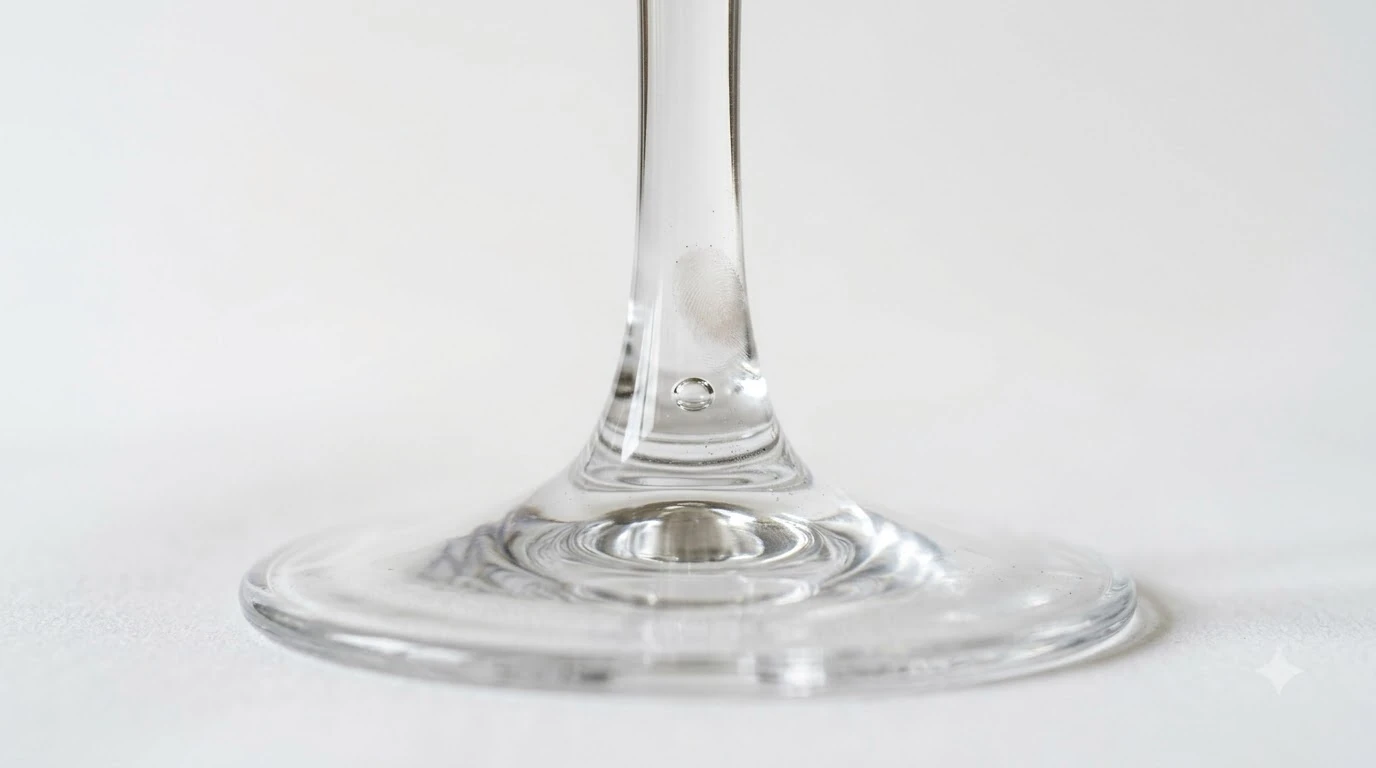
One frequently discussed advantage is the exceptionally thin rim. A thin drinking edge can make the transition from glass to mouth feel less intrusive, allowing the drinker to focus on the wine rather than a thick glass lip. Bon Appétit specifically highlights the fine lip and stem as defining characteristics of the Zalto design.
The mouth-blown construction also gives the glass an artisanal character. Unlike uniform machine-produced stemware, individually crafted glassware can have small differences between pieces. For some collectors, this is part of the appeal. The overall presentation feels considered rather than purely functional.
Another advantage is its ability to serve several sparkling wine styles. Champagne is the obvious application, but a household that also enjoys traditional-method sparkling wines, Cava, or Prosecco can use the same glass for different bottles. This flexibility makes the specialized design more useful than a vessel reserved for a single celebratory occasion.
A better balance than an extremely narrow flute
Traditional flutes are popular because their tall, narrow bowls create an attractive display of rising bubbles. They also make it easy to serve sparkling wine at parties and carry multiple glasses on a tray. Their limitation is that a very narrow opening provides little room for aromatic exploration.
The Zalto design retains a tall, slender silhouette while approaching sparkling wine as something more than an effervescent beverage. Its shape aims to provide a refined sparkling wine experience without abandoning the elegance of traditional flute-style service. However, the delicate stem makes it less attractive for busy occasions where glasses are frequently moved or collected.
Aromatic character matters in Champagne, particularly in wines with extended aging, expressive fruit, or distinctive mineral notes. A glass that allows the drinker to approach the wine’s aromas more comfortably can make a tasting more engaging. This is one reason collectors often look beyond conventional narrow flutes.
Visual appeal and table presentation
The glass’s height and fine stem create an elegant appearance that suits formal dinners, anniversaries, holiday meals, and Champagne-focused gatherings. Its delicate proportions can complement fine crystal decanters, understated table linens, and traditional dinnerware without overwhelming the rest of the setting.
There is also a practical presentation advantage: the tall shape makes sparkling wine immediately recognizable as the centerpiece of a toast. Guests can see the rising bubbles, and the glass remains visually distinctive even when several wine styles are being served at the same event.
Bon Appétit selected the Zalto Denk’Art Champagne Glass as its best sparkling wine glass for collectors. Its assessment highlights the appeal of the thin crystal, carefully shaped bowl, and mouth-blown construction. The publication also acknowledges that the delicate stem may feel too precious for some buyers.
Common Complaints and Limitations
The main drawback of the Zalto Champagne Glass is its delicate construction. Its fine stem and thin lip contribute to its refined drinking experience, but they also require more careful handling than heavier everyday glasses.
Bon Appétit specifically identifies the thin stem as a potential source of concern for buyers who prefer sturdy glassware. This is an important consideration for households with busy kitchens, crowded cupboards, frequent entertaining, or limited space around the dishwasher. The glass is not designed to feel substantial in the same way as thick, everyday restaurant stemware.
Its specialized shape is another limitation. A dedicated Champagne glass is useful for sparkling wine enthusiasts, but households that mainly drink Cabernet Sauvignon, Pinot Noir, Chardonnay, or Sauvignon Blanc may get more practical value from a universal wine glass. Buying specialized glasses for every beverage can create unnecessary storage demands.
Fragility requires careful handling
Thin crystal can be more vulnerable to impacts and twisting forces than thicker glassware. The stem is particularly important because it is the narrow connection between the bowl and base. Holding the glass by the stem is normal during service, but applying sideways pressure while carrying, cleaning, or drying it creates unnecessary risk.
The delicate construction also makes storage important. Glasses that touch one another in a crowded cabinet can develop chips or scratches. A heavy serving dish placed beside an exposed rim is another avoidable hazard.
These concerns are not unique to Zalto. Many premium mouth-blown glasses use thin walls and stems to achieve their characteristic feel. However, the combination of delicate construction and specialized purpose means that buyers should consider their household habits before choosing a full set.
Specialized glassware is not essential for every occasion
Another possible complaint is that a dedicated Champagne glass may seem unnecessary if sparkling wine is only served a few times a year. A good universal wine glass can handle many styles, including Champagne, and takes up less space in a limited cabinet.
Wine Enthusiast’s discussion of Champagne glass styles makes an important distinction between formal tasting and social drinking. Flutes are convenient for celebrations, while broader tulip-shaped glasses provide more room to explore aromas. Neither format is mandatory for enjoying a bottle with friends.
For a wedding toast or a large gathering, durability, easy handling, and the ability to serve many guests may matter more than the finest possible rim. For a quiet tasting of a carefully selected Champagne, the priorities can be very different.
Who Should Buy and Who Should Skip
The Zalto Denk’Art Champagne Glass is best suited to people who regularly drink sparkling wine and appreciate the role glass shape plays in presentation and tasting. It makes the most sense as a specialized addition to an established glassware collection rather than an automatic first purchase for every household.
Champagne collectors are an obvious audience. Someone who enjoys comparing a Blanc de Blancs with a Pinot Noir-dominant Champagne, for example, may appreciate the opportunity to examine differences in aroma, texture, and finish. The glass also suits enthusiasts who regularly serve traditional-method sparkling wines alongside Champagne.
It is particularly appropriate for smaller gatherings where guests have time to enjoy the wine rather than simply raise a glass and move on. Its delicate construction is easier to manage when there are fewer people handling the stemware and more space between place settings.
Good reasons to choose Zalto
- You regularly serve Champagne, Cava, Prosecco, or other sparkling wines.
- You prefer a dedicated sparkling wine glass rather than a universal wine glass.
- You appreciate thin rims, mouth-blown crystal, and delicate stemware.
- You enjoy tasting wines slowly and paying attention to their aromas.
- You have suitable cabinet space and are comfortable handling fragile glassware.
- You want specialized stemware for formal dinners and smaller celebrations.
Reasons to choose something else
- You need durable glasses for large parties and frequent handling.
- You mainly drink still wines rather than sparkling wines.
- You prefer heavy, thick-walled glassware that feels substantial.
- You have limited storage space or a crowded dishwasher.
- You want one versatile set for red, white, rosé, and sparkling wines.
- You rarely serve Champagne and cannot justify a dedicated glass shape.
For buyers still deciding between a specialized flute and a broader sparkling wine vessel, the best champagne glass comparison can help clarify the differences. A flute, tulip, and universal glass each serve a slightly different purpose, and the best choice depends on how the wine will be enjoyed.
There is no requirement to own a complete collection of specialized glassware. A household that drinks sparkling wine only occasionally may be perfectly satisfied with a well-shaped universal glass. The Zalto makes more sense when sparkling wine is a recurring part of the household’s drinking habits.
How It Compares to Alternatives
The Zalto Champagne Glass occupies a specialized position between the narrow traditional flute and the broader wine glass. Its strengths become clearer when compared with the different shapes commonly used for sparkling wine.
Wine Enthusiast identifies three principal Champagne glass categories: coupes, flutes, and white wine glasses. Each has a distinct balance of aromatic access, bubble presentation, and practical handling. The Zalto belongs to the flute category by its general silhouette, but its delicate construction and specialized proportions give it a more tasting-oriented character than many conventional examples.
Zalto versus a traditional flute
A conventional flute emphasizes bubbles and visual presentation. Its narrow shape makes it particularly suitable for parties, receptions, and events where sparkling wine is served quickly. It also helps maintain the familiar celebratory appearance associated with Champagne.
The Zalto is a more specialized option for people who want to pay attention to the wine itself. Its design aims to provide a refined sparkling wine experience without abandoning the elegance of a tall glass. However, the delicate stem makes it less attractive for busy occasions where glasses are frequently moved or collected.
Zalto versus a coupe
The coupe has a broad, shallow bowl and a distinctive historical association with Champagne service. It is visually striking and works particularly well for Champagne towers and decorative presentations. Its open shape provides aromatic access, but the wine can warm and lose carbonation more quickly.
The Zalto offers a more controlled presentation for drinking sparkling wine. Its taller profile makes it easier to maintain a traditional Champagne service style, while the narrower opening provides a different aromatic experience from a coupe.
Zalto versus a universal wine glass
A universal wine glass is often the more practical choice for households that drink many different styles. A moderately sized bowl with a tapered opening can accommodate red, white, rosé, and sparkling wines without requiring several specialized sets.
Bon Appétit’s glassware recommendations emphasize the usefulness of universal glasses for most drinkers, while recognizing that collectors may benefit from more specialized designs. The Zalto Champagne Glass therefore makes the most sense as a complementary purchase for enthusiasts rather than a replacement for all-purpose stemware.
The distinction is especially important when serving mature or complex sparkling wines. A broader universal glass can give wines with extended lees aging or oxidative character additional room for aromatic development. Zalto’s own Denk’Art range includes the Universal and Balance glasses for different wine styles, so a Champagne-specific glass is not the only option within the collection.
For shoppers comparing dedicated stemware with versatile everyday choices, the wine glasses buying guide provides additional context on shape, capacity, and general-purpose use.
| Glass style | Main strength | Main limitation | Best application |
|---|---|---|---|
| Zalto Denk’Art Champagne | Specialized sparkling wine presentation | Delicate construction | Champagne tastings and refined service |
| Traditional flute | Visible bubbles and easy serving | Limited aromatic space | Toasts and larger celebrations |
| Coupe | Broad opening and decorative appearance | Faster warming and carbonation loss | Champagne towers and cocktails |
| Universal wine glass | Versatility across wine styles | Less specialized presentation | Everyday wine service |
These comparisons show why there is no single perfect Champagne glass for every situation. The Zalto is a specialist choice for people who appreciate its construction and intended purpose. A traditional flute may be more convenient for a large event, while a universal glass can be more sensible for a small household with varied wine preferences.
For a more detailed explanation of how glass shape affects sparkling wine, see Wine Enthusiast’s guide to choosing Champagne glasses, which discusses the differences between coupes, flutes, and tulip-shaped wine glasses.
Care, Cleaning, and Storage
Proper care is particularly important with the Zalto Champagne Glass because its delicate stem and fine rim require careful handling. Although Bon Appétit reports that Zalto recommends dishwasher cleaning, safe loading and unloading remain essential.
One important consideration is that dishwasher suitability does not mean a glass is immune to damage. Contact with other dishes, sudden temperature changes, and excessive mechanical pressure can all shorten the lifespan of delicate crystal. A careful cleaning routine helps reduce these risks.
Dishwasher cleaning
Before loading the glasses, make sure there is enough space between them to prevent contact during the wash cycle. The glasses should be secure rather than loosely positioned where movement could cause them to strike other items.
Use an appropriate amount of dishwasher detergent and avoid placing the glasses directly beside heavy plates, metal cookware, or other items that could move during the cycle. Follow the dishwasher manufacturer’s recommendations for glassware settings and detergent use.
After cleaning, open the dishwasher door carefully to release accumulated hot steam rather than leaving delicate glasses exposed to prolonged heat. Allow the glassware to cool before handling it.
Drying without twisting the stem
If the glasses need polishing, use a clean, dry cotton dish towel or microfiber cloth. Support the glass carefully and avoid gripping the bowl with one hand while twisting the base with the other. That movement creates torque along the stem and can cause breakage.
A safer approach is to handle the bowl and base gently without forcing either section to rotate. Apply minimal pressure and avoid trying to remove water spots by twisting the glass aggressively. If the glass is already clean, there is no need to polish it repeatedly.
Cabinet storage
Store the glasses upright in a cabinet with sufficient clearance above the rims. Avoid overcrowding the shelf, and leave enough room to remove each piece without knocking neighboring stems.
Keep heavy serving equipment, cookware, and decorative objects away from the glasses. A separate shelf or dedicated stemware area is useful because it reduces accidental contact when other kitchen items are being moved.
Zalto’s product safety documentation recommends a temperature range of 8–25°C for its drinking glasses and warns against sudden temperature changes. The glasses should not be used for hot drinks, placed in an oven, or exposed to abrupt thermal changes. Rinsing them before their first use is another sensible preparation step.
Tip: Treat the Zalto Champagne Glass as delicate crystal rather than everyday restaurant stemware. Give each glass its own space in the dishwasher, avoid contact with metal or ceramic objects, and never twist the bowl against the base while drying.
For additional information on other specialist manufacturers and their glassware collections, the Glassware Brands overview provides a broader starting point for comparing different approaches to stemware design.
One final care consideration is inspection. A chipped rim, cracked bowl, or damaged stem is a reason to stop using a glass. Zalto’s safety guidance specifically warns against continuing to use glassware with cracks, chips, or splinters.
Frequently Asked Questions
These answers address additional buying and usage details that can help determine whether the Zalto Champagne Glass belongs in a particular glassware collection.
Are Zalto Champagne glasses handmade in Austria?
Zalto Denk’Art stemware is described as mouth-blown in the manufacturer’s product documentation. Zalto Glas GmbH identifies its registered business address in Gmünd, Austria. The mouth-blown construction gives the collection its artisanal character, although individual pieces may have minor differences.
Can the Zalto Champagne Glass be used for cocktails?
It can physically hold many cold drinks, but its specialized design is intended for sparkling wine. A traditional Champagne cocktail can be served in it if the drink’s ingredients and preparation suit the glass. Avoid using metal utensils inside the delicate bowl or exposing the glass to hot liquids.
Does every Zalto Champagne Glass have exactly the same capacity?
The manufacturer’s documented capacity is 220 ml, but mouth-blown production can produce small individual variations in appearance and proportions. The stated capacity should be treated as the product specification rather than a guarantee that every individual glass has precisely identical dimensions. Small visual differences are not necessarily evidence of damage.
Can Zalto Champagne glasses be used for sparkling rosé?
Yes. Sparkling rosé falls within the broader category of sparkling wine for which this style is intended. The glass can be used with traditional-method sparkling rosé and other bubbly styles. Its specialized shape is particularly useful when the wine’s aromatic character is as important as its visual presentation.
Should Zalto Champagne glasses be purchased as a gift?
They can make a thoughtful gift for someone who regularly collects Champagne or enjoys specialized wine accessories. Zalto’s product documentation identifies individual gift-box packaging alongside two-piece and six-piece packaging options. Before choosing a set, consider whether the recipient already owns suitable sparkling wine stemware and has appropriate storage space.
The Zalto Denk’Art Champagne Glass is a distinctive option for sparkling wine enthusiasts who appreciate delicate crystal, careful proportions, and refined presentation. Its specialized design makes the most sense for regular Champagne drinkers and collectors rather than households seeking inexpensive, durable everyday glasses. If sparkling wine is a regular part of your table, Zalto deserves consideration as a dedicated addition to your glassware collection.
More in Wine Glasses
 Zwiesel Glas Champagne Flutes for Durable Everyday Sparkling WineUpdated Nov 20, 2026
 Vera Wang Crystal Wine Glasses: Design, Quality and Buying AdviceUpdated Nov 20, 2026
 West Elm White Wine Glasses: Compare Designs for Better Everyday Wine ServiceUpdated Nov 20, 2026
 Zalto Stemless Wine Glasses: Discover Their Distinctive DesignsUpdated Nov 20, 2026
 Viski Champagne Glasses That Match Your Style and Sparkling WineUpdated Nov 20, 2026
 Vista Alegre Decanter Review: Crystal Style and Wine ServiceUpdated Nov 20, 2026