

We may earn a commission when you buy through links on this page, at no extra cost to you. Learn more.
Yountville wine means bottles made from grapes grown in the Yountville AVA, a small Napa Valley appellation known for structured, tannic Cabernet Sauvignon. The reds tend to be firm and age-worthy, while the whites show brighter acidity than many California bottlings. Serving the reds at about 60 to 68°F and giving them time to breathe brings out their best side.
If you are shopping for a bottle with the Yountville name on the label, or you are planning a tasting in town, it helps to know what that label promises and what the wine usually tastes like. This guide focuses on the wine itself: the styles you will find, how to serve them, how long to keep them, and what to eat with them.
What a Yountville label tells you
An American Viticultural Area is a federally recognized growing region, and an AVA name on a label signals where the grapes were grown. For Yountville, that means the fruit came from a zone of roughly 8,260 acres in the southern part of Napa Valley. The label does not describe the winemaking, the oak regime, or the quality level, so the AVA is best read as a clue about style rather than a guarantee of it.
Many producers also list a single vineyard or a specific block on the back label. Those details can tell you more than the appellation alone. A wine from a named estate in the district will often reflect the soil and slope of that specific site, which is a useful way to compare bottles from the same town.
The main styles you will find
Cabernet Sauvignon is the anchor of the district, and most Yountville reds you encounter will be Cabernet-based or Cabernet-led blends. Cabernet Franc, Merlot, Syrah, and Pinot Noir appear in smaller amounts, and Chardonnay and Sauvignon Blanc are the leading whites. The table below gives a quick orientation to what each style usually offers.
| Style | Typical character | Best first choice for |
|---|---|---|
| Cabernet Sauvignon | Black fruit, firm tannins, long finish | Dinner with red meat and aged cellar bottles |
| Cabernet Franc or Merlot | Softer tannins, red fruit, herbal notes | A lighter red for everyday meals |
| Pinot Noir | Bright red fruit, lighter body | Shoppers who prefer elegance over power |
| Chardonnay | Citrus and stone fruit, crisp structure | Seafood and creamy sauces |
| Sauvignon Blanc | Herbal and zesty, high acidity | Salads, goat cheese, and light fish |
The cool growing conditions in the district are the main reason the wines lean structured. Grapes that ripen slowly often keep more acidity, and that acidity gives the whites their snap and helps the reds hold their shape over time.
Where Yountville fits in Napa Valley history
The Napa Valley AVA was approved on January 28, 1981, and it was the second AVA in the United States. The Wikipedia entry for the valley notes that its planted vineyards cover about 47,216 acres, and the area includes seventeen sub-AVAs as of 2024. Yountville sits inside that larger identity, which is why many bottles carry both the Napa Valley name and the more specific local appellation.
The region’s reputation was built in part by the 1976 Judgment of Paris, a blind tasting in Paris where Napa Chardonnay and Cabernet Sauvignon took top honors over well-known French wines. According to the same Wikipedia summary, the result established Napa as a premier wine-producing region on the international stage. Today, the trade group Napa Valley Vintners reports 525 member wineries, which gives a sense of how many producers share the valley’s name.
How to serve Yountville reds
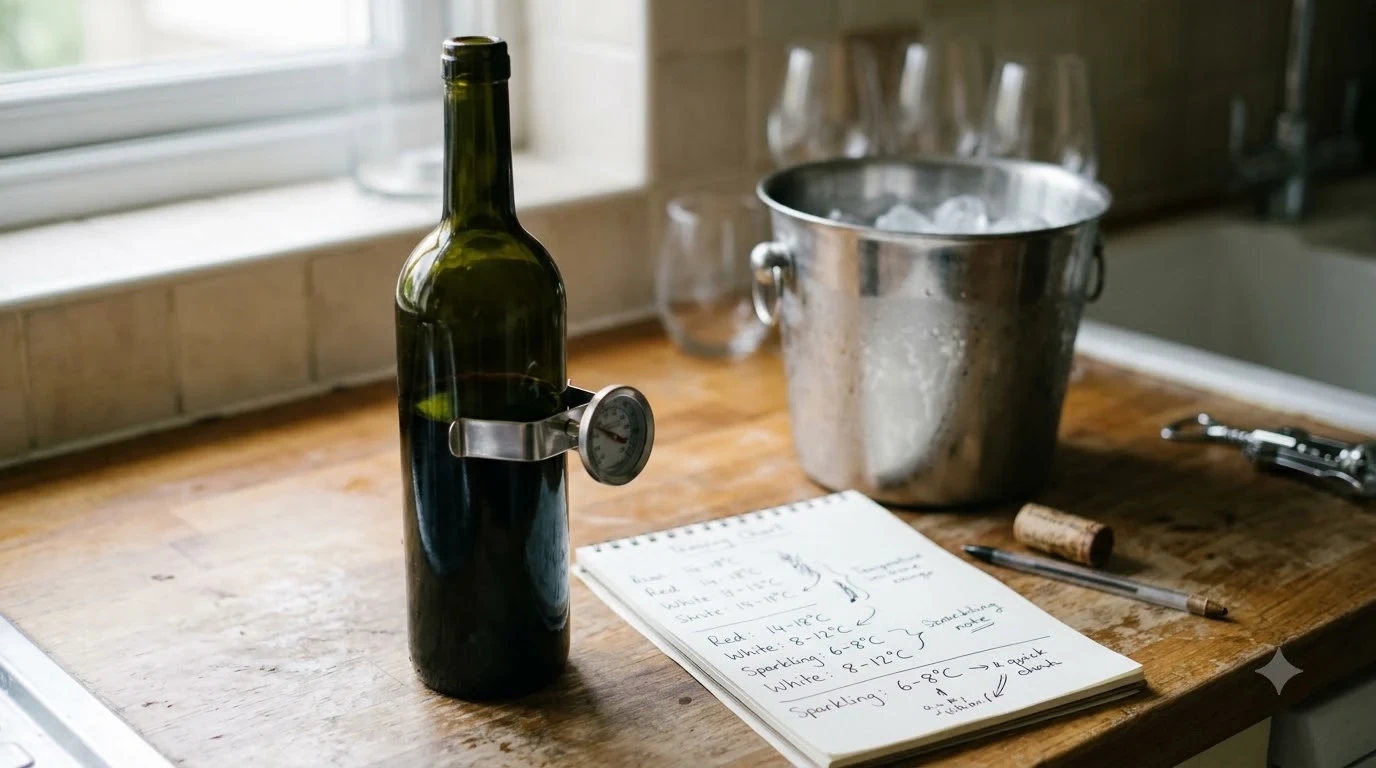
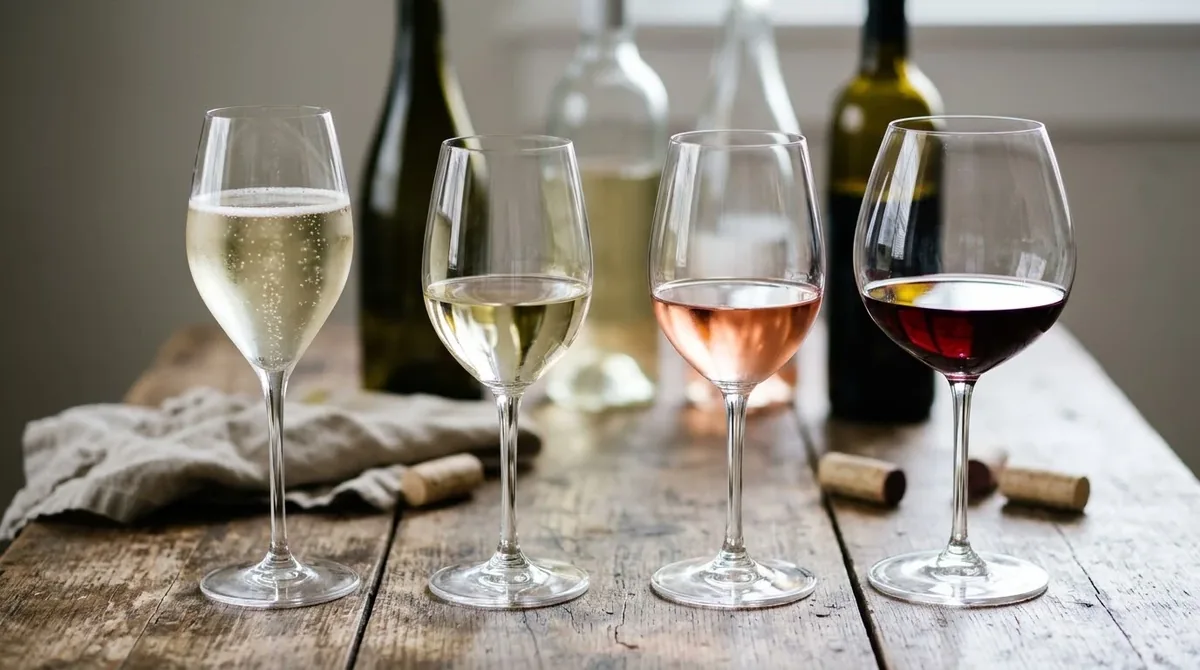
Serving temperature changes how a red tastes. Wine Folly recommends serving Cabernet Sauvignon at 60 to 68°F (15 to 20°C), which is cooler than many people expect. At warmer temperatures the alcohol can feel more prominent and the fruit can seem flat, while a slightly cooler glass keeps the structure in balance.
Young, tannic reds often benefit from decanting. The same Wine Folly guide suggests decanting Cabernet for about an hour, which softens the tannins and lets the aromas open. A larger glass helps as well, because it gives the wine room to release its scent. If you only have time for one step, give the bottle a little air and avoid serving it straight from a warm kitchen.
Whites are simpler. Chill them lightly, not icy, so the aromas stay readable. A Chardonnay that is too cold can taste closed, while a Sauvignon Blanc at a gentle chill shows its herbal lift.
How long to keep a Yountville bottle
Not every bottle needs cellaring. Many whites and lighter reds are meant to be opened within a few years of release. Structured Cabernets from the district are a different case. Wine Folly’s Cabernet guide says the grape is loved for its high concentration and ageworthiness, and recommends cellaring for ten years or more for many examples.
Store bottles on their sides in a cool, dark place with steady temperatures. Avoid storage near the kitchen stove or a sunny window. A simple rule is to keep bottles you plan to drink within a year or two on a shelf, and move the ones meant for longer aging to a cooler, quieter spot.
Food pairings that suit Yountville wine
The firm tannins and dark fruit of a local Cabernet make it a natural partner for rich food. Wine Folly notes that the grape’s rich flavor and high tannin content make it a good match for grilled meats, peppery sauces, and boldly flavored dishes. Think steak with a pepper crust, slow-braised short ribs, or a mushroom-heavy stew.
The lighter wines of the district fit different plates. Chardonnay works well with roast chicken, lobster, and pasta in cream or butter sauces. Sauvignon Blanc matches salads with citrus, goat cheese, and fresh herbs. Pinot Noir is versatile enough for roast salmon, mushrooms, and simple roasted vegetables.
How to choose a Yountville bottle
When you are standing in a shop, start with the grape and the purpose. If you want a bottle for a special dinner and plan to keep it, a structured Cabernet with a few years of bottle age is the classic choice. If you want something to open on a weeknight, a Cabernet Franc or Merlot blend will usually be easier to drink right away.
Look at the vintage, too. Cool seasons and warm seasons produce noticeably different wines, and a reliable producer’s notes will tell you whether the year was considered ripe, balanced, or demanding. Reading the back label for the vineyard, the grape percentages, and the alcohol content will give you a clear picture before you pay.
Frequently Asked Questions
What kind of wine is Yountville known for?
Yountville is best known for Cabernet Sauvignon, usually with firm tannins and dark fruit. The district also produces Cabernet Franc, Merlot, Chardonnay, Sauvignon Blanc, and a smaller amount of Pinot Noir.
What temperature should I serve Yountville red wine at?
Wine Folly suggests serving Cabernet Sauvignon at 60 to 68°F (15 to 20°C). That range keeps the structure of the wine in balance and stops the alcohol from feeling heavy.
Do Yountville wines need aging?
Some do. Structured Cabernets from the district can benefit from cellaring for several years, while many whites and lighter reds are best within a few years of release.
Should I decant a Yountville Cabernet?
Decanting is helpful for young, tannic bottles. Giving the wine about an hour of air can soften the tannins and open the aromas, though older bottles may need a shorter, gentler approach.
Yountville wine rewards a little planning, from the label you read to the glass you pour. For a broader view of the valley, see the Yountville vineyards guide, compare styles from the Arizona wine side, and browse the wine regions section for more context.
More in Wine Regions
 Willcox Wine Trail: Discover Arizona’s High-Elevation Wine CountryUpdated Nov 20, 2026
 Yakima Valley Wine Region: Find the Best Styles to TryUpdated Nov 20, 2026
 Vosne Romanee Wine Tasting: Identify Aromas and Choose Better PairingsUpdated Nov 20, 2026
 Yakima Valley Wine Festival: Find the Best Seasonal Wine EventsUpdated Nov 20, 2026
 Wales Vineyards: Discover Cool-Climate Wines and Where to VisitUpdated Nov 20, 2026
 Yountville Wine Festival: Discover Napa Wines and Local FoodUpdated Nov 20, 2026