

We may earn a commission when you buy through links on this page, at no extra cost to you. Learn more.
A yeti decanter is not currently listed in YETI’s official barware collection; the brand instead offers wine accessories such as the Rambler 10 oz Wine Tumbler and Rambler Wine Chiller. These products serve different purposes from a traditional glass wine decanter. The Rambler tumbler is designed for insulated wine drinking, while the wine chiller accommodates a standard wine bottle. If your priority is aerating red wine or separating sediment, a purpose-built glass decanter is the more appropriate purchase.
Searching for a YETI decanter makes sense if you appreciate the brand’s durable outdoor drinkware and want something similarly practical for wine. However, a wine tumbler, bottle chiller, and decanter are three different pieces of equipment. Understanding those differences helps avoid buying an attractive accessory that does not perform the job you actually need. This review examines YETI’s available wine-related products, explains their strengths and limitations, and identifies when conventional decanter glassware is a better choice.
Specs and Key Features: What YETI Actually Offers for Wine
YETI’s official barware collection focuses on insulated drinkware and bottle accessories rather than traditional wine decanters. Its Rambler wine products are designed to keep beverages at a preferred temperature and make serving more convenient, not to aerate wine in a broad glass vessel.
The closest match for someone searching for a YETI wine accessory is the Rambler 10 oz Wine Tumbler. YETI describes it as a stemless wine vessel featuring DuraSip Ceramic Lining, while its wider Rambler barware range uses double-wall vacuum insulation and kitchen-grade 18/8 stainless steel. The brand also sells a Rambler Wine Chiller designed to accommodate standard wine bottles. Neither product should be confused with a decanter that transfers wine from its original bottle into a separate vessel.
| Feature | Rambler Wine Tumbler | Rambler Wine Chiller |
|---|---|---|
| Product category | Wine drinking vessel | Wine bottle accessory |
| Listed capacity | 10 oz | Not specified in the catalog listing |
| Construction | Stainless-steel Rambler construction | Rambler insulated construction |
| Insulation | Double-wall vacuum insulation | Designed for bottle chilling |
| Interior feature | DuraSip Ceramic Lining | Not specified in the catalog listing |
| Lid compatibility | Small MagSlider Lid | Not applicable as a drinking lid |
| Primary purpose | Individual wine serving | Keeping a wine bottle chilled |
| Decanting capability | No dedicated aeration function | No dedicated aeration function |
One particularly important distinction is capacity. A 10 oz tumbler can accommodate a normal individual wine serving, but it is not intended to hold an entire standard 750 ml wine bottle. A conventional decanter, by contrast, is commonly designed around that full-bottle capacity. The Spruce Eats describes the Le Chateau Wine Decanter as holding 32 ounces, with a standard 750 ml bottle reaching its intended fill level.
YETI’s stainless-steel construction also creates a different serving experience from transparent glass. A glass decanter allows someone to examine wine color, watch sediment settle, and observe the wine as it is poured. An opaque insulated tumbler prioritizes practical temperature control and portability instead.
For the official product lineup, the YETI barware collection is the most useful starting point. It distinguishes the wine tumbler from the bottle chiller and other Rambler accessories.
What Owners and Wine Drinkers Like About YETI Wine Accessories
YETI’s strongest appeal for wine drinkers is its practical approach to insulated drinkware. The Rambler wine tumbler is especially attractive to people who enjoy wine outdoors, want a reusable alternative to fragile stemware, or prefer a vessel that can handle regular use.
The double-wall vacuum insulation is one of the most relevant features for wine service. A conventional thin-walled wine glass quickly responds to the surrounding temperature. That is not always desirable when someone is enjoying a chilled Sauvignon Blanc on a warm patio or taking a glass of rosé to an outdoor gathering. Insulation helps limit the influence of the surrounding environment on the drink.
Decanter specifically identifies the YETI Rambler wine tumbler as a picnic-friendly option. Its review highlights the stainless-steel construction, resistance to punctures and rust, and double-wall insulation. These characteristics make the vessel a practical alternative to ordinary glassware in settings where breakage is a concern.
Practical advantages for everyday use
Several features make the Rambler design appealing beyond outdoor activities:
- Stemless construction: A stemless design is convenient for casual settings, where a traditional wine glass might feel too delicate or unstable.
- Insulated walls: Double-wall vacuum insulation helps limit temperature changes during a longer drinking session.
- Stainless-steel construction: The material is a practical alternative to fragile glass for travel, picnics, and outdoor dining.
- Ceramic lining: The Rambler 10 oz Wine Tumbler incorporates YETI’s DuraSip Ceramic Lining.
- Lid compatibility: YETI identifies the small MagSlider Lid as compatible with the 10 oz Wine Tumbler.
- Reusable design: A dedicated wine tumbler can become part of a regular outdoor dining or entertaining setup.
The optional lid is particularly useful for people who move around while drinking. It can help limit splashes during casual use, although a MagSlider Lid should not be treated as a fully leakproof wine transport system. A wine tumbler with a lid also differs from a wine-preservation device: it does not automatically remove oxygen from wine or maintain an opened bottle’s freshness.
There is another practical benefit to choosing a dedicated wine vessel rather than a general-purpose travel mug. The Rambler 10 oz Wine Tumbler is specifically shaped for individual wine servings. Its intended use is more appropriate for casual wine drinking than a large insulated coffee mug or an oversized water bottle.
For people who already own Rambler drinkware, the familiar construction and compatible accessory ecosystem may also make a wine tumbler an appealing addition. It can serve as an everyday vessel for a backyard dinner, a picnic, or an outdoor gathering without requiring the handling and storage considerations associated with traditional stemware.
Common Complaints and Important Limitations
The main limitation of searching for a YETI decanter is that the available wine accessories do not perform the central functions of a traditional decanter. They are useful for drinking and temperature management, but they are not substitutes for aeration, sediment separation, or formal wine presentation.
The first consideration is the absence of a dedicated decanting mechanism. A conventional decanter exposes wine to oxygen through its broad interior surface. This can help certain young, structured red wines open up before serving. A stainless-steel tumbler does not provide the same broad surface area or the same practical pouring arrangement.
The second limitation is visibility. Transparent glass allows a host to monitor sediment as wine moves from bottle to decanter. This matters particularly with older red wines, which may develop deposits during bottle aging. An opaque stainless-steel vessel does not provide the same visual control.
Other considerations before buying
Individual-serving capacity: The Rambler Wine Tumbler is listed as a 10 oz product. It is an individual drinking vessel, not a large serving carafe. Anyone hosting several guests would still need additional glasses or tumblers.
Different wine presentation: Traditional stemmed glasses remain useful for formal dining and wine evaluation. Their transparent bowls make it easier to assess color, while their shapes can direct aromas toward the nose. A stainless-steel tumbler offers a more casual experience.
Temperature is not aeration: Keeping wine cool does not mean that the wine has been decanted. These are separate processes. A wine chiller can help maintain a bottle’s serving temperature, but it cannot replace a vessel designed to expose wine to oxygen.
Accessory compatibility: YETI specifies that its small MagSlider Lid fits the Rambler 10 oz Wine Tumbler. That does not mean every Rambler lid or accessory will fit. Buyers should distinguish the wine tumbler from the 10 oz Lowball and other Rambler products before purchasing replacement accessories.
Insulation preferences: Some wine drinkers prefer the tactile experience of a thin glass bowl rather than a heavier metal vessel. A traditional glass also makes it easier to see how much wine remains and assess its appearance.
These limitations do not make YETI wine accessories poor products. They simply establish a more accurate expectation. A Rambler tumbler is a practical wine-drinking accessory, while a decanter is a wine preparation and serving vessel.
Who Should Buy and Who Should Skip YETI Wine Gear
YETI wine accessories are most suitable for people who prioritize durability, portability, and temperature management. They are less suitable for wine enthusiasts whose primary interest is decanting structured reds, separating sediment, or presenting a full bottle at a dinner table.
The Rambler 10 oz Wine Tumbler makes sense for someone who regularly enjoys wine on a patio, during camping trips, or at outdoor social gatherings. The stainless-steel construction is more forgiving than fragile glassware in these situations. Double-wall insulation is also useful when the surrounding temperature might otherwise warm a chilled drink quickly.
The Rambler Wine Chiller serves a different type of buyer. Someone who frequently serves chilled white wine, rosé, or sparkling wine may appreciate having a dedicated bottle accessory rather than relying on an improvised container. The product is designed to fit standard wine bottles, making it relevant for home entertaining as well as outdoor use.
Buy YETI wine accessories if:
- You regularly drink wine outdoors or while traveling.
- You prefer stainless steel over fragile glass.
- You want double-wall insulation for temperature management.
- You prefer a 10 oz stemless drinking vessel.
- You already use compatible Rambler accessories.
- You want a bottle chiller rather than an aeration device.
Skip them if:
- You specifically need a vessel for decanting a complete 750 ml bottle.
- You frequently separate sediment from aged Bordeaux, Cabernet Sauvignon, or other reds.
- You want a transparent vessel for evaluating wine color.
- You prefer traditional glass stemware for dinner parties.
- You want a dedicated aerator or a decanter with a broad base.
- You need one container that both aerates wine and provides a full-bottle serving presentation.
For a more traditional home setup, start with a suitable selection of wine glasses and add a separate decanter if your drinking habits justify one. This combination covers everyday wine service more effectively than expecting a single insulated vessel to perform every task.
Wine drinkers who regularly serve Cabernet Sauvignon, Syrah, or young Bordeaux may find a decanter particularly useful because these wines can have substantial tannin and structure. A young, full-bodied red can benefit from approximately 30 to 60 minutes of decanting, depending on its character. That is a different requirement from simply keeping a glass of wine cool.
How YETI Compares to Traditional Wine Decanters and Glassware
YETI and traditional wine decanter manufacturers address different needs, so a direct comparison should focus on intended function rather than assuming that both products are interchangeable. A Rambler tumbler is built around insulated drinking, while a glass decanter is designed around wine exposure, presentation, and controlled pouring.
The distinction becomes clearer when comparing the Rambler with established decanter designs. The Spruce Eats identifies the Le Chateau Wine Decanter as a broad-based lead-free crystal vessel that holds 32 ounces. Its shape creates a larger wine surface area, helping increase contact with oxygen. The publication also describes the Riedel Veloce Decanter as capable of accommodating a full 750 ml bottle.
These products serve a more conventional wine-service purpose. A decanter can hold a bottle before guests arrive, provide room for wine to open up, and make it easier to leave sediment behind when pouring. The Rambler Wine Tumbler cannot replicate these functions simply because it is insulated and durable.
Choosing between different types of wine vessels
YETI Rambler Wine Tumbler: Choose this for individual wine servings, casual outdoor drinking, and insulation. Its 10 oz capacity is appropriate for a personal glass rather than a complete bottle.
YETI Rambler Wine Chiller: Choose this if the primary requirement is a dedicated accessory for keeping a standard wine bottle chilled. It is a bottle accessory, not a decanting vessel.
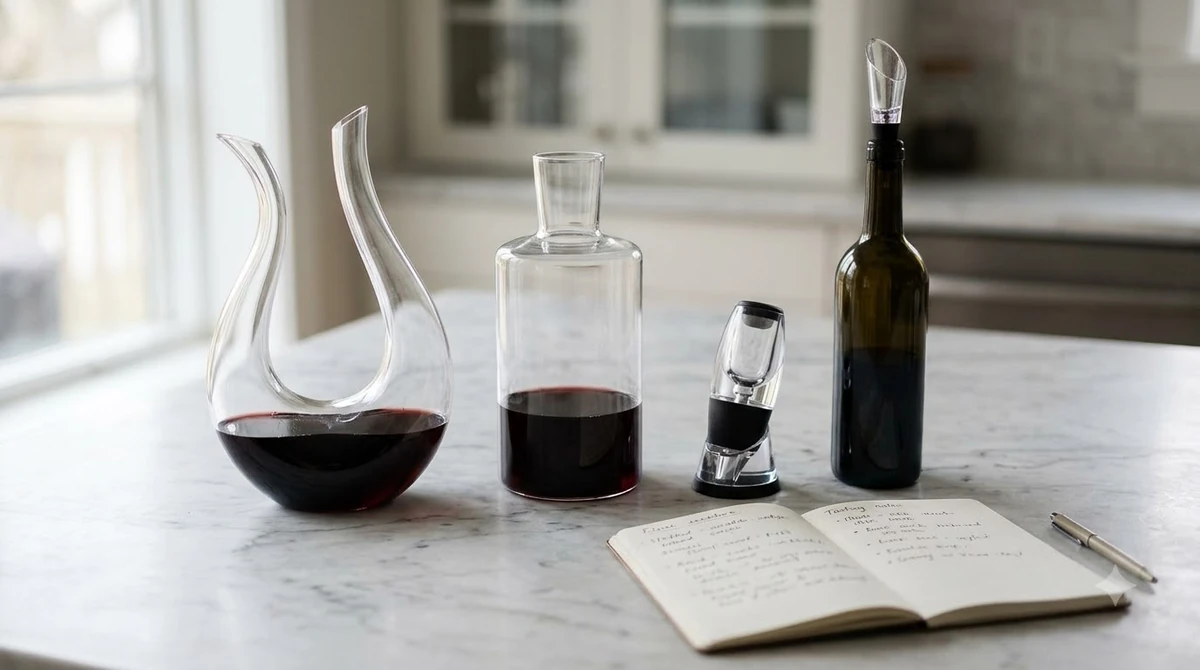
Traditional glass decanter: Choose this for aeration, sediment management, and serving wine from a separate transparent vessel. A broad base is particularly useful for increasing wine’s exposure to oxygen.
Wine aerator: Choose a dedicated aerator if you want to introduce air during pouring without waiting for wine to sit in a large decanter. An aerator and a decanter can serve related purposes, but they are not identical pieces of equipment.
Glassware also deserves consideration. The shape of a wine glass affects how wine is presented and how aromas are directed toward the nose. A YETI tumbler is convenient for casual drinking, but it is not a complete replacement for purpose-designed stemware.
For red wine enthusiasts, a selection of red wine glasses offers a better starting point for regular indoor wine service. For sparkling wine, dedicated champagne flutes provide a different presentation and serving experience.
There is no need to choose one category exclusively. A household that enjoys wine regularly might reasonably own insulated tumblers for outdoor use, conventional glasses for dinner, and one glass decanter for young reds that benefit from additional air exposure.
Frequently Asked Questions
Does YETI make a glass wine decanter?
YETI’s official barware lineup does not list a dedicated glass wine decanter. Its wine-related products focus on insulated drinkware and bottle accessories. A traditional glass decanter from a specialist glassware manufacturer is a better choice for full-bottle aeration.
Can you put red wine in a YETI Rambler tumbler?
Yes, the Rambler 10 oz Wine Tumbler is specifically intended for wine servings. It can accommodate a normal individual pour, and its insulated construction is particularly practical for casual settings. For formal wine evaluation, transparent glassware makes it easier to assess the wine’s visual characteristics.
Does a YETI wine tumbler change the flavor of wine?
Its stainless-steel and ceramic-lined construction does not perform the same function as an aeration system. Temperature can influence how wine’s aromas and flavors are perceived, so maintaining a suitable serving temperature can affect the drinking experience. However, insulation does not replace the oxygen exposure provided by a traditional decanter.
Can you use a YETI wine tumbler for sparkling wine?
You can use a wine tumbler for an individual serving of sparkling wine, although a traditional flute or tulip-shaped glass provides a different presentation. Sparkling wine is generally served around 40 to 50 degrees Fahrenheit. The smaller opening and transparent walls of dedicated sparkling-wine glasses also make it easier to observe the bubbles.
What size decanter is appropriate for a magnum wine bottle?
A standard magnum contains 1.5 liters, which is twice the volume of a standard 750 ml bottle. A decanter intended for a magnum needs enough capacity to accommodate that volume while preserving sufficient room for pouring and aeration. A conventional single-bottle decanter may not provide adequate space.
The search for a YETI decanter highlights an important distinction between durable wine drinkware and equipment designed specifically for decanting. YETI’s Rambler Wine Tumbler and Wine Chiller are practical accessories for casual wine service, but neither replaces a traditional decanter. Choose the Rambler for insulated individual servings, and choose a purpose-built glass decanter when aeration, sediment separation, and traditional wine presentation matter most.
More in Wine Glasses
 Zwiesel Glas Champagne Flutes for Durable Everyday Sparkling WineUpdated Nov 20, 2026
 Vera Wang Crystal Wine Glasses: Design, Quality and Buying AdviceUpdated Nov 20, 2026
 West Elm White Wine Glasses: Compare Designs for Better Everyday Wine ServiceUpdated Nov 20, 2026
 Zalto Stemless Wine Glasses: Discover Their Distinctive DesignsUpdated Nov 20, 2026
 Viski Champagne Glasses That Match Your Style and Sparkling WineUpdated Nov 20, 2026
 Vista Alegre Decanter Review: Crystal Style and Wine ServiceUpdated Nov 20, 2026