


We may earn a commission when you buy through links on this page, at no extra cost to you. Learn more.
Yellow tail moscato food pairing works especially well with spicy Asian dishes, savory appetizers, creamy cheeses, fresh fruit, and light desserts. This sweet white wine has a gentle fizz, 7.5% ABV, and fruit flavors of passionfruit, kiwi, and sweet melon. Its sweetness balances chili heat, while its refreshing character complements salty snacks and fruit-forward dishes. For the best results, serve it chilled and choose foods that complement its sweetness rather than overwhelm its delicate flavors.
Yellow Tail Moscato is an approachable choice for casual dinners, weekend gatherings, appetizers, and relaxed celebrations. Unlike a dry white wine that emphasizes acidity or a heavily structured red that brings noticeable tannin, this Moscato offers a softer, sweeter drinking experience. That makes food selection particularly important. A good match brings contrast, balances sweetness, or echoes the wine’s ripe fruit character. From Thai curry and glazed chicken to Brie, peach tart, and fresh berries, there are plenty of ways to make this bottle work at the table.
Understanding Yellow Tail Moscato’s Sweetness and Flavor Profile
Yellow Tail Moscato is a sweet, lightly sparkling white wine with a fruity aroma and a soft, refreshing finish. Its 7.5% ABV, gentle fizz, and recognizable tropical fruit flavors make it particularly suitable for flavorful dishes that benefit from a touch of sweetness.
The producer identifies white peach, passionfruit, and orange blossom in the aroma, with passionfruit, kiwi, and sweet melon on the palate. These characteristics provide a useful starting point for choosing food. Peach and melon flavors naturally complement fresh fruit, mild cheeses, and lightly seasoned poultry. Passionfruit and tropical fruit notes can also work with ginger, chili, aromatic herbs, and sauces containing a little sweetness.
The wine’s sweetness is its most important pairing characteristic. Rather than expecting it to behave like a dry Sauvignon Blanc or Chardonnay, think of it as a fruity white that can balance salty, savory, and spicy ingredients. Its gentle carbonation adds a refreshing sensation, particularly alongside fried appetizers, creamy foods, and dishes with richer sauces.
Its relatively modest alcohol level also makes it different from many full-bodied white wines. At 7.5% ABV, it offers a lighter drinking experience than many conventional table wines, although its sweetness still makes portion size and food balance important. The producer’s own recommendation is to enjoy it chilled, either on its own or with spicy Asian-inspired food. That recommendation provides a useful foundation for planning a complete meal.
For additional background before choosing a bottle, see our guide to yellow tail moscato alcohol content. Understanding the wine’s strength and sweetness helps establish whether it is better suited to a casual appetizer spread, a spicy main course, or a dessert pairing.
Best Spicy Asian Dishes to Serve With Moscato
Spicy Asian food is one of the strongest matches for Yellow Tail Moscato because the wine’s sweetness softens the sensation of chili heat. Thai curries, spicy noodles, sweet-and-spicy chicken, and flavorful stir-fries are particularly good starting points.

Thai curry: Thai red curry is an especially appealing option. Coconut milk contributes richness, while red curry paste brings chili, garlic, lemongrass, and aromatic spices. The sweetness of the Moscato creates a pleasant contrast with the heat, and its fruit flavors complement the slightly sweet character of coconut-based sauces. Thai green curry can also work, particularly when its heat is balanced with coconut milk and a little palm sugar.
Kung pao chicken: This dish combines chicken, peanuts, dried chilies, soy sauce, and a sweet-savory sauce. The wine’s passionfruit and melon notes provide a fruity contrast to the salty sauce and roasted peanuts. A moderately spicy preparation is preferable to an extremely hot version, because intense chili can overwhelm the wine’s delicate aromas. Serve the chicken with steamed rice to make the combination more balanced.
Sweet chili noodles: Stir-fried noodles with garlic, ginger, vegetables, and sweet chili sauce are another practical choice. The wine complements the sauce’s sweetness, while its gentle fizz provides a refreshing contrast to the noodles’ slightly oily texture. Add sliced bell peppers, scallions, or mushrooms for additional flavor without making the dish excessively heavy.
Singapore chili crab: The combination of crab meat, chili, garlic, and a savory-sweet sauce offers another interesting match. Moscato’s fruitiness works particularly well with the sauce, while the wine’s light body does not dominate the seafood. Keep the chili level moderate so that the delicate crab flavor remains recognizable.
Spicy dumplings: Pork or vegetable dumplings served with chili oil, ginger, and soy-based dipping sauce also make an excellent appetizer. The salty filling contrasts with the wine’s sweetness, and the chili creates a flavor combination that works better than pairing the wine with an entirely mild dish.
The general rule is to use spice as a contrast, not a competition. Alcohol and tannin can amplify chili heat, so the relatively low 7.5% ABV and absence of noticeable red-wine tannin make Yellow Tail Moscato more suitable than a powerful Cabernet Sauvignon for many spicy dishes. Start with medium heat and adjust the sauce to suit the wine.
Chicken, Pork, and Other Savory Main Courses
Yellow Tail Moscato can accompany savory main courses when the preparation includes sweetness, seasoning, or aromatic ingredients. Chicken, ham, roasted pork, and glazed dishes are especially useful choices because their flavors can complement the wine’s ripe fruit character.
Honey-glazed chicken: Roasted or pan-seared chicken with a light honey glaze creates a straightforward pairing. The honey echoes the wine’s sweet character, while the savory chicken provides enough contrast to prevent the combination from becoming entirely sugary. Add rosemary, thyme, or black pepper for extra complexity. Roasted carrots or sweet potatoes make suitable side dishes because their natural sweetness fits the overall flavor profile.
Teriyaki chicken: Teriyaki combines soy sauce, ginger, garlic, and a sweet glaze. These ingredients create a natural connection with Moscato’s tropical fruit notes. Grilled chicken skewers with teriyaki sauce are particularly convenient for casual gatherings. Serve them with steamed rice and lightly seasoned vegetables rather than heavily sweetened side dishes.
Roasted pork: Pork tenderloin with apple glaze, honey, or mild spices can complement the wine’s peach and melon flavors. The meat supplies a savory foundation, while the fruit-based preparation echoes the wine. Avoid heavily smoked or intensely peppered versions if the goal is to keep the pairing delicate and balanced.
Ham and bacon: Salty pork products create an appealing sweet-and-salty contrast. A plate of thinly sliced ham, crisp bacon, and mild crackers can work particularly well for brunch or an informal appetizer spread. Ham-and-cheese croissants are another practical choice because their buttery pastry and savory filling complement the wine’s fruity sweetness.
Quiche Lorraine: This traditional preparation combines eggs, bacon, and a rich filling. The combination of savory meat and creamy texture provides a useful contrast to Moscato. A small serving of quiche alongside a chilled glass makes a pleasant brunch pairing, especially when accompanied by a lightly dressed green salad.
For a simple dinner, consider grilled chicken with a sweet chili glaze, roasted vegetables, and steamed rice. This combination brings together protein, sweetness, savory seasoning, and a little heat. It also allows the wine to remain noticeable instead of competing with heavily seasoned sauces.
Tip: When serving Moscato with a savory main course, include at least one salty, spicy, or savory element. A dish made entirely from sweet ingredients can make the wine seem excessively sugary, while moderate chili, soy sauce, bacon, or seasoned cheese provides a better contrast.
Cheese Boards, Salty Snacks, and Party Appetizers
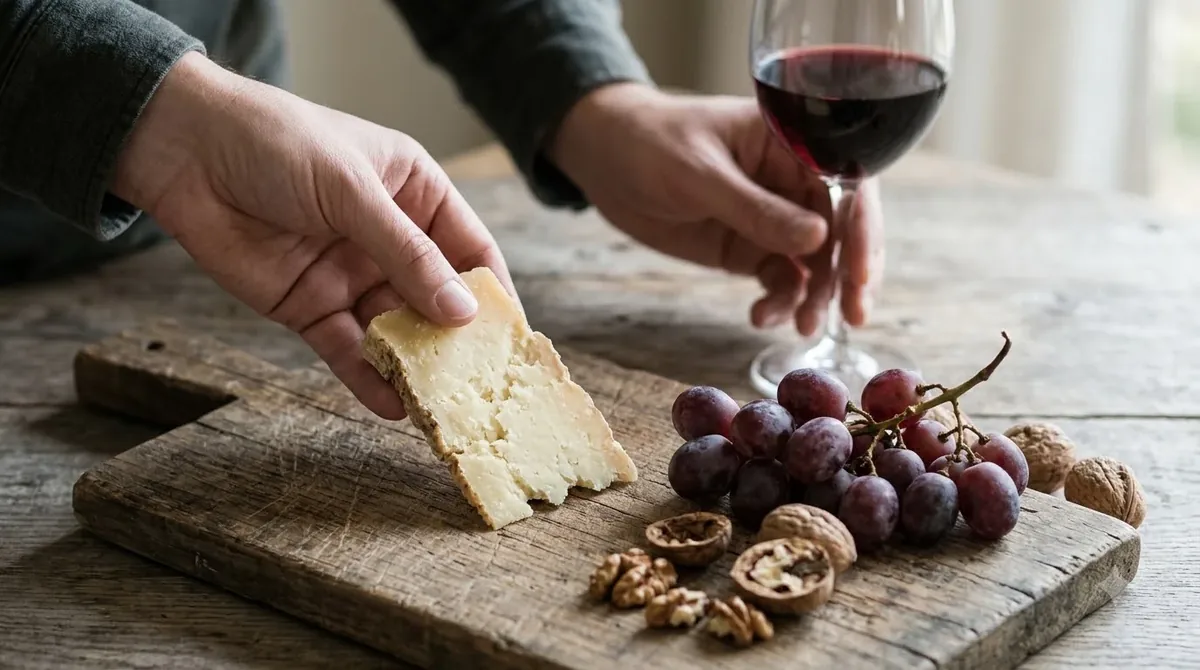
Cheese and savory appetizers are excellent choices for Yellow Tail Moscato because salt and creamy textures create contrast with the wine’s sweetness. A well-balanced snack board can include Brie, blue cheese, cured pork, crackers, nuts, and fresh fruit.
Brie: Soft Brie is a particularly accessible pairing. Its creamy texture and mild buttery flavor complement the wine without overpowering its delicate fruit aromas. Serve small wedges with plain crackers, sliced pears, or green grapes. Avoid covering the cheese with an excessively sweet preserve, since the wine already supplies considerable sweetness.
Blue cheese: Blue cheese offers a stronger contrast. Its salty, savory character can balance the fruitiness of Moscato, creating a combination that works particularly well as a small appetizer. Gorgonzola is a useful option, especially when served with unsalted crackers or fresh pear slices. Because blue cheese can be intense, modest portions are preferable.
Goat cheese: Mild goat cheese provides gentle tanginess that can make the wine taste more refreshing. Try it with toasted baguette slices, cucumber, or a small amount of honey. The contrast between the cheese’s acidity and the wine’s sweetness helps keep each bite interesting.
Prosciutto and cured ham: Thinly sliced cured pork introduces saltiness that complements the wine’s fruit character. Pair prosciutto with melon or ripe pear for a simple appetizer. The combination also makes practical use of Moscato’s natural affinity for fruit-based foods.
Fried appetizers: Lightly fried spring rolls, vegetable fritters, and crispy chicken bites can work well with the wine’s refreshing bubbles. The salty crust creates contrast with sweetness, while the carbonation helps refresh the palate. Choose a moderate seasoning level and avoid excessively oily preparations.
Blue cheese and fruit board: For a more complete appetizer spread, combine Gorgonzola, Brie, green grapes, strawberries, roasted almonds, and plain crackers. This arrangement gives guests several different flavor combinations without introducing ingredients that compete too strongly with the wine.
One useful approach is to include three distinct flavor groups on a cheese board: salty cheese, fresh fruit, and savory meat. This gives guests options depending on whether they prefer sweet-and-salty combinations or softer, fruit-forward bites. A single 750 ml bottle provides approximately five standard 5-ounce glasses, making it convenient to plan portions for a small gathering.
If you are comparing other approachable sweet wines for a gathering, our barefoot moscato food pairing article provides another perspective on choosing dishes for a sweet Moscato style.
Fresh Fruit and Dessert Pairings
Fresh fruit and light desserts complement Yellow Tail Moscato because their flavors echo the wine’s peach, passionfruit, kiwi, and melon characteristics. The most successful desserts are fruity, creamy, or moderately sweet rather than extremely rich or intensely chocolate-based.
Fresh fruit salad: A bowl containing sliced peaches, strawberries, kiwi, melon, and grapes is one of the simplest pairings. Several ingredients echo the wine’s own flavor profile, creating continuity between the food and the drink. A little fresh mint can add an aromatic touch without overpowering the fruit.
Peach tart: Peach tart with a light pastry crust is a natural companion. The peach flavor connects directly with the wine’s aromatic profile, while the pastry introduces a buttery texture. Choose a preparation with moderate sugar rather than a heavily glazed version.
Angel food cake: This light cake is particularly suitable because it does not have the density of a rich butter cake. Serve it with strawberries, raspberries, or sliced peaches. The airy texture allows the wine’s fruit aromas to remain noticeable.
Fruit pavlova: Meringue topped with whipped cream and fresh berries creates an attractive dessert for celebrations. The fruit supplies freshness, while the cream provides a soft texture. Keep the meringue moderately sweet so the wine does not seem less sweet than the food.
Cheesecake: A light cheesecake topped with strawberries, peaches, or passionfruit can also work. The creamy filling complements the wine’s soft palate, and a fruit topping connects the dessert with its tropical aromas. A particularly rich cheesecake with a heavy caramel layer may make the overall combination feel too sweet.
Fruit sorbet: Peach, mango, passionfruit, and melon sorbets are useful alternatives to heavier desserts. Their refreshing textures work with the wine’s gentle fizz, particularly during warm-weather gatherings. Keep the serving small so that the frozen dessert does not overwhelm the wine’s aromas.
The most important dessert rule is to ensure that the wine is at least as sweet as the food. If the dessert contains substantially more sugar, the Moscato can taste thin or less fruity by comparison. For that reason, fresh fruit, angel food cake, and moderately sweet fruit tarts are generally safer choices than dense chocolate desserts or heavily frosted cakes.
Chocolate deserves particular attention. Dark chocolate has bitterness and intensity that can overwhelm this light, fruity white wine. A small piece of white chocolate alongside strawberries may be more compatible, but fruit-based desserts remain the more reliable choice.
For a celebration menu, try peach tart, fresh berries, Brie, and lightly seasoned chicken skewers. These dishes offer several different levels of sweetness and richness, allowing the wine to work throughout the gathering rather than appearing only at dessert.
Serving Temperature, Glassware, and Practical Pairing Tips
Serving temperature has a noticeable effect on Yellow Tail Moscato because excessive warmth can make its sweetness seem heavier, while excessive chilling can reduce the intensity of its fruit aromas. A moderately chilled serving helps preserve its refreshing character and gentle fizz.
For this sweet, lightly sparkling style, aim for approximately 43–50°F. This range keeps the wine refreshing while allowing its white peach, passionfruit, and melon characteristics to remain recognizable. A bottle that has been refrigerated before serving is a convenient starting point, especially for outdoor meals or casual gatherings.
Glassware also influences the experience. A standard white wine glass is a practical choice because its bowl provides room to appreciate the wine’s aromas. A tulip-shaped glass is another suitable option. Neither requires a special occasion, and both work well for the wine’s light sparkle.
The following table provides practical serving and portion guidelines for planning a meal around Yellow Tail Moscato.
| Serving detail | Recommended amount or range | Practical use |
|---|---|---|
| Alcohol content | 7.5% ABV | Producer’s stated figure |
| Serving temperature | 43–50°F | Sweet, refreshing white wine |
| Standard pour | 5 oz | Individual serving |
| Standard bottle | 750 ml | Approximately five 5-ounce glasses |
| Appetizer portion | 2–3 small items | Cheese, crackers, and fruit |
| Chilling approach | Refrigerator before serving | Maintain a consistently cool temperature |
| Leftover storage | Refrigerated, tightly resealed | Best enjoyed within 1–3 days for a sparkling wine |
The temperature recommendation is intended for a refreshing sweet white serving style. If the bottle becomes too cold, allow it to warm slightly in the glass. If it becomes warm during a meal, return it to an ice bucket or refrigerator rather than adding ice directly, which can dilute the wine.
Food temperature matters, too. A chilled Moscato works nicely with fresh fruit, cheese boards, and cold appetizers, while a moderately warm spicy curry provides an interesting contrast. The difference between the temperatures of the food and wine can make the combination more enjoyable, particularly when the dish contains coconut milk, chili, or a sweet-savory sauce.
For a gathering of five people, one standard bottle provides approximately one 5-ounce glass per guest. For a longer meal, plan additional bottles according to the number of courses and individual preferences. Avoid pouring excessively large glasses, as smaller servings help maintain the wine’s cool temperature and gentle carbonation.
Once opened, reseal the bottle securely and refrigerate it. Sparkling wines generally retain their best qualities for approximately 1–3 days after opening, although the exact result depends on how well the bottle is sealed and stored. A sparkling wine stopper can help preserve the remaining carbonation.
These simple steps are enough to make the wine suitable for a range of occasions, from weekend brunch to a casual dinner. The producer’s official Yellow Tail Moscato tasting and serving information also emphasizes chilling the wine and serving it alongside spicy Asian-inspired dishes.
Foods to Avoid and Common Pairing Mistakes
Yellow Tail Moscato is versatile, but its sweetness and relatively light structure mean that some foods are more difficult matches. Very bitter, intensely savory, excessively sweet, or heavily acidic dishes can make the wine seem unbalanced.
Extremely sweet desserts: Desserts with thick frosting, concentrated caramel, or large quantities of sugary syrup can overwhelm the wine. When a dessert is sweeter than the glass, the wine may taste less fruity and more acidic. Choose moderately sweet fruit desserts instead, or select a sweeter dessert wine for particularly rich preparations.
Very bitter chocolate: Dark chocolate with a high cocoa percentage can create an unpleasant contrast with Moscato’s fruit-forward sweetness. The bitterness may dominate the wine’s delicate aromas. If chocolate is part of the menu, a mild white chocolate preparation with strawberries is a gentler alternative.
Very acidic dishes: Foods with strong vinegar or citrus components can make a sweet wine taste less balanced. A heavily lemon-marinated seafood dish or an intensely acidic vinaigrette may overpower the softer fruit flavors. For salads, use a moderate dressing and include creamy or mildly sweet ingredients.
Delicate unseasoned foods: Plain steamed vegetables, lightly seasoned white fish, and other very subtle dishes can be overwhelmed by Moscato’s sweetness. This does not mean those foods cannot be served together, but the wine may dominate the meal. Add ginger, herbs, a little spice, or a savory sauce to create a stronger flavor connection.
Extremely hot chili dishes: Sweetness can soften the sensation of moderate heat, but it does not make unlimited chili intensity disappear. A dish loaded with very hot peppers can overwhelm the wine, particularly when the preparation also contains a strong alcohol-based sauce. Medium-spicy Thai curry, chili chicken, and seasoned noodles are more dependable choices.
Heavy, tannic red-meat preparations: A strongly grilled steak with a pepper-heavy crust and concentrated savory sauce is generally better suited to a structured red wine. Cabernet Sauvignon has high tannin, which creates a different texture and weight from Moscato’s soft, sweet profile. If red meat is on the menu, a lightly seasoned pork dish or chicken preparation will generally be easier to match.
Another common mistake is choosing a wine based only on the cuisine’s name. Not every Asian dish is spicy, not every Mexican dish is hot, and not every dessert is fruity. Focus on the actual ingredients, sweetness, saltiness, acidity, and chili level. A mildly seasoned noodle dish may not provide the same contrast as spicy kung pao chicken, even though both belong to Asian-inspired cooking.
For more ideas about matching different wine styles with food, our Wine Brands section offers additional wine information. You can also compare a different sparkling style with our veuve clicquot yellow label food pairing article, which explores a very different approach to food and wine balance.
Frequently Asked Questions
Is Yellow Tail Moscato made from Muscat grapes?
Moscato is the Italian name commonly used for wines associated with the Muscat grape family. Total Wine identifies more than 200 Muscat grape varieties, clones, and related types. Different members of this family can produce sweet, dry, still, sparkling, and fortified wines.
Is Yellow Tail Moscato the same as Moscato d’Asti?
No. Moscato d’Asti is a specific Italian wine designation associated with Piedmont, while Yellow Tail Moscato is a separate commercial wine. Moscato d’Asti is traditionally known for its gently sparkling character and regional production requirements. The shared Moscato name does not mean the two wines have identical production methods or origins.
Can Yellow Tail Moscato be used in cooking?
Yes. A small amount can be incorporated into fruit-based sauces, poaching liquids, or sweet glazes. Its sweetness makes it more appropriate for fruit and dessert preparations than for dishes that require a completely dry cooking wine. Allow the alcohol to cook off appropriately when preparing a sauce.
Does Yellow Tail Moscato need to be decanted?
No. Moscato is generally intended to be enjoyed young and fresh rather than aged or aerated through lengthy decanting. Opening the bottle and pouring it into a suitable white wine glass is sufficient. Extended exposure to air can reduce the freshness and carbonation that make the style appealing.
Can Yellow Tail Moscato be served at brunch?
Yes. Its fruity sweetness and light sparkle make it suitable for brunch dishes such as fruit salad, quiche, ham croissants, and peach pastries. It can also accompany pancakes served with fresh berries. Its 7.5% ABV distinguishes it from many stronger table wines, although it remains an alcoholic beverage and should be served responsibly.
Yellow Tail Moscato is at its best with foods that balance its sweetness or complement its tropical fruit character. Start with spicy Thai dishes, savory chicken, salty cheese, or fresh fruit desserts, and serve the wine chilled to preserve its refreshing personality. With a few thoughtful ingredient choices, this approachable Moscato can fit comfortably into everything from an informal appetizer spread to a complete dinner.
More in Wine Brands
 Louis Latour Wine Price: Compare Bottles by Style and TierUpdated Nov 20, 2026
 Yellow Tail Moscato Price: What to Expect Before You BuyUpdated Nov 20, 2026
 Sutter Home Sweet Red Review: Find the Right Food PairingsUpdated Nov 20, 2026
 Franzia Chillable Red Review: Find the Right Serving StyleUpdated Nov 20, 2026
 Veuve Clicquot Rose Review: Flavor, Food Pairings and Buying AdviceUpdated Nov 20, 2026
 Rombauer Wine Price: Compare Bottles Before You BuyUpdated Nov 20, 2026