

We may earn a commission when you buy through links on this page, at no extra cost to you. Learn more.
Barefoot Moscato food pairing works best with spicy savory dishes, creamy cheeses, fresh fruit, and desserts that are no sweeter than the wine. Its sweet peach, pineapple, and floral notes meet light, crisp acidity, so it can complement both a mild curry and a fruit tart. Start with food that has some salt, gentle heat, creaminess, or fresh fruit rather than heavy bitterness or intense chocolate.
Barefoot’s own Moscato description identifies the wine as sweet and lively, with aromas of pineapple and orange blossom and notes of peach, honey, and lemon zest. That profile gives you a useful starting point: match its fruit with fruit, let its sweetness soften chile heat, and use its acidity to keep richer bites from feeling too heavy. The ideas below focus on the still white Barefoot Moscato, not every wine that carries the Moscato name.
Why Barefoot Moscato Works With Sweet-and-Savory Food
Barefoot Moscato is a sweet white wine with a light, crisp edge, which makes it more flexible than a dessert-only label suggests. Its peach and pineapple character suits fruit-forward dishes, while orange blossom and lemon zest give it enough aromatic lift for salty snacks and gently spiced meals.
The balance matters more than sweetness alone. Sweetness can soften the impression of chile heat, while acidity refreshes the palate after creamy or fried food. That is why a glass can make sense with a spicy chicken wrap or a plate of soft cheese, even though those dishes are not desserts. Wine Enthusiast’s Moscato guide also describes still, sweet Moscato as a good partner for fruit tarts, soft cheeses, and spicy dishes such as General Tso’s chicken. Its guide distinguishes these easygoing still styles from sparkling Moscato d’Asti and dry Muscat wines, which can behave differently at the table.
Keep the wine’s weight in mind. Barefoot Moscato is not a bold, oak-aged white meant to overpower a main course; it is better alongside dishes with clear, bright flavors. Think ginger, citrus, ripe fruit, mild herbs, cream, and a moderate amount of spice. Very bitter greens, heavily charred food, and dense cocoa desserts can make the wine seem simpler or sweeter by comparison.
Best Main Dishes for Barefoot Moscato Food Pairing
The most reliable main-course matches are spicy or aromatic dishes with a little sweetness, as well as lighter proteins dressed with fruit, citrus, or herbs. Choose recipes where the wine’s peach-and-citrus profile has something to connect with instead of asking it to stand up to heavy smoke or aggressive bitterness.
For poultry, try grilled chicken with mango salsa, orange-glazed chicken, ginger chicken lettuce cups, or mildly spicy General Tso’s chicken. The fruit in a glaze or salsa links with the wine’s peach and pineapple notes, while the Moscato’s sweetness eases a touch of chile. A roast chicken sandwich with apple slices and a mild creamy dressing can work for the same reason. Keep black pepper and hot sauce measured so the wine stays refreshing rather than seeming sugary.
Pork is another useful direction. Serve it with a peach chutney, pineapple relish, a mild barbecue glaze, or a ginger-soy marinade. The wine’s fruit complements the sauce, and its acidity provides a fresher finish after a richer bite. Shrimp tacos with mango, grilled scallops with citrus, or a mild coconut fish curry can also work, especially when the seasoning leans toward lime, ginger, cilantro, or lemongrass.
For vegetarian meals, consider vegetable tempura, coconut rice with roasted squash, mild Thai vegetable curry, or a sesame-ginger noodle bowl. Crisp fried textures give the wine’s acidity something to refresh, while aromatic ingredients echo the wine’s floral character. Avoid making the dish very bitter with charred kale or burnt spices; that contrast can make a sweet white taste clumsy.
Spicy Asian and Latin Dishes
Sweet Moscato is particularly useful with dishes that have noticeable chile heat, fragrant aromatics, or a sweet-salty sauce. The wine’s sweetness can soften moderate spice, but it does not erase heat, so keep the dish’s intensity below the point where alcohol and spice begin to dominate the pairing.
For Thai food, match Barefoot Moscato with chicken satay, fresh spring rolls, mild green curry, pad Thai, or a mango salad with a restrained chile dressing. Peanut sauce, coconut milk, lime, basil, and lemongrass give the meal contrasting textures and aromas without burying the wine. With Vietnamese food, try grilled pork vermicelli bowls, shrimp summer rolls, lemongrass chicken, or lightly spicy caramelized fish. Use plenty of herbs and lime, and keep the fish sauce and chile in balance.
Chinese-American favorites also offer easy options: General Tso’s chicken, orange chicken, sweet-and-sour vegetables, or mild sesame noodles. The sauce’s touch of sweetness mirrors the fruit in the glass, while the wine can soften ginger and chile. For Korean-inspired food, choose mild bulgogi lettuce wraps or gochujang-glazed chicken with a restrained amount of paste. Latin dishes can work when fresh fruit and gentle chile lead: try shrimp or chicken tacos with pineapple salsa, grilled corn with lime, chicken tinga with mild seasoning, or a black bean bowl topped with mango and cilantro. Very hot kimchi stew or heavily peppered dishes may overwhelm the Moscato; alcohol can make chile heat feel more pronounced, so keep the peppers moderate. For a broader comparison of sweet, approachable bottles, see yellow tail moscato food pairing; the best choice still depends on the particular wine’s sweetness and acidity, not the name alone.
Cheese Boards, Appetizers, and Salty Snacks
Soft, creamy, and lightly salty foods are reliable companions because they balance the wine’s sweetness without competing with its delicate fruit. Build a small board around two cheeses, one salty snack, and fresh fruit instead of filling it with sharp, bitter, or heavily smoked flavors.
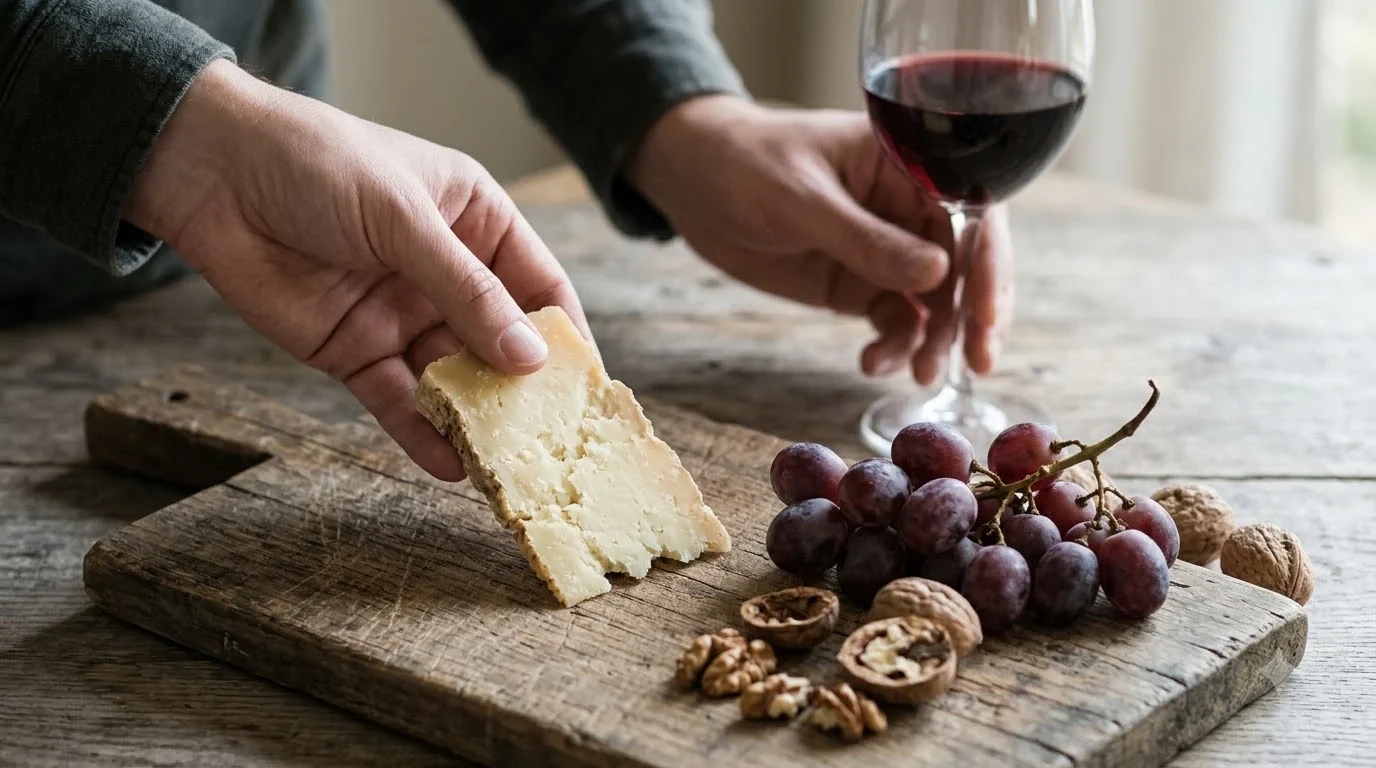
Start with Brie, Camembert, fresh goat cheese, or a mild blue cheese in a modest portion. Creamy textures soften the contrast with sweet wine, while a little salt makes the fruit notes seem more vivid. Serve the cheese with ripe pear, peach wedges, green grapes, or melon. A spoonful of honey is optional; because the wine is already sweet, use only a little and avoid turning the board into a dessert course.
For appetizers, consider prosciutto-wrapped melon, mild chicken skewers, shrimp cocktail with a not-too-hot sauce, baked brie with pear, or crostini topped with ricotta and peach. Salted almonds, cashews, pita chips, and lightly seasoned popcorn are practical casual snacks. A small serving of olives can also work, especially when paired with bread or cheese to moderate their briny intensity.
Charcuterie is possible, but choose delicate items. Thinly sliced ham, mild prosciutto, and turkey pâté are easier matches than heavily peppered salami or very smoky sausage. Decanter’s overview of Moscato pairings likewise points to cheese and charcuterie for sweeter styles, while distinguishing those from dry Muscat matches such as smoked fish and lighter terrines. For a party, set out a few mild and salty options and let guests build bites rather than relying on one strongly flavored centerpiece.
Fruit, Pastries, and Dessert Pairings
Fresh fruit and lightly sweet desserts make natural partners for Barefoot Moscato because they echo its peach, pineapple, honey, and citrus profile. The key rule is to serve a wine that is at least as sweet as the dessert; a very sugary cake can make a moderately sweet wine taste thin or tart.
Fresh peaches, nectarines, strawberries, melon, pineapple, and ripe pears are easy choices. A fruit salad with mint and a squeeze of lemon provides freshness, while a peach galette or apple tart brings enough pastry richness to make the wine feel like part of a complete dessert. Lemon bars, key lime pie, vanilla panna cotta, and fruit sorbet can also work when their sweetness is moderate and their acidity is lively. Avoid adding a heavy chocolate sauce or a bitter espresso topping.
Cream-based desserts are often a better match than dense chocolate desserts. Try vanilla custard, rice pudding with cinnamon, coconut pudding, shortcake with berries, or a simple sponge cake topped with peaches. Coconut macarons and almond cookies can also complement the wine’s fruit character. Keep portions modest: intensely sweet frosting, caramel-heavy brownies, and dark chocolate ganache can overwhelm the wine’s lighter profile.
For a mixed dessert platter, choose two or three items that share a flavor family, such as peach tart, vanilla cookies, and strawberries. That gives the wine a clear connection without forcing it to match unrelated flavors. If the dessert is sweeter than the wine, serve a sweeter dessert wine instead of trying to make this bottle do a job it cannot do. A similar principle applies to sweet reds: the 7 deadly zins food pairing discussion can help readers compare a fruit-forward red with richer barbecue or savory food, rather than treating every sweet-leaning wine as interchangeable.
Serving Temperature, Glassware, and a Simple Menu Plan
Serve Barefoot Moscato chilled so its sweetness feels refreshing and its fruit stays lively. For a sweet white, aim for 43–50°F; a bottle that is too warm can seem heavier, while an extremely cold pour can mute its peach and floral aromas.
Refrigerate the bottle for a few hours before serving, or use an ice bucket for a shorter chill. Pour a modest 5-ounce serving in a white-wine glass, leaving room to notice the aromas; a flute is not necessary because this still white style does not depend on bubbles. Plan a casual menu around one savory course and one small dessert: Brie, pear slices, and salted almonds to start; ginger-lime chicken with rice and cucumber salad for dinner; then peach tart. Another easy menu is shrimp summer rolls, mild pad Thai, and fresh mango with vanilla yogurt.
| Serving detail | Useful number | How to use it |
|---|---|---|
| Sweet-white serving temperature | 43–50°F | Chill before pouring to keep the wine lively. |
| Typical pour | 5 oz | Use a measured pour for a small tasting or meal pairing. |
| 750 ml bottle yield | About 5 glasses | Plan on five standard 5-ounce servings. |
| Opened still wine, refrigerated | 3–5 days | Reseal the bottle and keep it cold between pours. |
Tip: Chill the bottle to about 45–48°F, then pour a small glass with one bite of food before serving the full meal. If the wine tastes too sweet, add a brighter, saltier, or more acidic element to the dish; if the food tastes too hot, reduce the chile rather than serving the Moscato warmer.
After opening, reseal the bottle and refrigerate it. For best freshness, plan to finish a still white within 3–5 days; aromatic fruit notes can fade as air contacts the wine. Store an unopened bottle on its side in a cool, dark place near 55°F if it has a cork, and avoid leaving it in a warm kitchen or in direct sun. Readers who also serve red wine can compare this lighter white with alamos malbec food pairing; for more background on choosing bottles by style, see Wine Brands.
Frequently Asked Questions
These quick answers cover serving choices and useful distinctions that can change how the wine fits into a meal. They also help prevent common mix-ups between still Moscato, sparkling Moscato, and other Muscat-based wines.
What bottle sizes does Barefoot list for Moscato?
The producer lists six formats: 187 ml, 200 ml, 500 ml, 750 ml, 1.5 liters, and 3 liters. That range includes small single-serve formats as well as larger bottles for sharing.
Can I serve Barefoot Moscato at brunch?
Yes. Try it with fruit salad, French toast topped with berries, mild breakfast sausage, or a ham-and-egg pastry. Keep maple syrup and sweet toppings moderate so the food does not out-sweeten the wine.
Can I turn Barefoot Moscato into a spritzer?
Yes. Mix 3 ounces of chilled Moscato with about 2 ounces of sparkling water over ice, then add a strip of orange peel. The unsweetened bubbles lengthen the drink without adding extra sugar, while citrus picks up the wine’s lemon-zest note.
Does Moscato always come from Italy?
No. Muscat grapes are grown in countries including the United States, France, Spain, and Australia. The grape family appears in many styles, so the country and the wine’s sweetness level both matter when choosing food.
Is Moscato d’Asti the same style as Barefoot Moscato?
No. Barefoot’s US product page describes a still sweet white wine, while Moscato d’Asti from Piedmont is lightly sparkling and typically around 5 to 6 percent alcohol by volume. Both belong to the Muscat family, but their texture and alcohol levels differ.
Barefoot Moscato is easiest to pair when the meal has fresh fruit, gentle spice, salt, or a creamy texture. Chill it well, start with a small taste alongside the food, and keep dessert sweetness in balance with the wine. For a relaxed dinner or snack board, simple ingredients and moderate seasoning will usually serve the bottle best.
More in Wine Brands
 Louis Latour Wine Price: Compare Bottles by Style and TierUpdated Nov 20, 2026
 Yellow Tail Moscato Price: What to Expect Before You BuyUpdated Nov 20, 2026
 Sutter Home Sweet Red Review: Find the Right Food PairingsUpdated Nov 20, 2026
 Franzia Chillable Red Review: Find the Right Serving StyleUpdated Nov 20, 2026
 Veuve Clicquot Rose Review: Flavor, Food Pairings and Buying AdviceUpdated Nov 20, 2026
 Rombauer Wine Price: Compare Bottles Before You BuyUpdated Nov 20, 2026