

We may earn a commission when you buy through links on this page, at no extra cost to you. Learn more.
Yellow Tail Jammy Red is a sweet, fruit-forward Australian red blend made from Shiraz, Cabernet Sauvignon, and other red varietals. Its defining flavors are juicy red berries, vanilla, and chocolate, with aromas of forest fruits and strawberries and cream. At 12% alcohol by volume, it is an approachable option for drinkers who prefer a softer, noticeably fruity red over a dry, restrained style. Serve it lightly chilled or cool, and pair its sweetness with smoky barbecue, salty cheeses, and desserts that are at least as sweet as the wine.
Jammy Red is designed around a clear flavor idea rather than a particular vineyard or single grape: ripe fruit, sweetness, and an easygoing profile. The guide below explains what its blend means, how sweet it tastes, how to serve it, and which foods make the best partners.
What Is Yellow Tail Jammy Red?
Yellow Tail Jammy Red is a sweet-tasting Australian red wine blend from the Yellow Tail range. The producer’s Yellow Tail Jammy Red product page describes it as a combination of Shiraz, Cabernet Sauvignon, and other red varietals, so it is not a single-grape Shiraz or Cabernet. That broad blend gives the winemaker room to build a consistent, fruit-forward style instead of presenting the wine as an expression of one named vineyard or one vintage.
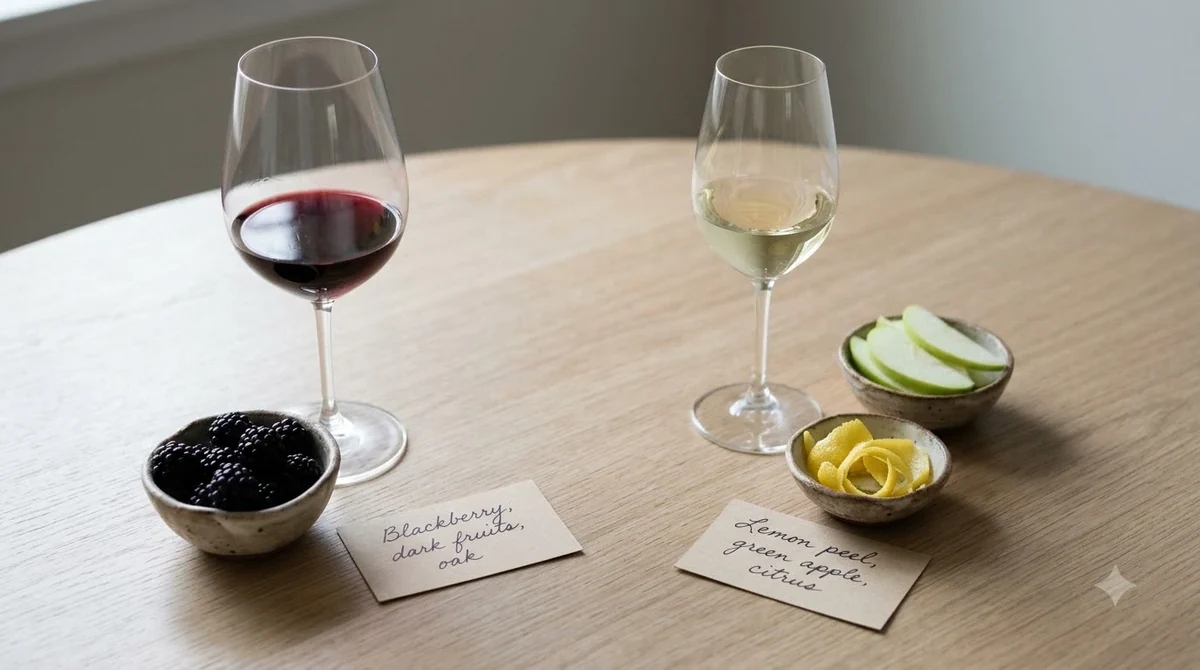
The producer’s tasting description points to forest fruits, strawberries and cream, and a vanillin undertone on the nose. On the palate, it highlights juicy red berries, vanilla, and chocolate. Those notes give a useful picture of the intended style: ripe fruit at the center, with sweet-smelling vanilla and cocoa-like flavors around it. The language is a flavor description, not a promise that every drinker will identify the same aromas in every glass.
The word “jammy” is a helpful shorthand for concentrated, ripe-fruit character. In this bottle, the name matches the producer’s emphasis on sweet, vibrant berry flavors rather than tart red fruit, earthy notes, or firm, dry structure. It is a style for casual meals and relaxed occasions, including a cookout, a simple cheese board, or a glass served slightly cool on a warm evening. Someone seeking a bone-dry red with pronounced acidity and savory complexity may prefer a different bottle.
Flavor, Sweetness, and Body
Expect a clearly sweet impression, prominent red-fruit flavor, and a soft overall feel rather than the dry, grippy finish associated with many traditional Cabernet-led reds. The most useful flavor references are ripe strawberries, mixed forest berries, vanilla, and chocolate, all named in the producer’s description. Think fruit-forward rather than austere: the wine is meant to make its fruit easy to recognize.
Sweetness and fruit flavor are related, but they are not identical. A wine can smell or taste ripe because of berry, vanilla, or chocolate-like aromas, even when its residual sugar level is not especially high. Decanter explains that ripe or jammy fruit flavors can create an impression of sweetness independently of the wine’s actual residual sugar. In Jammy Red’s case, however, the producer also explicitly calls the style sweet-tasting, so the expectation should be of noticeable sweetness rather than a dry red dressed up with fruity aromas.
The producer does not provide a residual-sugar figure on its product description, so it is better not to assign the wine an exact number of grams per liter or a technical sweetness category. Let the tasting description guide the expectation: juicy berries and a sweet, vibrant profile. If you usually drink dry Cabernet Sauvignon, Syrah, or Pinot Noir, this will likely taste sweeter and less driven by savory or earthy details. If you already enjoy fruit-forward reds, it will sit comfortably in that familiar lane.
Grape Blend and Alcohol Content
The listed blend includes Shiraz, Cabernet Sauvignon, and additional red grape varieties, but the producer does not publish the percentage of each component in the product description. That distinction matters: the wine should be described as a red blend, not as a Shiraz-Cabernet wine made in equal proportions. The blend gives a broad indication of grape families, while the actual balance remains the winemaker’s decision.
Shiraz is often associated with dark or red berry fruit and a fuller impression, while Cabernet Sauvignon commonly brings firmer tannin and structure. Those are general grape tendencies, not a technical tasting analysis of this particular bottle. The sweet, fruit-led house style can make the wine feel more approachable than a dry, tannic Cabernet Sauvignon on its own. It is also a useful reminder that grape names alone do not tell you whether a finished wine will be dry or sweet.
The listed alcohol level is 12% ABV. That is the figure given on the producer’s product page, and it is useful for comparing this red with other bottles in the range. For more details on the brand’s alcohol figures across different styles, see our page on yellow tail wine alcohol content. Those comparisons are especially useful if you are choosing between a red blend, a white wine, or a sweeter Moscato; the grape variety and sweetness description will affect flavor, while ABV tells you the concentration of alcohol by volume.
Best Serving Temperature and Glassware
Serve Jammy Red cool rather than warm, and adjust the temperature to your preference after the first pour. The producer says the wine can be served chilled, while general red-wine guidance favors a cooler range for lighter styles and a slightly warmer range for fuller-bodied reds. A modest chill can make a sweet, fruit-forward red feel fresher, but serving it very cold can mute some of its aromas.
| Serving approach | Temperature | When to use it |
|---|---|---|
| Lightly chilled | 55–60°F | For a fresher, more refreshing glass or warm-weather serving |
| Cool cellar style | 60–65°F | For a little more aroma and a rounder impression |
| Short refrigerator chill | 10–20 minutes | A practical starting point if the bottle is sitting at a warm room temperature |
| Pour size | 5 oz | A standard tasting portion that leaves room in the glass for aromas |
For a simple routine, place the bottle in the refrigerator for a short period, pour a small glass, and let it warm gradually if the aromas seem muted. Decanter’s guide to red-wine serving temperatures notes that serving red wine too warm can make alcohol seem more prominent and can suppress freshness; its suggested ranges are about 54–56°F for light-bodied reds, 57–61°F for medium-bodied reds, and 61–64°F for full-bodied reds. Jammy Red is a sweet blend rather than a classic dry, full-bodied red, so begin with a light chill and use your own preference to decide whether to let it warm. A VinePair interview with sommelier Zach Geballe also explains that chilling can mute aromas and make a wine’s tannin, acidity, and sweetness seem more pronounced, which is another reason to aim for cool rather than icy.
Tip: Chill the bottle briefly, not for hours. A small temperature adjustment is usually enough to take the edge off a warm room-temperature bottle without hiding its berry, vanilla, and chocolate aromas.
A standard red-wine glass is suitable; there is no special glass requirement for this style. Choose a bowl that is wide enough to let the wine move when you swirl it, but avoid filling the glass to the rim. A 5-ounce pour in a typical wine glass gives you room to smell the wine before sipping. If you prefer a more casual presentation, a sturdy tumbler also works for a backyard meal, especially when the wine is served cool.
Food Pairings for Jammy Red
Pair Jammy Red with savory, smoky, salty foods that can stand up to its ripe-fruit sweetness. The producer specifically recommends barbecue, and that is a natural starting point: grilled sausages, barbecue chicken, pulled pork, and charred vegetables bring smoke, salt, and browned flavors that contrast with berries and vanilla. Keep sauces moderately sweet so the meal does not make the wine seem flat or cloying.
Cheese is another practical match. Try aged Cheddar, Gouda, or a salty blue cheese with crackers, nuts, and cured meats. Salt and fat can soften the perception of tannin in red wine, while the wine’s sweetness can meet the savory richness of the food. For a simple board, use one firm cheese, one creamy cheese, cured salami, toasted nuts, and a few slices of apple; the combination gives the wine several flavors to meet without overwhelming it with hot spice.
For dessert, choose something at least as sweet as the wine. Chocolate brownies, chocolate cake, or dark-chocolate bark with berries are more reliable matches than a very sweet frosting-heavy cake that would make the wine seem dry by comparison. The producer specifically calls out chocolate among the wine’s flavors, so a chocolate dessert echoes the profile rather than fighting it. Fresh strawberries with a drizzle of sweet chocolate sauce can also work when you want a lighter finish.
Be more cautious with very hot chili dishes. Alcohol and tannin can make chili heat feel more intense, so a fiery pepper sauce may overwhelm the wine rather than balance it. A mildly spiced barbecue glaze is a safer choice than a dish built around intense habanero or ghost pepper heat. Also avoid treating every red wine as a match for every fish dish: oily fish can clash with tannic reds, and a crisp white wine is usually a more flexible option for salmon or tuna served simply.
Bottle Formats, Pouring, and Storage
A 750-milliliter bottle gives about five standard 5-ounce pours. That makes it easy to plan for a small dinner: one bottle serves roughly five people a single glass each, while a second bottle is sensible if guests want another pour or the meal will run for several hours. For a tasting with other wines, smaller pours let people compare styles without committing to a full glass of each.
The producer’s UK product listing also identifies a 187-milliliter mini format for Jammy Red Roo. That is a useful single-serving size, although availability and naming can differ by market. If you are comparing a mini bottle with a regular 750-milliliter bottle, the larger format contains just over four mini-bottle volumes. The small format can be convenient for a picnic or a one-glass occasion, while the full bottle is more practical for a shared meal. For readers comparing the rest of the Yellow Tail range, our guides to yellow tail chardonnay alcohol content and yellow tail moscato alcohol content explain how the brand’s white and sweeter styles differ in alcohol level. You can also browse the broader Wine Brands section for background on other producers and labels.
Store an unopened bottle away from direct sunlight and heat, ideally in a cool, steady place near 55°F. If the bottle has a natural cork, store it on its side so the cork stays in contact with the wine; for a screw-cap bottle, a stable cool location still matters more than its position. Once opened, reseal the bottle and refrigerate it. Most opened still wines keep for about three to five days in the refrigerator, although the fruit character may become less vivid as air exposure continues. After chilling an opened bottle, let the wine sit briefly after pouring if it seems too cold. The same approach works when the bottle has been refrigerated overnight: a few minutes in the glass can soften the chill and bring berry and vanilla aromas forward. A simple stopper is helpful, but it does not stop oxidation completely. If the remaining wine starts to smell tired or tastes noticeably flatter than it did on the first day, it is past its best quality.
Frequently Asked Questions
These quick answers cover details that are easy to miss when comparing bottles, including a 187-milliliter mini format, the 12% ABV listing, regional naming, and how to use the wine beyond a simple glass. The producer’s descriptions are the best guide to the blend and intended flavor, while the figures below put the bottle into context.
Does “jammy” mean sugar was added?
Not by itself. In wine language, “jammy” usually describes a ripe-fruit impression, and very ripe fruit aromas can suggest sweetness even in a dry wine. Here, the producer also calls Jammy Red sweet-tasting, but its product description does not state a residual-sugar figure or identify a sugar-addition method.
Is Jammy Red Roo a different wine from Jammy Red?
The producer’s UK website uses the name “Jammy Red Roo,” while its Australian shop lists “Jammy Red.” Both pages describe a blend of Shiraz, Cabernet Sauvignon, and other red varietals at 12% ABV. The name shown on a bottle can therefore depend on the market where it is sold.
Is Jammy Red sold as a vintage-specific wine?
The producer’s product description does not give a harvest year or a vintage designation. That means the product information identifies the wine by its brand and style, rather than pointing readers to a particular growing season. Retail listings may display a vintage or stock detail separately, but that information is not included in the producer’s flavor description.
How much pure alcohol is in a 750-milliliter bottle?
At 12% ABV, a 750-milliliter bottle contains about 90 milliliters of pure alcohol by volume. That figure is a simple volume calculation: 12% of 750 milliliters. It describes the whole bottle, not an individual glass.
Can you use Jammy Red in a cocktail?
Yes. The producer specifically suggests using it in a favorite cocktail recipe as well as serving it with barbecue. Its berry, vanilla, and chocolate profile can suit a simple red-wine spritz or a fruit-forward punch, where citrus and sparkling water can add freshness. Start with a small batch so you can adjust the sweetness before making a larger pitcher.
Yellow Tail Jammy Red is best understood as a sweet, berry-led red blend, not as a dry Cabernet or a wine with a published single-variety recipe. A light chill, a savory barbecue plate, or a chocolate dessert will bring its fruit-forward character into focus. Choose it when that generous, sweet style is what you want in the glass.
More in Wine Brands
 Louis Latour Wine Price: Compare Bottles by Style and TierUpdated Nov 20, 2026
 Yellow Tail Moscato Price: What to Expect Before You BuyUpdated Nov 20, 2026
 Sutter Home Sweet Red Review: Find the Right Food PairingsUpdated Nov 20, 2026
 Franzia Chillable Red Review: Find the Right Serving StyleUpdated Nov 20, 2026
 Veuve Clicquot Rose Review: Flavor, Food Pairings and Buying AdviceUpdated Nov 20, 2026
 Rombauer Wine Price: Compare Bottles Before You BuyUpdated Nov 20, 2026