

We may earn a commission when you buy through links on this page, at no extra cost to you. Learn more.
The best yakima valley wineries offer an impressive range of Washington wines, from structured Cabernet Sauvignon and Syrah to refreshing Riesling and Chardonnay. For a first visit, start with Gilbert Cellars and Kana Winery in Yakima, then explore Owen Roe Estate and Treveri Cellars near Wapato. Visitors looking for vineyard scenery and distinctive regional wines should also consider the Zillah, Rattlesnake Hills, Prosser, and Red Mountain areas.
Yakima Valley is one of Washington’s most important wine-growing regions, but its appeal goes beyond its established reputation for red wines. Its different elevations, soils, and growing conditions support an unusually broad selection of grapes. That makes the region rewarding for visitors who enjoy comparing wine styles, discovering smaller producers, and learning how vineyard locations influence the finished bottle. This guide explains which wineries and tasting areas deserve attention, how to organize a visit, and what to look for when choosing Yakima Valley wines to enjoy at home.
Who This Is For: Wine Lovers Exploring Yakima Valley
The best Yakima Valley winery visits depend on what you want from a tasting experience. The region suits visitors interested in both familiar international grape varieties and less common Washington wines, with options ranging from downtown tasting rooms to rural vineyard properties.
First-time visitors can begin in Yakima, where Gilbert Cellars and Kana Winery provide convenient starting points. According to Yakima Valley Tourism, Gilbert Cellars is located at 2620 Draper Road, while Kana Winery is at 10 South 2nd Street. Their locations make them useful stops for travelers who prefer to explore tasting rooms without immediately committing to a longer countryside drive.
Visitors who want a more vineyard-oriented experience can expand their itinerary toward Wapato, Zillah, and the Rattlesnake Hills. Owen Roe Estate and Treveri Cellars are listed in the Wapato area, while the Zillah region offers several additional producers. These destinations help demonstrate how varied the valley is, particularly for travelers interested in comparing different vineyard environments.
Yakima Valley also appeals to wine drinkers who usually choose California or Oregon bottles. Washington’s combination of warm summer days and cool nights can produce ripe fruit flavors while preserving acidity. If you already enjoy exploring the best Napa Valley wineries, Yakima Valley provides an interesting alternative, particularly if you want to compare Cabernet Sauvignon, Merlot, and Chardonnay from different growing regions. Travelers interested in Oregon’s cooler-climate wines can also compare their preferences with the best Willamette Valley wineries, especially when exploring Pinot Noir and Chardonnay.
Yakima Valley is also a useful destination for people who enjoy white wine. Chardonnay and Riesling are leading regional varieties, and the cooler parts of the appellation are particularly important for their production. Travelers who normally concentrate on red wines may find that a mixed tasting flight gives them a better understanding of the region than a red-only selection. For a broader comparison of American wine destinations, the best Hudson Valley wineries offer another perspective on regional wine styles and tasting experiences.
Key Factors to Compare When Choosing Yakima Valley Wineries
Choosing a winery involves more than selecting a familiar name. Consider the tasting-room location, grape varieties, vineyard setting, and the amount of time available for each stop.
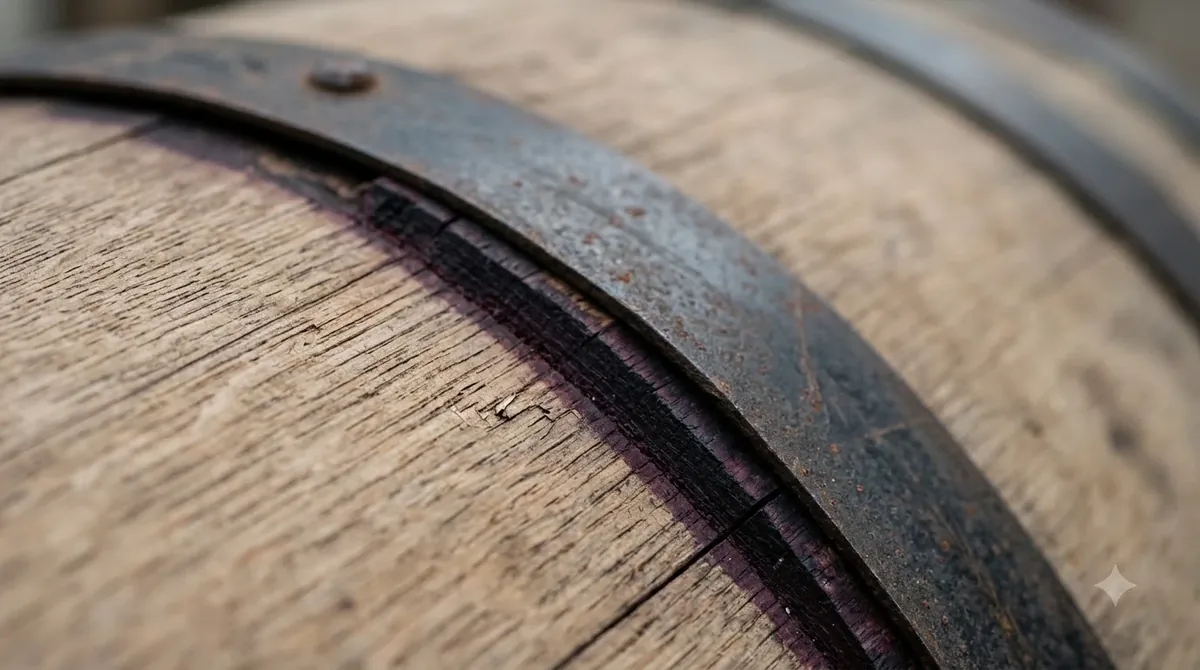
One important consideration is geography. The Yakima Valley AVA covers approximately 665,600 acres, according to the Washington State Wine Commission. It is a large appellation with distinct growing areas, so wineries that appear close together on a regional list may require more driving than expected. Planning around one area at a time makes a visit more comfortable.
Wine selection is another useful comparison point. Some visitors want to focus on traditional Washington reds, especially Cabernet Sauvignon, Merlot, and Syrah. Others prefer Chardonnay, Riesling, Sauvignon Blanc, or sparkling wines. Treveri Cellars is a particularly useful name to investigate if sparkling wine is part of the itinerary, while the broader Yakima Valley producer directory offers opportunities to compare several still-wine styles.
The following table provides a practical starting point. These are regional planning categories rather than tasting scores or claims that one producer is objectively superior to another.
| Winery or area | Location | Best reason to consider it | Planning focus |
|---|---|---|---|
| Gilbert Cellars | Yakima | Convenient winery visit | Downtown and city-area itinerary |
| Kana Winery | Yakima | Urban tasting-room stop | Downtown Yakima |
| Owen Roe Estate | Wapato | Winery visit outside central Yakima | Rural wine country |
| Treveri Cellars | Wapato | Sparkling wine exploration | Wine-focused countryside visit |
| Wilridge Vineyard, Winery and Distillery | Yakima | Wine and vineyard-related experiences | Yakima-area itinerary |
| Zillah and Rattlesnake Hills | Zillah area | Multiple winery choices | Rural tasting route |
| Red Mountain area | Southeast of the central valley | Cabernet Sauvignon, Merlot, and Syrah | Structured red wine exploration |
Another consideration is the experience itself. A downtown tasting room may be convenient for a short visit, while an estate setting can offer a different connection to the surrounding landscape. Some wineries emphasize tasting flights, while others may have special events, food offerings, or vineyard experiences. Those details can change by season and day of the week.
For additional context, the Washington State Wine Commission’s Yakima Valley AVA profile explains the region’s geography, principal grapes, and growing conditions. It is a useful resource when comparing wines from different parts of the appellation.
Finally, consider your preferred wine structure. Cabernet Sauvignon generally has high tannin, Merlot tends to have softer, medium tannin, and Pinot Noir usually has lower-to-medium tannin with higher acidity. These differences help you decide which tasting flights will be most informative. Readers who want more guidance on comparing grape varieties, labels, and wine styles can also consult the site’s wine-buying guide.
Step-by-Step: How to Plan a Yakima Valley Winery Visit
A successful wine-country itinerary begins with choosing a geographic area rather than trying to visit every well-known producer. Allow enough time for tasting, food, and transportation, and keep the number of stops manageable.
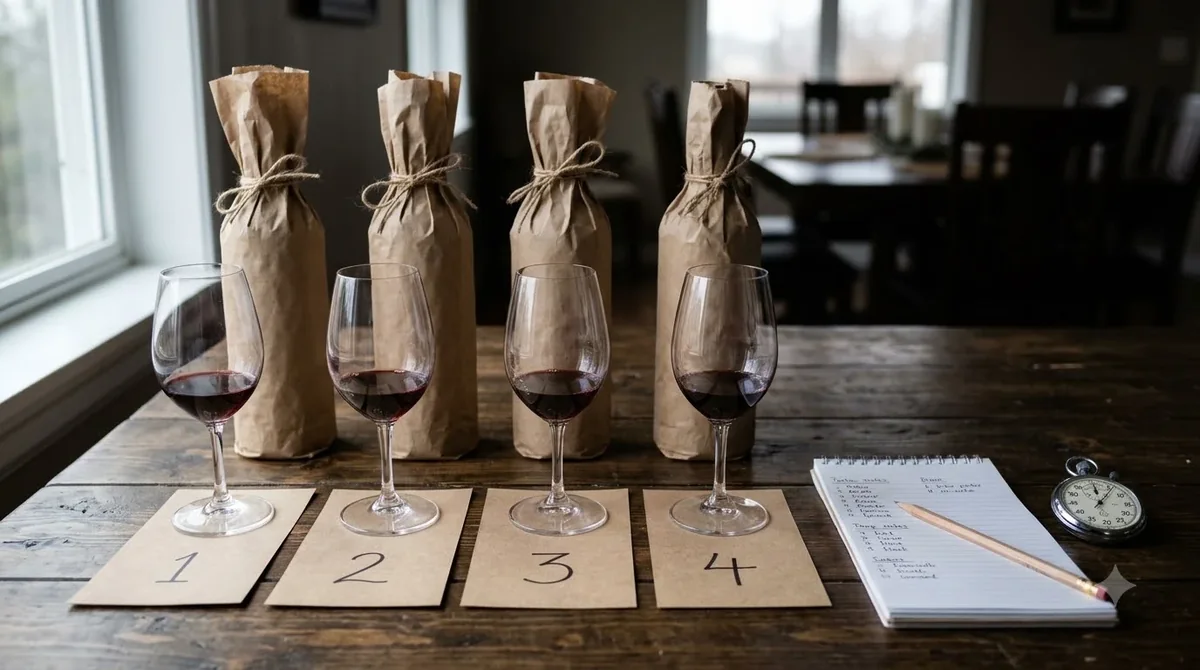
Use this process to organize a first trip:
-
Choose your starting point.
Yakima is a practical base for visitors who want convenient access to city tasting rooms. Gilbert Cellars and Kana Winery are useful names to research before planning the first day.
-
Select one wine area.
Choose between Yakima, Zillah and Rattlesnake Hills, Prosser, or Red Mountain. These areas offer different combinations of winery locations and wine styles. Avoid trying to cover all of them in a short afternoon.
-
Identify two or three wineries.
For a relaxed first day, two or three tasting appointments are generally more manageable than a long list of stops. This leaves time to discuss the wines and enjoy a meal between visits.
-
Compare the available tasting options.
Look for tasting flights that include different grape varieties or styles. A flight featuring Riesling, Chardonnay, and Cabernet Sauvignon can illustrate the diversity of the region more effectively than several similar wines.
-
Confirm opening hours and reservation requirements.
Check each winery’s current website before departure. Some tasting rooms operate on seasonal schedules, while others may require appointments for particular experiences or group visits.
-
Plan food and transportation.
Allow time for lunch or a substantial snack. Arrange a designated driver, private transportation, or another safe travel option before beginning tastings.
-
Record the wines you enjoy.
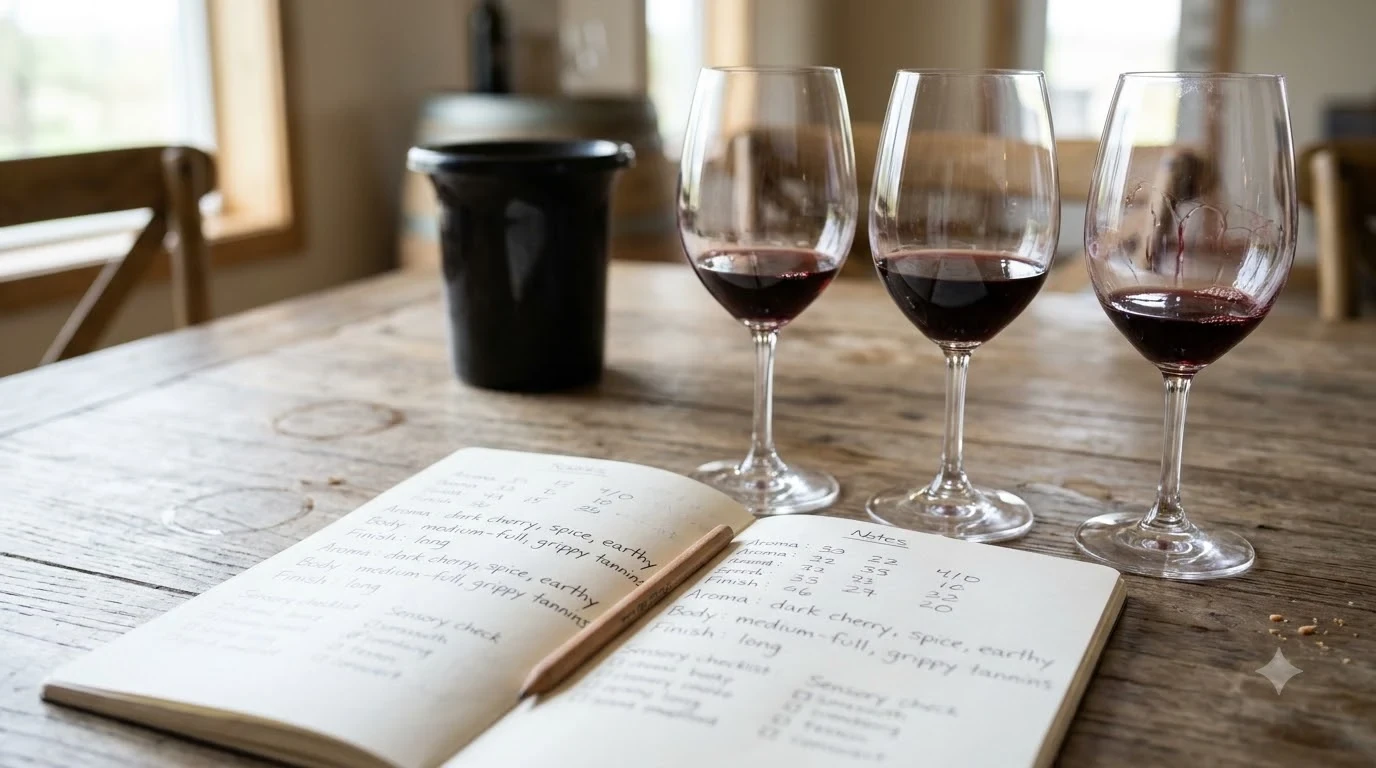
Write down the producer, grape variety, vintage, and wine style. These details make it easier to find similar bottles later and compare producers when shopping.
For a first itinerary, consider spending the morning around Yakima and the afternoon exploring another nearby destination only if travel time allows. A separate day for Zillah or Prosser can make the experience less rushed. The official Yakima Valley winery tourism directory is helpful for identifying tasting areas and checking which destinations fit a planned route.
Visitors should also consider the season. Harvest time can bring additional activity to wine country, while quieter periods may provide a more relaxed tasting-room experience. Special events can affect availability, so confirm details before building an itinerary around a particular winery.
Tip: Plan no more than three substantial winery tastings in a day. You will have more time to appreciate the differences between wines, enjoy local food, and avoid turning the trip into a race between tasting rooms.
Types or Styles Explained: What to Taste in Yakima Valley
Yakima Valley is especially interesting because it produces both substantial red wines and fresh, balanced white wines. Its range of growing conditions supports several grape varieties, making it possible to build a tasting around different wine styles.
Cabernet Sauvignon
Cabernet Sauvignon is an important variety to explore in Washington, particularly in warmer vineyard areas. Yakima Valley has growing locations suitable for producing wines with ripe fruit flavors and substantial tannin. Depending on the producer and vineyard, flavors may include blackcurrant, blackberry, plum, cedar, and spice.
Cabernet Sauvignon generally has high tannin, so it works particularly well with foods that contain protein and fat. Grilled beef, lamb, aged cheddar, and roasted mushrooms are useful pairing choices. The richness of these dishes helps soften the wine’s firm structure.
Merlot
Merlot is another important regional variety. It typically offers medium tannin and a softer texture than Cabernet Sauvignon. Yakima Valley Merlot can be a good choice for drinkers who enjoy dark fruit flavors but prefer a less firm finish.
Look for bottles with flavors of plum, black cherry, and subtle herbal notes. Merlot is versatile with roast chicken, grilled pork, burgers, and tomato-based dishes. Its softer tannins also make it a practical option for mixed meals where several foods are served together.
Syrah
Syrah is particularly interesting for visitors exploring warmer Washington vineyards, including the Red Mountain area. The variety can produce concentrated wines with blackberry, black pepper, savory herbs, and dark spice.
Its medium-plus to high tannin makes it a natural partner for grilled lamb, barbecue, smoked meats, and hearty mushroom dishes. If you enjoy full-bodied red wine, include Syrah in a tasting alongside Cabernet Sauvignon to compare their structure and aromatic character.
Chardonnay
Chardonnay deserves attention because Yakima Valley is an important growing area for the grape. The Washington State Wine Commission identifies cooler foothill areas as particularly significant for Chardonnay production.
Depending on the winemaking approach, Chardonnay can emphasize citrus, green apple, pear, and mineral notes or develop richer flavors associated with oak and malolactic fermentation. Its typical acidity is medium, making it suitable for roast chicken, creamy seafood dishes, and grilled vegetables.
Riesling
Riesling is one of the most rewarding white wines to explore in the valley. Its high natural acidity can balance a range of sweetness levels, from dry examples to wines with noticeable residual sugar.
Yakima Valley’s cooler vineyard locations are important for the variety. Riesling works especially well with spicy Asian dishes, pork, fresh seafood, and aromatic cheeses. If a wine has noticeable sweetness, pair it with food that has a similar or lower level of sweetness to maintain balance.
Sparkling Wine
Treveri Cellars is a useful name for travelers interested in sparkling wine. Including a sparkling wine tasting alongside still wines adds another dimension to a regional itinerary.
Pay attention to the sweetness terminology. Brut Nature and Extra Brut are among the driest styles, followed by Brut, Extra Dry, Dry, Demi-Sec, and Doux. Despite its name, Extra Dry is sweeter than Brut. This distinction is useful when selecting sparkling wine for appetizers or desserts.
Serving temperature also matters. Serve sparkling wine at approximately 40 to 50 degrees Fahrenheit, light whites and rosé at 45 to 50 degrees, and full-bodied whites at 50 to 55 degrees. These temperatures help preserve freshness and make the differences between wine styles easier to appreciate.
Common Mistakes When Exploring Yakima Valley Wineries
The biggest planning mistake is treating Yakima Valley as one compact tasting destination. Its extensive geography and several sub-appellations mean that an itinerary needs realistic driving times and a clear geographic focus.
Another common mistake is concentrating exclusively on Cabernet Sauvignon. Although the region has a strong reputation for red wine, the Washington State Wine Commission identifies Chardonnay and Riesling among its leading varieties. White wine production is particularly important in cooler sections of the appellation, where growing conditions support freshness and acidity.
Travelers should also avoid assuming that every winery offers the same experience. A downtown tasting room, a rural estate, and a vineyard-focused destination can have very different facilities and schedules. Check whether a location offers seated tastings, outdoor seating, food, group visits, or appointments before arriving.
It is also easy to overlook the smaller AVAs within the larger region. Red Mountain, Snipes Mountain, Rattlesnake Hills, Candy Mountain, and Goose Gap are distinct growing areas. Their differences in terrain, soil, and climate influence the kinds of grapes that perform well.
For example, the Washington State Wine Commission describes Red Mountain as particularly suitable for Cabernet Sauvignon, Merlot, and Syrah. Its sandy loess soils, low precipitation, and temperature variations contribute to its growing conditions. Rattlesnake Hills, meanwhile, is associated with vineyard locations and tasting rooms offering views toward Mount Adams and Mount Rainier.
Another mistake is treating a tasting as a competition to sample the greatest number of wines. A smaller number of carefully selected pours can reveal more about acidity, tannin, body, and winemaking decisions. Compare two Cabernet Sauvignons or two Rieslings rather than ordering unrelated flights without considering what you want to learn.
Finally, do not overlook food and transportation. Wine tastings can take several hours, particularly when conversations with winery staff are part of the experience. Plan meals and safe transportation in advance rather than assuming that every stop will be close to a restaurant or hotel.
Care and Storage Tips for Yakima Valley Wines
Once you have selected bottles from Yakima Valley wineries, proper storage and serving make a noticeable difference. Keep wines away from direct sunlight, major temperature changes, and excessive heat.
For bottles intended for longer storage, a consistent temperature near 55 degrees Fahrenheit is a useful target. Store cork-finished bottles on their sides so the cork remains in contact with the wine. Avoid placing bottles near ovens, radiators, or windows that receive strong afternoon sunlight.
Serving temperature should reflect the wine’s body and style. A structured Yakima Valley Cabernet Sauvignon or Syrah generally benefits from being served at approximately 60 to 65 degrees Fahrenheit. Merlot and lighter reds can be served slightly cooler, around 55 to 60 degrees.
White wines need different treatment. Serve Riesling and lighter white wines at approximately 45 to 50 degrees Fahrenheit. Full-bodied Chardonnay is usually more expressive around 50 to 55 degrees. Sparkling wine is best served colder, at approximately 40 to 50 degrees.
Decanting can help younger, full-bodied reds open up. A young Cabernet Sauvignon or Syrah may benefit from approximately 30 to 60 minutes of aeration, depending on its structure. Older bottles require more caution because prolonged exposure to oxygen can diminish delicate aromas.
After opening a bottle, refrigerate still wines and use a suitable closure. Most opened still wines retain their best qualities for approximately three to five days, depending on their style and storage conditions. Sparkling wines generally keep for one to three days with an appropriate sparkling-wine stopper.
For a tasting at home, use standard wine glasses and pour approximately 5 ounces per serving. A 750 ml bottle provides about five standard glasses. If you are comparing several Yakima Valley producers, pour smaller tasting portions so you can assess each wine without becoming overwhelmed.
Food pairing can also help you appreciate the wines. Riesling’s acidity works well with spicy dishes, while Cabernet Sauvignon is suited to rich red meat. Avoid pairing heavily tannic reds with oily fish, as the combination can produce an unpleasant metallic impression. For dessert, select a wine that is at least as sweet as the food.
Frequently Asked Questions
Is Yakima Valley the oldest wine region in Washington?
Yakima Valley was Washington’s first federally recognized American Viticultural Area, designated in 1983. It is not necessarily the oldest location where grapes were grown, but it holds the distinction of being the state’s first officially recognized wine-growing appellation. The AVA designation identifies a geographically distinct grape-growing region.
How many grape varieties are grown in Yakima Valley?
Washington’s wine-growing industry supports more than 80 planted grape varieties, although the number grown specifically within Yakima Valley is smaller and varies by vineyard. These include less familiar grapes such as Viognier, Roussanne, Albariño, Marsanne, Carménère, and Cinsaut. This diversity gives visitors opportunities to discover wines beyond the region’s better-known Cabernet Sauvignon and Chardonnay.
What is the difference between an AVA and a winery tasting area?
An AVA is a federally recognized grape-growing region defined by geographic characteristics. A tasting area is a practical tourism designation used to organize winery visits. A single tourism area can include wineries from different locations, so the two terms should not be treated as interchangeable.
What is the significance of the Missoula Floods for Yakima Valley vineyards?
The Missoula Floods left deposits that helped shape the region’s soils. These deposits contribute to the silt-loam, gravel, and basalt-influenced ground found across the appellation. The resulting variation in soil conditions is one reason different vineyard sites can produce distinctive expressions of the same grape variety.
Can Yakima Valley wines be suitable for long-term cellaring?
Some structured Cabernet Sauvignon, Syrah, and other full-bodied red wines can develop additional complexity with bottle aging. Cellaring potential depends on the individual wine’s acidity, tannin, fruit concentration, production style, and vintage. Not every Yakima Valley bottle is intended for extended aging, so it is sensible to follow the producer’s recommendations.
Yakima Valley is an excellent destination for discovering the range of Washington wine, from fresh Riesling and Chardonnay to structured Cabernet Sauvignon and Syrah. Start with convenient Yakima tasting rooms, then explore the surrounding wine areas as your interests develop. A thoughtfully planned visit can introduce you to distinctive producers, varied vineyard environments, and bottles that deserve a place in your wine collection.
More in Wine Buying Guides
 Cheap Red Blend: How to Find a Flavorful Bottle for LessUpdated Nov 20, 2026
 Pinot Grigio Gift: How to Choose a Bottle They’ll EnjoyUpdated Nov 20, 2026
 Best White Wine at Total Wine for Every MealUpdated Nov 20, 2026
 Wine Fridge Replacement Shelves: Find the Right FitUpdated Nov 20, 2026
 Best Sparkling Wine Under 20: Find Bubbles Worth BuyingUpdated Nov 20, 2026
 Best Wine For Birthday Celebrations With Perfect Party PairingsUpdated Nov 20, 2026