

We may earn a commission when you buy through links on this page, at no extra cost to you. Learn more.
A wine spritzer recipe is one of the simplest drinks you can make: pour chilled wine over ice, then top it with sparkling water or soda. The usual base is a dry white wine, and a common starting ratio in European versions is about one part wine to two parts sparkling water. Because the drink is mostly water and bubbles, it is light, refreshing, and easy to adjust to your taste.
A spritzer is the kind of drink that fits a hot afternoon, a casual dinner, or a long evening on the patio. It asks for no special equipment and only a few minutes of work, and it solves a common problem: a bottle of wine that is a little too strong, too sweet, or too big for one person to finish. This guide explains where the spritzer came from, how to choose the wine and mixer, and how to adjust the drink so it suits your glass.
Where the Wine Spritzer Comes From
The name is usually traced to the Austrian German variant of German, where the drink is very popular, and it is closely tied to the habit of diluting wine with mineral water. It is also widespread in Eastern and Central Europe, and in most of Germany it is known as a Schorle. Each country has its own version, which is why you will see very different ratios in different recipes.
In Hungary the drink is called a fröccs, and it comes in many forms. Some versions use a small amount of wine with a larger share of soda water, while others use mostly wine and only a splash of soda. The point is the same in every case: a little less alcohol per glass and a lighter, longer drink. Keep this in mind when you start experimenting, because the ratio is the one thing you control.
Choosing the Wine and the Mixer
The spritzer works best with a wine that is crisp, dry, and not too heavy. White wines are the usual choice, and a light Pinot Grigio, Sauvignon Blanc, or dry Riesling fits well. Rosé is also common in the drink, especially in parts of Eastern Europe, and it gives the spritzer a pink color and a soft red-fruit note. A sparkling white such as Prosecco is an option too, but once you add soda water it can taste thin, so use it sparingly.
Red wine spritzers exist as well. In parts of Hungary, a red wine is mixed with soda and raspberry syrup, which produces a sweet and fruity drink. A dry, fruit-forward red works for a lighter red spritzer, while heavy, tannic reds tend to taste harsh when diluted. Avoid sweet wines unless you want a dessert-style drink.
For the mixer, plain sparkling water keeps the flavor clean, and it is the most common choice. Club soda adds a little salt that some people enjoy, and lemon-lime soda makes a sweeter, more casual drink. Tonic water is bitter and can clash with some wines, so test a small glass first.
| Style | Wine | Mixer | Best for |
|---|---|---|---|
| Classic white spritzer | Dry white such as Pinot Grigio | Plain sparkling water | Hot weather and light lunches |
| Rosé spritzer | Dry rosé | Sparkling water or club soda | Patio drinking and brunch |
| Red spritzer | Dry, fruit-forward red | Soda water, sometimes a splash of fruit syrup | Casual evenings and cooler weather |
| Sparkling spritzer | Dry sparkling white | A small splash of soda | Celebrations with a lighter touch |
How to Build the Drink at Home
Start with a chilled wine glass, ideally a large one so the bubbles have room to rise. Fill it about halfway with ice, since ice keeps the drink cold without diluting it too quickly. Pour in the wine first, then top it with sparkling water or soda, pouring slowly down the side of the glass to keep the fizz. Give the drink one gentle stir with a spoon, and stop there. Stirring too much flattens the bubbles.
A garnish is optional but useful. A twist of lemon or lime, a few grapes, or a slice of peach brightens the aroma. Choose a garnish that matches the wine: citrus with white, berries with rosé, and orange with a fruity red.
Adjusting the Ratio to Your Taste
The ratio is what separates a refreshing spritzer from a drink that tastes flat or too strong. Many European recipes start around one part wine to two parts sparkling water, which gives a light, dry, and easy-drinking result. If you want more wine flavor, move toward equal parts. If you want a longer, gentler drink, add more soda and less wine.
Taste the drink before you serve it, and adjust in small steps. A spritzer that tastes too sharp can be softened with a little more soda. One that tastes thin usually needs a bit more wine or a wine with more body. Keep in mind that ice will melt and dilute the drink over time, so a spritzer that tastes perfect in the first minute may taste watery by the end of the glass.
How a Spritzer Compares to a Spritz
People often mix up a wine spritzer with an Italian spritz, but they are different drinks. The International Bartenders Association lists its official Spritz with 90 ml of Prosecco, 60 ml of Aperol, and a splash of soda water, served in a wine glass with a slice of orange. The Aperol gives the drink its bitter orange character, which a simple wine spritzer does not have. The wine spritzer is the more basic drink: wine, water, and nothing else. If you like the idea of an aperitif with a bitter edge, a spritz is the better choice, and our aperol spritz recipe walks through the classic version.
The difference also matters when you shop. A spritzer depends on the quality of the wine, because there is nothing to hide a flat or sour bottle. Choose a wine you would drink on its own, and you will get a better result than you would from a cheap bottle dressed up with a mixer.
Serving Ideas and Food Pairings
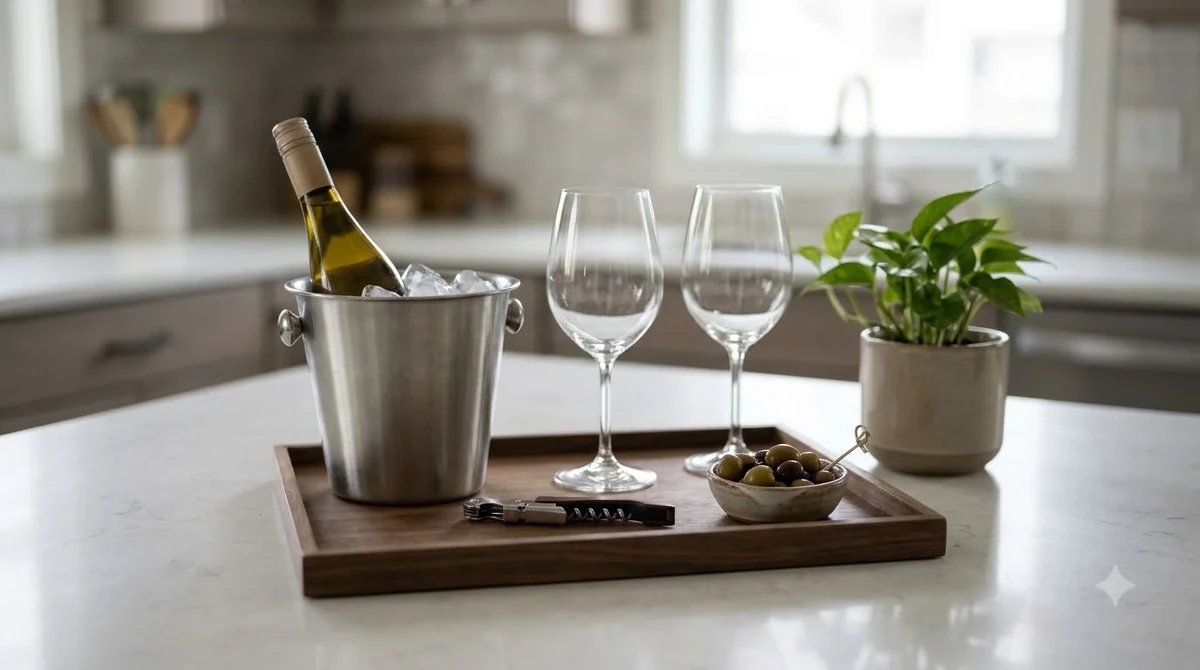
Wine spritzers fit well with light food. Serve them with salads, grilled fish, soft cheeses, cured meats, and fresh fruit. The bubbles and dilution make the drink a good choice for spicy dishes, because the cold, fizzy texture cools the palate between bites. A rosé spritzer pairs nicely with a brunch spread of eggs, pastries, and berries.
For a party, make a pitcher with the wine and fruit, then add the sparkling water to each glass just before serving. That keeps the bubbles lively and stops the drink from going flat in the pitcher. Once you have the basic version down, our Wine Recipes & Cocktails section has more ideas for matching wine with food and drinks.
Common Mistakes With Wine Spritzers
The most common mistake is using a wine that is too sweet or too heavy. Sweet wine turns syrupy when it is diluted, and a heavy red can taste harsh. The second mistake is adding the soda too early, which can lose the bubbles before the drink reaches the table. The third is over-icing the glass, which makes the spritzer taste weak within a few minutes. Use fresh ice, pour the soda last, and taste as you go.
Storage is also simple. Keep the wine chilled before you mix, and keep the sparkling water cold too. Do not make a large batch with soda in it, since the bubbles will fade within an hour or two.
Frequently Asked Questions
What is the basic wine spritzer ratio?
Many European recipes start with about one part wine to two parts sparkling water. Adjust from there. More wine gives a stronger drink, and more soda gives a lighter one.
Is a wine spritzer the same as a spritz?
No. A spritz is an Italian-style drink, and the IBA version uses Prosecco and Aperol with soda and an orange slice. A wine spritzer is simpler and usually uses only a still wine and a mixer.
Which wine is best for a spritzer?
A dry white such as Pinot Grigio or Sauvignon Blanc is the most common choice. Dry rosé and light, fruity reds also work well. Avoid sweet wines, which become syrupy when mixed.
Should I use sparkling water or club soda?
Either works. Sparkling water keeps the flavor clean, while club soda adds a small amount of mineral salt that some people prefer. Lemon-lime soda makes a sweeter drink for casual occasions.
A wine spritzer is easy to make and easy to change, which is why it has lasted for generations in many parts of Europe. Start with a dry white, pour the soda last, and adjust the ratio until it tastes right to you. For a related idea, the hugo spritz recipe is another light wine-based drink worth trying.
More in Food & Wine Pairing
 Risotto With White Wine Recipe: Make a Creamy Dinner at HomeUpdated Nov 20, 2026
 Wassail With Wine Recipe for a Festive Spiced Holiday DrinkUpdated Nov 20, 2026
 Spritz Veneziano Recipe: Make a Classic Venetian Aperitivo at HomeUpdated Nov 20, 2026
 Summer Wine Punch Recipe for Easy Homemade EntertainingUpdated Nov 20, 2026
 Bishop Recipe: How to Make a Bright, Citrus-Forward Red Wine CocktailUpdated Nov 20, 2026
 Wine Cupcakes Recipe: Bake Rich Chocolate Cupcakes at HomeUpdated Nov 20, 2026