

We may earn a commission when you buy through links on this page, at no extra cost to you. Learn more.
The best wine shipping box is an ISTA 3A-tested molded pulp shipper paired with a double-wall corrugated outer carton for everyday transit, or a two-piece molded polystyrene shipper when extreme heat or cold threatens the bottles. Molded pulp balances shock absorption, compact storage, and curbside recyclability, while expanded polystyrene (EPS) foam adds critical thermal insulation during summer and winter months. Choosing between them—or stepping up to air-cushion sleeves or die-cut corrugated inserts—depends on bottle shapes, storage space, and transit conditions.
Glass wine bottles fail in parcel transit for two predictable reasons: sudden vertical drops onto concrete sorting belts and rapid temperature swings inside uninsulated delivery trucks. Standard cardboard dividers or loose packing peanuts simply do not meet carrier testing standards, leaving fragile shoulders and punts exposed to impact. Matching the interior insert material and outer carton strength to your route and bottle format keeps shipments intact from warehouse or cellar to doorstep.
Quick Comparison
Each wine shipper construction trades off impact resistance, thermal buffering, warehouse footprint, and recyclability differently.
| Shipper Type | Primary Insert Material | Impact Protection | Thermal Insulation | Storage Footprint | Recyclability |
|---|---|---|---|---|---|
| Best for Everyday Ground Transit | Molded fiber pulp trays | High (ISTA 3A tested) | Low to moderate | Compact (nesting trays) | Curbside recyclable |
| Best for Extreme Weather Routes | Expanded polystyrene (EPS) foam | Maximum | High | Bulky (non-nesting) | Limited drop-off |
| Best for Tight Storage Spaces | Inflatable air-cushion bags | Moderate to high | Low | Minimal (ships flat) | Plastic film recycling |
| Best for Mixed Bottle Shapes | Die-cut corrugated inserts | Moderate to high | Low | Minimal (ships flat) | Curbside recyclable |
| Best for Single-Bottle Gifting | Clamshell pulp or locking corrugated | High | Low | Compact | Curbside recyclable |
Best for Everyday Ground Transit
Molded fiber pulp shippers are the workhorse standard for year-round domestic shipping, using contoured recycled paper trays inside a corrugated outer carton to suspend bottles away from box walls.
According to carrier packaging guidelines from major parcel networks like FedEx, pre-molded pulp glass bottle shippers are an approved packaging method when paired with a properly sized corrugated outer box. High-grade pulp trays use engineered buffer zones that cradle the base, body, shoulder, and neck simultaneously, dispersing shock from vertical drops and conveyor collisions. Because the trays nest tightly inside one another before assembly, they occupy a fraction of the backroom or closet space required by rigid foam coolers, and recipients can toss both the insert and outer box directly into curbside paper recycling.
Keep in mind that standard molded pulp cavities are typically sized for classic 750ml Bordeaux or Burgundy silhouettes up to roughly 3.5 inches in diameter and 13.5 inches tall, meaning oversized Champagne bottles, tall Alsace flutes, or magnums may not seat properly without forcing the lid. Pulp also offers minimal thermal resistance during extended transit across hot or freezing regions. This style is best for temperate spring and fall shipping windows, wine clubs, and collectors moving standard 750ml bottles who want reliable drop protection without foam waste.

- Capacity
- 12 bottles, 750 ml
- Box Size
- 18.1 x 13.9 x 15.5 in
- Protection
- Styrofoam base and lid
- Max Load
- 35 pounds
A straightforward carrier for moving a dozen bottles by road. The cardboard box ships with a styrofoam base and lid that hold standard or universal 750 ml bottles in place, and the kit supports up to 35 pounds. The box measures about 18 by 14 by 15.5 inches. It will not fit magnums or larger bottles, so it suits ordinary cases moved by car or parcel.
Pros & ConsView
- Holds 12 standard 750 ml bottles
- Styrofoam base and lid cushion bottles
- Supports up to 35 pounds
- Will not fit magnum or larger bottles
- Styrofoam inserts, not a foam-free build
Best for Extreme Weather Routes
Two-piece molded polystyrene (EPS foam) shippers combine dense, rigid foam cavities with a heavy-duty double-wall corrugated outer box to shield bottles from both severe impacts and ambient temperature spikes.
Wine educators at Wine Folly note that wine exposed to temperatures above 90 degrees Fahrenheit inside delivery trucks can cook, losing its fresh aromas and developing flat, nutty flavors—making polystyrene inserts essential when shipping during summer heat or winter freezes. Thick EPS foam walls act like a disposable cooler, slowing heat transfer across multi-day cross-country routes and holding cold packs effectively when expedited transit is not an option. Carrier engineering manuals also classify pre-molded polystyrene inside a double-wall corrugated carton as preferred packaging for maximum glass protection.
The trade-off with EPS foam is logistics and disposal: pre-molded foam blocks do not nest, so storing even a dozen six-bottle shippers takes substantial floor or shelf space, and municipal curbside programs rarely accept expanded polystyrene. Tightly molded cavities also struggle with unusually wide sparkling or proprietary heavy-glass bottles. Choose this type for summer and winter shipments, cross-country deliveries, and high-value cellar bottles where temperature stability outweighs storage bulk.

- Pack
- 3 boxes, 3 inserts
- Fits
- One 750 ml bottle
- Material
- Recycled cardboard
- Max Weight
- 8 pounds
Mailing a few bottles to different recipients calls for individual boxes, and this pack supplies three. Each reusable cardboard shipper has a recycled molded paper insert, so the kit is foam-free and fully recyclable. It suits one 750 ml bottle up to 8 pounds, at 13 by 6.5 by 17.5 inches. The listing does not describe temperature protection, so treat it as cushioning for mild-weather routes.
Pros & ConsView
- Foam-free, recyclable materials
- Three reusable boxes with molded paper inserts
- Sized for a standard 750 ml bottle
- No temperature protection listed
- One bottle per box
Best for Tight Storage Spaces
Inflatable air-cushion shippers replace rigid pulp or foam blocks with flat-packed multi-chamber polyethylene sleeves that wrap around individual bottles once inflated with a hand pump or small compressor.
Before inflation, dozens of air-cushion sleeves fit inside a single drawer or flat shipping carton, making them practical for apartments, small retail shops, or travelers flying home with bottles who lack space for bulky boxes. Each sleeve features independent vertical air columns; if one chamber is punctured during handling, adjacent columns remain pressurized to keep the glass suspended off the outer cardboard walls. Once inserted into a sturdy corrugated outer box, inflated bags absorb sudden lateral jolts well and accommodate slightly wider bottle profiles than rigid foam molds.
However, packing speed is slower because every sleeve requires inflation and careful folding before sealing the carton, and reviewers at packaging test labs point out that air columns offer virtually zero thermal insulation against summer heat or freezing cargo holds. Punctures from sharp staples or rough handling remain a small risk if outer boxes are under-taped. This design works best for low-volume shippers, occasional senders, and urban spaces where flat storage matters more than rapid assembly.
Best for Mixed Bottle Shapes
Die-cut corrugated cardboard inserts use precision-folded, multi-layer kraft flaps and suspension collars inside a standard shipper carton to lock bottles of varying heights and widths firmly in place.
Unlike rigid molded cavities that favor standard Bordeaux cylinders, clever die-cut suspension designs flex around sloped Burgundy shoulders, wider Champagne bases, and taller Riesling bottles without requiring separate packaging SKUs. Because the inserts ship completely flat and assemble out of 100 percent corrugated fiberboard, they offer high crush resistance, clean unboxing presentation, and straightforward curbside recycling. Many commercial wineries rely on engineered corrugated systems when fulfilling mixed-case club orders containing both still and sparkling cuvées.
The main catch is assembly time and human error: die-cut inserts must be folded along exact score lines and locked into place so the bottle base never touches the outer carton floor. Improperly folded tabs compromise drop protection, and corrugated flutes provide only modest insulation in extreme climates. Opt for die-cut corrugated shippers when sending mixed bottle formats—such as sparkling wine alongside Pinot Noir and Cabernet—or when presentation and plastic-free recyclability are top priorities.

- Capacity
- 12 bottles
- Box Size
- 17.9 x 12.1 x 14.5 in
- Inserts
- Corrugated
- Shipping
- ISTA approved
A foam-free take on the 12-bottle shipper, with corrugated inserts rather than styrofoam. The kit is made from recycled materials, is entirely recyclable, and is described as ISTA approved for shipping. The box measures 17-7/8 by 12-1/8 by 14-1/2 inches. The listing does not name specific bottle shapes it accommodates, so check bottle diameter against the inserts before packing unusual shapes.
Pros & ConsView
- ISTA approved for shipping
- Foam-free, 100% recyclable materials
- Holds 12 bottles with corrugated inserts
- Bottle-shape fit is not specified
- Weight limit is not stated
Best for Single-Bottle Gifting
Single-bottle clamshell shippers pair a compact, form-fitting pulp or locking corrugated cradle with a snug outer mailer box engineered specifically for sending one prized bottle safely.
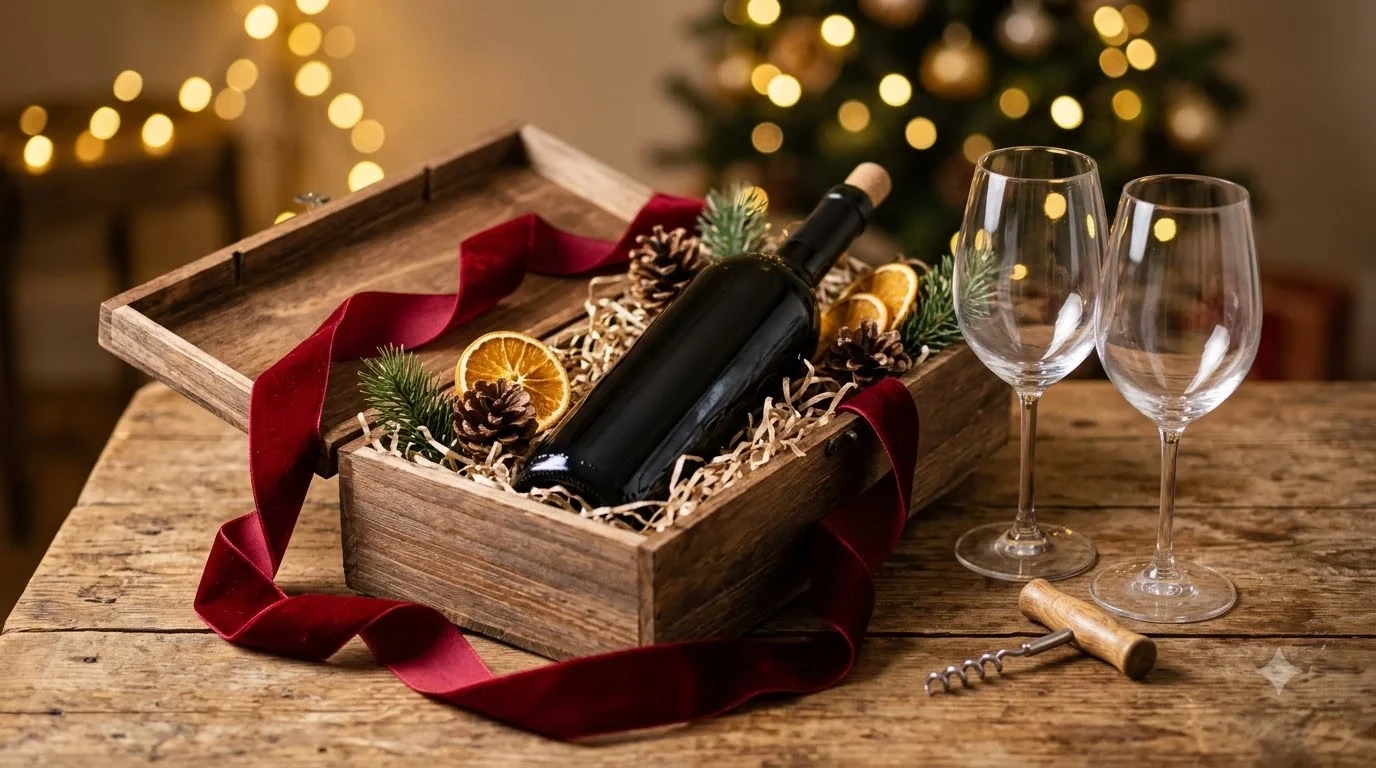
Shipping a single bottle creates unique physics because a lightweight, narrow package is more likely to be tossed or stacked beneath heavier freight than a 40-pound twelve-bottle case. Purpose-built single-bottle kits eliminate internal void space completely, gripping the neck and punt so the glass cannot rattle or pitch forward during sorting. If you are preparing a wine gift box for a milestone occasion, placing a decorative presentation box inside an oversized, ISTA-rated single-bottle shipper preserves both the bottle and the gift packaging.
Keep in mind that single-bottle shipments carry the highest per-bottle freight cost and warm up faster than full cases because a lone 750ml bottle has less thermal mass than twelve bottles packed together. Always double-check cavity dimensions before packing heavy-bottomed sparkling bottles or wax-dipped necks. This format is best for client gifts, birthday bottles, sample submissions, and long-distance celebrations where presentation and impact safety count.

- Size
- 12.8 x 3.8 x 3.8 in
- Fits
- 750 ml wine, champagne
- Closure
- Concealed magnet
- Material
- Cardboard, matte
A gift box rather than a shipper, built for presenting one bottle. The black matte cardboard folds flat for storage, then assembles with glue and closes with a concealed magnet, with a handle for carrying. It fits 750 ml wine, champagne, prosecco, or similar bottles, so there is no need for wrapping paper or ribbon.
Pros & ConsView
- Hidden magnet closure and carry handle
- Folds flat until you need it
- Fits 750 ml wine or champagne bottles
- Gift presentation only, not shipping protection
- Requires assembly with glue
How to Choose
Selecting the right wine shipping box starts with matching the container to your bottle geometry, carrier rules, and seasonal forecast rather than buying the thickest box on the shelf.
- Verify ISTA 3A certification: Look for shippers tested to International Safe Transit Association (ISTA) 3A standards, which simulate parcel drops, vibration, and compression on conveyor systems. Major carriers require pre-tested inner packaging inside a corrugated outer carton before honoring transit damage claims.
- Measure bottle diameter and height: Standard 750ml Bordeaux bottles measure roughly 3 inches across and 12 inches tall, whereas Burgundy, Champagne, and Rhone bottles often exceed 3.4 inches in diameter. Check the insert’s maximum cavity specs so wider bottles do not strain or crack the tray lid.
- Account for seasonal temperatures: Use molded pulp or corrugated inserts during mild spring and fall weather, and switch to thick EPS polystyrene foam paired with expedited transit when route temperatures climb above 80 degrees Fahrenheit or drop below freezing.
- Match outer carton flute strength: Pair heavy six- and twelve-bottle loads with double-wall corrugated outer boxes (such as 275-pound burst-strength BC-flute board) so stacked cartons do not crush under weight.
- Factor in storage and assembly workflow: Choose nesting pulp trays for fast drop-in packing, flat die-cut corrugated or air-cushion sleeves when storage space is scarce, and rigid EPS foam only when you have room to store non-nesting blocks.
Tip: Before sealing any shipper, give the closed box a firm shake—if you feel or hear the glass shift even a quarter inch, add a folded corrugated pad at the top so the bottle cannot build momentum during a drop.
Frequently Asked Questions
Can you ship wine in a regular cardboard box with bubble wrap?
No—standard moving boxes with loose bubble wrap or packing peanuts fail parcel drop tests because heavy glass bottles migrate through soft padding and collide with each other or the carton walls. Major carriers like UPS and FedEx require pre-molded polystyrene, molded fiber pulp, or engineered die-cut corrugated inserts inside a properly rated outer box. Using an ISTA-tested shipper prevents breakage and avoids voiding transit protection.
Is molded pulp or styrofoam better for shipping wine?
Molded pulp is better for mild-weather shipping, compact storage, and curbside recyclability, offering strong shock absorption with a much smaller environmental footprint. Expanded polystyrene (EPS) styrofoam is better during summer heat waves, winter freezes, and long cross-country routes because its thick closed-cell walls insulate wine against extreme temperature swings. Many frequent shippers keep pulp on hand for spring and fall and switch to EPS foam in July, August, and January.
Can individuals legally ship wine through USPS, UPS, or FedEx?
The U.S. Postal Service (USPS) strictly prohibits shipping wine or any alcoholic beverage through the mail. Private carriers such as UPS and FedEx transport wine only for licensed producers, retailers, and wholesalers who hold an approved alcohol shipping agreement, and every package requires an adult signature (21 and older) upon delivery. Unlicensed consumers who need to move personal bottles typically work with a licensed local wine retailer or specialized shipping service that packs and tenders the shipment legally.
What size wine shipping box is best for temperature stability?
Six-bottle and twelve-bottle shippers maintain far steadier internal temperatures than one- or two-bottle boxes because the combined liquid mass absorbs heat and cold much more slowly. Knowing how many glasses in a bottle of wine—roughly five standard pours per 750ml bottle—also helps you size shipments efficiently for dinner parties or events without sending unnecessary extra packages. Pairing a full six- or twelve-pack EPS foam shipper with early-week shipping avoids weekend warehouse delays.
Once your bottles arrive safely, let them rest upright for a day or two before uncorking so any disturbed sediment settles cleanly back to the punt. For organizing opened bottles, corkscrews, and glassware after delivery, browse our Accessories Library or set up a dedicated serving station on your bar cart.
More in Wine Accessories
 Coravin Vs Vacu Vin: Choose the Right Wine Saver for Your BottlesUpdated Nov 21, 2026
 Zwilling Wine Stopper Review: Preserve Open Bottles LongerUpdated Nov 21, 2026
 Wine Enthusiast Wine Preserver Review: Features, Benefits and LimitationsUpdated Nov 21, 2026
 Wine Enthusiast Wine Stopper: An Easier Way to Reseal Open BottlesUpdated Nov 21, 2026
 Vintorio Wine Opener: Two-Step Cork RemovalUpdated Nov 21, 2026
 Zwilling Wine Aerator Review: Aerate, Pour, and Seal With One ToolUpdated Nov 21, 2026