

We may earn a commission when you buy through links on this page, at no extra cost to you. Learn more.
The best wine ice pack for most people is a flexible, freezable gel sleeve because it wraps tightly around standard bottles, chills warm wine in about 15 minutes without ice or water, and folds flat in the freezer between uses. If you are packing for a hike or a sunny afternoon at the park, an insulated cooler tote with reusable ice packs or a double-walled vacuum chiller holds cold temperatures much longer. For tableside pouring without bulky buckets, stainless steel chiller sticks keep already-cold bottles crisp from inside the glass, while larger ice-pack wraps handle wide Champagne and sparkling bottles.
Nothing ruins a crisp Sauvignon Blanc or dry rosé faster than lukewarm serving temperatures, yet lugging a dripping ice bucket to the patio or park rarely feels practical. Modern wine ice packs and iceless chillers solve that problem cleanly, trading watery mess for reusable cooling gels, insulated sleeves, and freezer-ready inserts. Choosing the right style comes down to whether you need to bring a room-temperature bottle down fast or keep a fridge-chilled bottle cold through a long dinner.
Quick Comparison
Different wine cooling designs trade speed, portability, and cold retention depending on how and where you plan to pour.
| Wine Ice Pack Type | Best Use Case | Prep Time | Chills Warm Wine? | Cold Retention | Bottle Fit |
|---|---|---|---|---|---|
| Flexible Gel Sleeves | Everyday kitchen & patio use | 6+ hours in freezer | Yes (about 15 minutes) | 60 to 90 minutes | Standard 750ml to 1L |
| Insulated Tote Ice Packs | Picnics, beach & travel | 4 to 6 hours in freezer | Slowly | 4 to 6+ hours | Multi-bottle & varied shapes |
| Stainless Steel Chiller Sticks | Drip-free tableside pouring | 1 to 2 hours in freezer | No (maintains chill) | 30 to 60 minutes | Standard 750ml necks |
| Sparkling & Magnum Wraps | Champagne & wide bottles | 6+ hours in freezer | Yes (5 to 15 minutes) | 60 to 90 minutes | Wide-base sparkling & magnums |
| Double-Walled Iceless Chillers | Long outdoor dinners | None (pre-chill bottle) | No (insulates only) | Up to 6 hours | Standard Bordeaux & Burgundy |
Best for Everyday Speed and Convenience: Flexible Gel Sleeves
Flexible freezable gel sleeves are the undisputed workhorse of wine cooling, combining rapid active chilling with flat, space-saving freezer storage.
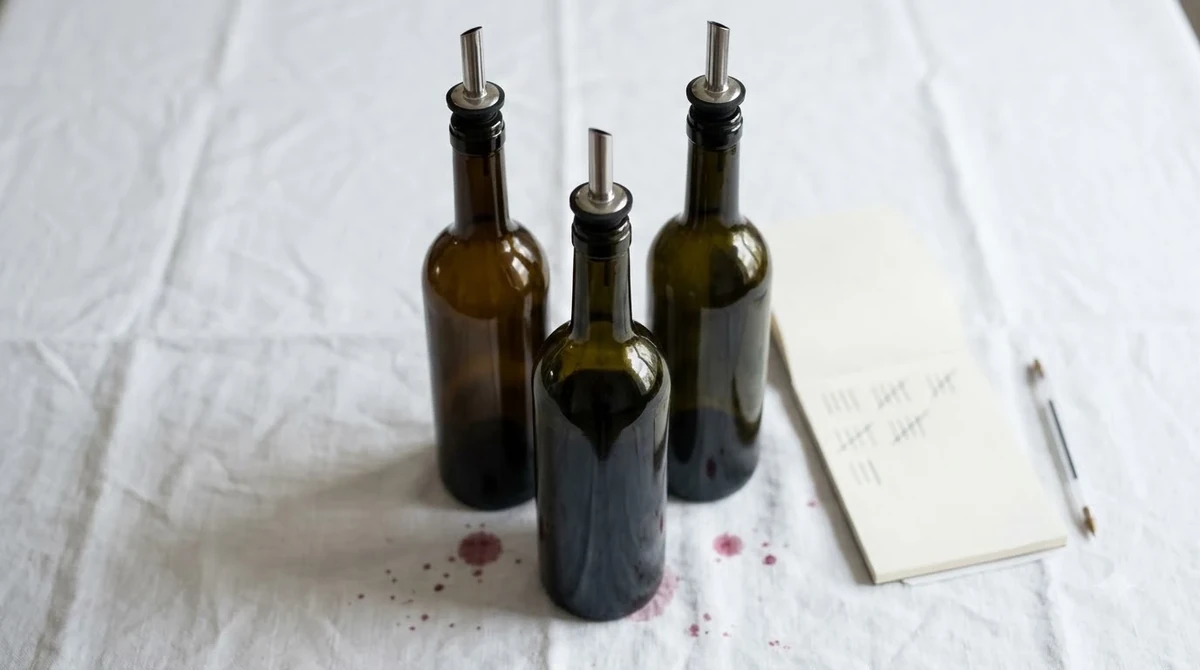
Why it stands out: According to manufacturer guidelines from Vacu Vin, active cooling gel sleeves can bring a room-temperature bottle down to serving range in roughly 15 minutes while keeping it cool for up to 90 minutes afterward. Because elastic side panels or pleated chambers pull the frozen gel flush against the glass, there are no insulating air pockets to slow down heat transfer. Once the bottle is empty, the sleeve folds completely flat so it slips into a crowded freezer door without taking up shelf space.
Keep in mind and best for: While gel sleeves chill quickly, they hold a fixed amount of thermal energy and will warm up faster in direct summer sunlight than a bucket of ice water. Look for puncture-resistant nylon shells so a stray corkscrew or bottle edge does not split the gel packets over repeated freeze-thaw cycles. This type is best for weeknight pours, backyard decks, and anyone organizing a compact bar cart who wants cold wine on short notice without buying bags of ice.
Best for Picnics and Travel: Insulated Cooler Totes with Reusable Ice Packs
For beaches, concerts, and park picnics, insulated wine totes paired with contoured reusable ice packs protect glass bottles from both heat and bumps.
Why it stands out: Unlike standalone sleeves exposed to warm breezes, soft-sided cooler carriers combine closed-cell foam insulation, reflective thermal linings, and zippered closures to block ambient heat. Dropping a contoured gel pack or curved ice brick between two bottles creates an enclosed cold zone that stays chilled for several hours on the road. Many multi-bottle carriers also include padded dividers that keep glass from clinking together in the trunk or on a trail.
Keep in mind and best for: Foam insulation excels at preserving cold temperatures, though it takes much longer to chill a warm bottle from scratch than direct gel contact. Make sure the interior lining features heat-welded seams rather than stitched fabric so condensation never leaks onto car seats or picnic blankets. This setup is best for day trips, BYOB dinners, and outdoor concerts where you need to transport two or more bottles safely.
Best for Drip-Free Tableside Pouring: Stainless Steel Chiller Sticks
Stainless steel chiller sticks insert directly into the neck of an opened bottle, chilling the wine from the inside out without hiding the label.
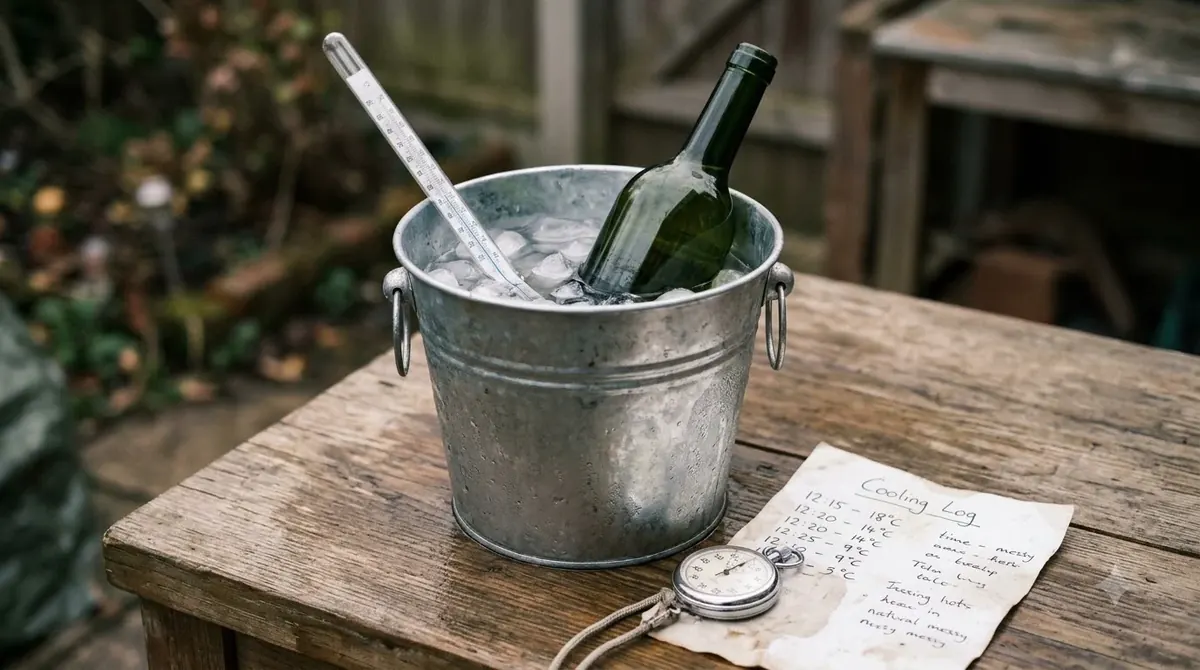
Why it stands out: Reviewers at wine gear publications note that steel chiller rods eliminate exterior condensation completely, sparing wood dining tables and linen tablecloths from water rings. Most designs pair a sealed, gel-filled food-grade stainless steel rod with an integrated acrylic pouring spout and built-in aerator. As you tilt the bottle, wine flows around the frozen metal core and through the aerator, giving both crisp whites and slightly chilled reds a smooth, drip-free pour.
Keep in mind and best for: Because a slender metal rod has far less thermal mass than a wrap-around sleeve, it will not chill a warm bottle on its own and works best for maintaining an already-refrigerated bottle for 30 to 60 minutes. You also have to pour out a small amount of wine—roughly half a glass—before inserting the rod so the liquid does not overflow. This style is best for formal indoor dinners, sommelier-style table presentation, and hosts who want to display bottle labels while keeping pours cool.
Best for Champagne and Wide Bottles: Oversized Sparkling Wraps
Oversized sparkling wine ice packs use wider diameters and cinch closures to hug heavy-bottomed Champagne, Prosecco, and Burgundy bottles.
Why it stands out: Standard wine sleeves often struggle to stretch over thick-walled sparkling bottles, leaving the upper shoulder exposed or splitting seams under tension. Dedicated Champagne and magnum wraps feature extra-wide gel panels paired with elastic gussets or drawstring tops that lock cold contact around flared bases. That snug surface contact helps preserve delicate effervescence by keeping sparkling wines near their ideal 45°F to 50°F serving window without over-chilling.
Keep in mind and best for: Oversized wraps can feel loose around slender Alsace or Bordeaux bottles, which reduces conductive cooling efficiency if the gel does not press firmly against the glass. Checking bottle compatibility before buying ensures a tight fit across your favorite styles. This option is best for celebratory brunches, holiday toasts, and anyone who regularly opens sparkling wine or wider Burgundy-style bottles.
Best for Marathon Outdoor Dinners: Double-Walled Vacuum Chillers
Double-walled stainless steel bottle chillers skip freezer gel entirely, relying on vacuum-insulated walls to trap cold air around a pre-chilled bottle for hours.
Why it stands out: When a gel pack thaws after 90 minutes on a humid patio, a vacuum-insulated canister keeps working by blocking external heat transfer altogether. Reviewers point out that double-walled chillers hold a fridge-cold bottle at serving temperature for up to six hours with zero condensation on the outer shell. Many modern versions feature adjustable threaded collars that screw down over the bottle neck, locking the glass securely inside while you pour.
Keep in mind and best for: Vacuum chillers are passive insulators rather than active coolers—putting a warm bottle inside simply traps room-temperature air around it. They also take up more cabinet space than a foldable gel sleeve and may not fit extra-wide sparkling bottles unless specifically sized for them. This type is best for long summer dinners on the porch, boat outings, and hosts who pull bottles straight from a wine fridge.
How to Choose
Selecting the right wine cooling gear starts with matching the chilling mechanism to your serving habits. Keep these four factors in mind before buying:
- Active chilling vs. passive holding: Gel sleeves and freezer ice packs actively pull heat out of a warm bottle, making them essential if you buy wine on the way to dinner. Double-walled vacuum chillers and chiller sticks only maintain existing cold, so they require pre-refrigerated bottles.
- Bottle shape and diameter: Standard 750ml Bordeaux bottles fit almost every chiller, while sloped-shoulder Burgundy, Pinot Noir, and Champagne bottles require stretchy elastic panels or oversized wraps.
- Exterior durability and leak protection: Repeated freezing makes cheap vinyl brittle over time. Prioritize heavy-duty nylon exteriors, reinforced seams, and non-toxic solid or compartmentalized gels that stay flexible straight out of the freezer.
- Freezer footprint and prep time: Most gel ice packs require at least six hours in the freezer to solidify completely. If freezer space is tight, foldable flat sleeves or slim stainless steel rods store far more easily than rigid canisters.
Tip: Need to chill a warm bottle in under five minutes before guests arrive? As Wine Folly demonstrates with its rapid ice-bath method, submerging wine in a mix of ice and cold water chills glass far faster than dry ice or freezer air alone because liquid eliminates insulating air gaps.
Frequently Asked Questions
How long do wine ice pack sleeves stay cold?
Most freezable gel wine sleeves keep a bottle within its ideal serving range for 60 to 90 minutes at room temperature. In direct outdoor sunlight or high summer heat, expect closer to 45 to 60 minutes before the gel softens. Keeping a second sleeve in the freezer makes it easy to swap wraps mid-meal without interrupting service.
Can a wine ice pack chill a warm bottle from room temperature?
Yes, active gel sleeves and ice-pack wraps can cool a room-temperature bottle by 15 to 20 degrees in roughly 15 to 20 minutes. However, passive vacuum chillers and internal chiller rods lack the thermal mass to cool warm wine quickly and are designed strictly to keep already-chilled bottles cold.
Do wine cooling sleeves fit Champagne and sparkling wine bottles?
Standard wine sleeves are often too narrow for wide-bottomed Champagne, Cava, and Prosecco bottles. If you drink sparkling wine regularly, look for sleeves labeled for sparkling bottles or designs with stretchy elastic side panels and adjustable drawstring collars.
How should you clean and store a reusable wine ice pack?
Wipe down nylon or vinyl gel sleeves with a damp cloth and mild dish soap, then dry them thoroughly before returning them to the freezer so frost does not build up on the fabric. Stainless steel chiller sticks should be rinsed with warm water immediately after use to prevent sticky wine residue from drying inside the aerator vents.
Keeping a couple of reusable wine ice packs in your freezer ensures every bottle tastes as vibrant as the winemaker intended, whether you are pouring for two or hosting a crowd. Knowing how many glasses are in a bottle of wine helps you plan how many chilled sleeves to have on standby, and you can explore more practical serving tools in our Accessories Library.
More in Wine Accessories
 Coravin Vs Vacu Vin: Choose the Right Wine Saver for Your BottlesUpdated Nov 21, 2026
 Zwilling Wine Stopper Review: Preserve Open Bottles LongerUpdated Nov 21, 2026
 Wine Enthusiast Wine Preserver Review: Features, Benefits and LimitationsUpdated Nov 21, 2026
 Wine Enthusiast Wine Stopper: An Easier Way to Reseal Open BottlesUpdated Nov 21, 2026
 Vintorio Wine Opener: Two-Step Cork RemovalUpdated Nov 21, 2026
 Zwilling Wine Aerator Review: Aerate, Pour, and Seal With One ToolUpdated Nov 21, 2026