

We may earn a commission when you buy through links on this page, at no extra cost to you. Learn more.
The best wine glass holder for beach trips is a stemless, shatter-resistant holder that keeps the glass upright in sand and holds a standard pour without tipping. Stemless designs suit outdoor use because they sit low and do not catch on bags or blankets, and a sturdy base matters more than decoration. Stemmed glasses are fine at a formal picnic, but a holder built for sand and wind is usually the more practical choice on a beach.
Wine at the beach raises a few practical questions: how the glass stays upright, what it is made of, and how much wine it holds. This guide compares the main types of holder and explains what to look for, so you can choose one that fits a day in the sand, a lakeside spot, or a park blanket. For a sense of how much wine a glass holds, see our guide to how many glasses are in a bottle of wine.
Quick Comparison of Beach Wine Glass Holder Types
Beach holders fall into a few groups, each with a different balance between stability and portability. The table below compares them on the criteria that matter once you are sitting on sand.
| Holder type | How it grips the glass | Stability in sand | Best for |
|---|---|---|---|
| Spike or stake holder | Pushed into sand to hold the base | High once set | Long days on a beach |
| Clip-on or lanyard holder | Attaches to a chair, bag, or cooler | Medium | Walking and moving spots |
| Weighted base holder | Heavy base sits on a blanket or towel | High on flat ground | Picnics on a blanket |
| Cup-style stemless holder | Glass sits in a snug sleeve | Medium | Casual, low-profile use |
Best for Long Days on the Sand
A spike-style holder works best when you plan to sit in one place for hours. It pushes into the sand and gives the glass a firm base, so it does not need to be balanced on a towel or a cooler lid.
Why it stands out: A spike holds its position in soft sand better than a flat base, and once it is set, the glass stays in place even when a wave or a breeze hits the spot. It also keeps the glass off a towel that may already be covered in sand.
Keep in mind: Spikes can be hard to push into packed or rocky sand. Choose one with a long, slim spike and a sturdy cup, and avoid models with thin plastic that bends under pressure.
Best for: All-day beach trips, sunbathing, and anyone who sits in one spot.
Best for Walks and Moving Spots
A clip-on or lanyard holder suits people who move between the water, the shade, and the parking lot. It attaches to a chair, bag, or cooler handle, so the glass travels with you rather than sitting on the ground.
Why it stands out: A lanyard holder keeps the glass off the sand while you walk, and it leaves your hands free. Clip-style holders are also light enough to pack in a beach bag without taking up much space.
Keep in mind: A clip is only as secure as the item it grips. A thin strap on a light tote can slide, so test the grip with an empty glass before filling it.
Best for: Walks along the shore, festivals on open ground, and anyone who wants a glass that goes wherever they go.
Best for Picnics on a Blanket
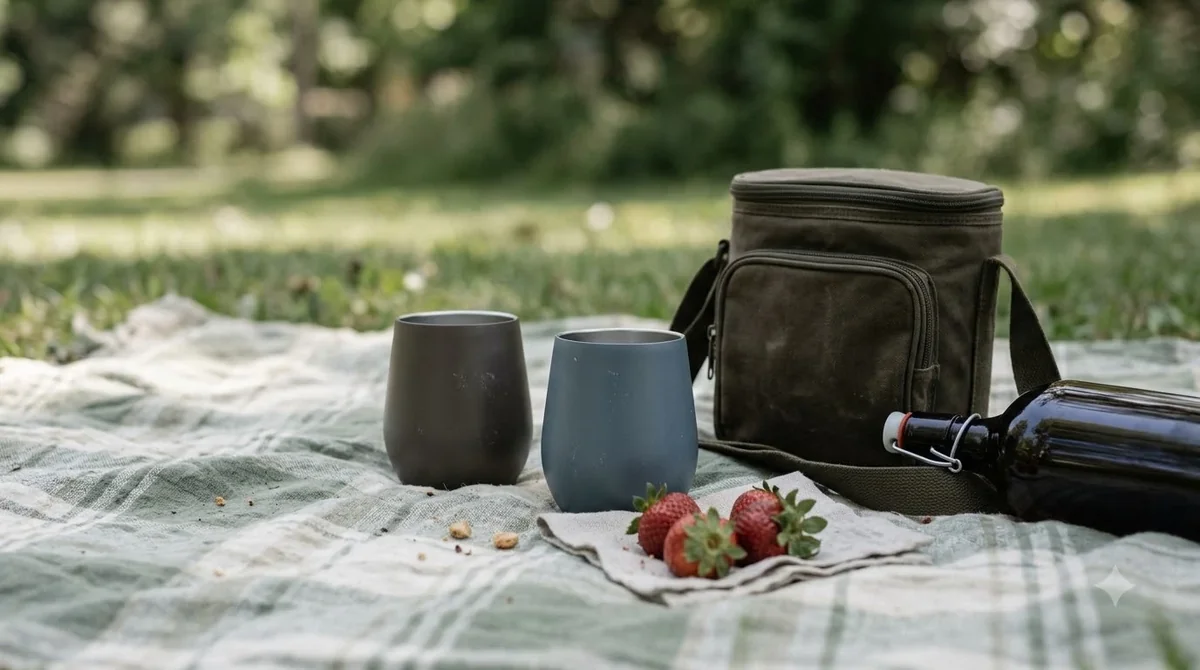
A weighted-base holder works on a blanket or towel where a spike cannot be pushed in. The heavy base spreads the load, and the holder stays upright when someone brushes past it.
Why it stands out: The Picnic article on Wikipedia notes that picnics can be informal with throwaway plates or formal with crystal wine glasses, and a weighted base lets you use proper glassware on a blanket without it tipping. The base also keeps the glass low, which helps on windy days.
Keep in mind: A heavy base adds weight to the bag. Choose a base that packs flat or nests with the glass, and check that the cup fits your glass size.
Best for: Park picnics, outdoor concerts, and blanket gatherings where a stable base matters more than a spike.
Best for Casual, Low-Profile Use
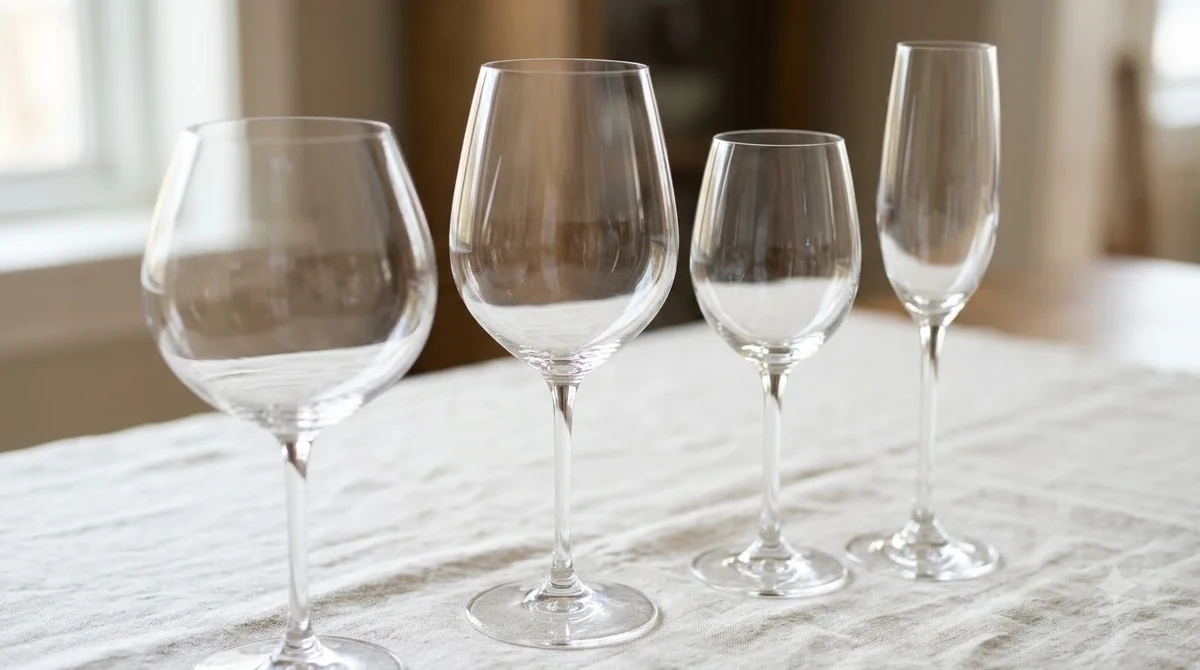
A cup-style holder for stemless glasses is the simplest option. It keeps the wine inside a snug sleeve, so the glass is less likely to tip and easier to carry in one hand.
Why it stands out: The Wine glass article on Wikipedia describes stemless wine glasses as typically used more casually than stemmed glasses, which makes them a natural fit for beach settings. A snug sleeve also protects the glass from bumps.
Keep in mind: Stemless glasses warm up faster in the hand because there is no stem to hold. If you prefer cold wine, use a holder with a wider base or add a bottle sleeve to the cooler so the wine stays chilled.
Best for: Casual drinkers, short beach visits, and anyone who wants a simple holder without moving parts.
Best for Shatter-Conscious Groups
Plastic and acrylic holders suit groups where glass is not allowed or where breakage is a real risk. They are lighter than glass, and most can be washed and reused for the whole season.
Why it stands out: Shatter-resistant holders reduce the chance of broken glass near children and pets, which is one of the main reasons people choose them for beaches. They also pack more easily than a set of crystal glasses.
Keep in mind: The Wine glass article describes the glass’s stem and bowl shape as important for how wine smells and tastes, so plastic may feel less refined. Check local rules before bringing glass to a public beach, since some areas restrict it.
Best for: Family beach days, public beaches with glass restrictions, and large groups.
How to Choose a Beach Wine Glass Holder
Choose the holder by the setting first, then by the glass. A spike suits soft sand, a clip suits walking, and a weighted base suits a blanket. Once the setting is clear, check the size and the material against the glasses you own.
- Glass size: A standard restaurant pour is about 150 mL (5 US fl oz), according to the Wine glass article. Make sure the cup holds a full glass without the rim sitting above the sleeve.
- Stem or stemless: Stemless glasses fit cup-style holders most easily, while stemmed glasses need a holder with a clear stem gap or a weighted base.
- Material: Choose shatter-resistant plastic or acrylic where glass is a risk, and use a sturdy base for windy beaches.
- Weight: A lightweight holder is easier to carry, but heavier bases stay put on blankets and in breeze.
The Wine glass article also notes that the traditional wine glass unit of 2 US fluid ounces bears little relation to most contemporary glasses, which hold about 125 mL. Measuring the pour once before a trip helps you plan how much wine to bring.
Frequently Asked Questions
What is the best wine glass holder for a beach?
For soft sand, a spike-style holder with a sturdy cup works well, since it pushes into the ground and holds the base. For walking or moving between spots, a clip-on holder is more practical. The best choice depends on whether you sit in one place or move around.
Are stemless wine glasses better for the beach?
Stemless glasses are usually easier to use outdoors because they sit low and fit snug sleeves. The Wine glass article on Wikipedia describes them as typically used more casually than stemmed glasses, which suits a relaxed beach day. The main drawback is that they warm faster in the hand.
Can you bring wine glasses to a public beach?
Rules differ by location. Many public beaches restrict glass containers for safety, so check local rules before you go. Shatter-resistant plastic or acrylic holders are a common alternative where glass is not allowed.
How much wine fits in a beach glass?
A typical restaurant pour is about 150 mL, or 5 US fluid ounces, according to the Wine glass article. Many home glasses hold more than that, so pour a measured amount to avoid overfilling a glass that sits in sand or on a blanket.
A good beach wine glass holder keeps the glass upright, protects it from bumps, and suits the way you spend the day. Choose the style by setting first, then check the glass size, and browse the Accessories Library for related holders, coolers, and carriers before you pack.
More in Wine Accessories
 Coravin Vs Vacu Vin: Choose the Right Wine Saver for Your BottlesUpdated Nov 21, 2026
 Zwilling Wine Stopper Review: Preserve Open Bottles LongerUpdated Nov 21, 2026
 Wine Enthusiast Wine Preserver Review: Features, Benefits and LimitationsUpdated Nov 21, 2026
 Wine Enthusiast Wine Stopper: An Easier Way to Reseal Open BottlesUpdated Nov 21, 2026
 Vintorio Wine Opener: Two-Step Cork RemovalUpdated Nov 21, 2026
 Zwilling Wine Aerator Review: Aerate, Pour, and Seal With One ToolUpdated Nov 21, 2026