

We may earn a commission when you buy through links on this page, at no extra cost to you. Learn more.
The best wine cork holder is the one that keeps corks visible, dry and close to the bottle you are serving from. Most people look for a countertop tray, a wall-mounted rack or a decorative bowl, and the right choice depends on how many corks you save and how much space your kitchen or bar has.
This guide explains the main cork holder styles, what each one does well, and the points to check before buying. It also covers what corks are made from, since the material affects how a holder should be cleaned and stored.
Quick Comparison of Cork Holder Styles
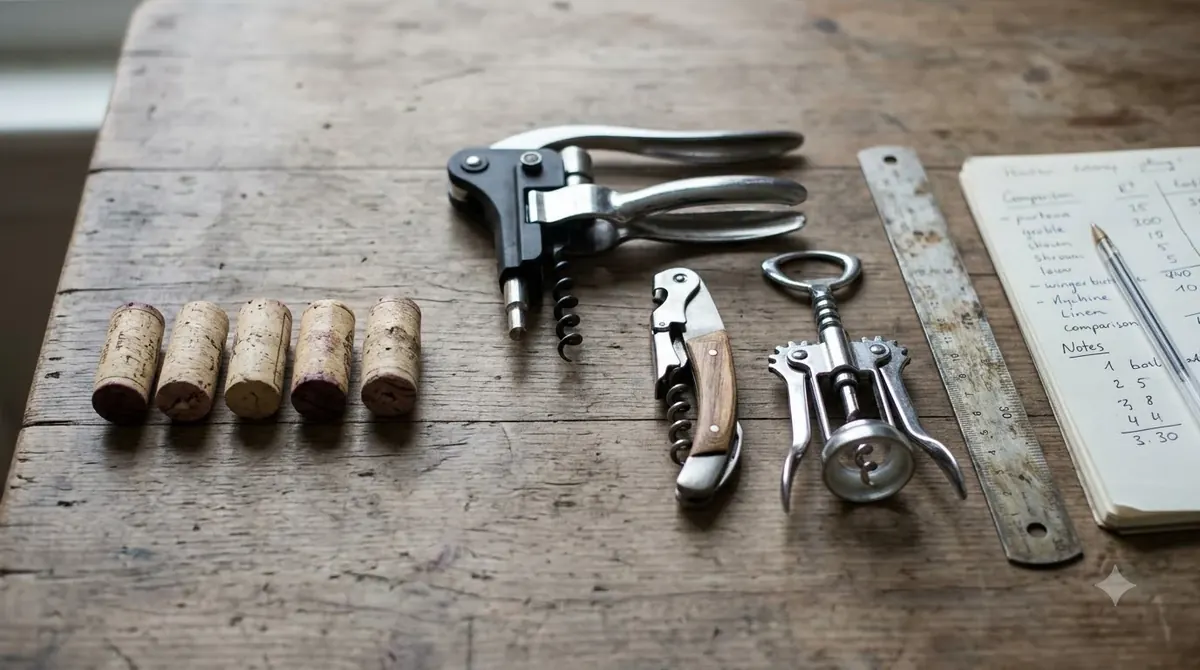
Cork holders range from simple trays to ornamental vessels, and each style suits a different habit. The comparison below sets the common types side by side so you can narrow the options before reading the sections that follow.
| Style | Typical material | Capacity | Best placement |
|---|---|---|---|
| Countertop tray | Wood, stone, or ceramic | Small to medium | Kitchen counter or bar cart |
| Wall rack | Wood or metal | Medium to large | Pantry or dining wall |
| Decorative bowl | Glass, ceramic, or stoneware | Small | Sideboard or entry table |
| Magnetic board | Cork board or metal | Medium | Near the fridge or prep area |
| Display jar | Glass with a lid | Small to medium | Shelf or open cabinet |
Best for Countertop Trays in Busy Kitchens
A countertop tray is the simplest cork holder and the one most people start with. It sits near the bottle rack or the prep area and keeps a small collection of corks in one place.
Why it stands out: A tray is easy to reach, takes little space and does not need installation. Wooden trays look natural on most counters, and a shallow lip keeps corks from rolling off when the counter is in use.
Keep in mind: Corks left in a damp spot can absorb moisture and lose their shape, so choose a tray that sits away from the sink and dishwasher.
Best for: home cooks and small households that open a bottle now and then and want a tidy spot for the cork.
Corks differ in size and shape depending on the bottle, and a holder should be planned around that variety. Sparkling wine corks take a mushroom shape after bottling, with a wider head than a standard still wine cork, so they need more room. A holder with deep slots or wide cups accommodates both, while a shallow tray works best when every cork is similar in size.
Best for Wall Racks and Pantry Storage
Wall racks and pantry holders suit people who save more corks or want them off the counter. They group corks together and keep them in view, which makes it easier to see how many bottles have been opened over a season.
Why it stands out: A wall rack frees up counter space and suits a pantry or dining wall where the bottles are kept. Many designs use simple pegs or a slotted board that holds several corks at once.
Keep in mind: Check the mounting hardware and the wall material before drilling. A rack that holds more corks than you use can become a dust collector, so match the size to your habit.
Best for: households with a dedicated wine area or anyone who likes the cork collection on display.
Best for Decorative Bowls and Entry Tables
Decorative bowls work well where a cork holder is part of the room’s style. They suit a sideboard, a hallway table or a dining room buffet, and they hold a small number of corks without taking up much space.
Why it stands out: A bowl can be styled with other objects, and ceramic or glass pieces look polished in a formal room. The open shape also makes corks easy to add and remove.
Keep in mind: A bowl with a wide opening can let dust settle on the corks, and a small bowl fills up quickly if you open bottles often.
Best for: entertaining spaces and hosts who want a holder that doubles as decor.
Best for Magnetic and Cork Board Holders
Magnetic boards and cork boards hold corks in an organized grid. They suit a kitchen wall near the fridge or a prep area where the cork is used for a quick reminder or a memo.
Why it stands out: A board keeps corks upright and separated, which makes it easy to find a particular bottle. Some designs use a magnetic backing that holds corks or notes without extra hardware.
Keep in mind: Magnetic fixtures only work on metal surfaces, and a board can crowd a small kitchen. Measure the wall before you buy.
Best for: home bars and kitchens with a clear wall area for a larger display.
Best for Gifts and Display Jars
Glass jars with lids and decorative cork-themed pieces make useful gifts. A jar keeps corks together, shows them clearly and can be given as a keepsake for someone who likes to remember special bottles.
Why it stands out: A jar is simple to fill and close, and it protects the corks from dust. A gift set can include a note or a list of the bottles that were opened.
Keep in mind: Glass can break and needs a stable shelf, and a sealed jar should be kept dry so the corks do not pick up odors.
Best for: hosts, wine clubs and anyone who wants a small, personal present.
Cork holders also help with routine care. Corks that sit in a clean, dry spot keep their shape longer and are easier to pick out when you need one, while corks left in a pile can collect crumbs, dust and the residue of a busy counter. Emptying the holder every few weeks and wiping its base keeps the setup tidy without much effort.
How to Choose a Wine Cork Holder
The right holder depends on how you use corks and where you keep them. A few practical checks help narrow the choice before you buy.
- Capacity: Count how many corks you keep in a typical month. A holder that is too small gets crowded, while an oversized one invites clutter.
- Placement: Choose a spot away from heat, water and direct sun. Corks are sensitive to moisture and can change shape if left in a damp place.
- Material: Wood and ceramic suit most kitchens, while metal and glass work well for display. Wipe any holder regularly to keep dust off the corks.
- Reuse: Natural corks are often recycled instead of kept. Wikipedia’s article on wine corks notes that used corks can be recycled into corkboards and coasters, and some stores accept natural corks for composting or recycling.
Cork holders pair well with the rest of your setup. If you open bottles for a group, it helps to know how many glasses you need, and a guide on how many glasses are in a bottle of wine can help you plan.
Frequently Asked Questions
What is the best type of wine cork holder?
A countertop tray is the simplest choice for most kitchens. Wall racks suit larger collections, and decorative bowls fit entertaining spaces. Pick the style that matches your storage space and how many corks you keep.
Can you reuse a wine cork?
Wine corks are generally not reused as stoppers for wine, because of bacterial concerns. Used corks are often recycled into items such as corkboards and coasters, or given to recycling programs that accept natural cork.
Where should I keep a cork holder?
Keep it away from water, heat and direct sun. A dry shelf or counter near the bottle rack works well. Avoid placing it beside the sink or dishwasher, where humidity can change the feel of the corks.
Is a cork holder a good gift?
Yes, especially a glass jar or decorative bowl. A gift works well for hosts and wine lovers who enjoy keeping mementos of special bottles. Add a short note so the recipient knows the holder is meant for keepsake corks.
Whichever style you choose, start with the simplest version and adjust after a few weeks of use. Many people find that a tray is enough until the collection grows, and a larger rack or display piece makes more sense once the corks start to overflow.
A cork holder is a small detail, but it keeps the kitchen tidy and makes the bottle collection easier to enjoy. For more ideas on what to keep near your bottles, browse the Accessories Library, and see the wine bottle holder guide if you want a stand for the bottle itself.
More in Wine Accessories
 Coravin Vs Vacu Vin: Choose the Right Wine Saver for Your BottlesUpdated Nov 21, 2026
 Zwilling Wine Stopper Review: Preserve Open Bottles LongerUpdated Nov 21, 2026
 Wine Enthusiast Wine Preserver Review: Features, Benefits and LimitationsUpdated Nov 21, 2026
 Wine Enthusiast Wine Stopper: An Easier Way to Reseal Open BottlesUpdated Nov 21, 2026
 Vintorio Wine Opener: Two-Step Cork RemovalUpdated Nov 21, 2026
 Zwilling Wine Aerator Review: Aerate, Pour, and Seal With One ToolUpdated Nov 21, 2026