

We may earn a commission when you buy through links on this page, at no extra cost to you. Learn more.
The best wine chilling rods are the ones that match how quickly you need a bottle cold and how long you plan to pour from it. Freezer-kept stainless rods suit a single bottle before guests arrive, while gel-filled models hold a pour cool across a longer evening. Choose by material, fit for your bottle opening, and how easy the rod is to dry and store.
Most wine is served cooler than it sits on a shelf, and a chilling rod closes that gap without setting up a full ice bucket. This guide compares the main rod styles, explains what each does well, and lists what to check before buying. The aim is practical: a bottle that reaches a drinkable temperature and stays there long enough to finish.
Quick Comparison of Chilling Rod Types
The table compares common rod styles by how they cool, where they fit, and what they ask from you. Treat it as a starting point, then match the row to your own routine.
| Type | How it cools | Best use | Main trade-off |
|---|---|---|---|
| Freezer-kept stainless rod | Stored cold, then placed in the wine | One bottle on short notice | Needs freezer space and time to re-chill |
| Gel-filled rod | A gel core holds cold and releases it slowly | Longer pours at the table | Heavier, and slower to reach full chill |
| Hollow ice-filled tube | Filled with ice and water before insertion | Sets that already use an ice bucket | Must be dried after every use |
| Insulated core with sleeve | Pre-chilled core held in a protective sleeve | Steady service over a dinner | Bulkier to store in a cabinet |
Best for Quick Chilling at Home
If you usually open a bottle an hour before dinner, a freezer-kept stainless rod is the most direct option. It works best when the rod has been stored cold and the wine is already near the temperature you want, since a warm bottle takes longer to reach the same point.
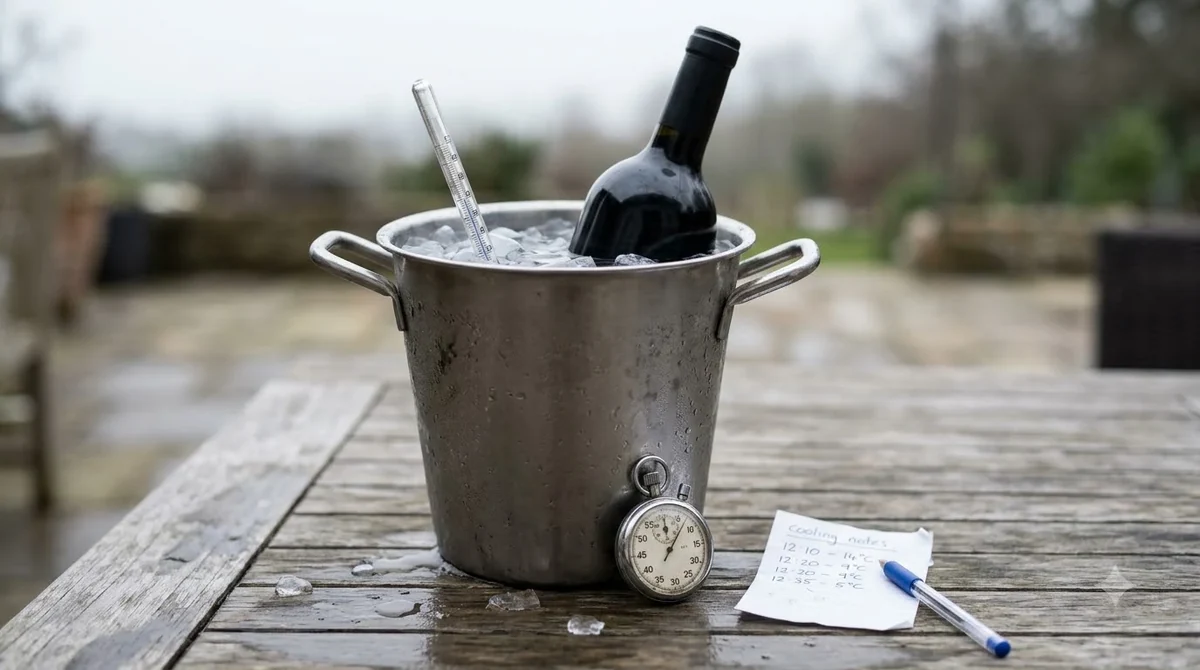
Why it stands out: the rod cools a bottle without taking up room in an ice bucket, and it keeps working while you set the table. Stainless steel conducts cold well, which is the main reason most rods use it as the outer shell. The rod also stays out of the way on a crowded counter because it can go back into the freezer between uses.
Keep in mind: a freezer rod cools faster when the wine starts close to serving temperature. From room temperature, expect a longer wait. Bottle size also changes the job. The standard wine bottle is 750 mL, and larger formats hold more liquid, so a rod will need more time to bring a magnum down to the same temperature.
Best for Keeping a Pour Cold at the Table
Once guests are seated, the challenge changes. The wine must stay cool across several glasses, not just reach temperature once. Gel-filled rods suit this job because the gel core releases cold slowly, which helps a pour hold its chill over a longer meal.
Why it stands out: a gel-filled model gives a steadier curve than a rod that is only stored in the freezer. It is also less sensitive to how long the bottle has been out, which makes it forgiving for guests who linger over a second glass. The rod can stay in the bottle between pours, so you do not have to reach for the bucket each time.
Keep in mind: gel-filled rods are heavier and take longer to reach their full chill, so start them earlier than you would a freezer-kept stick. Planning the pour count helps. A standard bottle is about six 125 mL glasses, as the wine glass article explains, which means one bottle covers a small table with little left over.
Best for Bar Carts and Entertaining
A home bar with several bottles open at once needs rods that are quick to move from bottle to bottle and easy to keep organized. Hollow ice-filled tubes and insulated sleeve-style cores both suit this setup, because they can sit beside the bottles on a cart without a separate ice bath.
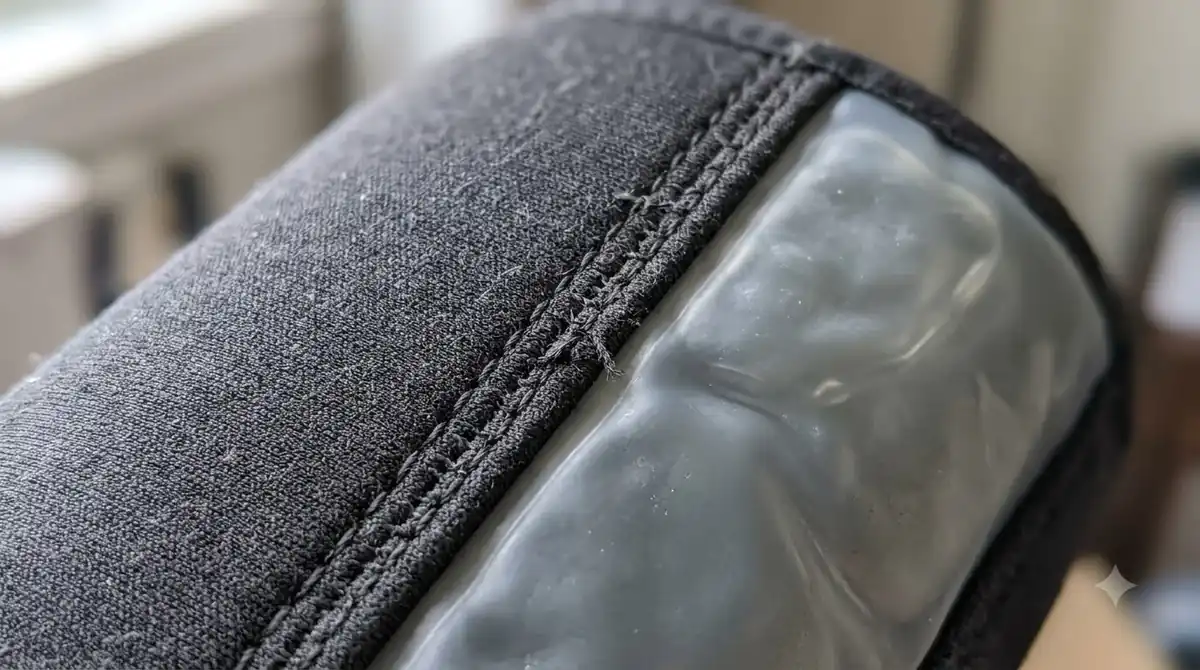
Why it stands out: a set of matched rods keeps a row of bottles at similar temperatures, which matters when guests move between reds and whites. The rods also look tidy on a bar cart, and a matched finish reads as intentional rather than improvised. Many hosts keep a spare rod for a second white.
Keep in mind: ice-filled tubes need to be dried thoroughly after every use, or the surface can stay wet and leave marks on a shelf. Insulated sleeves are bulkier, so measure the space on your cart before buying a full set. Wine glass capacity is a useful guide here too, since fewer, larger pours mean the bottle empties before the rods finish their job.
Best for Small Kitchens and Tight Freezers
Not every kitchen has room for a freezer full of cold accessories. In a small kitchen, the best rod is the one that stores flat or upright in a drawer and does not need a dedicated shelf. Stainless sticks that stay in a narrow case are the easiest fit, and they can be stored with other bar tools without crowding anything else.
Why it stands out: a slim rod takes little space, and it can be cleaned in a sink and dried on a towel before it goes back in its case. It is also less likely to get lost among other kitchen gear, which is a common problem with loose accessories.
Keep in mind: a slim rod may chill more slowly than a bulkier core, because there is less mass to hold cold. If you open many bottles on the same evening, a small freezer may not keep up. Browsing the Accessories Library helps you compare sizes before you commit to a set.
Best for Gifting and Wine Lovers
A chilling rod can be a practical gift for someone who already owns a good wine glass and a corkscrew. The best gift is one that suits the recipient’s habits: a freezer-kept rod for someone who opens bottles on short notice, or a gel-filled rod for a person who hosts long dinners.
Why it stands out: a rod is useful every time a bottle is opened, so it gets used more often than many decorative gifts. A well-made stainless rod also lasts for years if it is dried properly, which makes it a sensible present for a home bar.
Keep in mind: check whether the recipient has a freezer with room, since a rod that cannot be stored cold will not work as intended. A gift set with a case is often easier to store than loose rods, and the case keeps the set together on a shelf.
How to Choose the Right Chilling Rod
Choosing well comes down to a few checks rather than brand names. Read the product description for the details below, and match them to how you actually serve wine.
- Fit for your bottle: confirm the rod passes through the neck opening of the bottles you use most, including any larger formats.
- Material: stainless steel is common because it conducts cold well and cleans easily.
- Storage method: decide whether the rod goes in a freezer, an ice bath, or a sleeve, and make sure you have room for it.
- Drying and cleaning: rods that can be dried fully are less likely to leave residue or grow odors in a cabinet.
- Weight: a heavier gel-filled rod stays steady in a bottle but takes longer to handle and store.
Frequently Asked Questions
Do wine chilling rods actually cool wine?
Yes. The rod moves heat out of the liquid through direct contact, which lowers the wine’s temperature over a few minutes. The effect is strongest when the rod is very cold and the wine starts near serving temperature.
How long should a chilling rod stay in the wine?
Check the bottle every few minutes and remove the rod when the wine reaches your target. The time depends on the starting temperature, the rod type, and the bottle size, so the product’s own directions are the best guide.
Can I use a chilling rod on sparkling wine?
Many people do, because sparkling wine is usually served very cold. Check that the rod is suitable for sparkling bottles, and keep an eye on the chill so the wine does not become too cold to show its bubbles well.
How should I clean and store a chilling rod?
Rinse the rod with warm water and a mild soap, then dry it completely before storing. Keep it in a dry place so moisture does not collect on the surface or around any seals.
A chilling rod is a small investment that makes a bottle ready when you need it. Match the type to your pace of pouring, plan the number of glasses before opening, and the rod will do most of the work. For a quick check on how far a bottle will stretch, see how many glasses in a bottle of wine.
More in Wine Accessories
 Coravin Vs Vacu Vin: Choose the Right Wine Saver for Your BottlesUpdated Nov 21, 2026
 Zwilling Wine Stopper Review: Preserve Open Bottles LongerUpdated Nov 21, 2026
 Wine Enthusiast Wine Preserver Review: Features, Benefits and LimitationsUpdated Nov 21, 2026
 Wine Enthusiast Wine Stopper: An Easier Way to Reseal Open BottlesUpdated Nov 21, 2026
 Vintorio Wine Opener: Two-Step Cork RemovalUpdated Nov 21, 2026
 Zwilling Wine Aerator Review: Aerate, Pour, and Seal With One ToolUpdated Nov 21, 2026