

We may earn a commission when you buy through links on this page, at no extra cost to you. Learn more.
The best wine bottle trivet for most dining tables is a wide-rimmed stainless steel or silver-plated coaster with a non-slip silicone or baize base, as it traps condensation and red wine drips before they stain wood or linen. For heavily chilled whites and sparkling bottles, a thick absorbent stone or cork pad handles heavy sweating without sticking to the glass. Hosts who serve casually outdoors or on glass tabletops often prefer flexible ribbed silicone mats that grip slick surfaces and go straight into the dishwasher.
A single stray droplet of Cabernet or a ring of cold condensation can leave a permanent mark on an oiled walnut table or a fresh linen runner. While standard drink coasters work for stemware, a standard 750ml bottle—and especially a wider Champagne or Burgundy punt—requires a broader footprint and raised walls to contain runoff between pours. Choosing the right style comes down to the temperature of the wines you serve most often and the delicacy of the surface underneath.
Quick Comparison
Different trivet materials balance drip containment, surface grip, and cleanup effort in distinct ways.
| Trivet Type | Primary Material | Drip Containment | Surface Protection | Cleanup Method |
|---|---|---|---|---|
| Formal Table Service | Polished stainless steel or pewter with felt/silicone base | High (raised rim) | Very high (non-scratch base) | Hand wash and buff dry |
| Heavily Chilled Whites & Sparkling | Porous sandstone, terracotta, or dense cork | Moderate (absorbs moisture) | High (cushioned bottom) | Air dry between uses |
| Casual & Outdoor Dining | Food-grade textured silicone | Moderate (channeled grooves) | High (high-friction grip) | Dishwasher safe |
| Rustic & Everyday Countertop | Hardwood, acacia, or olivewood | Low to moderate (shallow lip) | Moderate (needs pads) | Wipe with damp cloth |
| Multi-Bottle & Magnum Entertaining | Stoneware ceramic or oversized metal tray | High (deep dish wall) | High (glazed or padded base) | Dishwasher or hand wash |
Best for Formal Dining Tables: Raised-Rim Metal Wine Coasters
A mirror-polished stainless steel, pewter, or silver-plated coaster with a turned wood or padded underside is the classic choice for protecting fine wood tables and formal tablecloths from red wine drips.
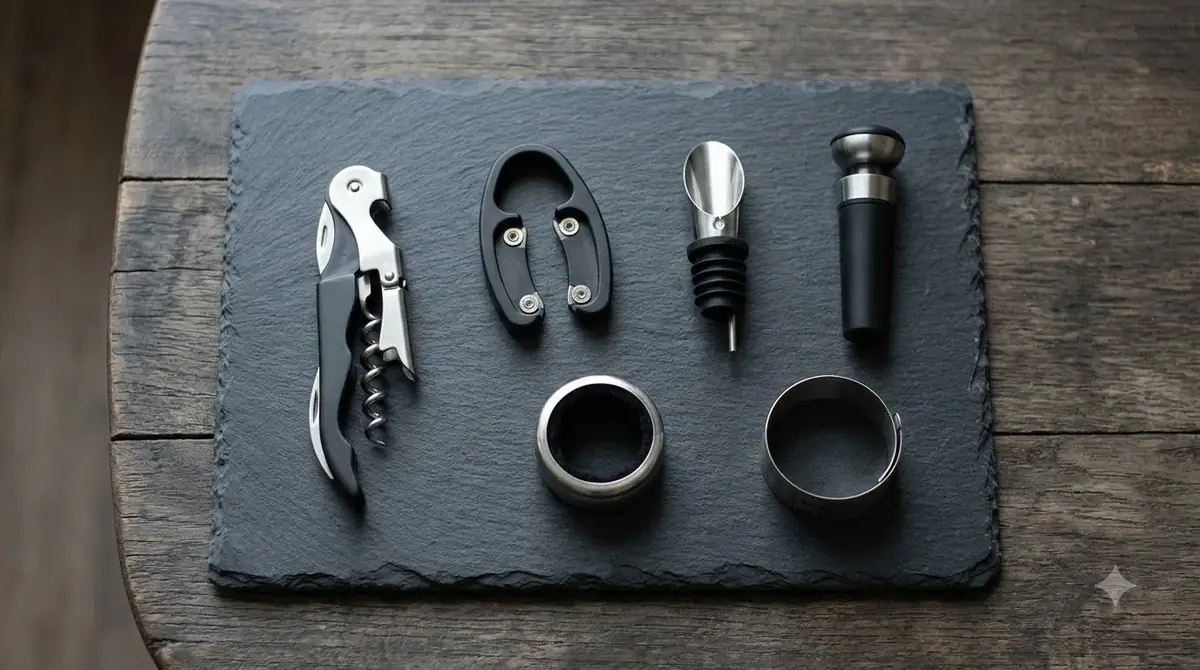
Why it stands out: Manufacturers like Georg Jensen design their grooved metal coasters with a non-slip silicone or green baize base specifically to prevent scratching while catching runoff along a raised perimeter. Because the metal walls typically stand around three-quarters of an inch to two inches high, any wine that trickles down the neck after pouring pools inside the rim rather than wicking onto your linen. As editors at VinePair note, a classic metal bottle coaster also sharpens the look of a holiday table while cutting down on tablecloth stains.
Keep in mind and best for: Mirror-finished steel and pewter show water spots and fingerprints quickly, so you will need to wipe them down with a soft cloth after dinner rather than tossing them in the dishwasher. Check the interior diameter carefully if you drink a lot of sparkling wine, as standard 4.25-inch models fit Bordeaux bottles snugly but can be too tight for wider Champagne bases. This style is best for hosts setting a formal dining room table or pairing a trivet with a dedicated wine bottle holder on a sideboard.
Best for Heavily Chilled Whites and Sparkling Wines: Absorbent Stone and Cork Trivets
Porous sandstone, unglazed ceramic, and thick composite cork trivets pull cold condensation away from the bottle base so water never pools or drips onto your lap when you lift the glass.
Why it stands out: Bottles pulled straight from an ice bucket or refrigerator sweat continuously in warm rooms, and smooth metal or glass trivets can actually create a vacuum seal that makes a wet bottle lift the coaster with it. Absorbent stone and natural cork drink in that runoff immediately, keeping the bottom of the bottle dry and preventing cold water rings on finished wood. Most quality stone models include a thin cork backing so the damp stone never transfers moisture through to the table below.
Keep in mind and best for: Over time, dark red wine drips can stain light-colored sandstone or cork permanently, making these better suited to white, rosé, and sparkling bottles than full-bodied reds. Because porous materials hold onto trapped moisture, they also need time to air dry completely on a rack before you stack them in a cabinet. Pick this type if you frequently serve crisp Sauvignon Blanc, Pinot Grigio, or Prosecco straight from the fridge.
Best for Casual Patios and Glass Tables: Non-Slip Silicone Trivet Mats
Flexible, ribbed silicone bottle mats grip slick glass, stone, and outdoor patio tables while channeling condensation into recessed grooves.
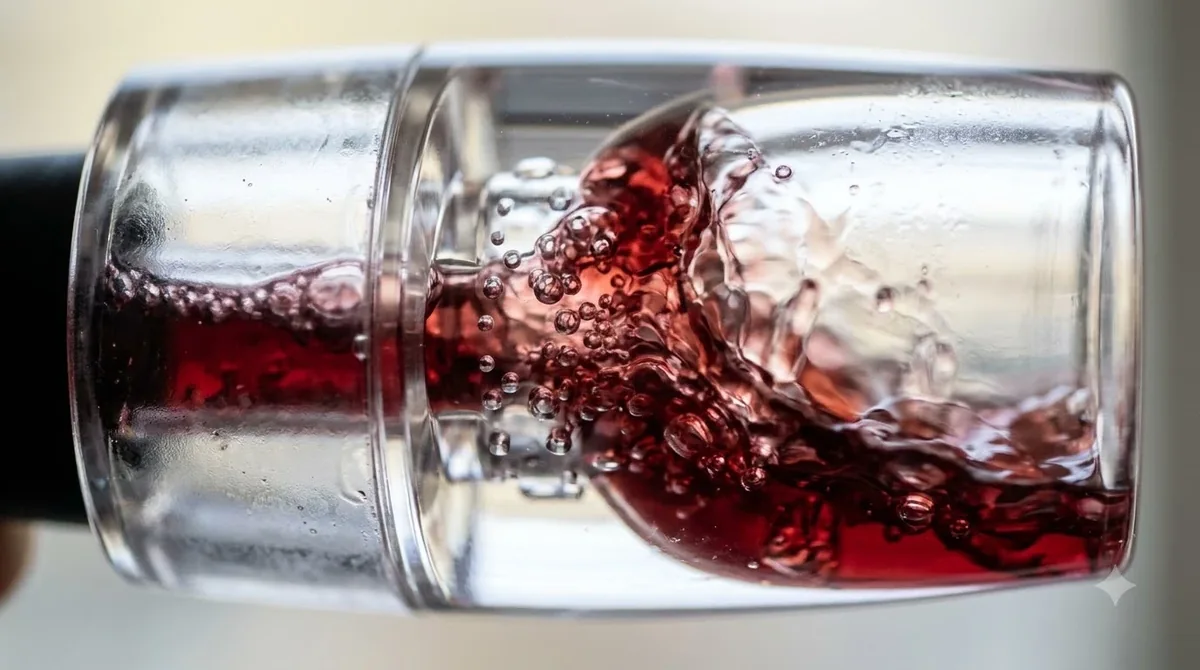
Why it stands out: Unlike rigid metal or ceramic coasters that can clatter against a glass tabletop or slide on a breezy deck, food-grade silicone stays anchored in place even when bumped. Raised concentric ribs hold the base of the bottle slightly above any collected moisture, and many dual-purpose silicone mats handle hot cookware just as easily as chilled bottles. Cleanup requires zero special care because the entire mat goes straight into the top rack of the dishwasher.
Keep in mind and best for: Silicone leans decidedly utilitarian, so it looks right at home on a kitchen island, picnic table, or outdoor bar cart rather than beside fine crystal at a holiday dinner. Very shallow grooves can also overflow if a bottle sits in humid summer heat for hours without being wiped. Choose a silicone trivet when durability, dishwasher convenience, and non-slip stability matter more than formal presentation.
Best for Everyday Kitchen Counters: Turned Hardwood Bottle Coasters
Warm walnut, acacia, or olivewood trivets bring natural grain to a kitchen counter or casual dinner table while cushioning glass bottles against hard stone surfaces.
Why it stands out: Setting a heavy glass bottle down on granite, quartz, or marble countertops always carries a slight risk of chipping the punt or scratching the stone. A turned hardwood trivet softens that contact with a sturdy, slightly lipped base that blends effortlessly into everyday kitchen decor. Many wood designs feature a subtle recessed center or a small inlaid cork disc that absorbs minor drips while keeping the outer wooden rim dry.
Keep in mind and best for: Unsealed or lightly oiled wood will warp, crack, or darken if left soaking in standing water or run through a dishwasher cycle. You will need to hand wash these quickly, towel them dry right away, and occasionally rub them with food-grade mineral oil to maintain their finish. This option is best for everyday weeknight pours on stone countertops and casual wooden tables.
Best for Magnums and Multi-Purpose Serving: Glazed Stoneware Dish Trivets
Wide, high-walled stoneware and ceramic wine coasters accommodate oversized 1.5-liter magnums during dinner and double as small serving bowls for olives or nuts afterward.
Why it stands out: Standard wine coasters often top out around 4.5 inches in internal diameter, which leaves wider Champagne bottles, bulbous Burgundy bottles, and magnums perched precariously on the rim. Glazed stoneware dish trivets typically measure closer to 5 inches across with steep, food-safe walls that contain heavy drips from large-format bottles. Once the bottle is empty—especially helpful when pouring for a crowd and tracking how many glasses in a bottle of wine you have left—the non-porous glaze wipes clean in seconds or goes straight into the dishwasher.
Keep in mind and best for: Hard ceramic can scratch delicate wood finishes if the bottom foot ring is unglazed or lacks felt pads, so inspect the underside before placing it on an heirloom dining table. Ceramic can also chip if knocked against a sink faucet during cleanup. Go with glazed stoneware if you entertain large groups, pour wider bottle shapes, or want a versatile piece that earns its cabinet space between parties.
How to Choose
Start by measuring the widest bottles you regularly buy rather than assuming every bottle shares the same base width. Standard Bordeaux bottles measure roughly 3 inches across the base, whereas Burgundy, Rhône, and sparkling bottles often flare out to 3.5 inches or more, and magnums require at least 4.5 to 5 inches of clear interior space. A trivet whose inner diameter is too tight will force the bottle to sit unevenly on the lip, increasing the odds of a tip-over.
Next, match the underside backing and rim height to your furniture. Unfinished wood, antique veneers, and linen tablecloths require a continuous barrier—such as a solid metal or glazed ceramic base lined with felt, baize, or silicone—so trapped condensation cannot seep through. If you are building out a complete serving setup from our Accessories Library, pair a deep-walled trivet with a foil cutter and a drip collar for maximum table protection.
Tip: Before setting any new metal, stone, or ceramic wine trivet on a lacquered or oiled wood table, run your fingertip along the bottom edge; if you feel raw metal or unglazed clay, apply three small adhesive felt dots to prevent micro-scratches.
Frequently Asked Questions
What is the difference between a wine bottle trivet and a wine coaster?
In everyday retail usage, the terms wine bottle trivet and wine coaster refer to the same tabletop accessory designed to sit beneath a bottle and catch drips. Traditionally, a wine coaster features a deeper vertical rim made of metal or wood for formal table service, while a trivet may be flatter and crafted from cork, stone, or silicone. Both serve the exact same purpose of shielding furniture from condensation rings and red wine stains.
What diameter should a wine bottle trivet be?
Look for an interior diameter of at least 3.75 to 4 inches to comfortably fit standard 750ml Bordeaux and Burgundy bottles without catching on the edges. If you frequently serve Champagne, sparkling wine, or 1.5-liter magnums, choose a wider model with an interior opening of 4.75 to 5.5 inches. Leaving a little extra room around the base also makes it easier to set the bottle down smoothly during dinner.
How do you stop a wet wine bottle from sticking to a trivet?
Smooth, flat coasters made of polished metal, glass, or glazed ceramic can create surface tension with a wet, chilled bottle, causing the trivet to lift and drop unexpectedly. To prevent sticking, choose a trivet with a ribbed, grooved, or textured interior surface that breaks the vacuum seal, or opt for absorbent cork or sandstone that wicks water away from the glass.
Can you put a wine bottle trivet in the dishwasher?
Dishwasher safety depends entirely on the material and backing. Solid silicone and fully glazed stoneware trivets without glued-on felt pads can usually go straight into the dishwasher. Silver-plated metal, pewter, hardwood, and cork-backed stone coasters should always be hand washed and dried immediately to prevent tarnishing, warping, or adhesive failure.
Selecting the right wine bottle trivet protects your favorite dining surfaces while keeping wine service calm and mess-free from the first pour to the last drop. Whether you prefer the classic polish of a rimmed metal coaster for formal dinners or an absorbent cork pad for chilled whites on the patio, matching the material to your bottles and furniture ensures years of worry-free entertaining.
More in Wine Accessories
 Coravin Vs Vacu Vin: Choose the Right Wine Saver for Your BottlesUpdated Nov 21, 2026
 Zwilling Wine Stopper Review: Preserve Open Bottles LongerUpdated Nov 21, 2026
 Wine Enthusiast Wine Preserver Review: Features, Benefits and LimitationsUpdated Nov 21, 2026
 Wine Enthusiast Wine Stopper: An Easier Way to Reseal Open BottlesUpdated Nov 21, 2026
 Vintorio Wine Opener: Two-Step Cork RemovalUpdated Nov 21, 2026
 Zwilling Wine Aerator Review: Aerate, Pour, and Seal With One ToolUpdated Nov 21, 2026