

We may earn a commission when you buy through links on this page, at no extra cost to you. Learn more.
The best wine bottle cooler sleeve depends on where the bottle will sit: a neoprene or foil-lined insulated sleeve keeps a chilled bottle cold for outdoor pours, a gel-filled freezer sleeve gives the fastest chill, and a thin sleeve is better for a red that only needs a light cool-down. Match the sleeve to the wine’s serving temperature and to how long the bottle will stay out of the fridge.
A bottle cooler sleeve is a wrap that goes around the bottle to hold its temperature. Some sleeves keep a cold bottle cold for longer, and others pre-chill the wine before it is poured. Because serving temperature changes the way wine tastes, a sleeve can make a noticeable difference at a picnic, a patio, or a table where the bottle sits for an hour. The sections below group the options by use and explain what to check before you buy.
Quick Comparison of Bottle Cooler Sleeve Types
Sleeves fall into four broad groups. They differ in how they cool, how long they hold the temperature, and whether they need freezing ahead. The table gives a side-by-side view so you can narrow the list before reading the details.
| Sleeve type | How it cools | Holds temperature | Prep needed | Best for |
|---|---|---|---|---|
| Neoprene insulated sleeve | Slows warming from the air | Moderate | Chill the bottle first | Outdoor pours |
| Gel-filled freezer sleeve | Pre-chilled gel cools the bottle | Moderate, fades over time | Freeze overnight | Fast chilling |
| Foil-lined thermal sleeve | Reflects heat and slows warming | Good | Chill the bottle first | Sunny patios |
| Thin fabric sleeve | Light insulation only | Short | None | Light cool-down of reds |
Best for Outdoor Picnics and Patio Pours
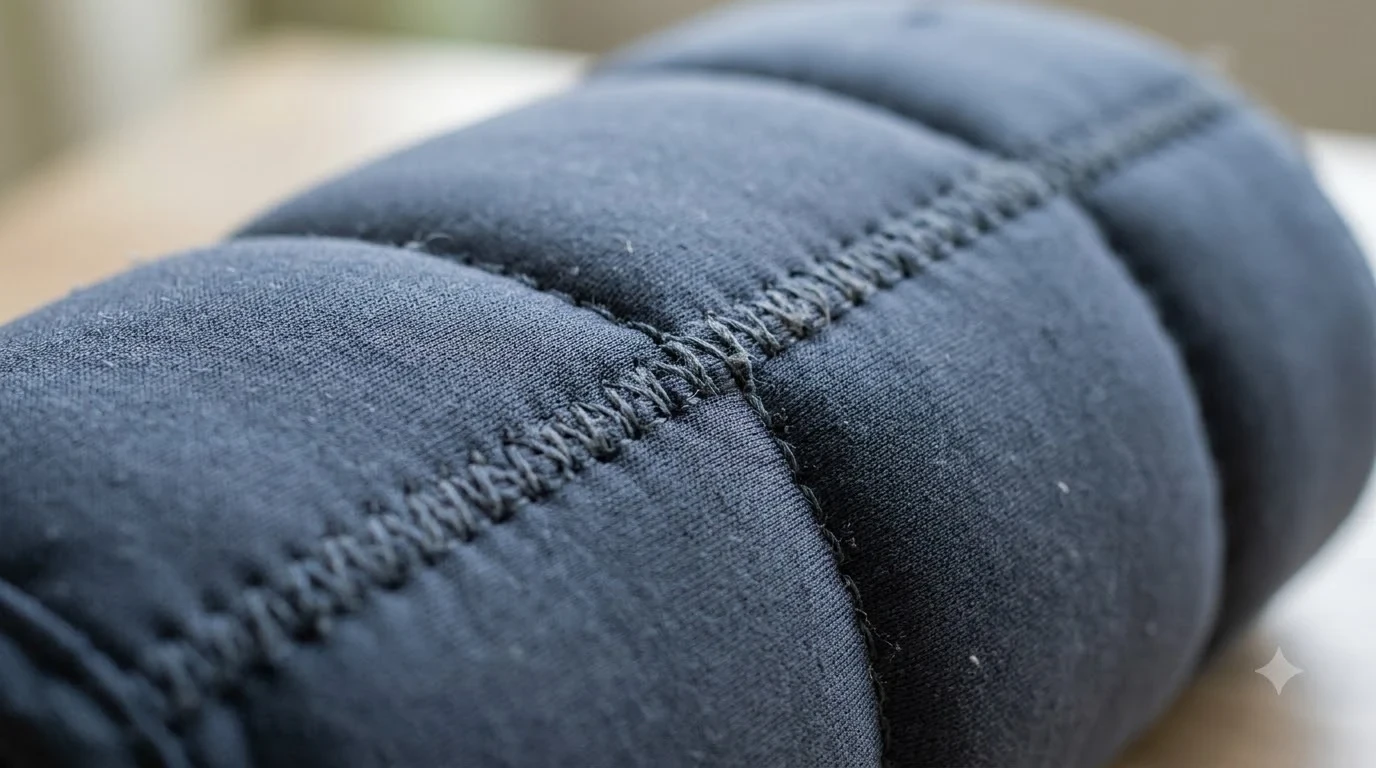
An insulated neoprene sleeve suits a bottle that will sit outdoors for an hour or two. The sleeve slows the heat that reaches the glass, so the wine stays closer to its serving temperature longer than a bare bottle would. This is the style most people reach for when they bring wine to a picnic or a backyard gathering.
Why it stands out: neoprene is flexible, so the sleeve fits a range of bottle shapes and slips on quickly. It also keeps the label dry when the bottle is passed around.
Keep in mind: a sleeve slows warming but does not cool a warm bottle. Chill the bottle in the refrigerator first, then slip the sleeve on before you leave the house.
Best for: picnics, patio meals, and anyone serving wine outdoors.
Best for Keeping Sparkling Wine Ice Cold
A sleeve that holds sparkling wine near its serving range suits Champagne and other sparkling bottles, which taste best well chilled. The Wine Folly serving temperature guide puts sparkling and light-bodied white wines at 38 to 45°F (3 to 7°C), a narrow window that a warm room can erode quickly. A sleeve helps the bottle stay in that range while you pour the first glasses.
Why it stands out: an insulated sleeve keeps the bottle cold for longer, so the early glasses stay crisp instead of going flat. The fabric grip also makes the bottle easier to hold when it is wet.
Keep in mind: the sleeve does not replace a fridge or an ice bucket. Start with a bottle already cold, and refresh it in the fridge if the party runs long.
Best for: celebrations, brunches, and any table where sparkling wine is poured repeatedly.
Best for Fast Chilling With a Freezer Gel Sleeve
A gel-filled sleeve goes into the freezer, then wraps around a room-temperature bottle to bring it down faster than a refrigerator alone. This style suits a bottle you forgot to chill, or a last-minute guest who arrives with a bottle that needs to be cold soon. The gel draws heat from the glass, so the bottle cools from the outside in.
Why it stands out: a freezer sleeve gives a quick chill with little effort, and it works well alongside a fridge when you have a short window. The gel pack can be reused as long as it stays frozen.
Keep in mind: the cooling effect fades once the gel warms, and the bottle will not stay cold in a warm room for long. Keep the sleeve in the freezer until you use it, and plan to pour soon after you remove it.
Best for: last-minute dinners and anyone who needs a bottle cold within the hour.
Best for Serving Reds Slightly Cool
A thin fabric sleeve suits red wine that is served a little cooler than room temperature. Wine Folly gives 55 to 60°F (12 to 15°C) for light and medium-bodied reds and 60 to 68°F (15 to 20°C) for bold reds. Many homes sit above that range, so a light sleeve can bring a red down a few degrees and keep it there for a glass or two.
Why it stands out: a light sleeve is simple, lightweight, and does not add much bulk to a bottle you pour often. It also suits a table where you do not want the wine to chill too far.
Keep in mind: do not chill a bold red too far, because the tannins and aromas dull when the wine is very cold. Move the bottle to a cool spot about 20 minutes before you pour, and skip the sleeve if the room is already cool.
Best for: medium-bodied reds at a dinner table, where the wine warms quickly.
Best for Sunny Patios and Warm Days
A foil-lined thermal sleeve reflects heat, so it suits a bottle that will sit in direct sun on a patio or at a beach gathering. The lining works against the warmth outside the sleeve, which slows the rise in the bottle’s temperature. It is a practical choice when shade is hard to find.
Why it stands out: a reflective lining slows warming from the sun, and the insulated wall holds the cool that the bottle already carries. These sleeves work well for a long outdoor afternoon.
Keep in mind: a sleeve limits heat gain but does not reverse it, so a warm bottle stays warm. Chill the bottle in the fridge beforehand, then wrap it and keep it in the shade.
Best for: beach trips, poolside pours, and long outdoor gatherings in summer.
How to Choose a Bottle Cooler Sleeve
Start with the serving temperature you want and how long the bottle will be out of the fridge. Then choose the sleeve type that fits the time and the setting, and check the practical details before you buy.
- Target temperature: sparkling and light whites sit at 38 to 45°F, full whites and rosé at 44 to 55°F, and reds at 55 to 68°F depending on body.
- Time out of the fridge: a neoprene or thermal sleeve suits an hour or two, while a freezer gel sleeve is best for quick chilling at the start.
- Fit: check that the sleeve covers the body and neck of your usual bottle shapes, since Bordeaux bottles have a high shoulder and Burgundy bottles slope.
- Cleaning: wipe neoprene and foil sleeves with a damp cloth, and check the gel pack for leaks before freezing.
- Alternatives: an ice ring or a glacette, an insulated container that holds a chilled bottle according to the Wine accessory article, can replace a sleeve for some occasions.
Tip: chill the sleeve and the bottle together. A cold bottle in a warm sleeve warms more slowly than a warm bottle in a sleeve that has been chilled first.
Frequently Asked Questions
Does a bottle cooler sleeve actually keep wine cold?
A sleeve slows the rate at which a bottle warms, so it helps a chilled bottle stay cool for longer. It does not chill a warm bottle on its own. For the best result, start with a bottle already in the fridge and add the sleeve before you go outside.
Should I put a bottle cooler sleeve in the freezer?
Only if the sleeve is a gel-filled type designed for freezing. Gel sleeves are meant to be frozen and then wrapped around a room-temperature bottle. Neoprene and foil sleeves are for insulation, so chill the bottle in the refrigerator instead.
What temperature should white wine be when served?
Wine Folly suggests 38 to 45°F (3 to 7°C) for sparkling and light-bodied white wines, and 44 to 55°F (7 to 12°C) for full-bodied whites. A sleeve helps hold the bottle inside that range once it is out of the fridge.
Can a bottle sleeve work for red wine?
Yes, a light sleeve can bring a red down a few degrees toward its serving range. Wine Folly gives 55 to 60°F (12 to 15°C) for light and medium reds and 60 to 68°F (15 to 20°C) for bold reds, so use a sleeve sparingly for big reds.
A sleeve works best as part of a plan that includes a fridge and a place to pour. For a sense of how many glasses a bottle gives when you are buying for a group, see how many glasses in a bottle of wine. For a holder that keeps a bottle steady on the table, read the guide to a wine bottle holder. You can also browse the Accessories Library for other serving gear.
More in Wine Accessories
 Coravin Vs Vacu Vin: Choose the Right Wine Saver for Your BottlesUpdated Nov 21, 2026
 Zwilling Wine Stopper Review: Preserve Open Bottles LongerUpdated Nov 21, 2026
 Wine Enthusiast Wine Preserver Review: Features, Benefits and LimitationsUpdated Nov 21, 2026
 Wine Enthusiast Wine Stopper: An Easier Way to Reseal Open BottlesUpdated Nov 21, 2026
 Vintorio Wine Opener: Two-Step Cork RemovalUpdated Nov 21, 2026
 Zwilling Wine Aerator Review: Aerate, Pour, and Seal With One ToolUpdated Nov 21, 2026