

We may earn a commission when you buy through links on this page, at no extra cost to you. Learn more.
The best wine bottle coaster is the one that matches how you serve: cork or bamboo for a quiet everyday table, soapstone or metal for a more formal setting, and silicone when cleanup matters most. Coasters were first made for decanters and wine bottles, so the right pick still comes down to material, size and how often the piece will sit under a bottle.
This guide walks through the main coaster materials, what each one handles well, and the points worth checking before you buy. The aim is to help you choose a style that fits your table and your habits, rather than picking from photos alone.
Quick Comparison of Wine Bottle Coaster Types
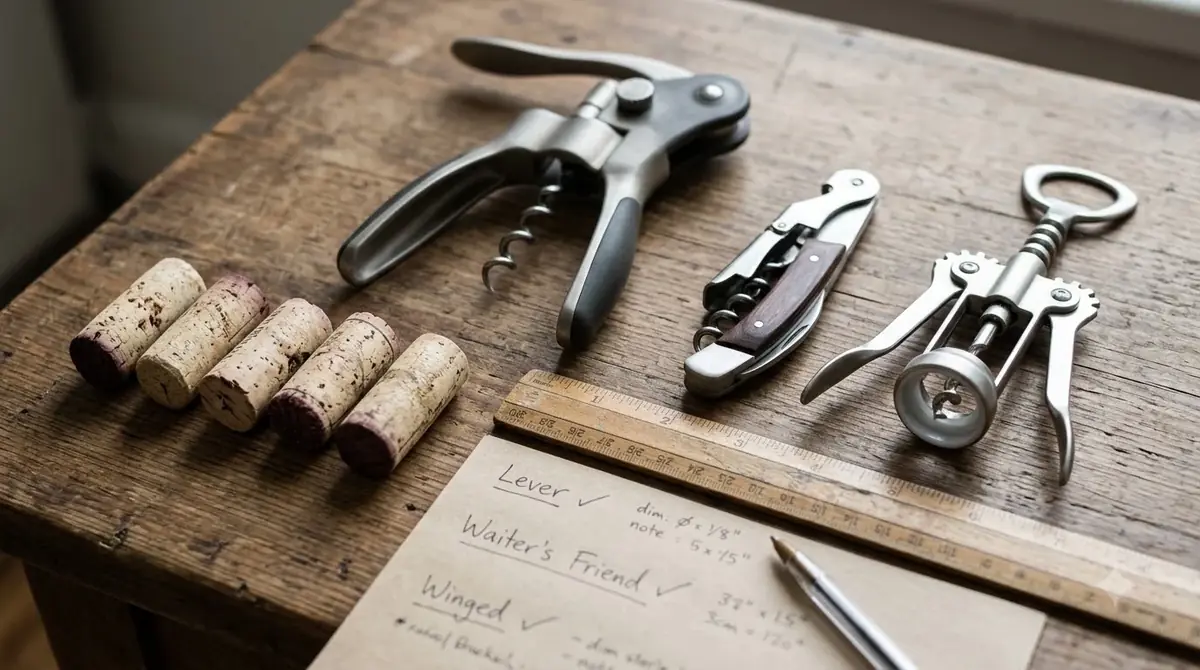
Coasters come in a handful of materials, and each one behaves differently once a cold or sweating bottle sits on it. The comparison below sets the common options side by side so you can narrow the field before reading the sections that follow.
| Material | Feel and look | Moisture handling | Cleaning |
|---|---|---|---|
| Cork | Soft, natural, warm to the touch | Soaks up small amounts of condensation | Wipe clean and dry promptly |
| Bamboo | Light, woven, rustic | Handles light moisture, but can warp if left wet | Wipe clean and let dry fully |
| Soapstone | Heavy, smooth, cool to the touch | Holds a bottle steady; water tends to sit on the surface | Rinse and dry |
| Metal | Polished, structured | Does not absorb; a liner helps with drips | Wipe clean |
| Silicone | Flexible, low profile | Moisture runs off the surface | Rinse or wipe, easy to clean |
| Paperboard | Disposable, often printed | Absorbs quickly and can soak through | Replace once wet |
Best for Everyday Dinner Tables
Cork coasters are the usual choice for a daily table. They are light enough to move around, gentle on wood finishes, and able to soak up the small amount of condensation that forms on a chilled bottle.
Why it stands out: The natural surface suits most table styles, and a worn coaster is easy to replace. Wikipedia’s overview of drink coasters notes that cork is one of the traditional materials used for them, which helps explain why it remains so common in homes.
Keep in mind: Cork can stain or swell if it stays wet, so dry the surface after each use and avoid leaving a damp bottle on it overnight.
Best for: households that want one simple set to use every night without much thought.
Best for Formal Dining Rooms
Soapstone and metal coasters carry more visual weight, which suits a dining table that is set for guests. Their firm surface keeps a bottle steady, and the cooler feel of stone or metal stands apart from more casual materials.
Why it stands out: A heavier coaster does not slide easily when a bottle is set down or lifted, and the finish looks deliberate on polished wood or stone tables.
Keep in mind: Neither material soaks up moisture, so a drip can sit on the surface. Choose a model with a recessed center or a removable liner if you pour near the table.
Many hosts also like to match the coaster to the rest of the place setting. A stone coaster in a neutral tone sits well beside linen napkins and simple glassware, while a darker metal piece can echo candlesticks or a serving tray. Because these coasters are heavier, they also stay in place when a guest reaches across the table, which reduces the chance of a bottle tipping during a long meal.
Best for: dinner parties and dining rooms where the table itself is part of the decor.
Best for Outdoor and Spill-Prone Spaces
Silicone coasters are the practical option when a table sees sticky drinks, bare hands and weather. The material is flexible, low profile and easy to rinse, so it works on patios and kitchen counters alike.
Why it stands out: Moisture runs off the surface, which means a coaster can be shaken dry or rinsed without a long wait. Most silicone designs also lie flat, so they fit into a crowded tray or bar cart.
Keep in mind: Silicone has a softer look than cork or stone, and thin designs can slide on glossy tables. Look for a textured underside or a slightly raised rim.
Best for: patios, poolside tables and busy kitchens where spills are routine.
Best for Rustic and Farmhouse Décor
Bamboo and wood coasters suit a warm, handcrafted look. They pair well with linen, stoneware and open shelving, and they bring a natural texture that suits a casual room.
Why it stands out: Woven bamboo is light and carries a natural pattern, while solid wood adds a grain that many people find inviting on a farmhouse table.
Keep in mind: Both materials dislike standing water. Bamboo can warp if soaked, and wood can darken or lose its finish, so wipe them dry and avoid soaking.
Best for: rustic kitchens, cottage-style dining areas and anyone who wants the coaster to match the room’s natural palette.
Best for Gifts and Collectors
Printed and decorative coasters have a long history as keepsakes. Wikipedia’s drink coaster article describes early coasters as advertising pieces, and many collectors still look for older designs with brand or regional imagery.
Why it stands out: A themed set makes a simple host gift, and a well-designed coaster can start a conversation at a party.
Keep in mind: Paper and paperboard versions absorb moisture quickly and should be replaced once wet. Decorative stone or ceramic pieces look good but need a dry surface to stay in good shape.
Best for: hosts, wine lovers who collect objects, and anyone shopping for a housewarming or holiday present.
How to Choose a Wine Bottle Coaster
Start with how you use the table. A coaster that works for a quiet dinner may not hold up to a party, and the criteria below help narrow the choice.
- Size: Choose a diameter that fits a standard bottle base with room to spare. A coaster that is too small lets the bottle tip or drip onto the table.
- Moisture handling: Absorbent materials such as cork or paperboard suit occasional condensation, while silicone and metal suit more frequent drips.
- Table protection: Wikipedia’s overview of drink coasters notes that coasters protect surfaces from condensation and from heat, so a thicker or heat-tolerant material helps on fine wood.
- Cleaning: Consider how often you will wipe the coaster. Sealed surfaces are easier to maintain than open-grain materials.
Size deserves a second look for bottles with wider bases or for sparkling wine, which can be heavier and may need a coaster with a firmer center. Thickness matters too. A thin paperboard coaster is fine for a single glass, but a thicker cork or stone piece gives more stable support when the bottle is moved from one side of the table to the other.
When you plan how many bottles to open for a gathering, a short guide on how many glasses are in a bottle of wine can help you decide how much table space you will need.
Frequently Asked Questions
What is the best material for a wine bottle coaster?
There is no single best material. Cork and bamboo suit everyday use, soapstone and metal suit formal settings, and silicone suits spill-prone spaces. Choose based on how often you expect drips and how the table is used.
Do wine bottle coasters need to absorb moisture?
Not always. Absorbent coasters such as cork soak up condensation, while non-absorbent materials such as silicone or metal let water run off. A non-absorbent coaster with a raised rim works well if you want to keep liquid contained.
How do I clean a wine bottle coaster?
Wipe the surface with a damp cloth and dry it promptly. Avoid soaking cork, bamboo or wood, since water can cause warping or staining. Silicone and metal can usually be rinsed and dried without trouble.
Are decorative coasters worth buying as a gift?
Yes, especially in a themed set. Decorative coasters work well as a host gift or housewarming present. Choose a durable material if the recipient will use them often, and a printed paperboard set if the gift is meant to be displayed.
A good coaster protects the table and keeps the setup tidy, which is most of what matters at a dinner. For more ideas on what to set beside a bottle, browse the Accessories Library, and check the wine bottle holder guide if you also want a stand for a bottle on the table.
More in Wine Accessories
 Coravin Vs Vacu Vin: Choose the Right Wine Saver for Your BottlesUpdated Nov 21, 2026
 Zwilling Wine Stopper Review: Preserve Open Bottles LongerUpdated Nov 21, 2026
 Wine Enthusiast Wine Preserver Review: Features, Benefits and LimitationsUpdated Nov 21, 2026
 Wine Enthusiast Wine Stopper: An Easier Way to Reseal Open BottlesUpdated Nov 21, 2026
 Vintorio Wine Opener: Two-Step Cork RemovalUpdated Nov 21, 2026
 Zwilling Wine Aerator Review: Aerate, Pour, and Seal With One ToolUpdated Nov 21, 2026