

We may earn a commission when you buy through links on this page, at no extra cost to you. Learn more.
Willamette Valley Vineyards wine comes from an Oregon winery founded in 1983 in Turner, best known for its Pinot Noir from the Willamette Valley. The estate also makes Chardonnay, Pinot Gris and Riesling, so it covers more of the table than most people expect from a single Oregon producer. Each style has its own serving temperature and food partners, which the sections below explain.
If you have seen the name on a restaurant list or a grocery shelf and wondered what it stands for, this guide explains where the winery comes from, what its wines taste like, and how to pick the right bottle for dinner or a gift.
Where the winery came from
The winery was founded in 1983 by an Oregon native, Jim Bernau, whose stated goal was to make world-class Pinot Noir in a region that had few established names at the time. According to the winery’s own history, he cleared an old pioneer plum orchard in the Salem Hills and hand-watered the young vines through their first summer. That early commitment to a single variety still shapes the brand today.
The company later became a public business, and it is now listed on NASDAQ under the ticker WVVI. The estate is located at Turner, Oregon, and the winery’s own site describes its founding story as rooted in the Salem Hills.
What the Pinot Noir tastes like
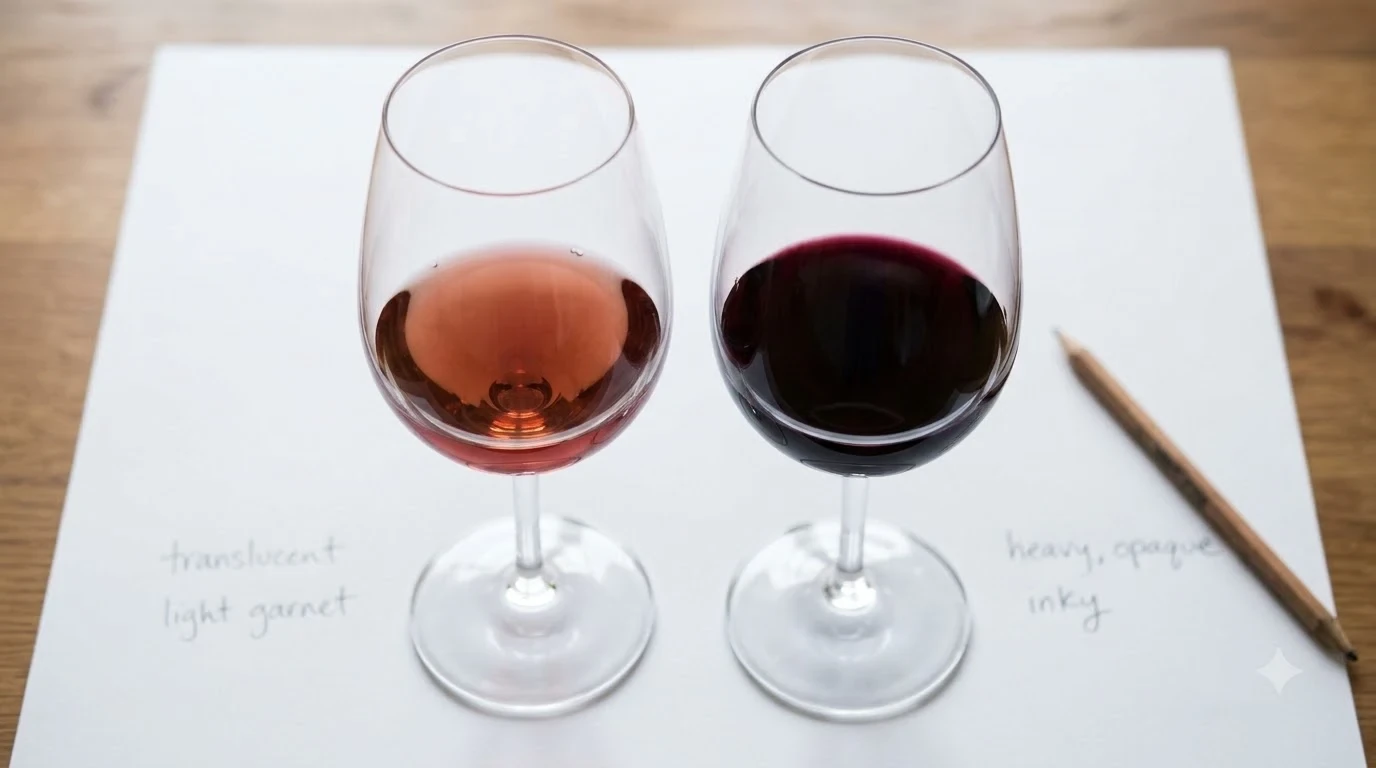
Most of the reputation rests on Pinot Noir. Oregon Pinot is generally described as a little lighter in color and more tart than Pinot from warmer California sites. Typical flavors include cranberry, Bing cherry and earthy notes of mushroom, with a fresh acidity that keeps the wine lively with food. For a broader look at the grape itself, Wine Folly’s Pinot Noir guide covers how climate changes the style.
The winery’s own website reports that Wine Enthusiast magazine named it one of America’s great Pinot Noir producers. Treat that as the producer describing its recognition, and check recent reviews before you buy a specific vintage, since quality can shift from year to year with the weather.
The rest of the lineup
Pinot Noir leads, but the portfolio is broader. Chardonnay gives a second option for guests who prefer white wine, and Pinot Gris is a common choice for lighter, fruit-forward pours. Riesling is also part of the range, and the winery was reported as the largest Riesling producer in the Willamette Valley in 2016, which is useful context if you like off-dry white wines.
The table below sums up the main styles and where each one fits in a meal.
| Style | Typical profile | Good with |
|---|---|---|
| Pinot Noir | Red cherry, cranberry, earthy notes, bright acidity | Salmon, duck, mushroom dishes |
| Chardonnay | Apple, citrus, and oak-driven texture in some bottlings | Roast chicken, creamy pasta, shellfish |
| Pinot Gris | Pear, citrus, a light and fresh finish | Salads, soft cheeses, light seafood |
| Riesling | Stone fruit and lime, often with a touch of sweetness | Spicy Asian dishes, pork, fruit desserts |
How to serve and pair Willamette Valley wines
For the Pinot Noir, a serving temperature of about 55 to 60 degrees Fahrenheit works well, and an aroma collector glass lets the fruit and earth notes come through. Young bottles benefit from about 30 minutes in a decanter, while better bottles can keep developing for several years in the cellar. Typical alcohol sits around 12 to 14 percent.
Salmon is a dependable match because Pinot is light enough not to overpower the fish, and duck is the classic partner since the wine’s acidity cuts through the richness. Mushroom and earthy dishes repeat the wine’s own notes. For the whites, chill Chardonnay and Pinot Gris lightly and serve Riesling a little colder, since a cool glass keeps the fruit crisp and makes the acidity easier to enjoy with food. Open a bottle a little before the meal if you want the aromas to show more fully, and recork any leftover wine tightly so it holds its freshness for a day or two in the fridge.
Tip: If you are unsure which style to open, a Pinot Noir with salmon or roast chicken is a safe pick for most dinner tables.
How to choose a bottle
Choosing a Willamette Valley Vineyards wine starts with the variety you already like. If you enjoy red wines with soft fruit and a little earth, the Pinot Noir is the natural starting point. If you prefer something crisp and light, the Pinot Gris or Chardonnay will suit you better, and the Riesling is worth trying if you want a bottle that pairs well with spicy or sweet-savory food.
Check the vintage, too. Oregon vintages vary with rainfall and harvest timing, so a recent release from a reliable year is usually a safer bet than an older bottle with no storage history. Read the label for the appellation, since a bottle labeled Willamette Valley means the grapes came from that valley.
Price and availability also differ by release, so compare the current listing with the tasting notes before you commit to a case. If you plan to serve the wine at a dinner party, buy one bottle of each style first so guests can taste the difference side by side.
Why the valley matters
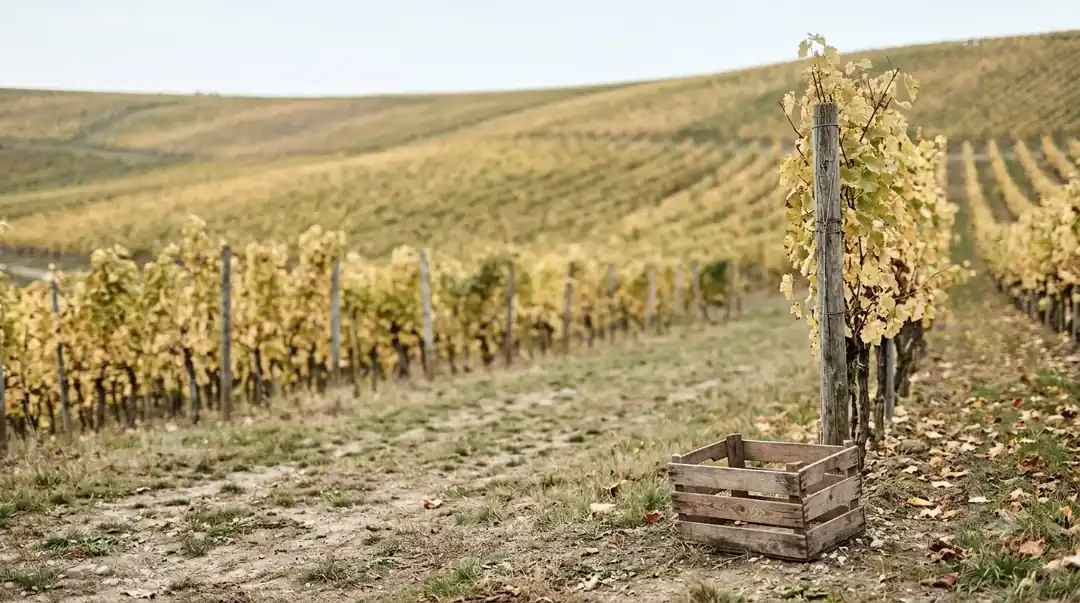
The Willamette Valley is a long, cool region in northwest Oregon, and its climate is the main reason the area became known for Pinot Noir. Cool nights and a long growing season help the grapes keep their acidity, which is what gives Oregon Pinot its bright, lifted style compared with riper bottles from warmer growing areas.
That same climate suits Chardonnay, Pinot Gris and Riesling, which is why the estate’s white lineup tastes fresh rather than heavy. Winemakers in the valley often talk about balancing fruit and acidity, and that idea runs through the whole portfolio, from the lighter whites to the reds.
When you read about Willamette Valley wines, you will see the valley named as a broad appellation as well as a set of smaller sub-areas. For everyday buying, the regional name on the label is enough to tell you the grapes came from the valley, and the producer’s own notes can point you toward a specific style.
Frequently Asked Questions
Is Willamette Valley Vineyards a good first Oregon wine?
Yes, for many people it is. The Pinot Noir shows the style Oregon is known for, and the lighter Pinot Gris and Chardonnay give you a range of options without needing to know much about the region first.
What does Willamette Valley mean on a label?
It names the appellation, the wine-growing region in northwest Oregon. A bottle labeled Willamette Valley is made from grapes grown in that valley, which is known for cool conditions well suited to Pinot Noir.
Should I decant Willamette Valley Pinot Noir?
Young bottles often benefit from about 30 minutes of air in a decanter, which softens tannins and opens the fruit. Older bottles usually need less time, so taste first and decide from there.
What food goes best with these wines?
Pinot Noir suits salmon, duck and mushroom dishes. Chardonnay works with roast chicken and creamy sauces, while Riesling pairs well with spicy food. Pinot Gris is a good match for salads and light seafood.
Willamette Valley Vineyards gives you a clear entry point into Oregon wine, with Pinot Noir as the anchor and a white lineup for lighter meals. Pick the style that matches your dinner, serve it at the right temperature, and you will get the flavor the region is known for. For more wine brands to compare, see the Wine Brands section, or read our spy valley wine guide if you want a different style to set beside an Oregon Pinot.
More in Wine Brands
 Underwood Wine Price: Compare Bottles, Cans, and Pack SizesUpdated Nov 21, 2026
 Zenato Wine Price: Compare Styles and Choose the Right BottleUpdated Nov 21, 2026
 Zuccardi Wine Price: Compare Bottles and Find the Right RangeUpdated Nov 21, 2026
 Yellow Tail Moscato Review: Taste, Sweetness and Serving TipsUpdated Nov 21, 2026
 Wolf Blass Yellow Label Review: Choose Your Best StyleUpdated Nov 21, 2026
 Wolffer Estate Rose Review: Choose the Right Bottle for Your TableUpdated Nov 21, 2026